
Affiliate Disclosure
Some links on this page are affiliate links. As an Amazon Associate, we earn from qualifying purchases — at no extra cost to you. We do not buy, test, or physically handle the products we cover; our rankings come from aggregated owner reviews, ratings and expert consensus. Commissions never change our verdicts. How we rank & full disclosure.
All-Season Tires
A jack-of-all-trades tire built to stay usable across dry, wet and light-winter conditions. The rubber compound and tread are a compromise designed to never leave you stranded in any one season.
Best for: Daily drivers in mild or moderate climates who want one set of tires all year and low fuss
Typically $110–$220 per tire for common 16"–18" sizes
- One set covers spring, summer, fall and light winter — no seasonal swap or storage
- Longer tread life; most carry 50,000–80,000 mile treadwear warranties
- Quieter, more comfortable ride tuned for commuting rather than cornering
- Lower rolling resistance on many models helps fuel economy
- Cheaper over time — you buy and mount one set, not two
- Compromised grip — beaten by summer tires in the dry and wet when it is warm
- The tread and compound give up meaningful dry braking and cornering bite
- Not a true winter tire; the rubber still hardens below ~45°F
- Vague steering feel compared with a performance summer tire
Summer (Performance) Tires
A warm-weather specialist with a soft, grippy compound and a stiff tread built for maximum dry and wet traction. It trades cold-weather ability and tread life for sharper handling.
Best for: Warm climates, spirited drivers and sports cars where dry/wet grip matters most
Typically $140–$320 per tire for common performance sizes
- Best dry grip and shortest warm-weather braking distances of any street tire
- Superior wet traction in warm rain thanks to the compound and tread design
- Sharp, precise steering response and high cornering limits
- Ideal match for a sports car, hot hatch or track-day weekend
- Dangerous below ~45°F — the compound hardens and grip falls off a cliff
- No usable performance in snow or ice; not a cold-weather tire at all
- Shorter tread life, often 20,000–40,000 miles, and pricier per tire
- Firmer, noisier ride and higher rolling resistance than an all-season
How they score, side by side
Scores reflect aggregated owner reviews and expert consensus — not our own bench testing.
- Warm-weather dry grip710
- Warm-weather wet grip79
- Cold / winter ability62
- Tread life & value95
- Ride comfort & quiet86
- All-year convenience104
Spec-by-spec comparison chart
| Factor | All-Season Tires | Summer (Performance) Tires |
|---|---|---|
| Best temperature range | Roughly 20°F to 100°F+ | Roughly 45°F and above |
| Warm dry grip | Good | Excellent |
| Warm wet grip | Good | Excellent |
| Cold weather (below ~45°F) | Usable — stays pliable | Poor — compound hardens |
| Snow & ice | Light snow only (3PMSF varies) | None — unsafe |
| Tread life warranty | 50,000–80,000 miles | 20,000–40,000 miles (often none) |
| Ride comfort & noise | Quieter, softer | Firmer, louder |
| Steering feel | Relaxed, vaguer | Sharp, precise |
| Price each (common sizes) | $110–$220 | $140–$320 |
| Seasonal swap needed | No | Yes in cold climates (add winters) |
Our Top 3 Picks
The three highest-rated options in this category, if you'd rather skip straight to a proven pick.
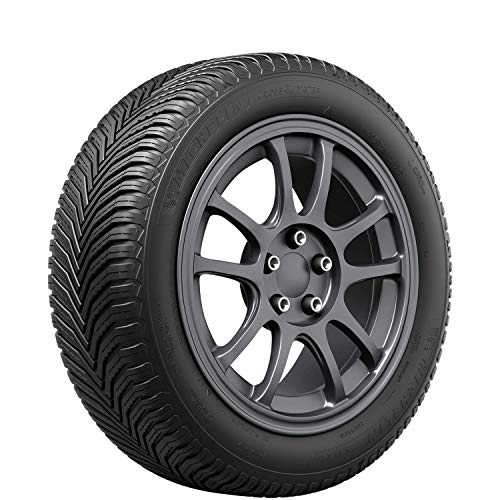
Best for the best all-round grip, wear and light-snow ability
- V-shaped tread with 3-peak-mountain-snowflake rating
- Class-leading wet and dry braking
- 60,000-mile treadwear warranty
- Real light-snow traction for an all-season
Why buy it: the tire owners and experts keep crowning as the best all-rounder — it brakes shorter in the wet than most rivals and genuinely handles snow, so it fits almost any driver in a four-season climate.

Best for the longest tread life on a sedan or minivan
- Up to 80,000-mile treadwear warranty
- Quiet, comfortable highway ride
- Strong wet grip and even wear
- Michelin’s longest-lasting all-season
Why buy it: the set-and-forget touring tire owners rate for outlasting everything else — fit it once and forget about tires for years.

Best for premium wet braking at a mid-range price
- Up to 80,000-mile treadwear warranty
- EcoPlus compound for shorter wet stops
- Fuel-efficient, low rolling resistance
- Wear indicators built into the tread
Why buy it: a hugely popular touring tire that delivers premium-brand wet performance and an 80k warranty for less than the flagships.
Prices are pulled from Amazon and were accurate as of Aug 22, 2026, 6:54 PM EDT. Product prices and availability are subject to change — the live price is shown on Amazon.
What actually separates the two tires
On the shelf they can look almost identical — same black rubber, same round shape, similar tread patterns. But an all-season and a summer tire are engineered around two very different assumptions about the weather you will drive in, and that shows up in two places: the rubber compound and the tread design.
A summer tire (often sold as a "performance" or "max performance summer" tire) uses a soft compound loaded with grippy polymers that come alive when the rubber is warm. Its tread has fewer, larger blocks and shallower, straighter grooves, which puts more rubber on the road and gives a stiff, precise footprint. The result is superb grip and braking in warm dry and warm wet conditions. The catch is baked into that same compound: once temperatures fall toward and below roughly 45°F, the rubber stiffens like a hockey puck and grip collapses.
An all-season tire is a deliberate compromise. Its compound is formulated to stay pliable across a much wider temperature band, from hot summer pavement down into light winter cold, so it never becomes glass-hard the way a summer tire does. The tread carries more sipes (tiny slits) and deeper grooves to bite into light snow and channel water. That flexibility is the whole point — but it also means the tire never matches a summer tire's peak warm-weather grip, because a compound tuned to work everywhere cannot be optimized for one narrow window.
The cleanest way to remember it, and the consensus among tire engineers and reviewers, is this: a summer tire is a specialist and an all-season tire is a generalist. The specialist wins decisively inside its temperature window and is genuinely unsafe outside it. The generalist never wins a single category outright but is competent in nearly all of them — which is exactly why it is the default fitment on the vast majority of cars sold in the US.
The 45°F rule that decides everything
If you take one number away from this page, make it 45°F. That temperature — not snow, not the calendar — is the real dividing line between these two tires, and it is the single most misunderstood point in the whole debate.
Summer tire compounds are designed to reach their ideal operating stiffness when warm. Below about 45°F they harden, and the harder the rubber the less it can key into the microscopic texture of the road. Owner reports and independent tire reviews consistently describe the effect the same way: braking distances lengthen noticeably, the tire feels skittish, and on a cold morning with a little frost a summer tire can lose grip alarmingly even on dry pavement. This has nothing to do with snow — a summer tire is compromised on a clear, dry, cold day.
All-season compounds are engineered to stay flexible through that same 45°F threshold and well below it, which is why they remain safe and predictable in cold conditions where a summer tire would not. That single characteristic is what makes an all-season the responsible default for anyone who sees genuine cold, and what makes a summer tire a warm-climate-only proposition unless you are willing to swap to dedicated winter tires when the temperature drops.
It is worth being precise about the ceiling too. In hot weather — think 90°F-plus pavement — a summer tire is perfectly at home, while an all-season is merely good. The summer tire's advantage is not "summer" as a season so much as "warm" as a condition. Match the tire to the temperature range you actually live in, not to the month on the calendar.
Dry and wet grip: how big is the real gap?
People often assume a summer tire is a marginal, track-only upgrade. In warm conditions the gap is bigger than that. Across aggregated independent braking tests and reviewer comparisons, a good max-performance summer tire routinely stops a car meaningfully shorter than an all-season from highway speed in warm dry conditions — the kind of difference that can be a car length or more in an emergency stop. In warm wet conditions the summer tire's advantage usually holds too, because its compound and tread are tuned to grip warm, wet asphalt, provided standing water isn't deep enough to trigger hydroplaning.
Where that logic flips completely is temperature. The same summer tire that out-brakes an all-season by a car length in July can be worse than the all-season on a cold, damp December morning, because its hardened compound simply cannot generate grip. So "which grips better" has no single answer — it is entirely conditional on how warm the road is.
For the honest middle ground, note that all-season tires are not a monolith. A grand-touring all-season prioritizes tread life and quiet; an "ultra-high-performance all-season" narrows the warm-weather grip gap to a summer tire considerably while keeping some cold-weather ability. If you want most of the handling with year-round usability, a UHP all-season is the compromise many enthusiasts land on.
Real cost and tread life over time
The sticker price only tells part of the story. All-season tires typically cost less per tire — often $110–$220 in common sizes — and, crucially, they last far longer. Treadwear warranties of 50,000–80,000 miles are normal, and the harder-wearing compound routinely delivers on them for an ordinary commuter.
Summer tires cost more up front, commonly $140–$320 each in performance sizes, and the soft grippy compound that makes them fast also wears faster. Many are rated for just 20,000–40,000 miles, and some max-performance models carry no mileage warranty at all. Drive one hard and that figure drops further. So a summer tire can cost more per mile on two fronts at once — higher price and shorter life.
There is also a hidden convenience cost. If you live somewhere cold and choose summer tires, you cannot run them year-round safely — you need a second set of winter tires and a seasonal swap, plus somewhere to store the off-season set and roughly $60–$120 twice a year to have them mounted and balanced (or a second set of wheels to make the swap quick). That two-set reality is a real part of the summer-tire math in any climate with a genuine winter. An all-season sidesteps all of it: one set, no swap, no storage. For a lot of drivers, that convenience and the longer tread life are the deciding factors, not lap times.
Common myths and mistakes
"All-season tires are good in winter." Only lightly. A standard all-season handles light snow and cold pavement acceptably, but it is not a substitute for a dedicated winter (snow) tire in real snow and ice. If your winters are serious, the safest setup is summer or all-season tires in the warm months and true winter tires in the cold ones. Look for the 3PMSF (three-peak mountain snowflake) symbol if winter grip matters — many all-seasons lack it.
"Summer tires are just for sports cars." They are the best warm-weather street tire regardless of the car, but the reason not to fit them isn't the vehicle — it's the climate. In a warm state they are a legitimate everyday choice; in a cold one they are a seasonal-only tire.
"Summer tires are unsafe in the rain." Warm rain, no — a summer tire generally grips wet warm asphalt very well. The danger is cold, and cold rain compounds it. The failure mode is temperature, not water.
"I can run summer tires until it snows." This is the costly mistake. The compound is already compromised well before the first snowflake — at around 45°F on dry roads. Waiting for snow to swap means driving on dangerously hard rubber for weeks of cold, dry mornings first.
"All tires wear about the same." Not close. A grand-touring all-season can outlast a max-performance summer tire two- or three-to-one. Factor tread life into the price before assuming the cheaper-looking option is cheaper to own.
Which should you buy — and how to decide
Start with your climate, because it makes most of the decision for you. If you regularly see temperatures below 45°F, an all-season tire (or a summer/winter two-set) is the safe path — a year-round summer tire is off the table. If your climate is reliably warm, both are viable and the choice comes down to how much you value grip versus tread life and comfort.
Buy all-season tires if you want one no-fuss set for the whole year, you drive mostly commuting and errands, you value a quiet ride and long tread life, and you live anywhere that gets genuine cold or light winter. This is the right answer for the majority of American drivers, which is why it is the default.
Buy summer tires if you live in a warm climate, you drive something sporty, and dry and wet grip and steering precision are what you care about most — and you accept shorter tread life, a firmer ride, and swapping to winter tires if cold ever arrives. For a track-day car or a spirited weekend driver in a warm state, nothing beats them in their element.
Want a middle ground? An ultra-high-performance all-season closes much of the warm-weather grip gap while keeping year-round usability, and it is the pick many enthusiasts choose when they want handling without owning two sets of tires. Whatever you choose, buy in matched sets of four, check the load and speed ratings your car requires, and match the tire to the coldest conditions you will actually drive in — not the warmest.
Recommended Products
Our top picks in this category, ranked on aggregated owner reviews.
Best for the best all-round grip, wear and light-snow ability
- V-shaped tread with 3-peak-mountain-snowflake rating
- Class-leading wet and dry braking
- 60,000-mile treadwear warranty
- Real light-snow traction for an all-season
Why buy it: the tire owners and experts keep crowning as the best all-rounder — it brakes shorter in the wet than most rivals and genuinely handles snow, so it fits almost any driver in a four-season climate.
Best for the longest tread life on a sedan or minivan
- Up to 80,000-mile treadwear warranty
- Quiet, comfortable highway ride
- Strong wet grip and even wear
- Michelin’s longest-lasting all-season
Why buy it: the set-and-forget touring tire owners rate for outlasting everything else — fit it once and forget about tires for years.
Best for premium wet braking at a mid-range price
- Up to 80,000-mile treadwear warranty
- EcoPlus compound for shorter wet stops
- Fuel-efficient, low rolling resistance
- Wear indicators built into the tread
Why buy it: a hugely popular touring tire that delivers premium-brand wet performance and an 80k warranty for less than the flagships.

Best for the most tire for the money
- Up to 75,000-mile treadwear warranty
- "Replace Tire" wear indicator in the tread
- Reliable wet braking and light-snow grip
- Backed by Continental’s parent company
Why buy it: the value pick owners rate again and again — a genuinely good touring tire with a 75k warranty at a bargain price.

Best for confidence in rain and winter slush
- 3-peak-mountain-snowflake certified
- Evolving Traction Grooves for wet grip
- 60,000-mile treadwear warranty
- Strong all-weather safety focus
Why buy it: the pick for drivers who see a lot of rain and the occasional storm — a true all-weather tire that carries the winter certification most all-seasons lack.

Best for sporty cars that still need year-round use
- Ultra-high-performance all-season design
- Excellent dry, wet and light-snow grip
- Tread wear indicators (DWS letters)
- A perennial enthusiast favorite
Why buy it: the enthusiast’s all-season — near-summer-tire dry grip with real wet and light-snow ability, so a sports sedan can run one set all year.
Prices are pulled from Amazon and were accurate as of Aug 22, 2026, 6:54 PM EDT. Product prices and availability are subject to change — the live price is shown on Amazon.