
Affiliate Disclosure
Some links on this page are affiliate links. As an Amazon Associate, we earn from qualifying purchases — at no extra cost to you. We do not buy, test, or physically handle the products we cover; our rankings come from aggregated owner reviews, ratings and expert consensus. Commissions never change our verdicts. How we rank & full disclosure.
The short version: a good polish is what brings dead, swirled paint back to a deep, wet gloss. After comparing six across the reviews for cut and clarity, our #1 pick is Meguiar’s Ultimate Polish — a glaze-rich finishing polish that removes light swirls and lays down a stunning gloss by hand or machine, for around $13. Below is the ranked field, how we rank them, and honest cons.
Polish is the correct step — wash and clay first, then polish, then seal it with wax. For serious swirls you’ll also want a DA polisher.
Top Picks at a Glance
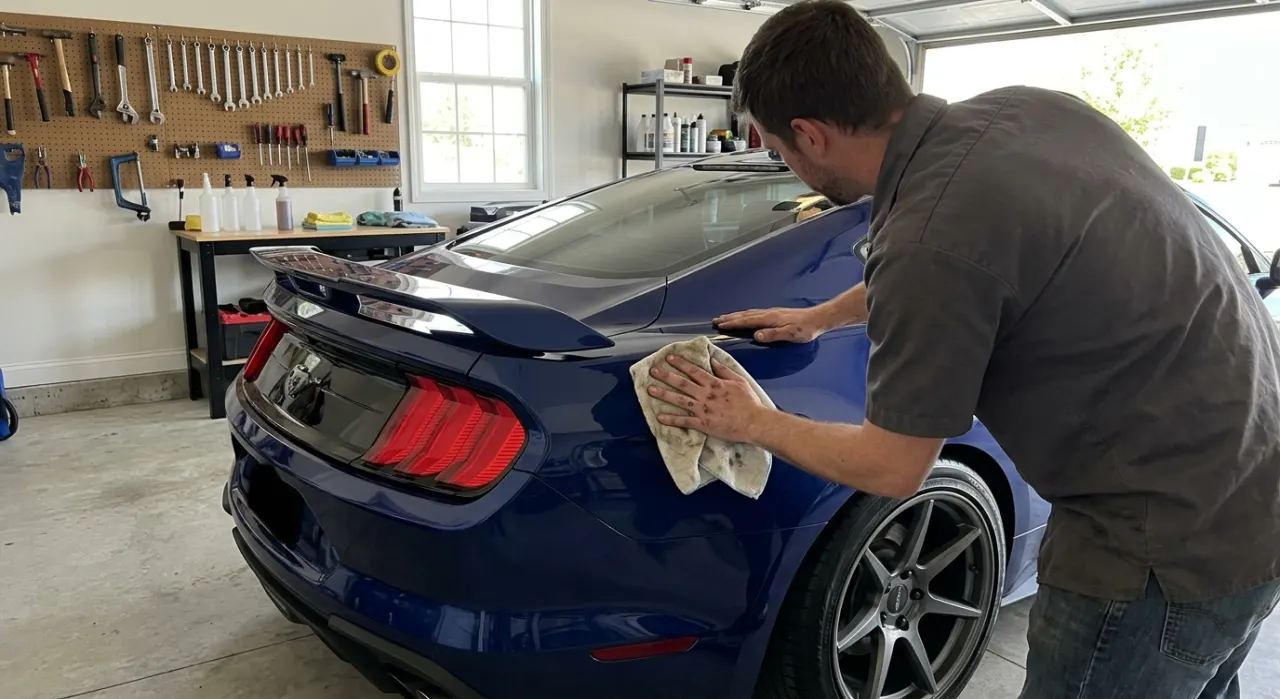
Our #1 Pick: Meguiar’s Ultimate Polish
This is the polish we reach for when a car needs its gloss back without heavy correction. It’s a finishing polish with glazing oils, so it removes light swirls and, more importantly, fills and enhances to leave a deep, wet, three-dimensional shine — especially on dark paint. It works by hand or on a DA, wipes off cleanly, and is very hard to get wrong, which makes it ideal for beginners. It’s not a heavy cutter — for deep defects you’ll pair it with a compound first — but as a gloss-restoring finishing polish at around $13, nothing beats it.
Best Car Polish 2026: The Ranked Field

Best for gloss and light-swirl removal
- Glaze-rich finishing polish
- Removes light swirls
- Deep, wet-look gloss
- Works by hand or machine
Why buy it: stunning gloss and light-swirl removal by hand or DA for about $13.

Best for heavier swirls and scratches
- Strong cut
- Still finishes well
- Cheap
Why buy it: the cutting partner for heavier swirls and scratches.

Best for one-step correction
- Cuts and finishes in one step
- Good on light-medium defects
Why buy it: one-and-done correction when you want speed over perfection.
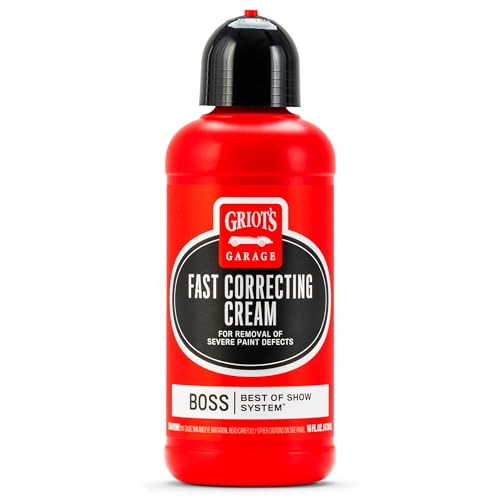
Best for machine polishing on a DA
- Excellent on a dual-action
- Consistent cut
- Good gloss
Why buy it: superb, consistent results on a DA polisher.

Best for a versatile all-in-one
- Adjustable compound-to-polish
- Strong cut and good finish
- Low dust
Why buy it: a versatile pro-favorite hybrid that does it all.

Best for budget cutting
- Cheapest
- Decent cut on oxidation
Why buy it: budget cutting when you just need to remove oxidation.
Prices are pulled from Amazon and were accurate as of Aug 22, 2026, 6:44 PM EDT. Product prices and availability are subject to change — the live price is shown on Amazon.
Quick Comparison
Meguiar's Ultimate Polish
Best for gloss and light-swirl removal
Heavier Correction
Meguiar's Ultimate Compound
$13.97 · Check Price on Amazon
One-Step Correction
Chemical Guys VSS
$21.97 · Check Price on Amazon
Best for a DA
Griot's Correcting Cream
$24.99 · Check Price on Amazon
Most Versatile
3D One
$31.99 · Check Price on Amazon
Cheapest Cutter
Turtle Wax Polishing Compound
$14.81 · Check Price on Amazon
Prices are pulled from Amazon and were accurate as of Aug 22, 2026, 6:44 PM EDT. Product prices and availability are subject to change — the live price is shown on Amazon.
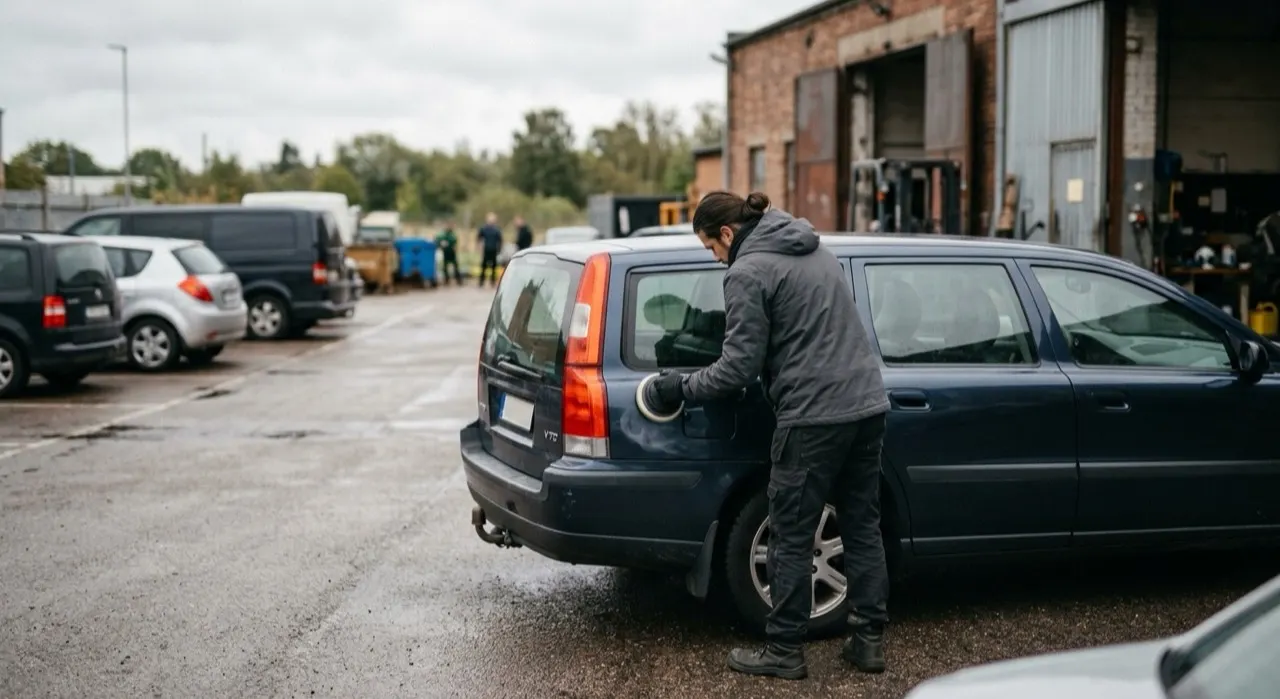
Polishing Black and Dark Paint Like a Professional
Black and other dark colors are where a polish earns or loses its reputation, because every swirl and hologram shows under direct light. This is why detailers reach for a glaze-rich finishing polish on dark paint — it removes the light defects and lays down the deep, wet gloss that professional detailing is judged on. Owners consistently report that going too aggressive on black is the classic mistake: a heavy compound leaves micro-marring that only reappears in the sun, so the safer route is the least-aggressive polish that clears the swirls, refined on a dual-action. Tested across large review bases, the mild finishing polishes draw the most praise from dark-paint owners precisely because they flatter the color instead of fighting it.
After You Polish: Sealant, Wax and How Often
Polishing strips whatever protection was on the paint, so the freshly corrected clear coat must be sealed the same day. A synthetic sealant gives the longest-lasting barrier, a carnauba wax gives the warmest shine, and a ceramic coating gives the most durable protection — any of the three locks in the gloss and slows the swirls returning. On frequency, most owners only need to polish once or twice a year; because each pass removes a microscopic layer of clear coat, over-polishing wastes what you cannot replace. Brands like Meguiar's, Chemical Guys and Adam's all sell matched polish-and-protect lines, which makes it easy to finish with a compatible sealant rather than mixing systems.
Polish vs Scratch Remover: What Actually Works
Shoppers often search for a scratch remover and land on polish, so it helps to make the distinction clear. A finishing polish and a "scratch remover" are frequently the same kind of product — a mild abrasive that levels the clear coat around a light mark until it disappears. What that means in practice, and what detailing experts and consumer-reports-style testing consistently confirm, is that these products only erase scratches you cannot feel with a fingernail, i.e. swirls and marring within the clear coat. A scratch deep enough to catch a nail has gone through the clear and no polish or remover will fill it — that is a touch-up or respray job. So set expectations before you buy: a good polish makes light swirls and haze vanish and restores gloss, but a bottle labelled scratch remover will not undo a deep key mark. Match the product to how deep the damage really is.
How We Rank
We compared each polish across thousands of owner reviews and detailer feedback — results reported both by hand and on a dual-action polisher. We weighed four things from those aggregated reviews: cut (how well it removes swirls and light scratches), gloss and clarity (the finish it leaves), ease of use (workability, wipe-off, and how forgiving it is), and value (price against performance). Prices were current at time of writing. We rank only what the reviews back up.
The Polishes, Reviewed
1. Meguiar’s Ultimate Polish — Best Overall
Covered above — the gloss winner and our all-round pick. Pros: stunning deep gloss, removes light swirls, works by hand or machine, forgiving, cheap. Cons: light cut only — pair with a compound for heavy defects; the glaze oils mean you must protect afterwards. Check Price on Amazon.
2. Meguiar’s Ultimate Compound — Heavier Correction
The cutting partner to our top pick — removes heavier swirls, scratches and oxidation, then follow with the Ultimate Polish to finish. Pros: strong cut, still finishes well, cheap. Cons: more abrasive, so easier to overdo; best followed by a finishing polish.
3. Chemical Guys VSS — One-Step Correction
A scratch-and-swirl remover that cuts and finishes in one step — handy when you want speed over perfection. Pros: one-and-done, good on light-medium defects. Cons: not as glossy a finish as a dedicated finishing polish; pricier.
4. Griot’s Garage Correcting Cream — DA Machine Polishing
A machine-oriented correcting polish that works beautifully on a dual-action. Pros: excellent on a DA, consistent cut, good gloss. Cons: really wants a machine to shine; premium price.
5. 3D One — All-in-One
A pro-favorite hybrid that adjusts from compound to polish depending on pad and technique. Pros: versatile, strong cut and good finish, low dust. Cons: more expensive; the versatility rewards some experience to dial in.
6. Turtle Wax Polishing Compound — Cheapest Cutter
The bargain option when you just need to cut oxidation or heavier swirls. Pros: cheapest, decent cut. Cons: hazier finish that needs refining; not a gloss product.
How to Choose a Car Polish
Match the product to your defects. Light swirls and dull gloss? A finishing polish like our #1 pick. Heavier swirls and scratches? A compound first, then a finishing polish. Want one product? An all-in-one or one-step polish. Work out what you’re dealing with with our compound vs polish guide, pick the right pad, and always protect the paint afterwards.

What to Look For in a Car Polish
Matching the polish to your paint's condition is the whole game. The key variable is cut level — how aggressively it removes defects. A finishing polish (light cut) handles swirls and restores gloss and is where most people should start; a compound (heavy cut) removes deeper scratches and oxidation but needs refining afterward; an all-in-one tries to do both in a pass. Beyond cut, look at whether it's hand- or machine-friendly (some polishes only shine on a dual-action), how forgiving it is (does it work in a wide window or flash off fast), and dusting (low-dust formulas are far nicer to use). Don't over-buy on cut: a mild polish removes 80% of everyday swirls with far less risk than a heavy compound, and you can always step up if the defects don't come out. Our compound vs polish guide helps you judge which your paint actually needs.
Polishing Mistakes to Avoid
Polish is the one detailing step that can genuinely damage paint if you rush it, so a few rules keep you safe. Never polish dirty paint — wash and clay first, or you'll grind grit into the finish and add scratches. Don't reach for a heavy compound first — start with the least aggressive product and pad that clears the defect, because you can't put clear coat back. Keep the pad flat and the machine moving — dwelling in one spot or working an edge too hard builds heat and risks burning through the clear coat, especially near panel edges and ridges. Work in the shade on cool paint, in small sections, and wipe each area to inspect your progress under good light. And always protect afterward — polishing strips old wax and leaves bare clear coat, so seal it with wax or ceramic the same day. Beginners are far safer on a dual-action polisher than a rotary for exactly these reasons.
The Verdict
For the best mix of gloss, ease and value, Meguiar’s Ultimate Polish is the one — a stunning finishing polish for around $13. Add Meguiar’s Ultimate Compound if you’ve got heavier defects to cut first. Then seal your work with wax or ceramic. Check Price on Amazon →