
Affiliate Disclosure
Some links on this page are affiliate links. As an Amazon Associate, we earn from qualifying purchases — at no extra cost to you. We do not buy, test, or physically handle the products we cover; our rankings come from aggregated owner reviews, ratings and expert consensus. Commissions never change our verdicts. How we rank & full disclosure.
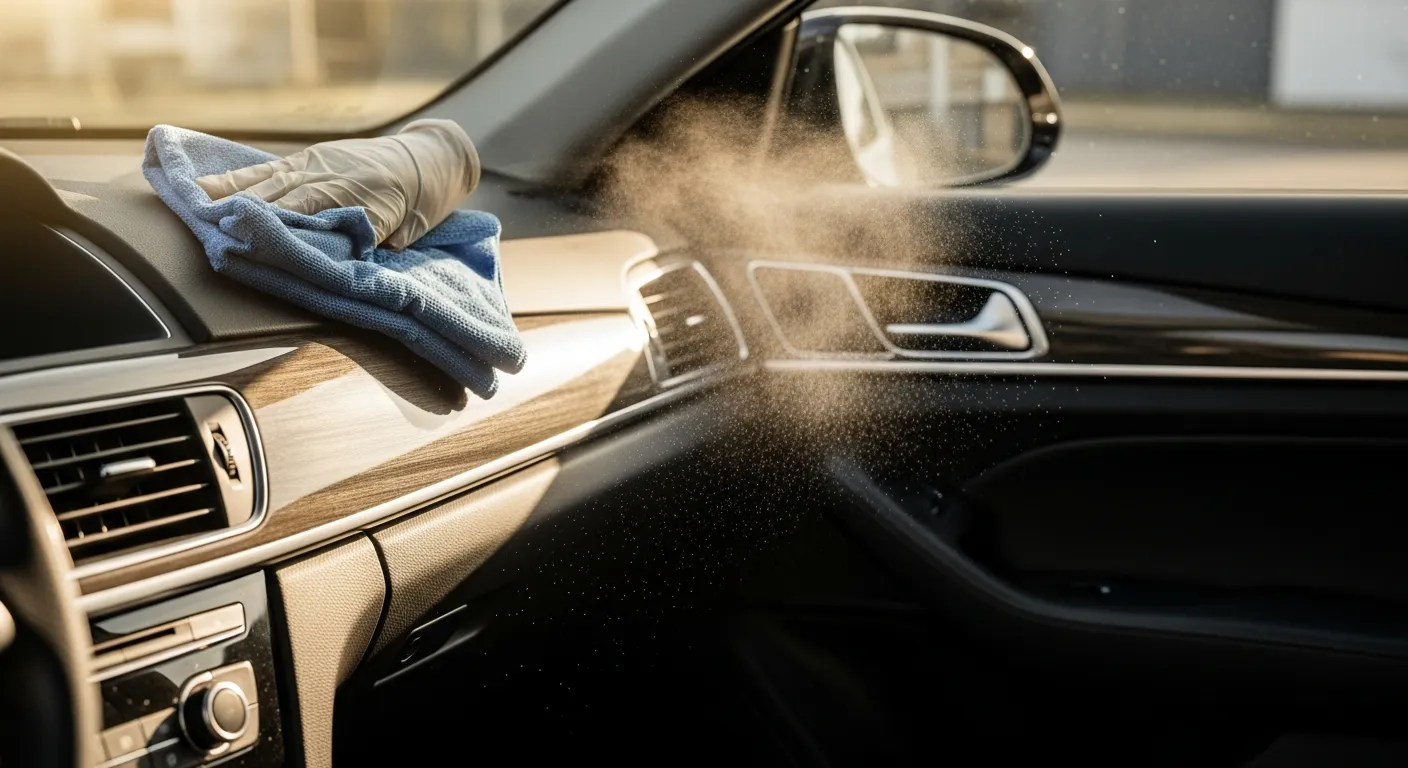
Short version: the interior is where you actually spend your time, yet it's the part most people neglect — and it's the biggest untapped win in car care. A proper interior detail isn't complicated; it's a sequence. Get the order right and the right handful of products, and you can turn a grimy cabin into a like-new one in an afternoon. This hub covers the full process and the best interior cleaners, vacuums and leather care, ranked across thousands of owner reviews.
Interior work is its own discipline, separate from the exterior wash-and-protect routine — different surfaces, different products, different order. Here's how to do it properly.
The Right Order: Top to Bottom, Dry to Wet
The single most important thing in interior detailing is sequence. Do it out of order and you'll re-dirty surfaces you already cleaned. The correct flow: declutter (bin the trash, remove floor mats and personal items), blow out and vacuum the loose debris from every crevice, clean hard surfaces (dash, doors, console, trim), clean the seats and carpet, condition the leather, clean the interior glass, and finally deodorize. Working top-to-bottom and dry-to-wet means gravity and airflow carry dust down toward surfaces you haven't cleaned yet, not back onto finished ones. The full step-by-step is in how to detail your interior.
The Products That Cover a Whole Interior
You need surprisingly few. A quality all-purpose interior cleaner (APC) handles plastics, vinyl, trim and cloth. A dedicated leather cleaner and conditioner is essential if you have leather — an APC can dry it out and crack it over time. An ammonia-free glass cleaner gets the windows streak-free. Add a good car vacuum, a set of detailing brushes and microfiber towels, and you've got a full interior kit. Match the cleaner to the surface: never use a harsh degreaser on leather, and never use a glossy dressing on a dashboard (glare on the windshield is dangerous).
Vacuuming: Where Most of the Result Comes From
A huge share of how clean an interior looks comes down to the vacuum. The best car vacuum for you depends on your setup: a corded wet/dry vac has the most power for deep cleaning, a cordless handheld is the most convenient for quick jobs, and a shop vac is best for heavily soiled interiors. Whatever you use, it's the crevice tool and brush attachment that get into seat rails, cup holders and door pockets where the grime hides. Work methodically and vacuum the seats and carpet last, after you've cleaned everything above them.
Leather and Upholstery: Handle With Care
Seats are where the wrong product does real, lasting damage. Leather needs a gentle cleaner followed by a conditioner to keep it supple and stop it cracking — our leather cleaner test covers the safe picks. Cloth and carpet respond to an upholstery cleaner worked in with a brush and blotted — the key is not to over-wet them, which causes mildew and long dry times. For stubborn stains, an extractor pulls the dirt back out rather than pushing it deeper.
Making It Smell Clean (Not Just Look Clean)
A great-looking interior that still smells stale isn't done. Odors come from a source — spills soaked into carpet, a dirty cabin filter, food, damp, or pets. Removing car odors means finding and eliminating that source, not covering it. Deep-clean where smells live, swap the cabin air filter, and for organic smells use an enzyme cleaner. Only once it's genuinely clean does an air freshener earn its place — to maintain freshness, not disguise a problem.
Where to Start
Read how to detail your interior for the full sequence, then grab a proven interior cleaner and car vacuum — the two products that do most of the work. The topical map below links every part of the interior detailing process.