
Affiliate Disclosure
Some links on this page are affiliate links. As an Amazon Associate, we earn from qualifying purchases — at no extra cost to you. We do not buy, test, or physically handle the products we cover; our rankings come from aggregated owner reviews, ratings and expert consensus. Commissions never change our verdicts. How we rank & full disclosure.
Short version: A good dashboard cleaner does two jobs — it lifts dust and grime without leaving residue, and it protects the plastic from UV without turning it into a mirror. The finish is the whole decision: go matte, not glossy. A shiny dash looks slick in the driveway but throws glare onto your windshield in bright sun, which is genuinely unsafe. Clean, protect, stay matte.
The dashboard is the surface you look at every second you drive, so it is worth getting right. And unlike most interior surfaces, the wrong product here does not just look bad — it can compromise your visibility. I learned this the annoying way, chasing a windshield veil at sunset that turned out to be my own glossy dash reflecting back at me. Like a poorly aimed set of headlights, the problem was pointing the wrong thing in the wrong direction.
Our Top Dashboard Cleaner Picks
The glare problem nobody warns you about
Here is the trap. You clean your dash, hit it with a glossy "wet look" dressing, and it looks fantastic parked. Then you drive into low sun and a bright, milky veil appears across the bottom of your windshield — the dashboard reflecting sunlight straight up into the glass. At dawn and dusk, when the sun sits low, it can seriously wash out your view of the road.
This is why detailers treat the dash differently from every other surface. On door cards or a console, a bit of shine is harmless. On the dash — the one plastic surface angled to reflect into your eyeline — matte is the only sensible choice. Any dashboard product worth buying leaves a low, satin finish, not a gloss.
UV protection is the real job
The reason dashboards crack, fade, and go brittle over the years is ultraviolet light. Sun pours through the windshield and cooks the top of the dash day after day. A dashboard protectant with UV inhibitors is essentially sunscreen for your plastic — it slows the drying and fading that eventually leads to cracks, especially on cars parked outside in hot, sunny climates.
That is what separates a true dashboard protectant from a generic cleaner. Cleaning removes dust; protecting extends the life of the material. The best products do both — a matte UV protectant that cleans as it applies, or a clean-then-protect pairing. If you park in the sun regularly, the UV protection is the part that actually pays off years down the line.
How to clean a dash properly
Technique matters as much as product. Do it in this order:
- Dust first, dry. Use a soft detailing brush to knock dust out of vents, seams, and the textured grain, then a dry microfiber pass. Wiping a dusty dash with a wet towel just smears grit around.
- Spray the towel, not the dash. Mist your cleaner onto the microfiber, not directly onto the surface. This keeps overspray off the gauge cluster glass, screens, and switch gaps.
- Work gently around electronics. Go light near the infotainment screen and buttons — a barely damp towel, never solvent-heavy cleaner pooling into gaps.
- Protect last. Once the dash is clean and dry, apply a thin, even coat of matte UV protectant and buff off any excess so it is dry to the touch, not greasy.
This slots into the wider cabin routine — dust and clean the dash before you do the seats and carpet, so any fallout lands on surfaces you have not finished yet. Our full interior detailing walkthrough covers the complete top-to-bottom order.
What to look for when buying
Cut through the marketing with three questions. Does it leave a matte or satin finish? (You want matte for the dash.) Does it contain UV inhibitors? (You want yes, for long-term protection.) Is it low-residue and non-greasy? (Greasy films attract dust and feel unpleasant, so cleaner-rinsing is better.) A product that ticks all three is a keeper regardless of brand.
For plenty of cars, you do not even need a dedicated dashboard bottle. A quality all-purpose interior cleaner handles the cleaning, and you add a matte protectant only if you want the UV benefit. If you are still building your core lineup, our best car interior cleaner picks cover the versatile cleaners that safely handle the dash along with the rest of the cabin.
Don't forget what sits above the dash
A clean, matte dash pairs with clean glass, and the two are related — dashboard dressing overspray is one of the top causes of that hazy, hard-to-remove film on the inside of a windshield. If your interior glass keeps fogging or hazing no matter how you wipe it, an over-applied glossy dash dressing is a prime suspect. Switching to a matte dash product and cleaning the glass properly usually solves it; our guide to cleaning interior glass streak-free covers the technique.
Recommended Dashboard Cleaners
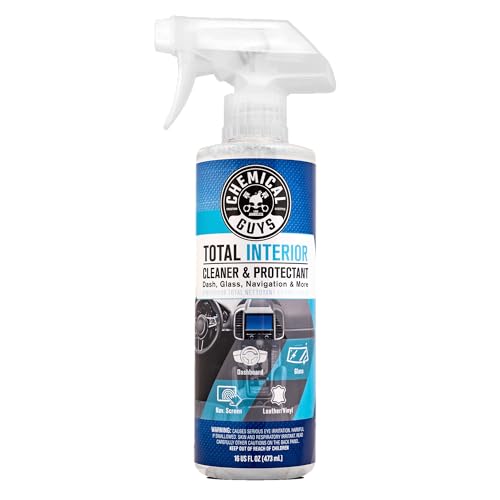
Best for a one-step clean-and-protect for the whole dash and cabin
- Cleans and adds UV protection in a single wipe
- Leaves a matte, dry-to-touch finish — no windshield glare
- Safe on dashboards, vinyl, leather, trim and screens
- Far and away the most-reviewed interior product here
Why buy it: the safe default — it does both dashboard jobs at once, dries matte instead of glossy, and carries the largest owner consensus of anything on this page.

Best for detailers who want a cleaner, protectant and dressing in one bottle
- Cleans, conditions and protects vinyl and leather
- Low-sheen finish that stays off your line of sight
- Pleasant, non-greasy feel that does not grab dust
- Strong 4.6 rating from a well-regarded detailing brand
Why buy it: the step-up pick — a fuller-bodied formula that conditions as it cleans, from a brand detailers trust, without the greasy gloss that reflects into the glass.

Best for anyone who wants the dash clean with zero added shine
- Residue-free finish — nothing left to reflect or attract dust
- Lifts dirt and stains from vinyl, plastic and fabric
- Big 32 oz bottle covers the whole interior
- Pair with a 303 UV protectant if you park in the sun
Why buy it: the purist clean — it strips grime and leaves the dash genuinely matte with no film, which is exactly what you want on the one surface angled into your eyeline.

Best for a deep clean when the dash and cabin are truly grimy
- Cuts through baked-on grime, stains and residue
- Works across dash, seats, carpet, upholstery and leather
- Ships with a microfiber towel to start cleaning right away
- Nearly 25,000 ratings back the cleaning power
Why buy it: the heavy-lifter — when a neglected dash needs more than a quick wipe, this pulls out grime other sprays leave behind, and doubles as your all-cabin cleaner.
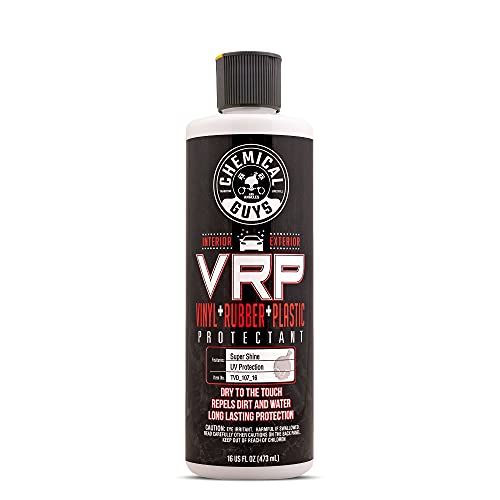
Best for adding long-term UV protection after the dash is clean
- Dry-to-touch satin finish, not a wet-look gloss
- UV protection to slow fading and cracking
- Dilutable — go lighter for a flatter matte on the dash
- One of the most-owned dressings on Amazon
Why buy it: the protection step — apply it thin over a clean dash for a low satin sheen and real UV defense, without the mirror-gloss that hazes your windshield.

Best for a cheap, capable everyday interior cleaner
- Light all-purpose cleaner for dash, console and trim
- No greasy dressing film — cleans and leaves matte
- Odor-elimination formula freshens as it cleans
- Cheapest way onto this list from a household name
Why buy it: the budget buy — for routine dusting and grime it does the cleaning job cleanly and cheaply, and you add a separate UV protectant only if you park in the sun.
Prices are pulled from Amazon and were accurate as of Aug 22, 2026, 6:54 PM EDT. Product prices and availability are subject to change — the live price is shown on Amazon.
The bottom line
Pick a dashboard product that is matte, UV-protective, and low-residue, and apply it thin. Skip anything that promises a glossy wet look on the dash — that shine is the exact thing that reflects into your windshield and hazes your interior glass. A properly cleaned and protected dash is understated, feels dry to the touch, and quietly outlasts a neglected one by years.
One habit makes all of this last: dust the dash regularly with a soft brush and a dry microfiber, not just when you do a full detail. Dust is abrasive, and letting it sit and then wiping it dry is a slow way to add fine scratches to the plastic's grain. A quick dry dusting once a week keeps the surface clean between proper cleans, and means the protectant you apply lasts longer because it is not sitting on top of a layer of grit.
Get the dash right and it lifts the whole cabin, because it is the surface you see most. For the complete interior process — from vacuuming to conditioning to glass — the interior detailing hub pulls every step together in one place.