
Affiliate Disclosure
Some links on this page are affiliate links. As an Amazon Associate, we earn from qualifying purchases — at no extra cost to you. We do not buy, test, or physically handle the products we cover; our rankings come from aggregated owner reviews, ratings and expert consensus. Commissions never change our verdicts. How we rank & full disclosure.
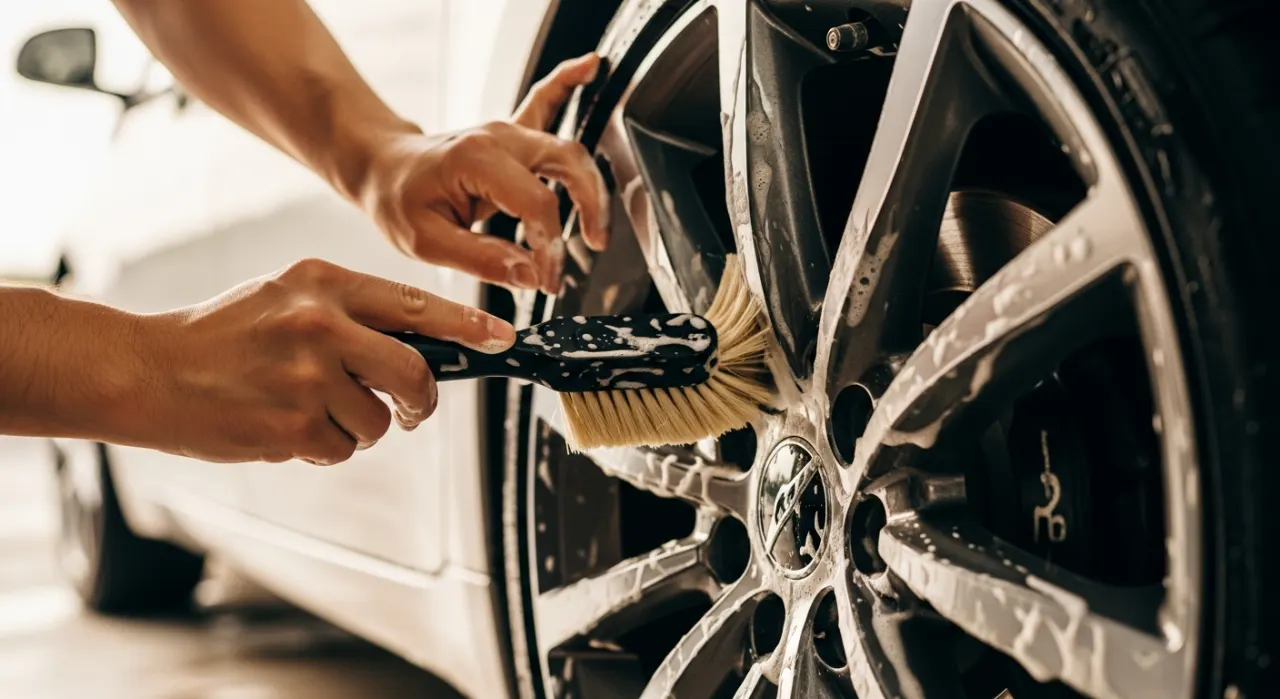
Alloy Wheels
Wheels cast or forged from an aluminum alloy (occasionally magnesium). Lighter, stiffer for their weight, and the default fitment on nearly every modern car sold with anything above a base trim.
Best for: Daily drivers, performance cars, and anyone who wants lighter unsprung weight, better looks and factory-correct fitment year-round
Typically $120–$400+ each aftermarket; a bare factory alloy replacement often $150–$500
- Noticeably lighter than steel, cutting unsprung and rotating mass for sharper steering and a small MPG gain
- Better heat dissipation, which helps brakes stay cooler on long descents and spirited driving
- Huge range of finishes and designs — the reason almost all mid and upper trims ship on alloy
- Stiffer for a given weight, so steering response feels more direct
- Do not rust; a clear-coated alloy shrugs off surface corrosion that eats bare steel
- Crack or shatter on a hard pothole hit where steel would only bend
- Costly to repair or replace, and curb rash is permanent without refinishing
- Clear-coat can peel and pit over years of brake dust and road salt
- Cast alloys can be brittle; only pricier forged or flow-formed wheels close the toughness gap
Steel Wheels
Stamped-steel wheels, usually hidden behind a plastic hubcap. Heavier and plainer, but nearly indestructible and cheap — the classic winter and work-truck choice.
Best for: Dedicated winter/snow tire sets, work trucks, budget builds, and anyone in a heavy pothole or salt belt
Typically $50–$120 each; a full winter steel set is often the cheapest way to run a second set
- Cheap — often less than half the price of a comparable alloy
- Extremely tough: a hard hit bends the rim rather than cracking it, and a bent steel rim can often be hammered back
- Ideal for a bolt-on winter tire set you swap seasonally to protect nicer alloys from salt
- Simple to repair and shrug off curb scrapes that would ruin an alloy
- Heavier — more unsprung and rotating mass dulls acceleration, braking and steering feel
- Rust: bare or chipped steel corrodes, especially in salted winters
- Limited sizing and plain looks; usually needs a hubcap to not look bargain-basement
- Poorer brake cooling than an open alloy design
How they score, side by side
Scores reflect aggregated owner reviews and expert consensus — not our own bench testing.
- Lightness / handling95
- Impact toughness59
- Looks / finish options93
- Corrosion resistance94
- Value for money69
- Winter / harsh-use fit510
Spec-by-spec comparison chart
| Factor | Alloy Wheels | Steel Wheels |
|---|---|---|
| Material | Aluminum alloy (some magnesium) | Stamped steel |
| Relative weight | Lighter (often 15–30% less) | Heavier |
| Impact behavior | Can crack or shatter on hard hits | Bends rather than cracks; often re-bendable |
| Rust resistance | Excellent (does not rust) | Poor — corrodes where coating chips |
| Brake cooling | Better — open designs shed heat | Worse — solid face traps heat |
| Looks & finishes | Wide range; the styling default | Plain; usually hidden by a hubcap |
| Price each | $120–$400+ aftermarket | $50–$120 |
| Repairability | Costly; refinish or replace | Cheap; often hammer/weld back |
| Best season/use | Year-round, performance, daily | Winter set, work truck, budget |
| Factory fitment | Standard on most mid/upper trims | Base trims & fleet vehicles |
Our Top 3 Picks
The three highest-rated options in this category, if you'd rather skip straight to a proven pick.
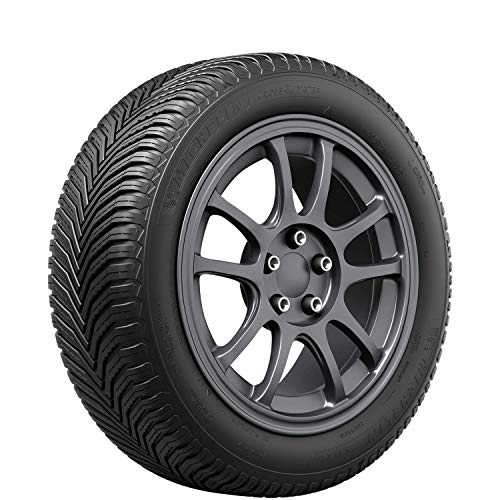
Best for the best all-round grip, wear and light-snow ability
- V-shaped tread with 3-peak-mountain-snowflake rating
- Class-leading wet and dry braking
- 60,000-mile treadwear warranty
- Real light-snow traction for an all-season
Why buy it: the tire owners and experts keep crowning as the best all-rounder — it brakes shorter in the wet than most rivals and genuinely handles snow, so it fits almost any driver in a four-season climate.

Best for the longest tread life on a sedan or minivan
- Up to 80,000-mile treadwear warranty
- Quiet, comfortable highway ride
- Strong wet grip and even wear
- Michelin’s longest-lasting all-season
Why buy it: the set-and-forget touring tire owners rate for outlasting everything else — fit it once and forget about tires for years.

Best for premium wet braking at a mid-range price
- Up to 80,000-mile treadwear warranty
- EcoPlus compound for shorter wet stops
- Fuel-efficient, low rolling resistance
- Wear indicators built into the tread
Why buy it: a hugely popular touring tire that delivers premium-brand wet performance and an 80k warranty for less than the flagships.
Prices are pulled from Amazon and were accurate as of Aug 22, 2026, 6:54 PM EDT. Product prices and availability are subject to change — the live price is shown on Amazon.
What actually separates alloy from steel
Both wheels do the same fundamental job — mount the tire, transmit power and braking, and carry the car's weight — but they are made from completely different materials, and that single choice cascades into weight, price, toughness and looks.
A steel wheel is stamped and welded from sheet steel. It is heavy, plain, and cheap, and on a base-trim car it is almost always hidden behind a plastic hubcap. Because steel is ductile, a hard impact tends to bend the rim rather than crack it — and a bent steel rim can frequently be hammered or pressed back into shape at a tire shop for very little money.
An alloy wheel is cast, flow-formed, or forged from an aluminum alloy (a small number of race and specialty wheels use magnesium — the original meaning of "mag wheels"). Aluminum is far lighter than steel for the same strength, which is the whole point: less weight at each corner. Alloys are also stiffer for their weight, dissipate brake heat better through their open designs, and come in essentially unlimited finishes, which is why nearly every car above a stripped base trim ships on them.
The consensus among mechanics and tire shops is simple: alloys are the better all-around wheel for how the car drives and looks, while steel is the better disposable wheel for punishment. Neither is "wrong" — they solve different problems, and plenty of enthusiasts own both.
Weight, unsprung mass and how they drive
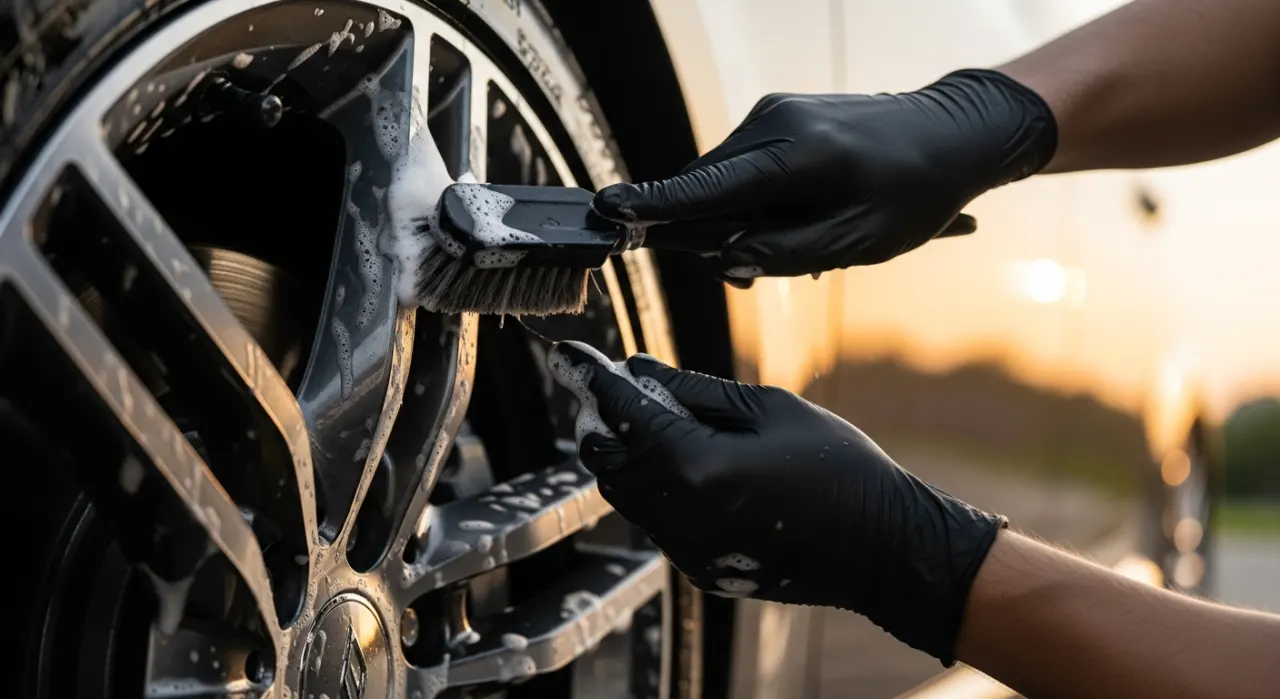
The headline advantage of alloy is weight, and it matters more than the raw number suggests because a wheel is unsprung and rotating mass. Unsprung weight is everything not supported by the springs — wheels, tires, brakes — and the suspension has to control all of it over every bump. Rotating mass has to be accelerated and braked every time you speed up or slow down. Cutting weight there does more for how a car feels than cutting the same weight from the body.
A typical alloy runs meaningfully lighter than a comparable steel wheel of the same size — often on the order of several pounds per corner, though it varies widely by size and construction. Owners and tire shops consistently report that swapping heavy steels for lighter alloys produces:
- Sharper steering response, because there is less mass for the suspension to fight over bumps.
- Slightly quicker acceleration and braking, since less rotating mass has to be spun up and stopped.
- A small but real fuel-economy gain — less rotating and unsprung mass is easier to move, though don't expect miracles.
- Better ride compliance, as the lighter wheel follows road irregularities more faithfully.
One important nuance: not all alloys are light. A big, heavy, chrome-finished cast alloy in a large diameter can actually weigh as much as or more than a small steel wheel. If weight is your goal, the construction matters — forged and flow-formed alloys are the lightest, plain cast alloys less so. But like-for-like, at the same size, alloy is the lighter material every time.
Toughness: which one survives a pothole
This is where steel earns its reputation, and where the honest answer surprises people who assume "more expensive equals tougher." When you slam a wheel into a deep pothole or a curb at speed, the two materials fail in opposite ways:
- Steel bends. It deforms and absorbs the hit. You may end up with a wobble or a slow leak, but the wheel is usually salvageable — a shop can often press or hammer it back into round for a modest fee.
- Alloy cracks. Aluminum is stronger for its weight but more brittle. A hard enough impact can crack or even shatter the rim outright, and a cracked alloy is generally scrap — it can't be safely straightened and repair-welding a structural crack is risky.
That difference is exactly why fleets, work trucks, and drivers in pothole-riddled cities lean toward steel: it fails cheaply and gracefully. It is also why a dedicated off-road or overlanding set is frequently steel — you can beat on it, bend it on a trail, and bang it back at camp.
The caveat is construction. A cheap cast alloy is the most crack-prone; a forged or flow-formed alloy is dramatically tougher and closes much of the gap, which is why serious performance and off-road alloys use those methods. But you pay for it — forged wheels are the priciest of all. Dollar for dollar, steel is still the most impact-forgiving wheel you can bolt on.
Why steel wins for winter and work duty
If there is one clear win for steel on a modern car, it is a dedicated winter tire set, and the reasoning is entirely practical. Winter driving throws two things at your wheels that make steel the smart choice:
- Road salt and brine. These chew through wheel finishes. Running your nice alloys through a salted winter pits and corrodes the clear-coat over time. A cheap steel set takes the abuse instead, and if it rusts, who cares — it's a $60 wheel.
- Potholes. Winter road damage is at its worst, and frost-heaved potholes are exactly the hard hits that crack alloys and merely bend steel.
Because a steel winter set is so cheap, mounting a set of dedicated snow tires on steel wheels also saves money over the long run: you avoid paying to have tires dismounted and remounted twice a year (which risks scratching alloys), and swapping a bolted-on wheel takes minutes. The strong consensus among snow-belt drivers is that a second set of steel wheels with winter tires is one of the best value moves in car ownership — it protects the alloys, improves winter grip, and pays for itself in avoided tire-changing labor.
The same logic applies to work trucks and trailers: cheap, tough, replaceable, and rust that's cosmetic-only on a vehicle nobody's babying. Looks simply aren't the priority, so steel's one real weakness doesn't count against it.
Real cost over the life of the car
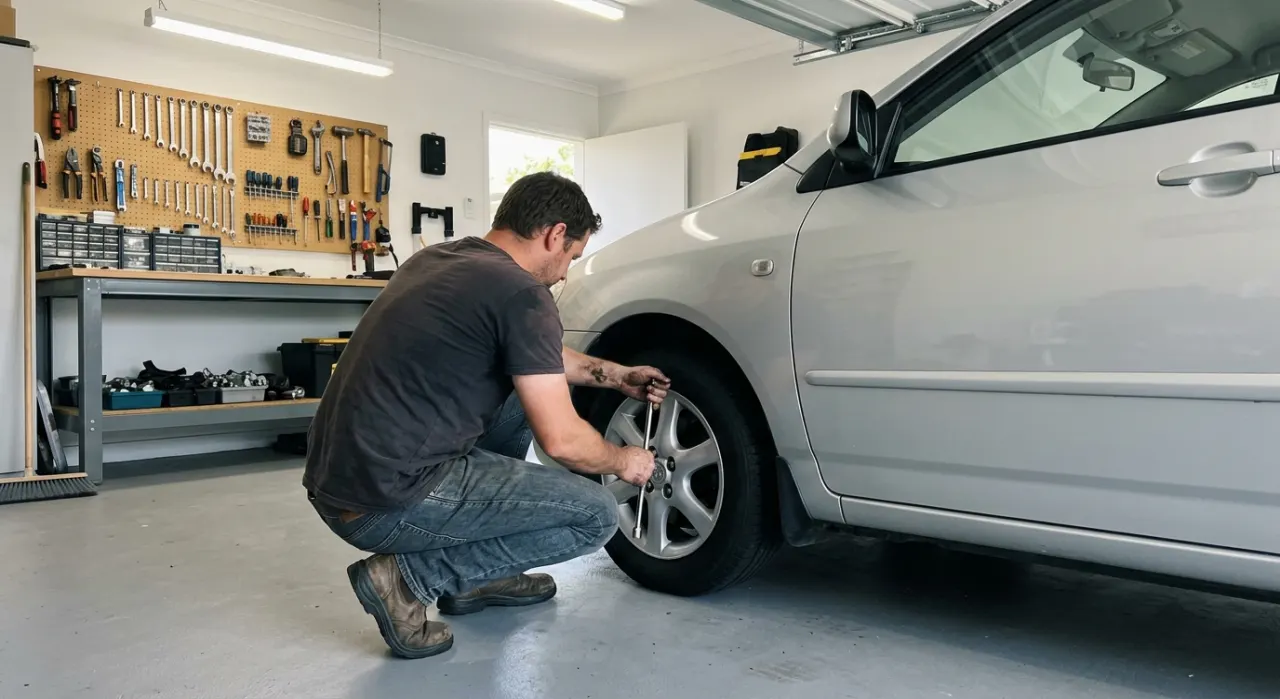
On sticker price, steel wins easily — often less than half the cost of a comparable alloy, with base steel wheels as low as $50–$80 each against $120–$400+ for aftermarket alloys and even more for forged. But the honest lifetime picture is more nuanced and depends heavily on how and where you drive.
Where alloy costs more over time: replacement after a crack is expensive, curb rash requires refinishing to fix, and running them through salted winters shortens finish life. A single cracked alloy from a bad pothole can cost several hundred dollars to replace, where a steel wheel from the same hit might be free to fix.
Where alloy pays you back: the small fuel-economy edge from lighter rotating mass, the better resale and curb appeal, and — critically — the fact that they're what the car came with, so you're not fighting fitment, sensor, or hubcap issues. For most owners who avoid catastrophic potholes, a set of factory or quality aftermarket alloys lasts the life of the car with only the occasional refinish.
The best-value strategy most enthusiasts land on is a hybrid: keep quality alloys for three seasons and buy a cheap steel set for winter tires. That protects the expensive wheels from salt and pothole season, gives proper winter grip, and the steel set typically pays for itself within a couple of years in avoided seasonal tire-mounting fees.
Common myths and mistakes
"Alloys are always stronger because they cost more." Not for impact. A cheap cast alloy is more likely to crack on a pothole than a steel wheel is to fail. Alloy is stronger for its weight, but steel is far more forgiving of hard hits. Only forged/flow-formed alloys are genuinely tough.
"Steel wheels will rust and fall apart fast." Coated steel wheels last for years, and even rusty ones stay structurally sound long after the finish looks rough. Surface rust on a winter wheel is cosmetic, not a safety issue — and it's exactly why you use cheap steel there instead of nice alloys.
"Bigger alloys always improve handling." Up to a point. Plus-sizing to a wider, lower-profile setup can sharpen turn-in, but big heavy alloys add rotating mass and a harsh ride, and increase crack risk with less sidewall to absorb hits. Weight and construction matter more than raw diameter.
"I can just run my alloys all winter, it's fine." You can, but salt will pit the finish over time and pothole season is when alloys crack. That's the exact scenario steel was made for — a cheap protective set is the smarter play in a salt or pothole belt.
"Mag wheels means any shiny alloy." Strictly, "mag" means magnesium, which is lighter still but rare, pricey, and mostly a motorsport material. The chrome or painted wheels on the street are aluminum alloy, not magnesium.
Which should you buy — and how to decide
For a single year-round set on a modern car, buy alloy. It's lighter, drives better, cools the brakes, resists rust, looks the part, and matches what your car was engineered around. That's the right call for the overwhelming majority of daily drivers and performance cars — which is why it wins here.
Buy steel when the job is punishment or a second set. A dedicated winter tire set, a work truck, a trailer, a budget beater, or an off-road rig you expect to abuse — steel's low cost and bend-don't-crack toughness beat alloy outright, and its plain looks and rust risk don't matter in those roles.
Do both if you live where winters are harsh. The enthusiast-favorite setup is quality alloys for three seasons plus a cheap bolted-on steel set carrying winter tires. It protects your nice wheels from salt and potholes, gives proper cold-weather grip, and the steel set pays for itself in saved tire-mounting labor.
Whichever you choose, match the wheel to correct bolt pattern, offset, center bore and load rating for your vehicle, keep your tire-pressure sensors in mind when buying a second set, and — for performance-minded alloy buyers — favor flow-formed or forged construction if you want the weight savings without the fragility.
Recommended Products
Our top picks in this category, ranked on aggregated owner reviews.
Best for the best all-round grip, wear and light-snow ability
- V-shaped tread with 3-peak-mountain-snowflake rating
- Class-leading wet and dry braking
- 60,000-mile treadwear warranty
- Real light-snow traction for an all-season
Why buy it: the tire owners and experts keep crowning as the best all-rounder — it brakes shorter in the wet than most rivals and genuinely handles snow, so it fits almost any driver in a four-season climate.
Best for the longest tread life on a sedan or minivan
- Up to 80,000-mile treadwear warranty
- Quiet, comfortable highway ride
- Strong wet grip and even wear
- Michelin’s longest-lasting all-season
Why buy it: the set-and-forget touring tire owners rate for outlasting everything else — fit it once and forget about tires for years.
Best for premium wet braking at a mid-range price
- Up to 80,000-mile treadwear warranty
- EcoPlus compound for shorter wet stops
- Fuel-efficient, low rolling resistance
- Wear indicators built into the tread
Why buy it: a hugely popular touring tire that delivers premium-brand wet performance and an 80k warranty for less than the flagships.

Best for the most tire for the money
- Up to 75,000-mile treadwear warranty
- "Replace Tire" wear indicator in the tread
- Reliable wet braking and light-snow grip
- Backed by Continental’s parent company
Why buy it: the value pick owners rate again and again — a genuinely good touring tire with a 75k warranty at a bargain price.

Best for confidence in rain and winter slush
- 3-peak-mountain-snowflake certified
- Evolving Traction Grooves for wet grip
- 60,000-mile treadwear warranty
- Strong all-weather safety focus
Why buy it: the pick for drivers who see a lot of rain and the occasional storm — a true all-weather tire that carries the winter certification most all-seasons lack.

Best for sporty cars that still need year-round use
- Ultra-high-performance all-season design
- Excellent dry, wet and light-snow grip
- Tread wear indicators (DWS letters)
- A perennial enthusiast favorite
Why buy it: the enthusiast’s all-season — near-summer-tire dry grip with real wet and light-snow ability, so a sports sedan can run one set all year.
Prices are pulled from Amazon and were accurate as of Aug 22, 2026, 6:54 PM EDT. Product prices and availability are subject to change — the live price is shown on Amazon.