
Affiliate Disclosure
Some links on this page are affiliate links. As an Amazon Associate, we earn from qualifying purchases — at no extra cost to you. We do not buy, test, or physically handle the products we cover; our rankings come from aggregated owner reviews, ratings and expert consensus. Commissions never change our verdicts. How we rank & full disclosure.
Ceramic Coating
A semi-permanent liquid polymer — usually SiO2 (silica) or SiC (silicon carbide) — that chemically bonds to the clear coat and cures into a hard, glassy protective layer. It is the most durable paint protection you can apply short of paint protection film.
Best for: Owners who keep a car for years, will do (or pay for) proper prep, and want multi-year protection and easy washing
DIY consumer kits $50–$150; professional installs $500–$2,000+ depending on prep and layers
- Longest-lasting protection of the two — reputable coatings hold up 2–5 years, some claim longer
- Genuine chemical bond to the clear coat, not a temporary sit-on-top film
- Strong hydrophobics and slickness, so dirt and water sheet off and washing gets far easier
- Real UV and chemical resistance that slows oxidation, staining and bird-dropping etch
- Deep, glassy gloss that owners consistently rate as the best-looking finish
- Unforgiving prep — the paint must be decontaminated and usually polished first, or you lock in every swirl
- Far more expensive up front, especially for a professional multi-layer install
- Application is fussy: thin, even layers, tight flash times, and easy to leave high spots or streaks
- Not scratch-proof — "9H" is pencil hardness marketing, not armor against rock chips
Paint Sealant
A synthetic polymer protectant (typically acrylic or polymer resins) that bonds loosely to the paint and lays down a sacrificial protective layer. Think of it as a modern, longer-lasting synthetic evolution of wax.
Best for: Owners who want cheap, easy, forgiving protection and are happy to reapply a few times a year
Typically $15–$40 a bottle; spray and liquid forms; many applications per bottle
- Cheap and widely available — a fraction of the cost of any ceramic option
- Very forgiving to apply: wipe on, wipe off, hard to truly mess up
- No mandatory paint correction — you can seal a decent finish in an afternoon
- Good hydrophobics and gloss for the money, and easy to top up any time
- Short lifespan — most sealants last roughly 3–6 months before they need reapplying
- Sits on the paint rather than bonding hard, so it wears with washing and weather
- Less UV, chemical and etch resistance than a cured ceramic layer
- Costs more labor over years because you reapply several times per coating cycle
How they score, side by side
Scores reflect aggregated owner reviews and expert consensus — not our own bench testing.
- Durability / longevity94
- Gloss & finish97
- Ease of application49
- Value up front49
- Protection (UV / chemical / etch)96
- Forgiving of mistakes49
Spec-by-spec comparison chart
| Factor | Ceramic Coating | Paint Sealant |
|---|---|---|
| What it is | SiO2 / SiC polymer that bonds to clear coat | Synthetic acrylic / polymer sealant on the paint |
| Typical durability | 2–5 years (reputable products) | ~3–6 months per application |
| Bond type | Chemical — cures into a hard layer | Adheres loosely — sacrificial layer |
| Prep required | Heavy: decontaminate + usually polish/correct | Light: wash, clay optional, apply |
| DIY difficulty | Moderate–hard (flash times, high spots) | Easy — wipe on, wipe off |
| UV & chemical resistance | High | Moderate |
| Hydrophobics / water beading | Very strong and long-lasting | Good but fades over months |
| Cost up front | $50–$150 DIY; $500–$2,000+ pro | $15–$40 per bottle |
| Cost over 3 years | One coating cycle (+ prep) | Multiple reapplications |
| Scratch protection | Marginal — resists marring, not rock chips | Minimal |
Our Top 3 Picks
The three highest-rated options in this category, if you'd rather skip straight to a proven pick.

Best for the best DIY durability and gloss
- Graphene-infused hardness
- 2–5 year durability
- Slick, high-gloss finish
- Beginner-friendly kit
Why buy it: the best all-round DIY kit — long life and an easy application.

Best for maximum longevity
- Pro-grade hardness
- 2+ year protection
- Deep, warm gloss
Why buy it: a detailer favorite that survives years with proper prep.

Best for fast spray-on protection
- Spray-on / wipe-off
- SiO2 hydrophobic layer
- Great for beginners
Why buy it: spray-on ceramic protection in minutes with no cure fuss.
Prices are pulled from Amazon and were accurate as of Aug 22, 2026, 6:54 PM EDT. Product prices and availability are subject to change — the live price is shown on Amazon.
What actually separates a coating from a sealant
On the shelf they can look interchangeable — both promise gloss, water beading and "protection" — but they work in fundamentally different ways, and that difference drives every trade-off below.
A paint sealant is a synthetic polymer, usually built from acrylic or polymer resins, that lays a thin sacrificial layer over your clear coat. It adheres to the paint but does not truly bond into it, so it behaves like a modern, longer-lived evolution of carnauba wax. It shines, it beads water, and it slows contamination — but it wears away with washing, rain and UV, which is why it needs reapplying every few months.
A ceramic coating is a different animal. Most consumer and professional coatings are silica-based (SiO2), with some higher-end products using silicon carbide (SiC). When applied to clean clear coat and left to cure, the liquid cross-links into a hard, glass-like layer that is chemically bonded to the paint rather than sitting on top of it. That bonded layer is what delivers the multi-year lifespan, the strong hydrophobics, and the resistance to UV, chemicals and light etching that a sealant simply cannot match.
The consensus among detailers is the cleanest way to hold the distinction: a sealant is temporary protection you top up; a ceramic coating is semi-permanent protection you commit to. One is a maintenance product, the other is closer to a small paint project. Neither is "better" in the abstract — they are aimed at different owners and different tolerances for effort and cost.
Durability and how long each really lasts
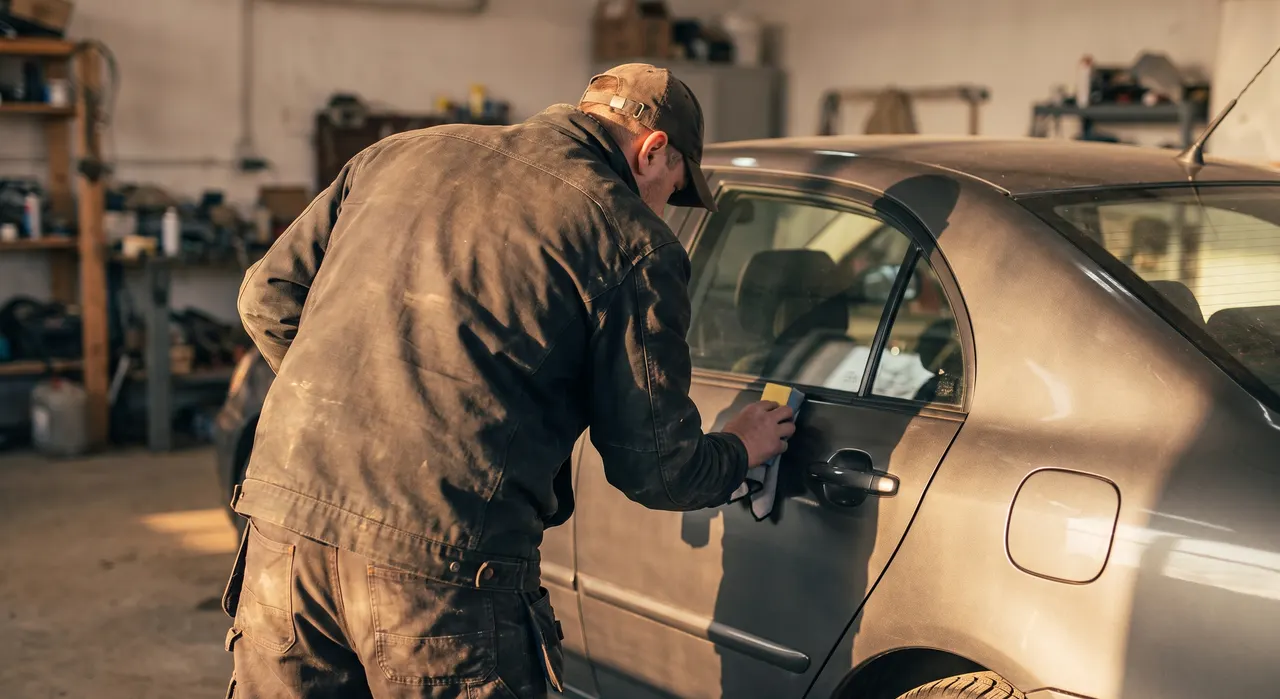
Longevity is where the two split most dramatically, and it is the single number most people are actually shopping for.
A quality ceramic coating realistically lasts two to five years. Marketing that promises seven, nine or "lifetime" durability should be read with heavy skepticism — real-world lifespan depends on wash habits, climate, whether the car is garaged, and how well it was applied. But even the conservative two-to-three-year figure dwarfs a sealant, and owners consistently report that the slick, self-cleaning behavior holds for a year or more before it starts to fade.
A paint sealant, by contrast, is a three-to-six-month product for most formulas. Some newer SiO2-infused "ceramic sealants" and spray sealants stretch toward the longer end or even a year in mild conditions, but the honest planning number is a couple of reapplications a year to keep protection continuous. That is not a flaw — it is the design. A sealant trades longevity for the ability to refresh the finish cheaply whenever you like.
One nuance worth understanding: durability is not the same as hardness. Ceramic coatings are marketed with a "9H" rating, and that is genuinely misleading. The 9H figure comes from a pencil hardness scale that tops out at 9H — it does not mean the coating is harder than steel or immune to scratches. A coating resists light wash marring and makes swirls less likely, but it will not stop a rock chip or a careless key. Treat both products as protection against contamination and chemistry, not as armor.
Prep: the factor that decides everything
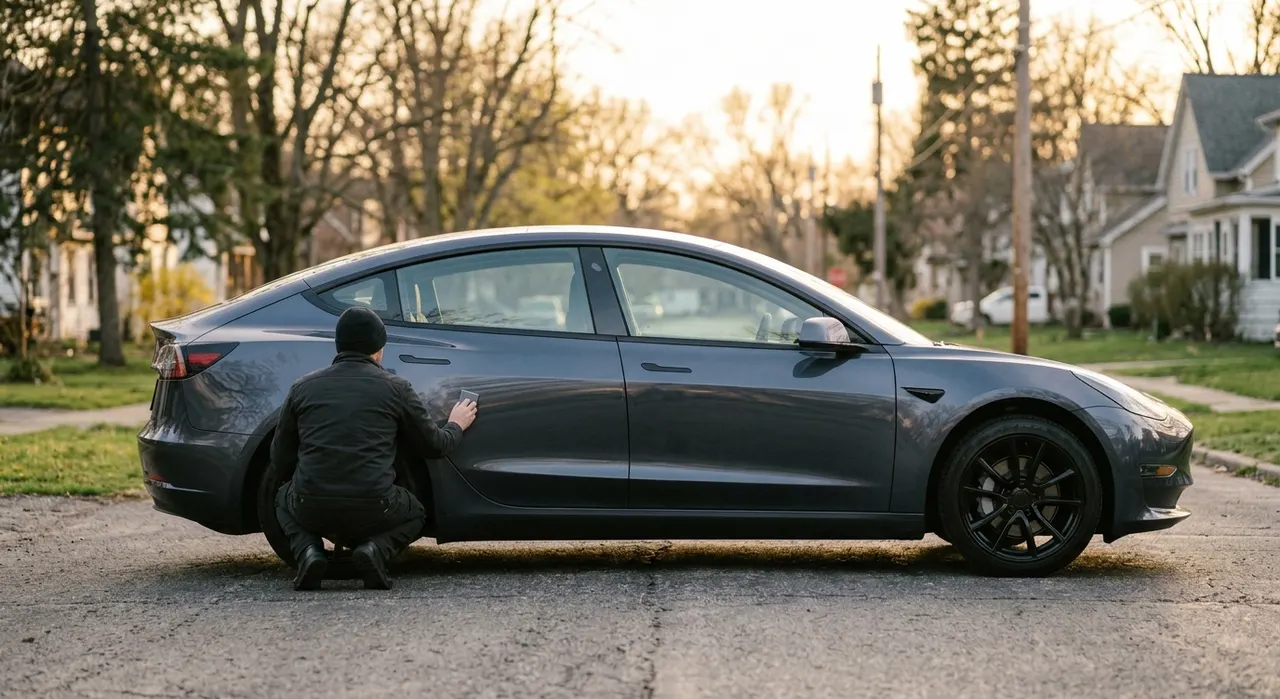
If you take one thing from this comparison, make it this: the prep gap between the two is bigger than the product gap. This is where most disappointing ceramic jobs go wrong, and it is the reason a sealant is the right call for a lot of owners.
Because a ceramic coating bonds hard and lasts years, it is completely unforgiving of what is under it. Whatever the paint looks like the moment you apply — every swirl, water spot and bit of embedded contamination — gets sealed in for the life of the coating. Proper ceramic prep therefore means a thorough wash, a chemical decontamination (iron remover and often a clay bar), and in most cases a stage of machine polishing to correct swirls before coating. Skip the correction and you lock defects under a two-to-five-year layer, which is the classic regret detailers hear about.
A sealant asks almost none of that. Because it is temporary and sits on the surface, you can wash the car, optionally clay it, and wipe the sealant on the same afternoon. If the finish underneath is imperfect, it is no tragedy — you will be reapplying in a few months anyway, and you can correct the paint any time without fighting a bonded layer. That forgiveness is a real, underrated advantage for anyone who is not set up to polish paint.
The practical read: a ceramic coating is only worth its price on paint you are willing to prep to a high standard, either yourself or through a professional detailer. If you are not going to decontaminate and polish first, a sealant will give you a better honest outcome for far less money and stress.
Real cost and value over three years
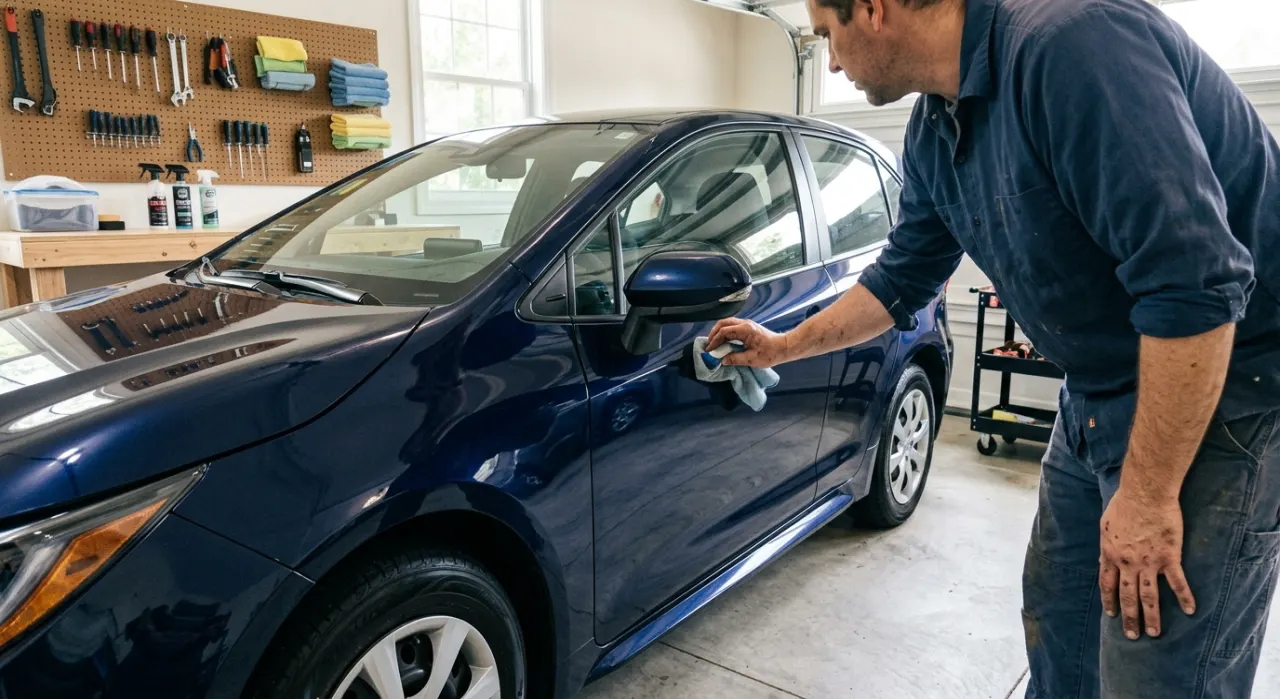
The sticker prices look lopsided, but the honest comparison is the full cost over a coating cycle, because a sealant's low price is offset by how often you buy and apply it.
A DIY ceramic kit runs roughly $50–$150 and typically covers a car with a layer or two. A professional ceramic install is a different tier entirely — commonly $500–$2,000+ once you factor in the mandatory paint correction, multiple layers, and shop time. That is a real chunk of money, but it buys years of protection and dramatically easier washing, and on a car you keep long-term it can be reasonable value per year.
A sealant is $15–$40 a bottle, and a bottle covers many applications. Over three years, though, you might reapply six to ten times, plus the wash and prep time each round. The materials stay cheap, but the labor — your afternoons, or a detailer's recurring fee — adds up. For an owner who enjoys detailing and likes refreshing the finish, that recurring effort is a feature. For someone who wants to set it and forget it, it is a nagging chore that a ceramic coating removes.
So the value verdict is genuinely split. Over three years on a car you keep and prep well, a single ceramic cycle can beat a stack of sealant reapplications on both effort and gloss retention. Over the same period on a lease, a flip, or a car whose paint you will not correct, the cheap and flexible sealant is the smarter money.
Common myths and mistakes
"9H ceramic means it's scratch-proof." No. The 9H rating is from a pencil hardness scale that tops out at 9H — it is not a measure of impact or scratch resistance. A coating resists light wash marring, but rock chips, keys and careless brushes still scratch it. Neither product replaces paint protection film for physical impact.
"A ceramic coating means I never have to wash the car." No. It makes washing far easier and helps dirt release, but the car still gets dirty and still needs regular, careful washing. Neglect actually shortens a coating's life, and improper washing marks it just like any paint.
"I'll just ceramic-coat over my swirls to hide them." This is the most expensive mistake owners make. A coating does not fill or hide defects — it seals them in for years. If swirls bother you, they must be polished out before coating, or you commit to looking at them for the coating's whole life.
"Sealant is just old-fashioned wax." Not quite. A synthetic sealant generally outlasts carnauba wax and offers better chemical resistance, even though it is still a temporary product. Modern SiO2-infused sealants blur the line further, edging toward coating-like beading without the prep demands.
"Cheaper is always fine — a sealant does the same thing." For casual protection, often yes. But if you want years of hands-off durability and the deepest gloss, a sealant physically cannot deliver a coating's lifespan. Match the product to the outcome you actually want, not just the lowest price.
Which should you buy — and how to decide
There is no universal winner here — it is a real fork, and the right branch depends on you, not the products. Decide with three honest questions: How long will you keep the car? Will you (or a pro) properly prep and correct the paint first? And how much recurring effort are you willing to spend?
Buy a ceramic coating if you keep vehicles for years, you will decontaminate and machine-polish the paint before applying (or pay a detailer who will), and you want the longest-lasting protection, the slickest self-cleaning behavior, and the deepest gloss. Set realistic expectations — two to five years, not "lifetime" — and budget for proper prep, because prep is what makes or breaks the result.
Buy a paint sealant if you want cheap, forgiving protection you can apply in an afternoon without correcting the paint, you do not mind reapplying a few times a year, or the car is a short-term keeper, a lease or a flip. It gives excellent gloss-per-dollar and lets you refresh the finish any time.
A middle path many owners land on: run a good sealant now, and save a ceramic coating for after you have properly corrected the paint — so the years-long layer goes down over a finish worth protecting. Match the product to how long you keep the car and how much prep you will really do, and the "which one" question answers itself.
Recommended Products
Our top picks in this category, ranked on aggregated owner reviews.
Best for the best DIY durability and gloss
- Graphene-infused hardness
- 2–5 year durability
- Slick, high-gloss finish
- Beginner-friendly kit
Why buy it: the best all-round DIY kit — long life and an easy application.
Best for maximum longevity
- Pro-grade hardness
- 2+ year protection
- Deep, warm gloss
Why buy it: a detailer favorite that survives years with proper prep.
Best for fast spray-on protection
- Spray-on / wipe-off
- SiO2 hydrophobic layer
- Great for beginners
Why buy it: spray-on ceramic protection in minutes with no cure fuss.

Best for the closest thing to a pro coating
- Near-professional hardness
- 5+ year durability
- Superb chemical resistance
Why buy it: pro-tier protection you can still apply at home.
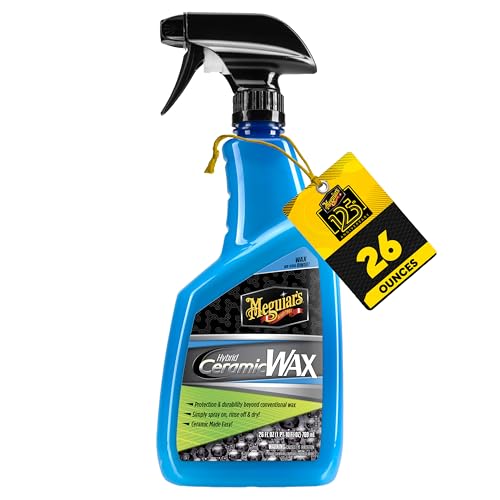
Best for cheap ceramic beading
- Spray on wet or dry
- Strong water beading
- Cheapest per use
Why buy it: the cheapest way to get ceramic-style beading fast.

Best for a complete beginner bundle
- Coating + applicators included
- Simple instructions
- Widely available
Why buy it: an all-in-one beginner bundle with everything you need.
Prices are pulled from Amazon and were accurate as of Aug 22, 2026, 6:54 PM EDT. Product prices and availability are subject to change — the live price is shown on Amazon.