
Affiliate Disclosure
Some links on this page are affiliate links. As an Amazon Associate, we earn from qualifying purchases — at no extra cost to you. We do not buy, test, or physically handle the products we cover; our rankings come from aggregated owner reviews, ratings and expert consensus. Commissions never change our verdicts. How we rank & full disclosure.
Cold Air Intake
An aftermarket kit that swaps the factory airbox for a wider intake tube and a conical filter, usually with a heat shield or a duct that pulls air from the fender or bumper. The pitch is more airflow, louder induction and quicker throttle response.
Best for: Enthusiasts chasing intake sound, throttle feel, and modified or turbocharged builds running a supporting tune
Typically $150–$400+ for a kit, plus $15–$60 per filter cleaning kit and possibly a tune
- Noticeably louder, more aggressive induction growl under throttle
- Slightly crisper throttle response that many owners genuinely feel
- Real, if modest, gains on tuned and forced-induction engines that can use the extra flow
- Reusable filter — clean and re-oil instead of buying a new element
- Opens the door to further intake and boost mods down the line
- Dyno gains on a stock naturally aspirated engine are usually small — often single digits
- Oiled cotton filters can over-oil and foul the MAF sensor, throwing a check-engine light
- Short-ram and open designs can pull hot underhood air, cancelling the "cold" benefit
- Needs a CARB EO number to stay street-legal in emissions states, and can affect warranty claims
Stock (OEM) Airbox
The factory intake system: a sealed airbox with a pleated paper filter, tuned resonators, and a duct that already draws cooler air from the cowl or fender. It is engineered for filtration, quiet and emissions compliance, not maximum flow.
Best for: Stock daily drivers who value filtration, quiet running, warranty peace of mind and near-zero cost
No upgrade cost; replacement paper filter runs about $15–$30 every 15,000–30,000 miles
- Excellent filtration from a high-efficiency pleated paper element
- Quiet — resonators are tuned to kill intake drone and boom
- Always emissions-legal and never a warranty question mark
- Already draws cool air from outside the engine bay via the factory duct
- Engineered for cost and noise, so it can restrict a heavily modified engine at high rpm
- Muffled induction sound with little of the character enthusiasts want
- Paper filters are single-use and get replaced, not cleaned
- A built or big-turbo setup will eventually outflow the factory box
How they score, side by side
Scores reflect aggregated owner reviews and expert consensus — not our own bench testing.
- Intake sound & character93
- Real power gain (stock NA)53
- Filtration quality69
- Value for money49
- Hassle-free ownership510
- Modding / build potential94
Spec-by-spec comparison chart
| Factor | Cold Air Intake | Stock (OEM) Airbox |
|---|---|---|
| Primary goal | More airflow + intake sound | Filtration, quiet & compliance |
| Filter type | Oiled cotton or dry synthetic cone | Pleated paper (dry) in a sealed box |
| Air source | Fender/bumper (true CAI) or engine bay (short ram) | Cowl/fender duct via factory box |
| Realistic gain, stock NA engine | About 3–8 hp, dyno- and platform-dependent | Baseline (0) |
| Intake sound | Noticeably louder induction growl | Quiet — resonators tuned for NVH |
| MAF / sensor risk | Oiled filters can foul the MAF; may need a tune | None — factory calibrated |
| Emissions legality | Needs a CARB EO number in emissions states | Always compliant (OEM) |
| Filtration quality | Debated; some oiled elements pass more dust | High-efficiency, well proven |
| Part cost | $150–$400+ kit | $0 upgrade; $15–$30 filter |
| Maintenance | Clean & re-oil roughly every 15k–100k | Replace paper filter ~15k–30k |
| Best on | Turbo / tuned or sound-seeking builds | Stock daily drivers & value |
Our Top 3 Picks
The three highest-rated options in this category, if you'd rather skip straight to a proven pick.

Best for the most bang-for-buck bolt-on airflow gain
- Washable, reusable cotton-gauze filter
- Polished aluminum intake tube
- Powder-coated heat shield included
- Vehicle-specific fit — check your model
Why buy it: the value default owners keep pointing beginners to — rated 4.5 across thousands of reviews for a real airflow and sound bump at a price that barely dents the build fund.

Best for the cheapest branded way to open up intake sound
- Universal cone filter and tube components
- Cotton-gauze element, cleanable
- Mix-and-match couplers and clamps
- Best for custom or open-element setups
Why buy it: the budget entry point — owners rate it 4.4 for a throaty intake growl and easy airflow gain, ideal if you want the sound and DIY flexibility on the cheap.

Best for the best-known washable filter and finish
- K&N cotton-gauze filter, ~100k-mile service
- Mandrel-bent tube for smooth flow
- Aggressive intake growl on throttle
- Model-specific fit — verify part number
Why buy it: the trusted-name pick — rated 4.6, owners praise the lifetime-washable K&N filter and clean bolt-in fit that turns intake noise into part of the fun.
Prices are pulled from Amazon and were accurate as of Aug 22, 2026, 6:54 PM EDT. Product prices and availability are subject to change — the live price is shown on Amazon.
What separates a cold air intake from stock
Both systems do the same fundamental thing — feed filtered air to the engine — but they optimize for opposite priorities. Understanding that split is the whole ballgame, because it explains why an intake swap feels dramatic and yet barely moves the dyno.
The stock airbox is a sealed plastic box with a pleated paper filter. It is engineered around three things the factory cares about: clean air, quiet running, and passing emissions for the life of the car. To do that, it draws air from a cool spot — usually the cowl or an inner-fender duct — and routes it through resonators (small Helmholtz chambers) tuned to cancel intake drone. It is deliberately conservative. The one thing it is not optimized for is maximum airflow, because on a stock engine the factory box already flows more than the motor needs.
A cold air intake throws out that box and replaces it with a wider-diameter tube and an exposed conical filter, usually oiled cotton or dry synthetic. There are three common flavors, and they are not equal:
- True cold air intake: the filter is relocated low, out to the fender or behind the bumper, so it sits in genuinely cooler air. Best-case for intake temperatures, but the lowest ones flirt with hydrolock risk in deep water.
- Enclosed / sealed intake: keeps the filter in the engine bay but wraps it in a heat shield sealed to the hood or fender duct. The sensible middle ground — cool air without the water risk — and what most honest reviewers recommend.
- Short-ram intake (SRI): a bare cone hanging in the open engine bay. It sounds the loudest and installs the easiest, but it is literally breathing hot underhood air, which is the opposite of "cold." Great growl, questionable gains.
So "cold air intake vs stock" is really a trade: you give up the factory's filtration, quiet and guaranteed legality in exchange for sound, a little throttle sharpness, and headroom for future mods. Whether that trade is worth it depends entirely on your engine and your goals.
Do cold air intakes actually add power?
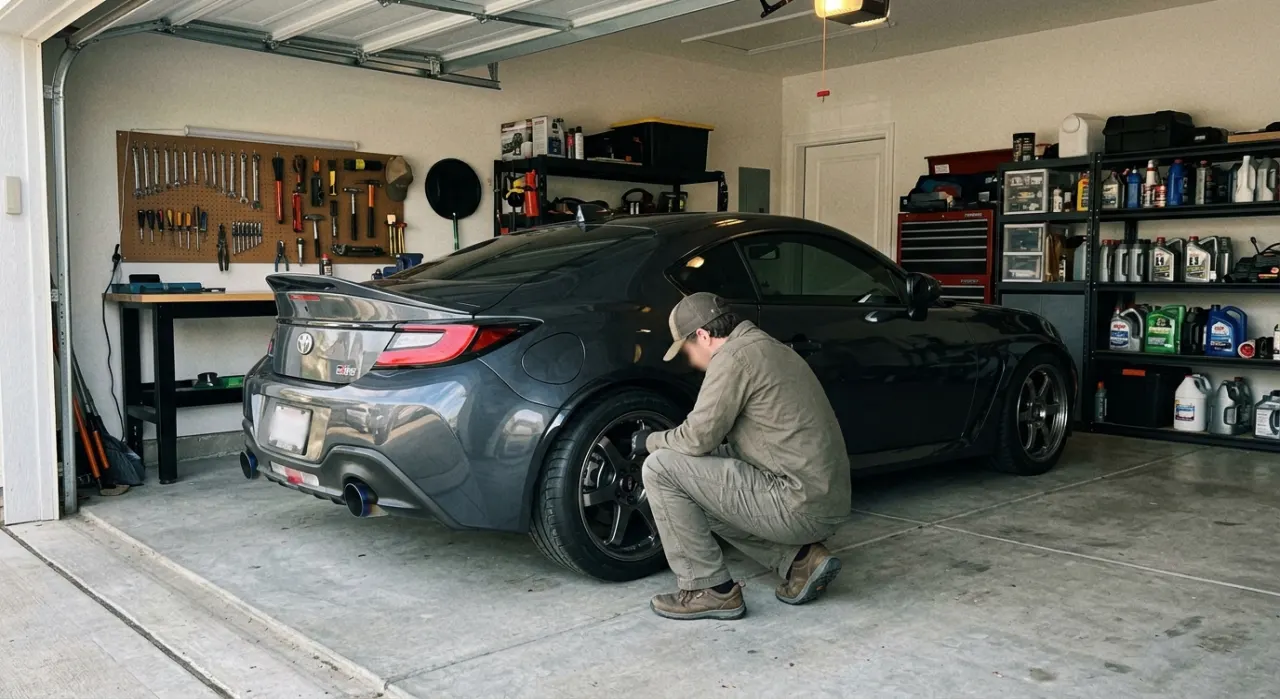
This is the question that sells kits, and the honest answer disappoints a lot of people. On a stock naturally aspirated engine, aggregated dyno results and owner reports consistently land in the low single digits — commonly around 3 to 8 horsepower, and sometimes effectively nothing once you account for a warm engine bay and dyno-to-dyno variance. The factory intake simply was not the bottleneck, so removing "restriction" that the engine wasn't hitting yields little.
Two things change that math. First, a tune: once you recalibrate the fuel and spark to actually take advantage of more air, the intake becomes one supporting piece of a larger package rather than a standalone mod. Second, forced induction: turbo and supercharged engines move far more air, so a freer-flowing intake and a less restrictive filter can meaningfully reduce intake-air temperatures and pressure drop, especially at higher boost. On those builds the consensus is that a good intake is worth having — as part of a plan, not as a bolt-on miracle.
What almost every owner does notice, regardless of dyno numbers, is the sound and throttle response. The induction growl is real and immediate, and the sharper intake note tricks your right foot into feeling a quicker car even when peak power barely moved. That is a legitimate reason to buy one — just be honest with yourself that you are buying character, not a dyno chart.
Filtration, MAF sensors and reliability
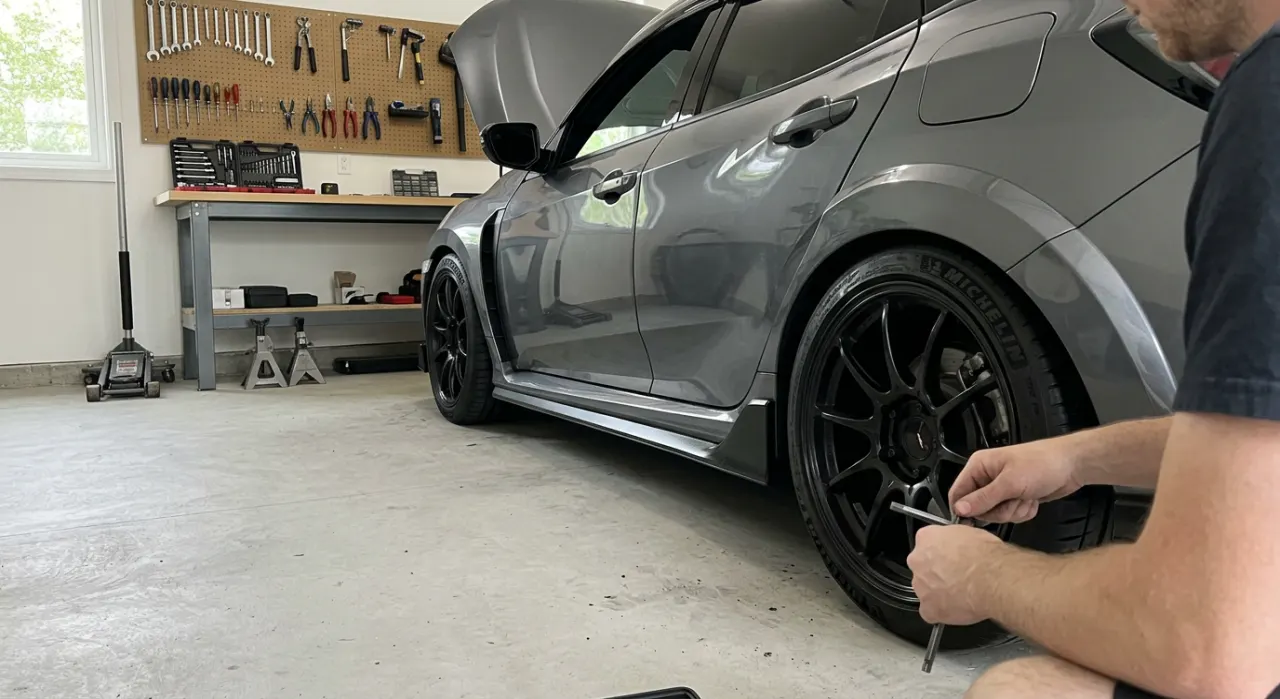
Here is where the stock box quietly wins, and where cheap intakes cause the most grief. The factory paper element is a high-efficiency filter that traps very fine dust, and it lives in a sealed box so all the air the engine breathes passes through it. Many aftermarket cones — particularly oiled cotton designs — flow more air partly because they filter a little less finely. For a street car this is usually not catastrophic, but it is a real trade the marketing rarely mentions.
The bigger reliability issue is the mass airflow (MAF) sensor. Oiled cotton filters need periodic cleaning and re-oiling, and over-oiling is the classic mistake. Excess oil migrates downstream and coats the delicate MAF sensor wire, skewing its readings. The result shows up as rough idle, hesitation, poor fuel economy or a check-engine light — problems owners often chase for weeks before realizing the filter caused them. Dry synthetic filters sidestep this entirely, which is why a lot of experienced enthusiasts now prefer them.
There is also intake-air temperature. An open filter sitting in the engine bay can pull air that is 30–50°F hotter than ambient, and hotter air is less dense, which works directly against the power you were chasing. A sealed enclosure or a true cold-air duct is what actually delivers the cooler charge the name promises. Skip the heat management and a short-ram intake can genuinely make less power than the stock box on a hot day.
Emissions legality and your warranty
This is the part that catches people out after they buy. In emissions-controlled states — California most strictly, plus the states that follow CARB rules — an intake is only street-legal if it carries a CARB Executive Order (EO) number proving it was certified not to increase emissions. Plenty of popular kits do not have one, which means they can fail a visual smog inspection even if the car runs clean. The stock airbox never has this problem.
Warranty is the other consideration. Under the Magnuson-Moss Warranty Act a manufacturer can't void your entire warranty just because you fitted an aftermarket part, but they can deny a specific claim if they show the part caused the failure. An oiled filter that fouled the MAF, or an intake that let in debris, is exactly the kind of thing a dealer will point to. If the car is new and under warranty, that risk is worth weighing honestly against a few horsepower.
Real cost and value over time
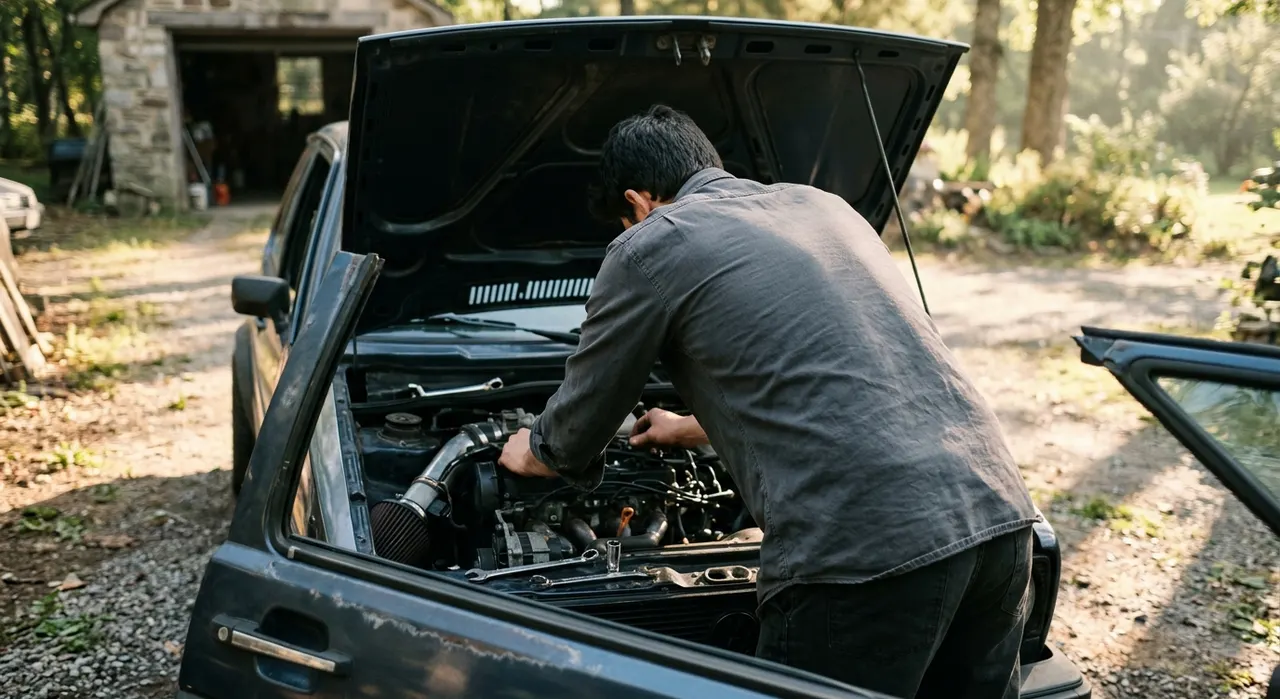
The value gap is wide. The stock airbox costs you nothing to keep, and its only running cost is a paper filter — roughly $15–$30 every 15,000 to 30,000 miles. A cold air intake is a $150–$400+ kit up front, and if you go with an oiled filter you'll buy a $15–$60 cleaning-and-oiling kit on top. Add a tune to actually realize gains and you're several hundred dollars deeper.
Measured as dollars per horsepower on a stock naturally aspirated car, an intake is one of the worst-value power mods you can buy — you're often paying triple digits for low-single-digit gains. That framing is unfair, though, if power isn't why you're buying it. As a sound-and-feel upgrade the intake is reasonably priced entertainment, and the reusable filter means you're not buying paper elements forever. On a forced-induction build where the intake is a genuine supporting mod, the value proposition flips again and it starts to make real sense.
The honest way to budget it: if you want horsepower per dollar on a stock engine, the intake is not it. If you want the car to sound alive every time you get on the throttle, or you're building toward more power, it can be money well spent.
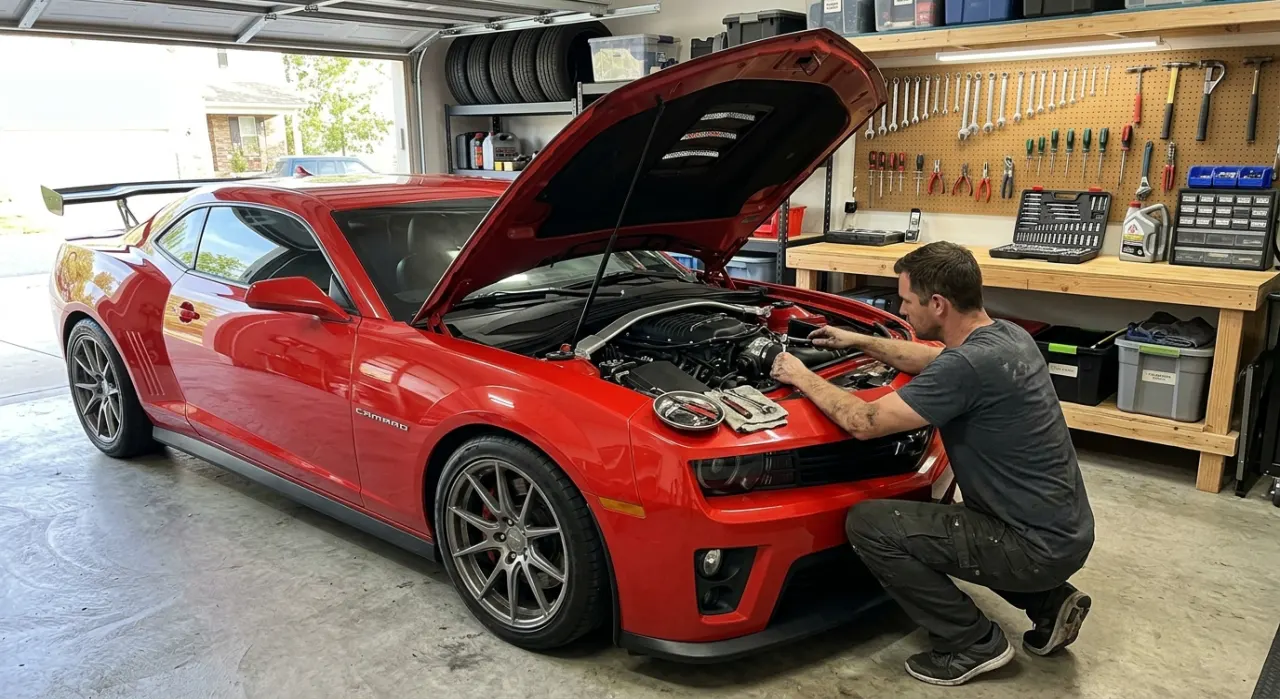
Common myths and mistakes
"A cold air intake adds 15–20 horsepower." Not on a stock naturally aspirated engine. Real-world gains are usually a few horsepower; the big numbers come from marketing, optimistic dynos, or cars that were also tuned.
"Colder air means huge power, so any intake helps." The factory already draws cool outside air. An open short-ram cone can actually breathe hotter engine-bay air and lose power on a warm day. Heat management — a sealed box or a real cold-air duct — matters more than the filter itself.
"Oiled cotton filters are always better and totally safe." They flow well but demand correct maintenance. Over-oiling fouls the MAF sensor and creates driveability gremlins. If you don't want to fuss with oil, run a dry synthetic element.
"An intake will improve my gas mileage." Any gain is usually negligible, and the new induction sound tends to encourage a heavier right foot that erases it. Buy an intake for sound or power potential, not fuel economy.
"It's plug-and-play on every car." Some platforms are sensitive to intake changes and want a MAF recalibration or a tune to run right. Check what owners of your specific engine report before assuming it just bolts on.
Which should you run — and how to decide
For most stock daily drivers, keep the factory airbox. It filters better, stays quiet, is always emissions-legal, poses no warranty risk, and costs nothing beyond a cheap paper filter. On a stock naturally aspirated engine you are trading real filtration and reliability for a handful of horsepower you'll struggle to feel — that's a bad deal unless you specifically want the sound.
Choose a cold air intake if you want the induction growl and sharper throttle feel and you accept the trade-offs, or — more importantly — if you're building the car. On a tuned engine, and especially a turbocharged or supercharged one, a quality intake is a legitimate supporting mod that helps the whole package breathe.
If you do buy one, buy smart: prefer an enclosed / sealed design over an open short-ram so you get cool air instead of engine-bay heat, favor a dry synthetic filter to dodge MAF-fouling headaches, and in an emissions state insist on a kit with a CARB EO number. Match the part to your goals and your engine, and the answer sorts itself out — sound and future power point to an intake, filtration and value point to stock.
Recommended Products
Our top picks in this category, ranked on aggregated owner reviews.
Best for the most bang-for-buck bolt-on airflow gain
- Washable, reusable cotton-gauze filter
- Polished aluminum intake tube
- Powder-coated heat shield included
- Vehicle-specific fit — check your model
Why buy it: the value default owners keep pointing beginners to — rated 4.5 across thousands of reviews for a real airflow and sound bump at a price that barely dents the build fund.
Best for the cheapest branded way to open up intake sound
- Universal cone filter and tube components
- Cotton-gauze element, cleanable
- Mix-and-match couplers and clamps
- Best for custom or open-element setups
Why buy it: the budget entry point — owners rate it 4.4 for a throaty intake growl and easy airflow gain, ideal if you want the sound and DIY flexibility on the cheap.
Best for the best-known washable filter and finish
- K&N cotton-gauze filter, ~100k-mile service
- Mandrel-bent tube for smooth flow
- Aggressive intake growl on throttle
- Model-specific fit — verify part number
Why buy it: the trusted-name pick — rated 4.6, owners praise the lifetime-washable K&N filter and clean bolt-in fit that turns intake noise into part of the fun.
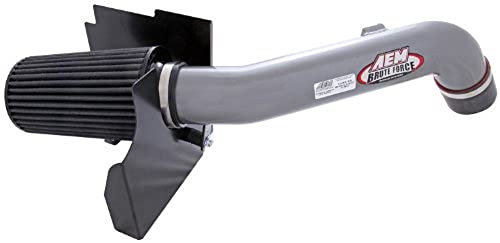
Best for big-engine trucks and SUVs that want more air
- Heavy-duty tube built for larger engines
- Washable AEM synthetic or cotton filter
- Designed for V6 and V8 truck airflow
- Application-specific — confirm fitment
Why buy it: the hauler’s choice — buyers rate it 4.6 for noticeably freer breathing and a deeper note on trucks and SUVs, where the extra tube diameter actually earns its keep.

Best for the cleanest fit-and-finish and intake note
- 6061-T6 aluminum tube, CNC brackets
- SuperNano-Web dry filter, no oiling
- MR Technology tuning for smooth power
- Tuned per application — check your model
Why buy it: the enthusiast’s pick — rated 4.7 for show-quality fit and a crisp intake note, the step up worth stretching for if looks and sound matter as much as airflow.

Best for documented, dyno-tested power gains
- Dyno-proven horsepower and torque figures
- Airbox or heat shield to pull cooler air
- Oversized washable filter element
- Vehicle-specific engineering — verify fit
Why buy it: the pick for owners who want numbers, not vibes — rated 4.7, Mishimoto publishes dyno figures for each application so you know exactly what the intake buys before you bolt it on.
Prices are pulled from Amazon and were accurate as of Aug 22, 2026, 6:54 PM EDT. Product prices and availability are subject to change — the live price is shown on Amazon.