
Affiliate Disclosure
Some links on this page are affiliate links. As an Amazon Associate, we earn from qualifying purchases — at no extra cost to you. We do not buy, test, or physically handle the products we cover; our rankings come from aggregated owner reviews, ratings and expert consensus. Commissions never change our verdicts. How we rank & full disclosure.
Metric Sockets (mm)
Sockets sized in millimeters, from roughly 4mm up to 36mm+ for common automotive work. Every car built outside the older domestic US market — and most modern American cars too — uses metric fasteners.
Best for: Anyone working on an import, a modern US-built car, motorcycles, bicycles, or nearly anything made after the mid-1980s
Typically $20–$60 for a decent 1/4"–3/8" drive metric set; $60–$150 for a full mechanic-grade range
- Covers virtually every modern car worldwide, including current domestic US models
- Finer size increments (usually 1mm steps) mean a closer fit on more fasteners
- The global standard — parts, torque specs and manuals are all written in mm
- A single metric set handles imports, Euro, JDM and late-model American vehicles
- Easier to reason about torque and thread pitch since specs are published in metric
- Will not properly fit older SAE-spec domestic hardware, farm equipment or plumbing
- Grabbing a close-but-wrong metric size can still round a bolt if you force it
- A quality range spans many sizes, so complete sets aren't cheap
SAE Sockets (inch)
Sockets sized in fractions of an inch (1/4", 7/16", 9/16" and so on). Standard on classic American cars, trucks, and a lot of US-built machinery, plumbing and hardware.
Best for: Classic and older domestic US vehicles, Harley-Davidsons, farm gear, RVs, and shop/plumbing hardware
Typically $20–$60 for a 1/4"–3/8" drive SAE set; often bundled with metric in combo kits
- The correct fit for pre-1980s American cars and much older domestic machinery
- Still needed for US plumbing, some hardware, trailers, farm and shop equipment
- Harley-Davidson and several US brands stayed on inch fasteners for decades
- Combo master sets bundle SAE alongside metric so you cover both cheaply
- Nearly useless on modern imports and most current cars, which are all metric
- Fraction-based sizes are less intuitive to step through than 1mm increments
- Some SAE sizes sit dangerously close to metric ones and get mixed up
- A shrinking share of new vehicles need them, so relevance keeps declining
How they score, side by side
Scores reflect aggregated owner reviews and expert consensus — not our own bench testing.
- Modern car coverage102
- Classic / domestic coverage310
- Everyday relevance (2026)105
- Fit precision on its own hardware99
- Value as a first purchase105
- Global usefulness103
Spec-by-spec comparison chart
| Factor | Metric Sockets (mm) | SAE Sockets (inch) |
|---|---|---|
| Measurement unit | Millimeters (e.g. 10mm, 13mm) | Fractions of an inch (e.g. 3/8", 9/16") |
| Primary use today | Nearly all modern cars, imports, bikes | Classic US cars, Harleys, farm/plumbing |
| Size increments | Usually 1mm steps (fine) | Fractional 1/16", 1/32" steps |
| Common auto range | ~8mm–19mm covers most jobs | ~5/16"–3/4" covers most jobs |
| Fit on modern vehicles | Correct — factory standard | Wrong on almost all post-1980s cars |
| Fit on classic US iron | Wrong on original hardware | Correct — factory standard |
| Interchange risk | 10mm ≈ 3/8" and 13mm ≈ 1/2" — close but not equal | Same overlaps; a loose fit rounds bolts |
| Typical starter set price | $20–$60 (1/4"/3/8" drive) | $20–$60, often bundled with metric |
| Global standard | Yes — the world runs on metric | No — largely US legacy hardware |
| Best single purchase | Buy this first for daily driving | Add as a combo kit for older gear |
Our Top 3 Picks
The three highest-rated options in this category, if you'd rather skip straight to a proven pick.

Best for the best mix of brand pedigree, warranty and price
- 72-tooth ratchets for a 5° swing arc
- Polished chrome-vanadium, anti-slip sockets
- DEWALT full lifetime warranty
- Compact SAE + metric set in a blow-mould case
Why buy it: a name-brand kit that owners rate at the very top of the budget class — the lifetime warranty and fine-tooth ratchets punch well above the price, which is why it keeps getting recommended to first-time wrenchers.
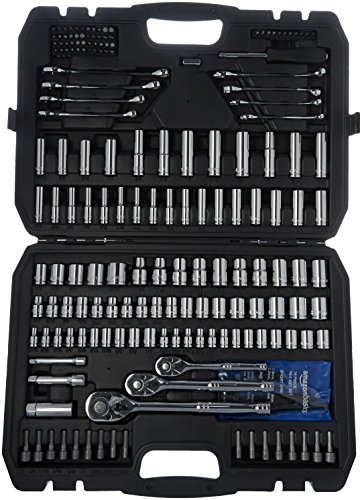
Best for the most sockets and bits per dollar
- 201 pieces across 1/4", 3/8" and 1/2" drives
- Chrome-vanadium forged, polished-chrome finish
- Full SAE + metric coverage
- Molded case keeps every socket in its slot
Why buy it: a socket-heavy kit that owners repeatedly call the best money-for-metal buy on Amazon — if your jobs are mostly nuts and bolts, nothing here gives you more drive tools for the outlay.

Best for trusted-brand tools with a lifetime guarantee
- 72-tooth reversible ratchets
- Alloy-steel sockets, off-corner loading grip
- Crescent lifetime warranty
- Closed, latching blow-mould case
Why buy it: an Apex Tool Group set that owners rate for genuine fit and finish — the off-corner grip protects rounded fasteners, and the lifetime backing means a cracked socket is a free swap.
Prices are pulled from Amazon and were accurate as of Aug 22, 2026, 6:54 PM EDT. Product prices and availability are subject to change — the live price is shown on Amazon.
What actually separates metric from SAE
This is one of those tool questions where the "versus" framing is a little misleading. Metric and SAE sockets do the exact same thing mechanically — they grip the flats of a hex bolt or nut so you can turn it. The only difference is the ruler they're built to. A metric socket is measured in millimeters across the opening; an SAE socket is measured in fractions of an inch. SAE, for the record, stands for the Society of Automotive Engineers, and in tool-buying language it's simply shorthand for "inch-based" or "standard" sizing.
So the real question is never which system is better in the abstract — a 13mm and a 1/2" are both perfectly good sockets. The question is which one matches the fastener in front of you. Put a metric socket on a metric bolt and it seats cleanly on all six flats. Put a close inch size on that same bolt and it either won't go on or, worse, goes on just loose enough to slip and round the corners under load.
The consensus among mechanics is blunt: the bolt decides, not your preference. You don't choose metric or SAE the way you choose a paint color — you match the set to whatever the vehicle or machine was engineered with. That's why serious toolboxes carry both, and why the honest advice is about which one you'll reach for most, not which one to buy exclusively.
Which set does your vehicle actually need?
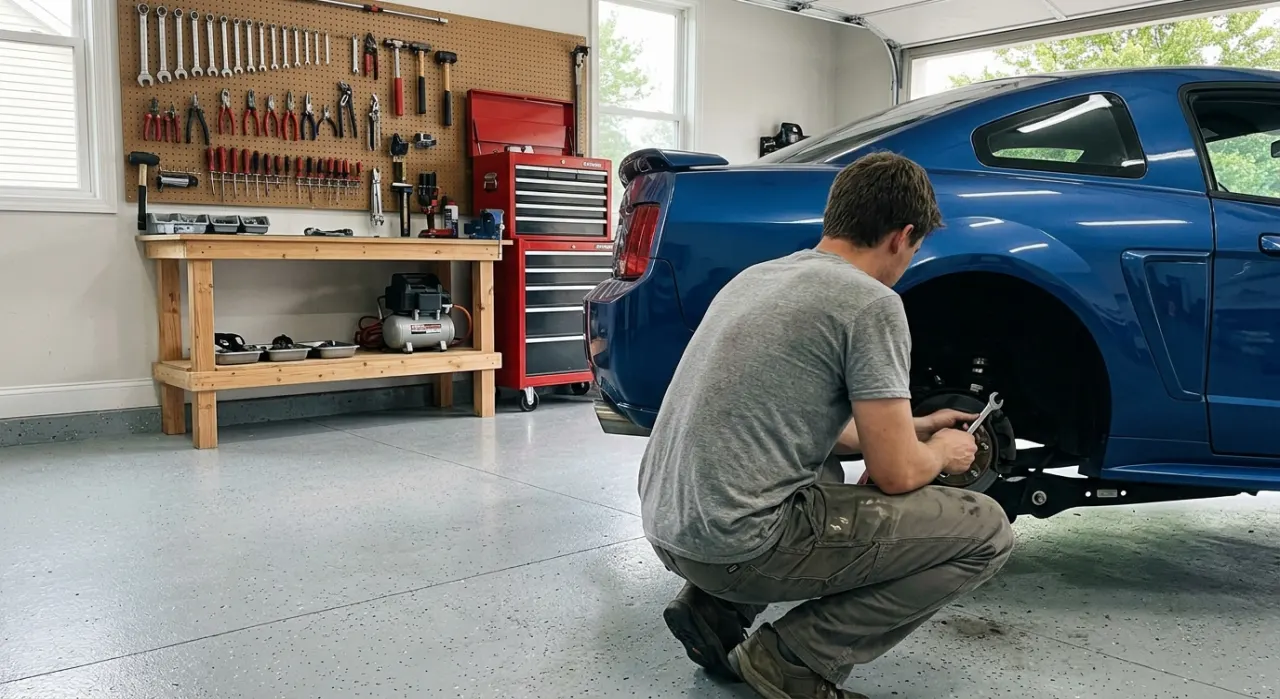
For almost anyone shopping today, the answer skews heavily toward metric — but the split is worth knowing precisely, because the wrong assumption sends people back to the store mid-job:
- Modern cars, foreign and domestic: effectively all of them are metric. Toyota, Honda, VW, BMW and the rest have always used metric hardware, and the big US makers — Ford, GM, Stellantis — transitioned to metric fasteners through the late 1970s and 1980s. Any mainstream car built in the last thirty-plus years is a metric job.
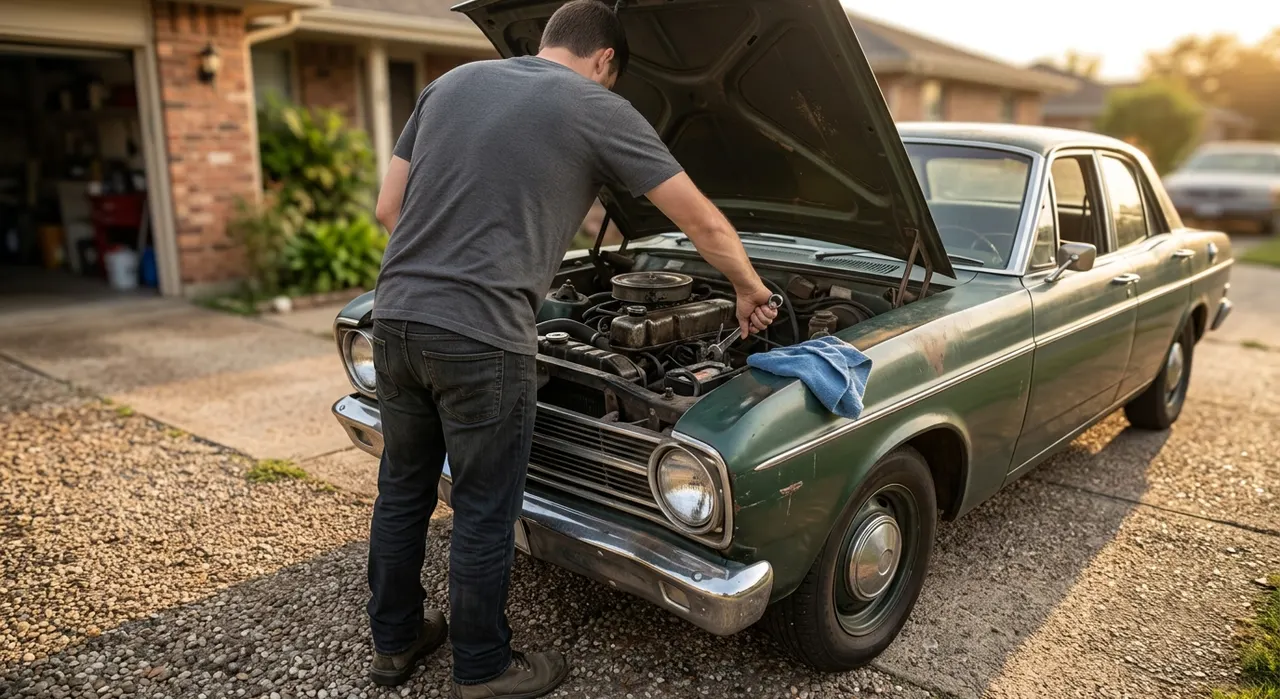
- Classic and vintage American cars: pre-1980s domestic iron — think older Mustangs, C10s, small-block Chevys and Mopars in original condition — is largely SAE. Restorers and anyone keeping older US vehicles alive genuinely need a full inch-based range.
- Motorcycles: import bikes (Honda, Yamaha, Kawasaki, Suzuki, BMW, Ducati) are metric. Harley-Davidson famously stayed on SAE hardware for decades, so a Harley garage still leans inch-based.
- Trucks, RVs, trailers, farm and shop gear: a real mixed bag. Late-model trucks are metric, but trailer hitches, older equipment, US plumbing fittings and a lot of general hardware are still inch-sized.
The practical takeaway is that a modern daily driver almost never needs SAE at all — a good metric set from 8mm to 19mm handles the overwhelming majority of what you'll touch. But the moment you wander into older vehicles, US hardware, or a friend's classic project, the inch sizes stop being optional. That's why most experienced owners end up with both, even if metric does 90% of the work.
The dangerous close-but-not-equal sizes
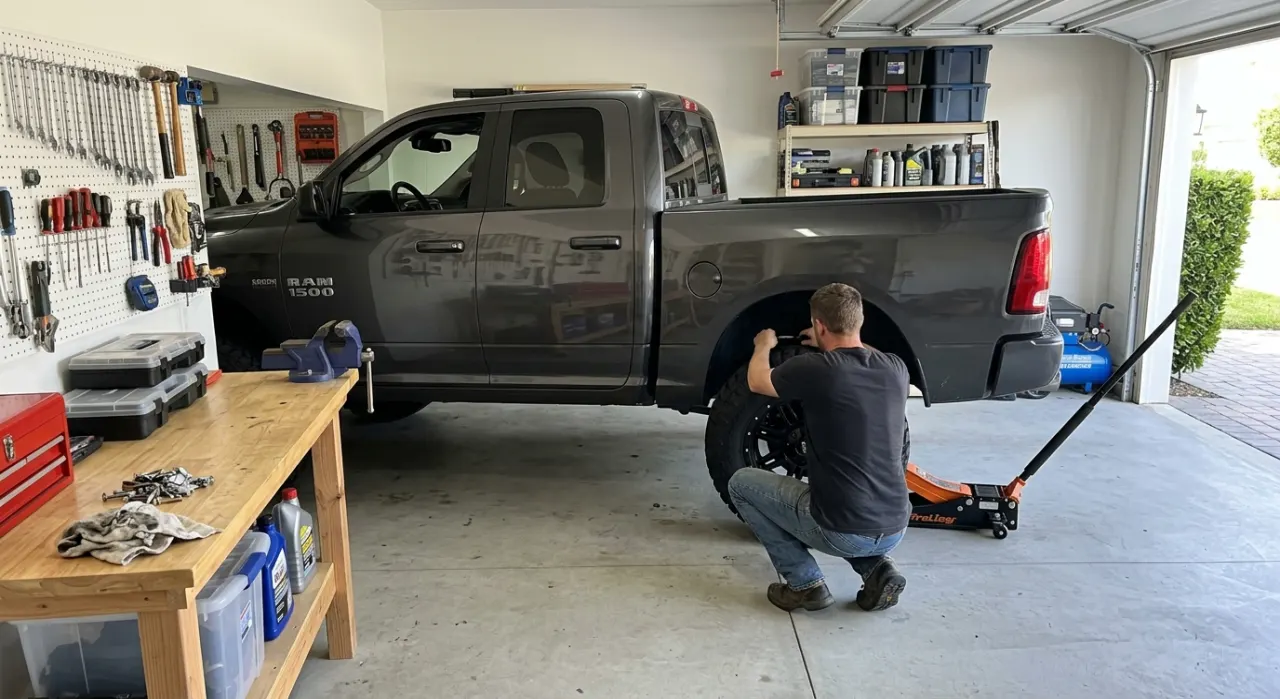
Here's the trap that rounds more bolts than any other, and it's the single most useful thing to internalize about metric vs SAE. Several inch and millimeter sizes are almost the same — close enough to slip on, not close enough to grip safely. Owner forums and mechanic write-ups flag the same near-misses over and over:
- 10mm ≈ 3/8" (0.375" vs 0.394"): the SAE size is a hair small, so a 3/8" will feel loose on a 10mm bolt and can strip it.
- 13mm ≈ 1/2" (0.500" vs 0.512"): a 1/2" slips onto a 13mm just enough to fool you, then cams over.
- 16mm ≈ 5/8" and 19mm ≈ 3/4": both pairs are close enough to grab a wrong-system socket in a hurry and regret it.
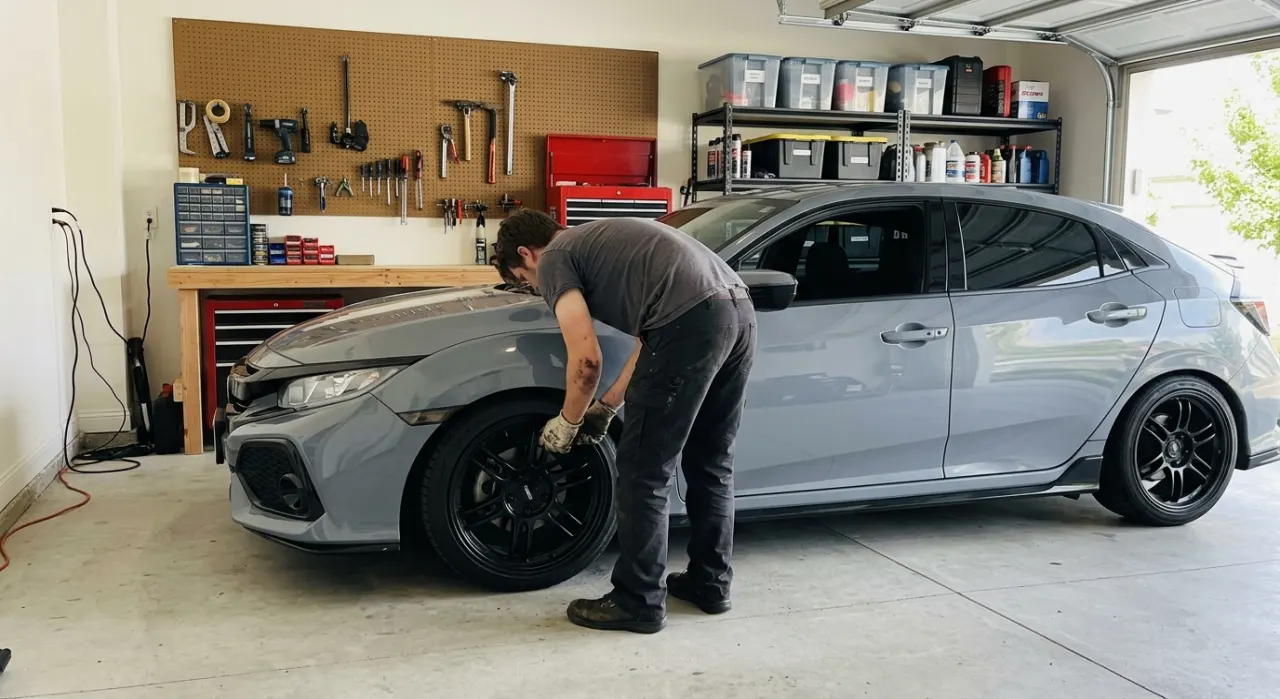
The rule that comes out of this is simple and worth living by: if the socket goes on but wiggles, stop. A correctly matched socket seats snugly with almost no play. Any noticeable slop means you've grabbed the wrong system, and forcing it — especially on a torqued-down or corroded fastener — is exactly how a clean hex head turns into a rounded nub you have to drill or extract. Marking your metric and SAE sockets in different colors, or keeping them in separate rails, is the cheapest insurance against this mistake.
Cost, coverage and buying a combo set
On price, the two systems are basically a wash — a decent 1/4" or 3/8" drive metric set and an equivalent SAE set each run in the same $20–$60 range for home-grade quality, more for mechanic-grade chrome-vanadium with a lifetime warranty. Because the cost is similar, the smart money isn't in choosing one system over the other; it's in how you buy them.
The best value move for most people is a combination master set that bundles metric and SAE sockets across 1/4", 3/8" and often 1/2" drive in one case. Buying combined is almost always cheaper than two separate kits, it guarantees you're never stranded by a stray inch-sized bolt, and the organized tray makes the color-coding problem solve itself. Aggregated owner reviews consistently favor these combo kits for exactly that reason — the peace of mind of having both outweighs the modest premium over a single-system set.
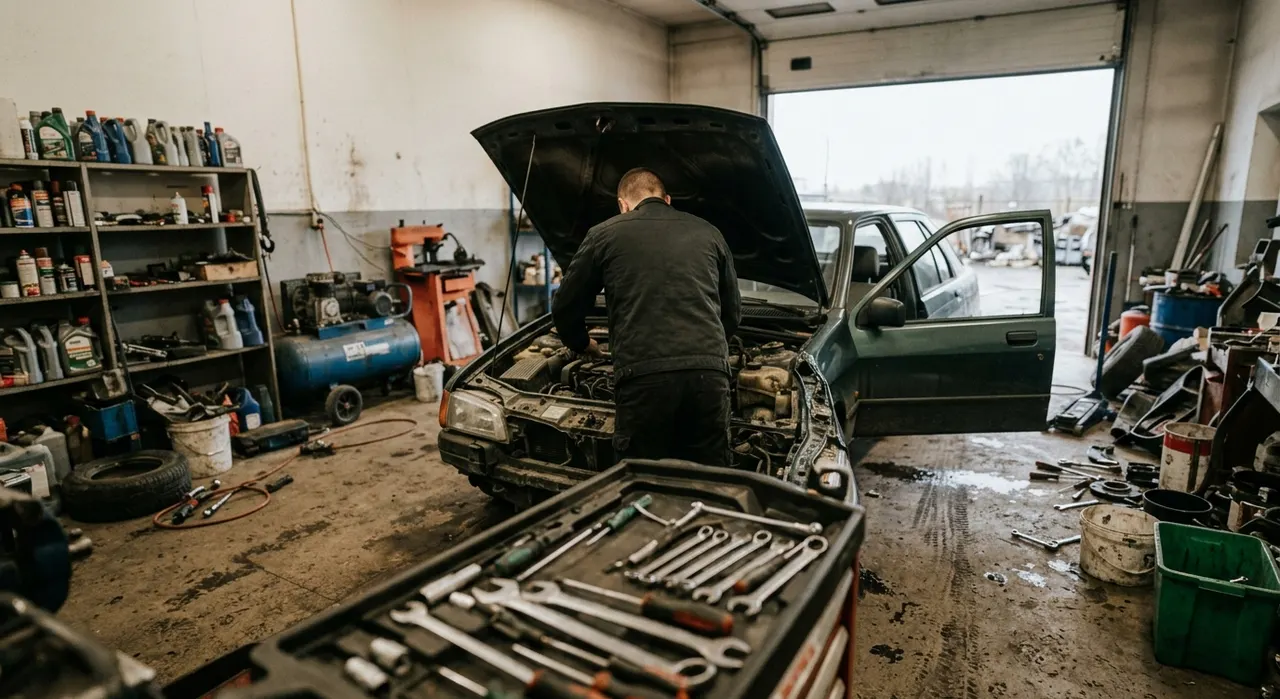
If budget forces a single purchase, buy metric first. It covers your daily driver and virtually anything modern, and you can add an inexpensive SAE set later when an older project actually demands it. Spending on socket quality — proper wall thickness, a tight six-point (not twelve-point) broach for stuck fasteners, and hardened steel — matters far more than agonizing over which measurement system to start with.
Common myths and mistakes
"Metric and SAE are interchangeable if they're close enough." No. Close is precisely the danger. A 3/8" on a 10mm bolt is close enough to slip on and strip the head. Matched sockets seat with almost no play; anything that wiggles is the wrong tool.
"American cars use SAE." Not anymore. Modern Ford, GM and Stellantis vehicles are metric — the domestic makers switched decades ago. Only classic pre-1980s US cars still need a full SAE range as original equipment.
"SAE means higher quality or 'standard' tools." A common misread. SAE here just means inch-based sizing; it says nothing about quality. Both metric and SAE come in cheap and premium grades alike.
"I only need one system." True only if you exclusively work on one type of vehicle. The moment a classic, a Harley, a trailer or a plumbing job enters the picture, the other system shows up. That's why combo sets exist and why they're the popular default.
"A 12-point socket is fine for everything." For rounded or seized fasteners, a 6-point socket grips the flats far better and resists cam-out. The wrong-system slip and the 12-point slip cause the same rounded-bolt heartbreak.
Which should you buy — and how to decide
There's no universal winner here, because it's not really a contest — it's a matching problem. The right set is dictated by the hardware you actually turn, and for most people in 2026 that hardware is overwhelmingly metric.
Buy metric first if you drive and maintain any modern car, import or late-model domestic, a current motorcycle, or nearly anything built in the last few decades. A quality metric set from roughly 8mm to 19mm will handle the vast majority of jobs you'll ever attempt in a home garage.
Buy SAE (or prioritize it) if your world is classic American cars, Harley-Davidsons, older farm and shop equipment, trailers, or US plumbing and hardware. On that gear the inch sizes aren't a backup — they're the correct fit, and metric is the one that won't seat.
For everyone in between — which is most of us — the honest recommendation is a combination master set: buy both together, keep them clearly separated by color or rail, and never lose an afternoon to a rounded bolt because a 1/2" felt "close enough" on a 13mm nut. Match the socket to the fastener, respect the close-size trap, and the "which system" question quietly answers itself.
Recommended Products
Our top picks in this category, ranked on aggregated owner reviews.
Best for the best mix of brand pedigree, warranty and price
- 72-tooth ratchets for a 5° swing arc
- Polished chrome-vanadium, anti-slip sockets
- DEWALT full lifetime warranty
- Compact SAE + metric set in a blow-mould case
Why buy it: a name-brand kit that owners rate at the very top of the budget class — the lifetime warranty and fine-tooth ratchets punch well above the price, which is why it keeps getting recommended to first-time wrenchers.
Best for the most sockets and bits per dollar
- 201 pieces across 1/4", 3/8" and 1/2" drives
- Chrome-vanadium forged, polished-chrome finish
- Full SAE + metric coverage
- Molded case keeps every socket in its slot
Why buy it: a socket-heavy kit that owners repeatedly call the best money-for-metal buy on Amazon — if your jobs are mostly nuts and bolts, nothing here gives you more drive tools for the outlay.
Best for trusted-brand tools with a lifetime guarantee
- 72-tooth reversible ratchets
- Alloy-steel sockets, off-corner loading grip
- Crescent lifetime warranty
- Closed, latching blow-mould case
Why buy it: an Apex Tool Group set that owners rate for genuine fit and finish — the off-corner grip protects rounded fasteners, and the lifetime backing means a cracked socket is a free swap.

Best for a first-ever kit that covers the whole garage and house
- Sockets, wrenches, screwdrivers, hammer, pliers
- Heat-treated carbon steel, rust-resistant
- Compact blow-mould carry case
- One of Amazon’s best-selling tool kits
Why buy it: the entry point owners recommend for a first toolbox — rated across tens of thousands of reviews, it handles light auto work and household jobs without asking much of your wallet.
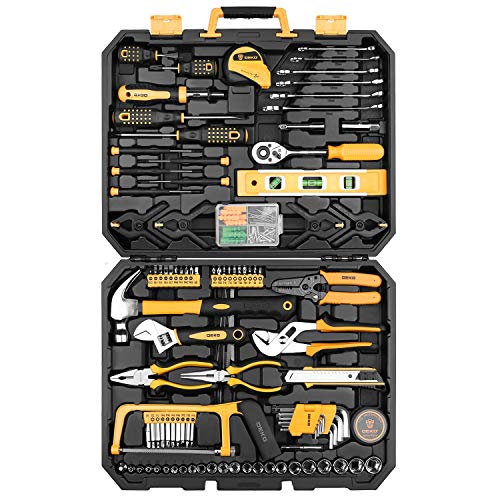
Best for a purpose-built car-repair combination
- 168-piece socket + wrench combination
- Ratchet handle, extension bars, spark-plug socket
- Chrome-vanadium and carbon-steel mix
- Deep plastic storage case
Why buy it: a combination set owners lean on for actual under-hood jobs — the spark-plug socket, extensions and combination wrenches mean fewer trips to buy the one tool you’re missing.

Best for the most complete kit before you leave the budget tier
- 201-piece mechanics set, SAE + metric
- 72-tooth quick-release ratchets
- Black-chrome sockets with laser-etched sizes
- Sturdy structural-foam case
Why buy it: the ceiling of the budget class — owners rate its ratchets and easy-read sockets highly, and the Stanley name carries a reputation that a no-name kit can’t match at the same money.
Prices are pulled from Amazon and were accurate as of Aug 22, 2026, 6:54 PM EDT. Product prices and availability are subject to change — the live price is shown on Amazon.