
Affiliate Disclosure
Some links on this page are affiliate links. As an Amazon Associate, we earn from qualifying purchases — at no extra cost to you. We do not buy, test, or physically handle the products we cover; our rankings come from aggregated owner reviews, ratings and expert consensus. Commissions never change our verdicts. How we rank & full disclosure.
OEM Oil Filter
The genuine filter sold under the automaker's badge (Toyota, Motorcraft, ACDelco, Honda), engineered to that engine's exact spec. In practice it is often built by a top-tier supplier and rebranded.
Best for: Newer, leased or warranty-anxious cars, and anyone who wants the guaranteed-correct part without researching a cross-reference
Typically $8–$22 each from a dealer or parts counter
- Guaranteed-correct fitment — thread pitch, gasket, anti-drainback and bypass valve all matched to your engine
- Filtration media chosen to hit the automaker's own service interval
- Consistent, known quality every single time — no guessing between good and bad versions
- Removes any warranty or lease-return doubt without you having to prove a spec
- Frequently manufactured by a premium supplier (Denso, Mahle, Mann) to a tight tolerance
- Costs noticeably more than an equally good aftermarket filter
- You are partly paying for the badge — many OEM filters are rebranded supplier units
- Usually means a dealer trip or a parts-counter order, with the markup that brings
- No upgrade path — you get exactly the automaker spec, no more capacity or efficiency
Aftermarket Oil Filter
Any filter made by an independent brand and cross-referenced to your engine. The category spans premium synthetic-media units that beat OEM to bargain-bin filters you should keep out of an engine.
Best for: DIY owners comfortable checking a part number, anyone chasing value, and cars running extended synthetic oil intervals
Typically $4–$16 each; premium synthetic-media filters land around $9–$16
- Premium options (Mobil 1, WIX, Fram Ultra, Purolator Boss) meet or exceed OEM efficiency
- Much cheaper for equal or better construction than the badged part
- Widely stocked and easy to buy in multipacks for scheduled changes
- Top-tier units use full-synthetic media and silicone valves suited to 7,500–10,000-mile intervals
- Choice of upgrade — higher capacity or higher efficiency than the factory filter
- Quality ranges from excellent to genuinely bad — you have to choose carefully
- Economy filters use cellulose media, fiber end caps and heat-sensitive nitrile valves
- A cross-reference error can put the wrong gasket, thread or bypass setting on the engine
- The cheapest filters are a false economy on a modern extended-interval engine
How they score, side by side
Scores reflect aggregated owner reviews and expert consensus — not our own bench testing.
- Guaranteed-correct spec107
- Best-case filtration89
- Value for money59
- Consistency across the range96
- Availability69
- Extended-interval fit88
Spec-by-spec comparison chart
| Factor | OEM Oil Filter | Aftermarket Oil Filter |
|---|---|---|
| Who actually makes it | Often a top supplier (Denso, Mahle, Mann) with the automaker's badge | Ranges from those same suppliers down to budget factories |
| Filter media | Matched to the automaker spec (usually blended or synthetic) | Cellulose (economy) up to full synthetic (premium) |
| Efficiency (ISO 4548-12) | Known and matched to the engine | Premium ~99% at 20 microns; economy far lower |
| Anti-drainback valve | Silicone or nitrile per the engine's spec | Silicone on premium; heat-sensitive nitrile on cheap units |
| Bypass (relief) valve | Set to the engine's exact psi | Correct on reputable brands — worth verifying |
| End caps & construction | Metal, built to spec | Metal on premium; fiber or cardboard on economy |
| Fitment risk | None — it is the exact part number | Low with a correct cross-reference; verify gasket & thread |
| Extended-interval suitability | Yes, to the automaker's interval | Premium: yes. Economy: no |
| Price each | $8–$22 | $4–$16 |
| Warranty concern | None | None if it meets spec (Magnuson-Moss Act) |
Our Top 3 Picks
The three highest-rated options in this category, if you'd rather skip straight to a proven pick.

Best for the widest OEM approval list and long drain intervals
- API SP / ILSAC GF-6 rated
- Meets GM dexos1 Gen 3, many OEM approvals
- Rated for extended (up to 20k-mile) intervals
- Strong LSPI and timing-chain-wear protection
Why buy it: the synthetic owners reach for most because it carries a huge approval list — the right pick for the majority of modern engines, provided the grade matches your manual.

Best for a fully-approved synthetic for the lowest price per quart
- API SN Plus / dexos1 Gen 2 licensed
- Genuine full synthetic base
- Lowest cost-per-quart of the group
- Same spec compliance as name brands
Why buy it: proof that spec beats badge: a licensed, fully-approved synthetic that meets the same standards as the premium jugs for noticeably less money.

Best for engine cleanliness from a gas-to-liquid base oil
- PurePlus gas-to-liquid base oil
- API SP / ILSAC GF-6, dexos1 Gen 3
- Excellent for keeping pistons clean
- Backed by a mileage protection program
Why buy it: owners who care about keeping deposits off pistons like the ultra-clean GTL base — a genuinely premium synthetic that still meets mainstream specs.
Prices are pulled from Amazon and were accurate as of Aug 22, 2026, 6:54 PM EDT. Product prices and availability are subject to change — the live price is shown on Amazon.
What OEM and aftermarket actually mean
The first thing to understand is that this comparison is blurrier than it looks, because a huge share of "OEM" oil filters are made by the very same companies that sell aftermarket filters. A genuine Toyota filter is typically built by Denso or Toyo Roki. Motorcraft is Ford's own brand, but plenty of badged filters roll off a Mahle, Mann or Purolator line and get a manufacturer sticker. So the honest framing is not "factory part versus generic part" — it is "a filter guaranteed to match your engine's spec, at a premium price, versus an open market where you choose the spec yourself and can do better or worse than OEM."
An OEM filter is the one the automaker specifies and sells. Its single biggest value is certainty: the media, the anti-drainback valve, the bypass (pressure-relief) valve setting, the gasket and the thread are all exactly what the engineers signed off on. You pay more and you get zero decisions to make.
An aftermarket filter is anything made by an independent brand and cross-referenced to your application. This is where the category splits hard. At the top end, filters like the Fram Ultra Synthetic, Mobil 1 Extended Performance, WIX XP and Purolator Boss are frequently better built than the OEM part — more media, higher efficiency, silicone valves and metal end caps. At the bottom end sit economy filters with cellulose media and cardboard caps that will keep an engine alive but are a poor match for a long synthetic-oil interval. The consensus among mechanics is blunt: a good aftermarket filter is one of the best values in car care, and a bad one is one of the worst places to save three dollars.
Filtration efficiency, media and burst strength
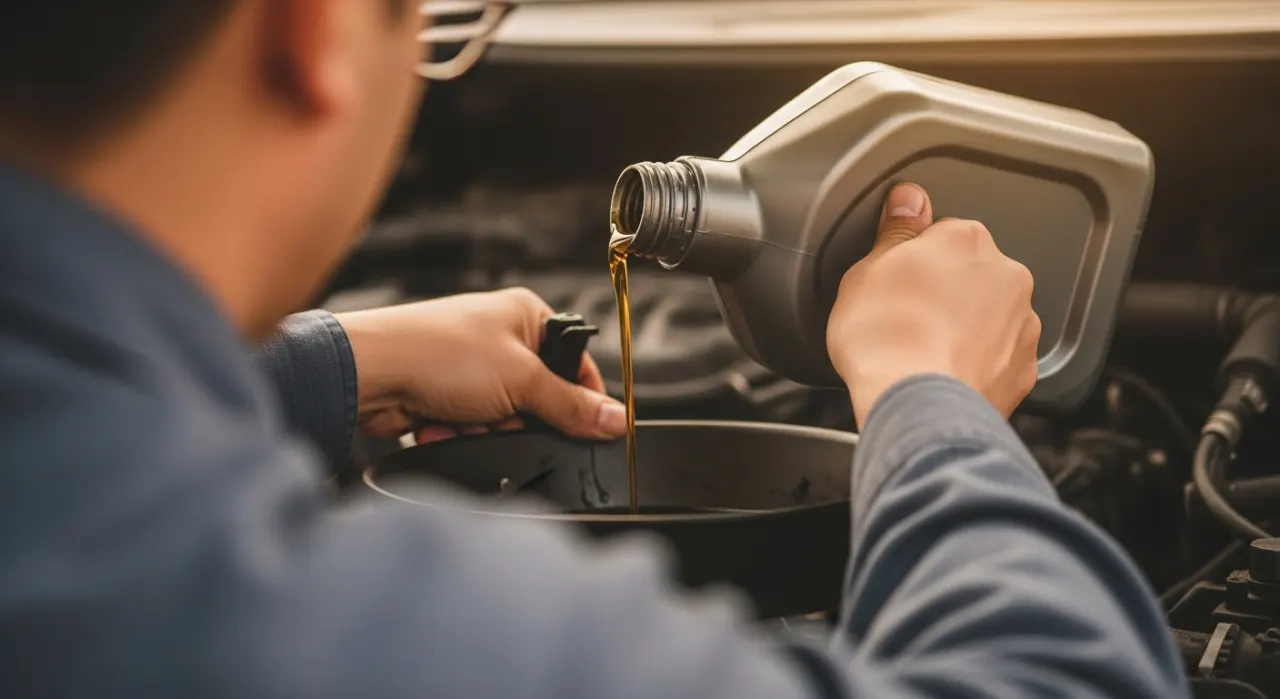
What actually separates a great filter from a mediocre one is inside the can, and it comes down to three things: the media, the valves and the construction. This is also where published spec sheets and independent cut-open comparisons tell you far more than the price or the badge.
- Media. Economy filters use cellulose (paper) media. Premium filters use full-synthetic or blended media, which traps smaller particles, holds more dirt before clogging, and flows better when cold. Efficiency is measured to the ISO 4548-12 standard, and top synthetic filters advertise around 99% capture at roughly 20 microns — meaningfully finer than a typical cellulose filter, which may only hit that efficiency at 40 microns or more.
- Surface area and capacity. More pleats and taller media mean more dirt-holding capacity, which is exactly what a 7,500- or 10,000-mile oil-change interval demands. This is the spec cheap filters quietly skimp on, and it is the reason a bargain filter is a bad match for extended intervals even if its day-one efficiency looks acceptable.
- End caps and center tube. Premium filters (and most OEM units) use metal end caps bonded to the media and a sturdy perforated steel center tube. Economy filters often use fiber or cardboard end caps, which are cheaper and, in aggregated cut-open comparisons, the most common weak point.
- Burst strength. The steel can has to survive full oil-pump pressure, including cold-start spikes. Reputable brands publish burst-pressure figures well above operating pressure; the badge on the outside tells you nothing about the metal, so this is a spec-sheet question, not a brand-loyalty one.
The practical takeaway: a premium aftermarket filter usually equals or beats an OEM filter on every one of these measures, while an economy filter falls behind on all of them. The badge is not the variable that matters — the internal spec is.
Fitment, valves and the specs that must match
This is where OEM earns its price premium and where a careless aftermarket purchase gets people into trouble. A filter is not just media in a can — it contains two valves that have to match your engine, and a couple of dimensions that have to match exactly.
The anti-drainback valve (ADBV) is a flap that keeps oil from draining out of the filter when the engine is off, so you get pressure fast on a cold start instead of a few seconds of dry running. It matters enormously on engines that mount the filter horizontally or inverted. Premium filters use silicone for the ADBV, which stays flexible and survives heat cycling; cheap filters use nitrile rubber, which hardens and can crack over time. An OEM filter uses whatever the automaker specified, which is a safe known quantity.
The bypass (pressure-relief) valve opens if the filter clogs or the oil is too cold and thick to flow, letting unfiltered oil through rather than starving the engine. Its opening pressure is engine-specific. A reputable aftermarket filter sets it correctly for the application; the risk with a random no-name filter is a bypass setting that opens too early or too late. OEM removes that question entirely.
Finally, the boring but critical dimensions: thread pitch, gasket diameter and can length. A good cross-reference from an established brand gets these right, but this is the one area where "close enough" is never acceptable — the wrong gasket or thread is how a filter blows off and dumps the oil. When you buy aftermarket, confirm the exact cross-reference for your engine, not just the general model. This is precisely the hassle OEM lets you skip.
Real cost per change and over 100,000 miles
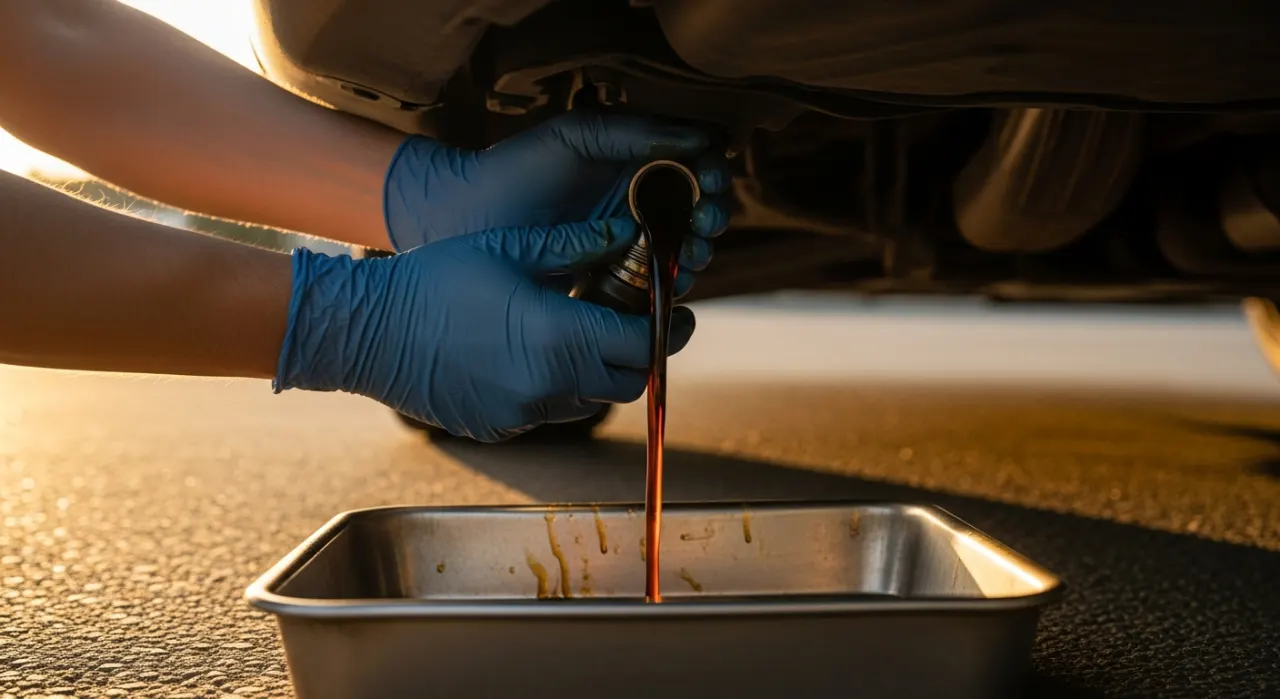
Per change, the raw gap is modest but real. A genuine OEM spin-on filter typically runs $8–$22 at the counter. A premium aftermarket filter of equal or better spec is more often $9–$16, and an economy filter can be $4–$6. So on any single oil change you might save five to ten dollars going aftermarket — not life-changing, but it adds up.
Where the math gets more interesting is over the life of the car. Assume oil changes every 7,500 miles on modern synthetic oil: that is roughly 13–14 filters over 100,000 miles. At an $8 premium per filter, choosing OEM every time costs on the order of $100–$120 more across that span than a top-tier aftermarket filter that performs just as well. The consensus is that this is money better spent on the oil itself or simply kept, since the premium aftermarket filter is not a downgrade.
But the opposite mistake is more expensive. Saving by buying the cheapest economy filter and then stretching a long interval on it is exactly the scenario those filters are not designed for — lower capacity media on a 10,000-mile run is a real risk, not a theoretical one. The value sweet spot is unmistakable in aggregated owner and mechanic opinion: a premium aftermarket filter delivers OEM-or-better protection at a lower lifetime cost. You capture the savings without giving anything up, provided you buy up the quality range and not down it.
Common myths and mistakes
"Using a non-OEM filter voids my warranty." It does not. Under the Magnuson-Moss Warranty Act, a manufacturer cannot void your warranty simply for using an aftermarket part, as long as that part meets the required spec. The only way an aftermarket filter creates a warranty problem is if a genuinely defective one causes damage — which is an argument for buying a reputable brand, not for buying OEM.
"OEM is always the best filter you can buy." Often it is very good, but "best" is not automatic. Independent cut-open comparisons regularly show premium aftermarket filters with more media and higher efficiency than the OEM part for the same engine. OEM guarantees correct spec; it does not guarantee the highest spec.
"A filter is a filter — just buy the cheapest one." This is the costliest myth. The media, valves and construction vary enormously, and the cheapest filters cut exactly the corners that matter on a long synthetic interval. Cheap is fine on a short 3,000-mile conventional-oil schedule; it is a poor bet on a 10,000-mile synthetic one.
"Any filter that screws on will work." Threading on is not the same as matching. The bypass valve pressure, anti-drainback material and gasket all have to suit your engine. A filter that fits physically can still have the wrong valve behavior, which is why the exact cross-reference — not just "fits my model" — is the number that counts.
Which should you buy — and how to decide
There is no single winner, because the decision is really about how much research you want to do. Both paths can protect your engine perfectly; they differ on price and on how much certainty you are buying.
Buy OEM if your car is new, leased, or under warranty and you simply want zero doubt; if you don't want to look up a cross-reference; or if you value the peace of mind of the exact factory spec more than the ten-dollar saving. It is the safe default, and it is never a wrong answer — just occasionally an overpriced one.
Buy premium aftermarket if you are comfortable confirming the correct part number and you want the best value in the category. A Fram Ultra, Mobil 1 Extended Performance, WIX XP or Purolator Boss cross-referenced to your engine will match or beat the OEM filter for less money, with synthetic media and silicone valves that suit modern extended intervals.
Avoid the bottom of the aftermarket range unless you run short, frequent, conventional-oil changes. The economy filters are not dangerous in the short term, but they are the wrong tool for a long synthetic interval, and the few dollars saved are not worth the reduced capacity. Whatever you choose, match the filter's efficiency, valves and dimensions to your engine — get that right, and OEM versus aftermarket becomes a question of budget, not protection.
Recommended Products
Our top picks in this category, ranked on aggregated owner reviews.
Best for the widest OEM approval list and long drain intervals
- API SP / ILSAC GF-6 rated
- Meets GM dexos1 Gen 3, many OEM approvals
- Rated for extended (up to 20k-mile) intervals
- Strong LSPI and timing-chain-wear protection
Why buy it: the synthetic owners reach for most because it carries a huge approval list — the right pick for the majority of modern engines, provided the grade matches your manual.
Best for a fully-approved synthetic for the lowest price per quart
- API SN Plus / dexos1 Gen 2 licensed
- Genuine full synthetic base
- Lowest cost-per-quart of the group
- Same spec compliance as name brands
Why buy it: proof that spec beats badge: a licensed, fully-approved synthetic that meets the same standards as the premium jugs for noticeably less money.
Best for engine cleanliness from a gas-to-liquid base oil
- PurePlus gas-to-liquid base oil
- API SP / ILSAC GF-6, dexos1 Gen 3
- Excellent for keeping pistons clean
- Backed by a mileage protection program
Why buy it: owners who care about keeping deposits off pistons like the ultra-clean GTL base — a genuinely premium synthetic that still meets mainstream specs.

Best for turbocharged and hard-driven engines
- Fluid Titanium film strength additives
- API SP / dexos1 Gen 3
- Holds up under high heat and load
- Strong wear protection at the film
Why buy it: the pick owners of turbo and performance engines lean on for film strength under heat — as always, only if 5W-30 is the grade your engine calls for.

Best for engines past 75,000 miles that seep or burn a little
- Added seal conditioners
- API SP / ILSAC GF-6
- Targets minor leaks and oil burn
- Full-synthetic protection for older engines
Why buy it: the high-mileage formula owners of older engines credit with quieting minor seepage — the seal conditioners are the reason to choose it over standard synthetic.

Best for a dependable, widely-stocked daily-driver synthetic
- API SP / ILSAC GF-6, dexos1 approved
- Strong wear and deposit protection
- Easy to find and refill
- Trusted mainstream formula
Why buy it: the no-drama daily-driver synthetic owners buy on repeat — fully approved, easy to source, and priced right for regular changes.
Prices are pulled from Amazon and were accurate as of Aug 22, 2026, 6:54 PM EDT. Product prices and availability are subject to change — the live price is shown on Amazon.