
Affiliate Disclosure
Some links on this page are affiliate links. As an Amazon Associate, we earn from qualifying purchases — at no extra cost to you. We do not buy, test, or physically handle the products we cover; our rankings come from aggregated owner reviews, ratings and expert consensus. Commissions never change our verdicts. How we rank & full disclosure.
Paint Protection Film (PPF)
A thick, self-healing thermoplastic urethane film applied over the paint. It is a physical shield — a clear, replaceable layer that takes rock chips and scratches so the paint underneath does not.
Best for: High-impact zones and daily-driven cars — front bumpers, hoods, mirrors and rocker panels facing road debris
Typically $600–$1,200 for a partial front, $1,500–$2,500 for a full front, $5,000–$8,000+ full-car
- Physically stops rock chips, road debris and light key scratches — the paint never gets touched
- Self-healing top coat: minor swirls and scuffs vanish with heat from the sun or warm water
- 10-year warranties are common from major brands (XPEL, SunTek, 3M) against yellowing and lifting
- Absorbs impact energy, protecting against door dings and low-speed bumper scrapes
- Fully reversible — a pro can peel it off years later with no damage to factory paint
- Expensive — often 5–10x the cost of a ceramic coating for the same coverage
- Requires a skilled installer; bad installs show edges, bubbles or lifting
- The thicker film can be faintly visible at panel edges and seams up close
- Still benefits from a coating on top for gloss and easier cleaning
Ceramic Coating
A liquid silica (SiO2) polymer that cures into a thin, glass-like semi-permanent layer bonded to the clear coat. It is a chemical shield — extreme gloss, water-beading hydrophobics and stain resistance, but almost no impact protection.
Best for: Owners who want deep gloss, easy washing and defense against chemical etching, bird droppings and UV fade
Typically $150–$600 for a consumer/entry pro job, $600–$1,500+ for multi-layer professional coatings
- Dramatic gloss and depth, plus strong hydrophobic water-beading that makes washing far easier
- Resists chemical etching from bird droppings, bug guts, tree sap and acid rain
- Blocks UV, slowing oxidation and paint fade over years of sun exposure
- A fraction of the cost of PPF and covers the whole car in one application
- No visible edges or seams — it is invisible once cured
- Provides essentially zero protection against rock chips, scratches or physical impact
- Does not self-heal — a scratch through the coating reaches the paint
- Lifespan is shorter: 2–5 years for most pro coatings vs a decade for PPF
- Marketing overpromises — it will not make paint "scratch-proof"
How they score, side by side
Scores reflect aggregated owner reviews and expert consensus — not our own bench testing.
- Rock chip / impact protection102
- Scratch resistance94
- Gloss & depth69
- Hydrophobics / easy washing69
- Chemical etch & UV defense78
- Longevity95
- Value per dollar58
Spec-by-spec comparison chart
| Factor | Paint Protection Film (PPF) | Ceramic Coating |
|---|---|---|
| What it is | Thick urethane film (physical layer) | Liquid SiO2 polymer (chemical layer) |
| Primary job | Impact & scratch protection | Gloss, hydrophobics & etch resistance |
| Stops rock chips | Yes — its main strength | No — essentially none |
| Self-healing | Yes (heat-activated top coat) | No |
| Gloss enhancement | Moderate (gloss or matte options) | High — deep, wet-look shine |
| Water beading / hydrophobic | Good; excellent with a coating on top | Excellent — its signature trait |
| UV & chemical etch protection | Good | Very good |
| Typical lifespan | 7–10 years | 2–5 years |
| Typical cost (front end) | $600–$2,500 | $150–$600 |
| Full-car cost | $5,000–$8,000+ | $600–$1,500 |
| Reversible / removable | Yes — peels off cleanly | Wears/polishes off over time |
Our Top 3 Picks
The three highest-rated options in this category, if you'd rather skip straight to a proven pick.

Best for the best DIY durability and gloss
- Graphene-infused hardness
- 2–5 year durability
- Slick, high-gloss finish
- Beginner-friendly kit
Why buy it: the best all-round DIY kit — long life and an easy application.

Best for maximum longevity
- Pro-grade hardness
- 2+ year protection
- Deep, warm gloss
Why buy it: a detailer favorite that survives years with proper prep.

Best for fast spray-on protection
- Spray-on / wipe-off
- SiO2 hydrophobic layer
- Great for beginners
Why buy it: spray-on ceramic protection in minutes with no cure fuss.
Prices are pulled from Amazon and were accurate as of Aug 22, 2026, 6:54 PM EDT. Product prices and availability are subject to change — the live price is shown on Amazon.
What actually separates PPF from ceramic coating
This is the comparison that trips up almost every new car owner, because both products are sold as "paint protection" and the marketing blurs the line between them. But they defend your paint in fundamentally different ways, and understanding that difference is the whole decision.
Paint protection film (PPF), sometimes called clear bra, is a physical barrier. It is a thick sheet of thermoplastic urethane — usually around 6 to 8 mils, roughly the thickness of a few sheets of paper — that is stretched and heat-conformed over your painted panels. Because it is a genuine physical layer sitting on top of the paint, it absorbs the impact of a stone thrown up by the car ahead, taking the chip so the clear coat underneath stays perfect. Most modern films also carry a self-healing top coat: fine swirl marks and light scratches disappear when the panel warms in the sun or you pour warm water over it, as the urethane flows back to its molded shape.
Ceramic coating is a chemical barrier. It is a liquid packed with silicon dioxide (SiO2), and sometimes SiC, that is wiped onto clean paint and cures into a hard, glass-like film only a couple of microns thick — bonded to the clear coat at a molecular level. It cannot stop a rock. What it does is transform the surface: it dramatically deepens gloss, makes water bead up and sheet off (the famous hydrophobic effect), and resists the acids in bird droppings, bug guts and industrial fallout that etch bare clear coat. It is, in effect, a permanent-feeling wax that lasts years instead of weeks.
The consensus among detailers is the cleanest way to hold both ideas at once: PPF protects against things that hit your car; ceramic coating protects against things that land on and stick to your car. One is armor, the other is a shield against chemistry and dirt. They are not two answers to the same question — they answer two different questions.
What each one actually protects against
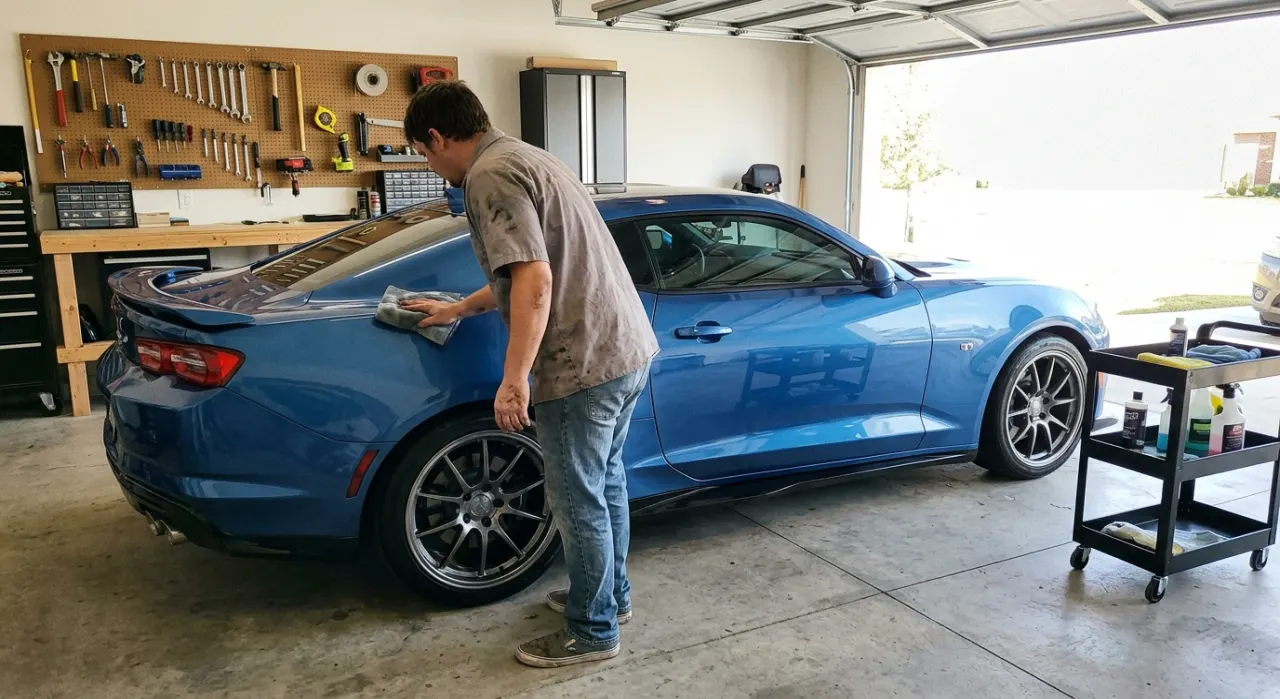
Because the two get marketed interchangeably, owners often buy the wrong one for their actual problem. Here is what each genuinely defends against, based on aggregated owner reviews and detailer consensus:
- Rock chips and road debris — PPF only. This is the single biggest reason to buy film. A ceramic coating offers effectively zero protection here; a stone at highway speed will chip coated paint exactly as it would bare paint.
- Light scratches and swirl marks — PPF wins decisively thanks to self-healing. A ceramic coating adds a thin layer of scratch resistance but does not heal, so a deeper scratch cuts straight through to the paint.
- Bird droppings, bug guts, sap and acid rain — both help, ceramic slightly more. The coating's slick, chemically inert surface resists etching and makes contaminants easy to rinse off before they bite.
- UV fade and oxidation — both block UV. Ceramic is often marketed harder on this, but quality PPF also carries UV inhibitors that keep the film and the paint below it from yellowing.
- Water spots and general grime — ceramic wins. The extreme water-beading means most dirt rinses away with far less scrubbing, which is the day-to-day benefit owners notice most.
- Door dings and low-speed scrapes — PPF offers modest cushioning; ceramic offers none. Neither will save you from a real parking-lot impact.
Line those up and the split is obvious: if your pain is physical — chips on the highway, scratches from a car cover or automatic wash — you need film. If your pain is cosmetic and chemical — dull finish, hard washing, bird-bomb etching — you need a coating. Most owners actually have both problems, which is why the "versus" framing is misleading.
Real cost and value over the life of the car
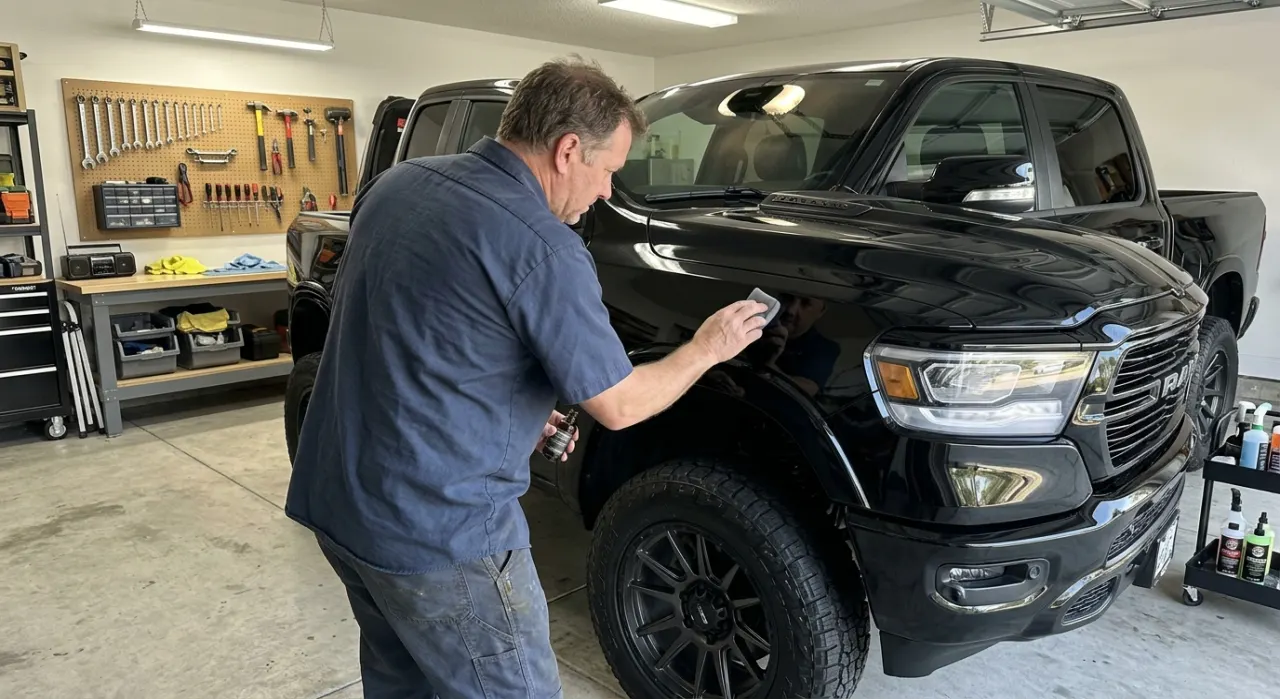
The price gap is the first thing that pushes people toward ceramic, and it is real. A professional ceramic coating on a whole car commonly runs $600 to $1,500, while a consumer bottle you apply yourself can be under $100. Paint protection film is a different order of magnitude: a partial front (bumper, a strip of the hood, mirrors) starts around $600 to $1,200, a full front runs $1,500 to $2,500, and a full-car wrap in film can reach $5,000 to $8,000 or more. The reason is labor — film is cut, stretched and hand-conformed to each panel by a skilled installer, and the material itself is expensive.
But the honest way to weigh cost is against what each product saves you. A single rock chip that reaches the paint can mean a repaint of that panel to fix it properly — often $500 to $1,500 on its own. On a daily-driven highway car, PPF on the front end frequently pays for itself over a few years by preventing exactly that damage, and it protects resale value on the panels buyers inspect first. A ceramic coating rarely prevents a repair; its value is in years of easier washing, sustained gloss and fewer trips to correct etching — real, but softer, savings.
Lifespan also shifts the math. Quality PPF carries 7 to 10-year warranties against yellowing and lifting, so it is close to a one-time cost per ownership cycle. Ceramic coatings realistically last 2 to 5 years for professional products despite bold "9H, lifetime" marketing, meaning you re-coat once or twice over the same span. Per year of protection, the gap narrows more than the sticker prices suggest.
Why detailers layer them together
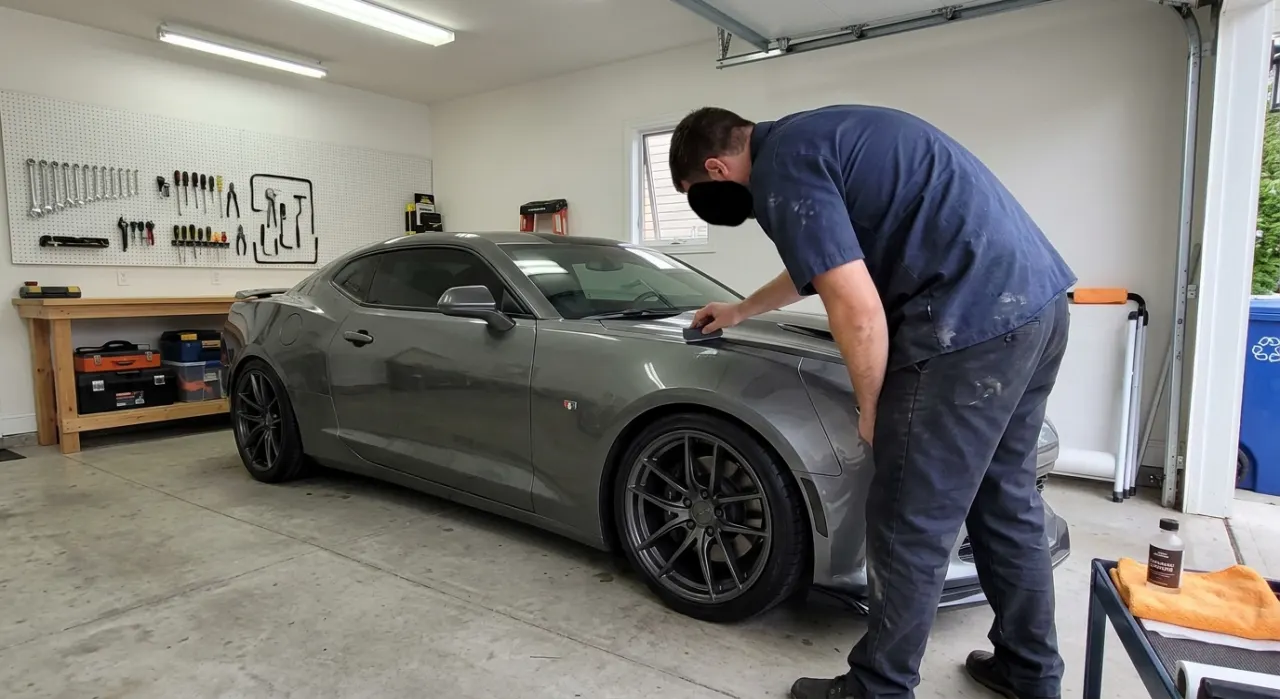
The most common recommendation from professional detailers is not PPF or ceramic — it is PPF then ceramic, and it is worth understanding why the combination is more than the sum of its parts.
PPF is superb at taking hits, but the urethane surface itself is not the slickest or the most stain-resistant material. Applying a ceramic coating over the film gives you the best of both: the impact protection of the physical layer, plus the deep gloss, hydrophobics and chemical resistance of the coating sitting on top. Owners consistently report that a coated film is easier to keep clean, sheds water better, and looks glossier than bare PPF. Many premium films now ship with a ceramic-infused top coat for exactly this reason.
The typical smart-money setup on a daily driver looks like this: PPF on the high-impact front end (bumper, hood leading edge, mirrors, and often rocker panels and the area behind the rear wheels), then a ceramic coating over the entire car — film and bare paint alike. You spend the film money only where debris actually strikes, and let the far cheaper coating handle gloss and easy-cleaning everywhere else. That is the layered strategy that gets recommended over and over, and it sidesteps the false choice the marketing sets up.
Common myths and mistakes
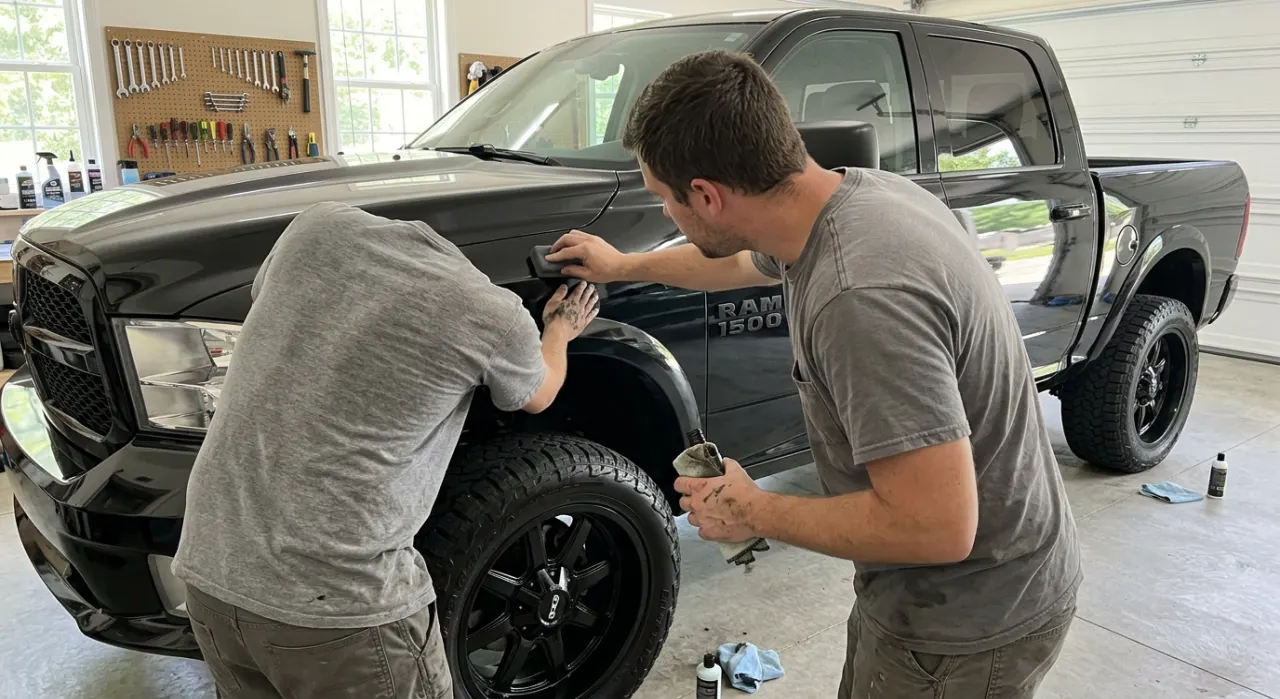
"A ceramic coating makes my paint scratch-proof." No. This is the single most damaging myth in car care. Ceramic adds a thin layer of hardness and marketers love the "9H" pencil rating, but it will not stop rock chips or resist a real scratch — anything that would scratch clear coat will scratch through a coating to reach it. Owners who skip PPF believing the coating protects against chips are consistently disappointed.
"PPF and ceramic do the same thing, so I only need one." They overlap only slightly. PPF is impact protection; ceramic is surface and chemical protection. Choosing based on price alone often means buying the cheaper product for a problem it cannot solve.
"PPF looks bad — you can see it." On a good install with modern film, edges are wrapped or tucked and the film is nearly invisible from a normal viewing distance. Visible edges and bubbles are usually a sign of a rushed or inexperienced installer, not the product itself.
"I can DIY full-car PPF to save money." Ceramic coating is genuinely DIY-friendly for a careful owner. PPF is not — cutting and heat-stretching film without lifting, stretch marks or trapped debris takes real skill and tooling, and a botched install can cost more to remove and redo than doing it right the first time.
Which should you buy — and how to decide
There is no universal winner, because this is not really a versus. The right answer depends on what you are trying to protect against and what you are willing to spend. Match the product to the problem.
Buy PPF if your car is a daily driver that sees highway miles, you care about preventing rock chips and preserving resale value, and you want protection that lasts most of your ownership. Prioritize the high-impact front end first — a partial or full front is where the money works hardest — and add a coating on top when budget allows.
Buy a ceramic coating if your priorities are gloss, dramatically easier washing, and defense against bird droppings, sap and UV fade — and you want whole-car coverage without a four-figure bill. It is also the sensible pick for a garage-kept weekend car that rarely faces road debris.
Buy both if you can, in the order detailers recommend: film where debris strikes, ceramic over everything. That layered setup is the one that actually removes the trade-off — you get impact protection where you need it and effortless shine everywhere. Whatever you choose, use a reputable installer and quality named brands, because with both products the install quality matters as much as the material.
Recommended Products
Our top picks in this category, ranked on aggregated owner reviews.
Best for the best DIY durability and gloss
- Graphene-infused hardness
- 2–5 year durability
- Slick, high-gloss finish
- Beginner-friendly kit
Why buy it: the best all-round DIY kit — long life and an easy application.
Best for maximum longevity
- Pro-grade hardness
- 2+ year protection
- Deep, warm gloss
Why buy it: a detailer favorite that survives years with proper prep.
Best for fast spray-on protection
- Spray-on / wipe-off
- SiO2 hydrophobic layer
- Great for beginners
Why buy it: spray-on ceramic protection in minutes with no cure fuss.

Best for the closest thing to a pro coating
- Near-professional hardness
- 5+ year durability
- Superb chemical resistance
Why buy it: pro-tier protection you can still apply at home.
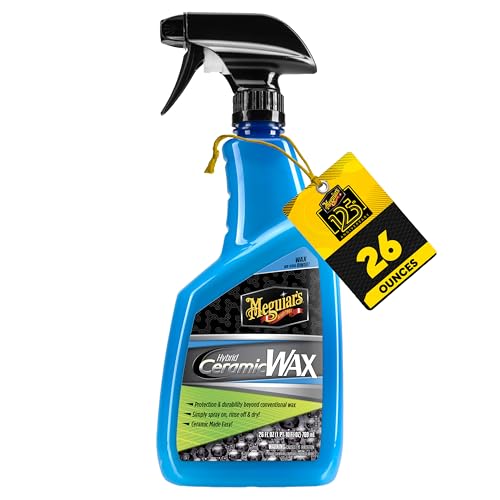
Best for cheap ceramic beading
- Spray on wet or dry
- Strong water beading
- Cheapest per use
Why buy it: the cheapest way to get ceramic-style beading fast.

Best for a complete beginner bundle
- Coating + applicators included
- Simple instructions
- Widely available
Why buy it: an all-in-one beginner bundle with everything you need.
Prices are pulled from Amazon and were accurate as of Aug 22, 2026, 6:54 PM EDT. Product prices and availability are subject to change — the live price is shown on Amazon.