
Affiliate Disclosure
Some links on this page are affiliate links. As an Amazon Associate, we earn from qualifying purchases — at no extra cost to you. We do not buy, test, or physically handle the products we cover; our rankings come from aggregated owner reviews, ratings and expert consensus. Commissions never change our verdicts. How we rank & full disclosure.
Run-Flat Tires
A reinforced tire engineered to keep rolling after a puncture — usually 50 miles at up to 50 mph on zero air — thanks to stiff sidewalls that hold the car's weight without pressure. Many luxury and BMW models ship on them from the factory.
Best for: Drivers who value not being stranded, cars with no spare, and anyone who prioritizes safety and convenience over ride comfort and cost
Typically $150–$350+ per tire — often 20–50% more than a comparable regular tire
- Keep driving after a puncture — roughly 50 miles at up to 50 mph with zero pressure
- No need to change a tire on the roadside, which is safer in traffic or bad weather
- Let automakers delete the spare, freeing trunk space and cutting vehicle weight
- Stable handling during a sudden air loss — the car doesn't lurch when a tire deflates
- Paired with a TPMS so you always know the moment pressure drops
- Stiffer sidewalls give a firmer, harsher ride that owners consistently notice
- Cost 20–50% more per tire, and many models are usually not repairable
- Heavier, which can slightly hurt fuel economy and acceleration
- Fewer size and brand options, so replacements can be hard to source
Regular (Conventional) Tires
A standard pneumatic tire that relies entirely on air pressure to carry the load and hold its shape. Lose the air and it goes flat — but it rides softer, costs less, and can usually be plugged or patched.
Best for: Most drivers who want a comfortable ride, lower running costs, wide tire selection, and don't mind carrying a spare or a repair kit
Typically $100–$250 per tire, with far more budget and premium options at every size
- Softer, more compliant ride that soaks up bumps and road noise better
- Cheaper to buy and much cheaper to fix — most punctures are a $20–$40 plug or patch
- The widest possible choice of brands, sizes, treadwear ratings and price points
- Lighter, which helps ride, fuel economy and steering feel
- A puncture leaves you stranded unless you carry a spare, plug kit or inflator
- Changing a tire roadside can be unsafe on a shoulder or in bad weather
- Sudden blowouts can cause a noticeable pull or loss of control at speed
- A spare tire and jack add weight and eat trunk space
How they score, side by side
Scores reflect aggregated owner reviews and expert consensus — not our own bench testing.
- Puncture safety / stay-mobile94
- Ride comfort59
- Value / running cost49
- Repairability39
- Selection & availability410
- Convenience (no roadside change)95
Spec-by-spec comparison chart
| Factor | Run-Flat Tires | Regular (Conventional) Tires |
|---|---|---|
| How it handles a puncture | Keeps rolling ~50 mi at up to 50 mph | Goes flat — needs spare or repair |
| Ride comfort | Firmer, harsher over bumps | Softer, more compliant |
| Price each | $150–$350+ (20–50% premium) | $100–$250 (widest range) |
| Repairability | Often not repairable after a run-flat event | Usually plug/patch for $20–$40 |
| Weight | Heavier (reinforced sidewall) | Lighter |
| Requires TPMS | Yes — essentially mandatory | Recommended, legally required since 2008 |
| Spare tire needed | No — car can delete the spare | Yes (or a repair kit) |
| Size & brand choice | Limited selection | Very wide selection |
| Fuel economy impact | Slightly worse (extra weight) | Baseline / better |
| Typical tread life | Often shorter (softer compounds vary) | Comparable to better, by model |
Our Top 3 Picks
The three highest-rated options in this category, if you'd rather skip straight to a proven pick.
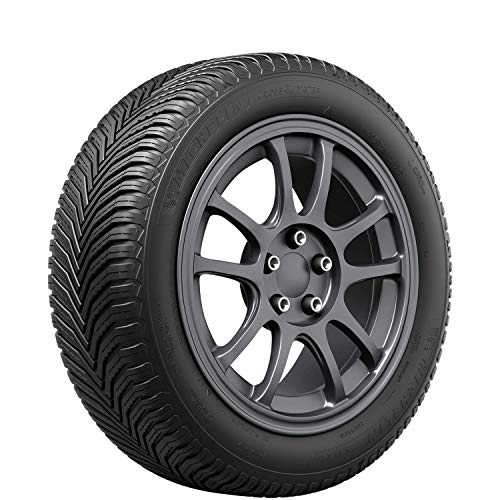
Best for the best all-round grip, wear and light-snow ability
- V-shaped tread with 3-peak-mountain-snowflake rating
- Class-leading wet and dry braking
- 60,000-mile treadwear warranty
- Real light-snow traction for an all-season
Why buy it: the tire owners and experts keep crowning as the best all-rounder — it brakes shorter in the wet than most rivals and genuinely handles snow, so it fits almost any driver in a four-season climate.

Best for the longest tread life on a sedan or minivan
- Up to 80,000-mile treadwear warranty
- Quiet, comfortable highway ride
- Strong wet grip and even wear
- Michelin’s longest-lasting all-season
Why buy it: the set-and-forget touring tire owners rate for outlasting everything else — fit it once and forget about tires for years.

Best for premium wet braking at a mid-range price
- Up to 80,000-mile treadwear warranty
- EcoPlus compound for shorter wet stops
- Fuel-efficient, low rolling resistance
- Wear indicators built into the tread
Why buy it: a hugely popular touring tire that delivers premium-brand wet performance and an 80k warranty for less than the flagships.
Prices are pulled from Amazon and were accurate as of Aug 22, 2026, 6:54 PM EDT. Product prices and availability are subject to change — the live price is shown on Amazon.
How run-flats and regular tires actually differ
From the outside the two look almost identical, and they mount on the same wheels. The entire difference is in one place: the sidewall — the vertical section of rubber between the tread and the rim. On a regular tire, that sidewall is thin and flexible, and it does no load-bearing work on its own. The air pressure inside is what actually holds the car up. Let the air out and the sidewall folds, the tire collapses onto the rim, and you are riding on metal within a mile.
A run-flat tire re-engineers that sidewall so the tire, not the air, can hold the weight. The most common design — self-supporting run-flats, used by BMW, MINI and many luxury brands — builds thick, heat-resistant reinforcing rubber into the sidewall. When pressure drops to zero, those reinforced walls carry the load long enough to get you somewhere safe: the industry standard is roughly 50 miles at up to 50 mph on a completely flat tire. A second, rarer design uses a support ring bolted to the wheel that the tread rests on when deflated.
Everything owners notice about run-flats flows from that one change. The stiffer sidewall that saves you after a puncture is the same stiff sidewall that transmits more of every bump into the cabin, adds weight, and makes the tire pricier to build. There is no free lunch here — you are buying a structural insurance policy, and you pay for it in ride quality, cost and selection every day you drive, not just the day you get a nail.
Because a deflated run-flat gives almost no visual or steering warning that it is losing air, run-flats are only sold on cars equipped with a tire-pressure monitoring system (TPMS). The dashboard warning is what tells you the tire is flat, since the car doesn't feel dramatically different. That dependency is worth remembering: run-flats and TPMS are a package, not two independent choices.
The ride and comfort trade-off
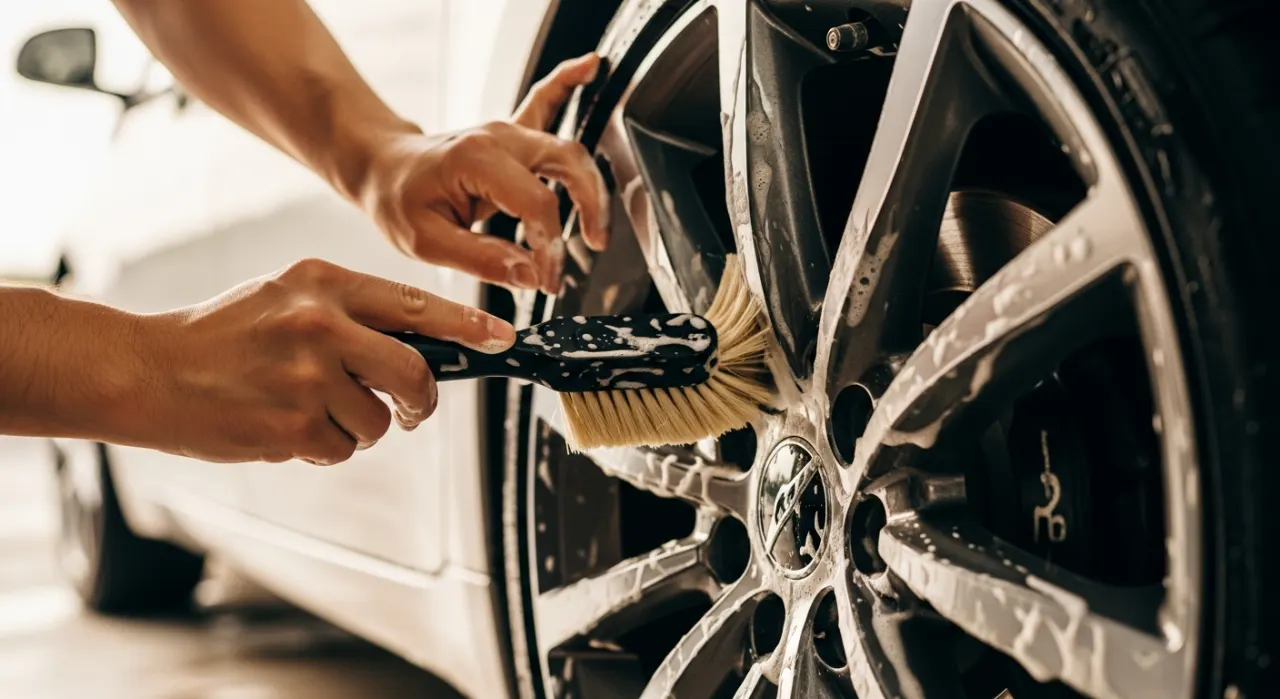
This is the single most-reported downside, and it is not subtle. Aggregated owner reviews and long-term forum threads are remarkably consistent: drivers describe run-flat rides as firmer, busier and noisier over broken pavement, expansion joints and potholes. The reinforced sidewall simply can't flex and absorb impacts the way a conventional sidewall does, so more of the road reaches the seat.
The complaints cluster around a few specifics:
- Impact harshness — sharp bumps, tar strips and potholes come through with a jolt rather than a muted thump. On stiff-riding sports sedans this stacks on top of an already firm suspension.
- Road noise — many owners report a louder, more "roary" cabin, especially on coarse highway surfaces.
- Pothole vulnerability — because the sidewall is rigid, a hard pothole hit can crack a wheel or damage the tire where a softer conventional tire would have flexed and survived.
The flip side is genuine: that same stiffness gives more direct, planted steering response, and it is why some performance drivers don't mind them. But for the majority of buyers whose priority is a comfortable daily commute, the consensus is clear — regular tires ride noticeably better, and it is the number-one reason owners switch away from run-flats at replacement time.
Safety, convenience and the missing spare
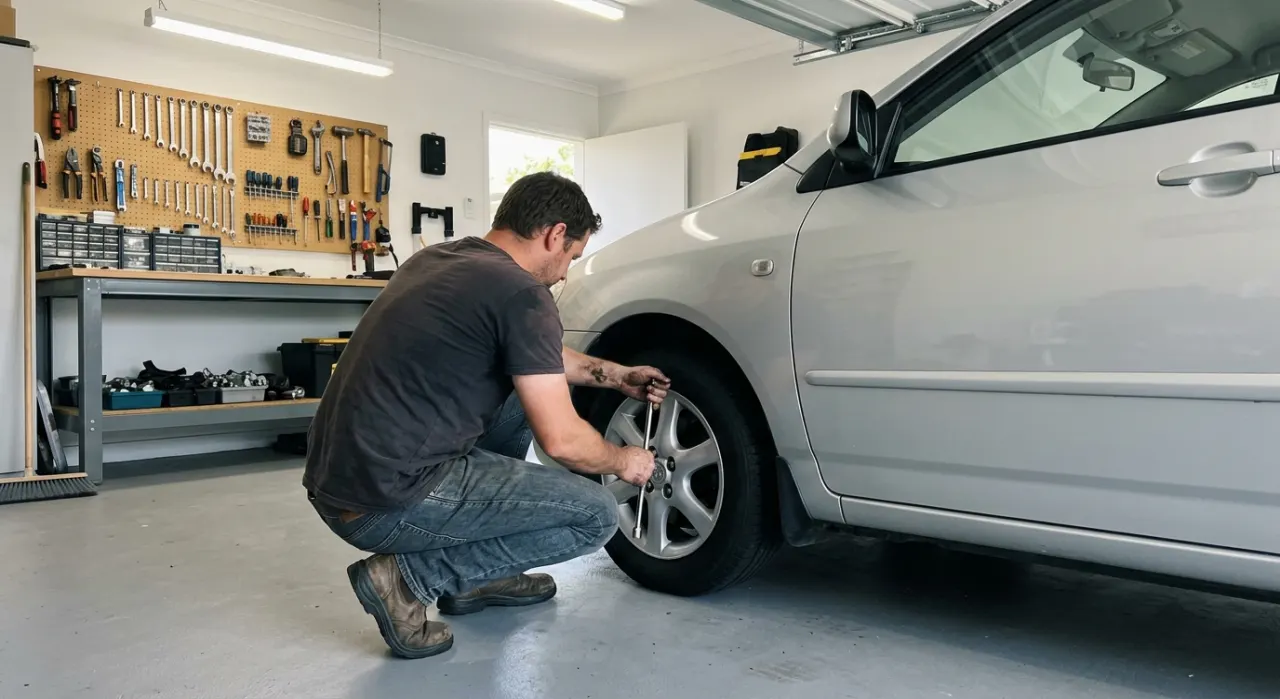
Everything on the regular-tire side of the ledger gets balanced against one real advantage of run-flats: you are far less likely to be stranded, and far less likely to change a tire in a dangerous spot. A blowout or slow leak on a regular tire can force you onto a narrow shoulder, in the dark, in the rain, kneeling next to live traffic — a genuinely hazardous situation that causes injuries every year. A run-flat lets you keep driving to a well-lit lot, a tire shop, or simply home.
There's a second-order benefit too: because a deflating run-flat keeps its shape, the car doesn't lurch or pull the way a suddenly-flat conventional tire can. Handling during the air-loss event stays predictable, which matters most at highway speed.
The convenience angle is why automakers embraced them. A car designed around run-flats can delete the spare tire, jack and tools entirely — freeing trunk space and shaving weight. That is great until you get a puncture that a run-flat can't survive, at which point a car with no spare and no repair kit leaves you calling a tow. This is the trap owners fall into: they switch to regular tires but forget the factory never gave them a spare. If you run regular tires on a spare-delete car, you must carry a plug kit and a compact inflator, or you have quietly given up the one thing run-flats were protecting.
Real cost over the life of the tires
Run-flats cost more at every stage, and the gap is bigger than the sticker suggests. On the purchase, expect to pay roughly 20–50% more per tire — a set that would be $600 in conventional rubber can easily run $850–$1,200 in run-flat form, and premium staggered fitments on performance cars climb higher.
The bigger, less obvious cost is repairability. A regular tire with a nail in the tread is usually a $20–$40 plug or patch and you're back on the road. Many run-flats, by contrast, are not repairable once they've been run flat, because driving on zero pressure can invisibly degrade the reinforced sidewall — most manufacturers and shops will simply refuse to patch one that has done a run-flat event, and even a simple tread puncture is often declined. That turns a cheap fix into a full tire replacement.
Add the smaller ongoing costs — the extra weight slightly worsens fuel economy, tread life on some run-flat models runs shorter, and the limited selection means less competition on price — and the lifetime figure clearly favors regular tires. What you are paying that premium for is not performance; it is the convenience and safety of never being stranded. Whether that is worth several hundred dollars a set is exactly the personal call this comparison comes down to.
Can you switch from run-flats to regular tires?
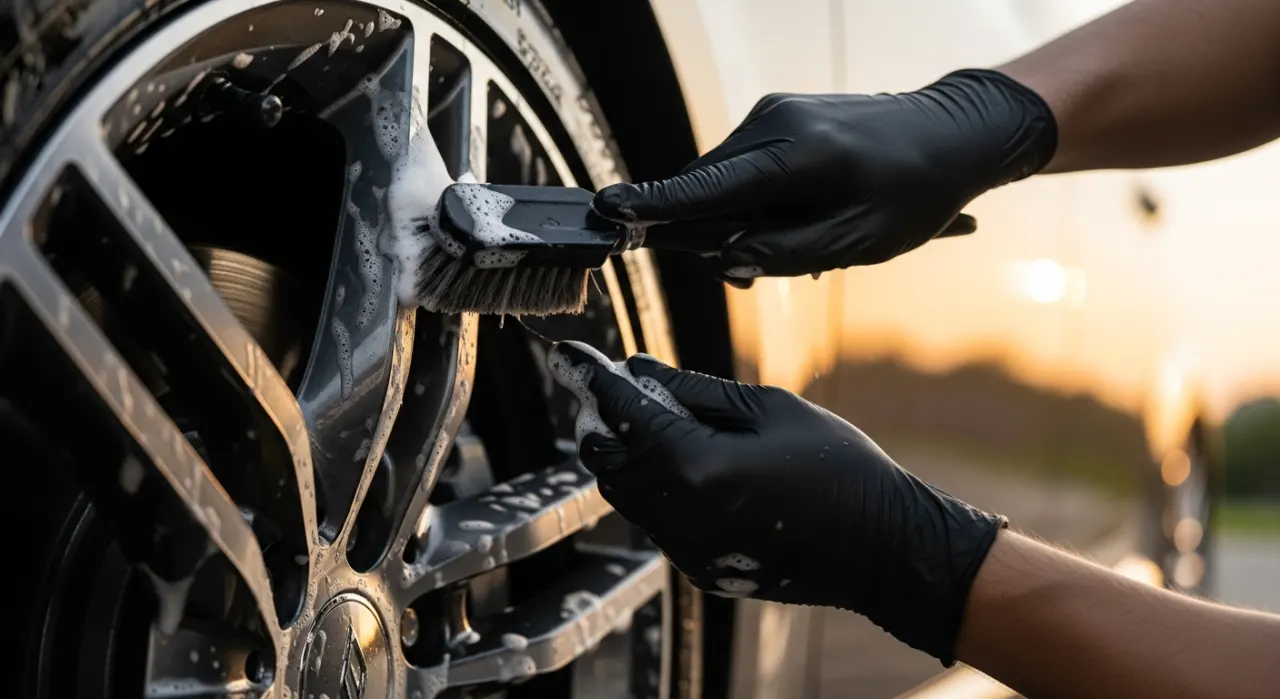
Yes — this is one of the most common tire questions owners ask, and for the vast majority of cars the answer is a straightforward yes. Run-flats and regular tires use the same wheels and the same sizes, so a conventional tire in your factory size bolts on without any modification. Owners switching from run-flats to regular tires overwhelmingly report the same thing: a dramatically softer, quieter ride, often described as making the car feel like a different vehicle.
Two cautions before you do it:
- Carry a way to handle a flat. If your car came with run-flats it almost certainly has no spare. Buy a tire plug kit and a small 12V inflator and keep them in the trunk — that restores the safety net you're giving up.
- Keep the TPMS. Your car's pressure sensors still work with regular tires and you should keep using them. Federal law has required TPMS on new light vehicles since 2008, and it matters more, not less, once you no longer have run-flat backup.
Going the other way — putting run-flats on a car that came with regular tires — is possible but rarely worthwhile. You'd inherit the harsher ride and higher cost without the packaging benefit, since your car still has its spare and wasn't tuned for run-flat sidewall stiffness. The consensus is to switch away from run-flats far more often than toward them.
Common myths and mistakes
"A run-flat can never go flat." Not true. It can absolutely lose all its air — the point is that it keeps its shape and stays drivable for a limited distance and speed afterward. Exceed the ~50-mile / 50-mph limit and you can destroy the tire and damage the wheel.
"You can mix run-flats and regular tires." Strongly discouraged. Mixing the two on the same car defeats the purpose — a puncture on the regular-tire corner still strands you — and the different stiffness front-to-rear can subtly upset handling. Run a full matched set of one type.
"Run-flats are always repairable, just like normal tires." The opposite is closer to the truth. Once a run-flat has been driven on while deflated, most manufacturers say do not repair it, and many shops won't patch one even for a simple tread nail. Budget for replacement, not repair.
"I switched to regular tires, so I'm all set." Only if you also added a plug kit or inflator. The most common and dangerous mistake is switching off run-flats on a spare-delete car and carrying nothing — the first nail then becomes a tow truck.
Which should you buy — and how to decide
There is no single winner here — it genuinely depends on what you value and what your car was built for. The honest way to decide is to be clear about which trade-off you'd rather live with every day.
Stay with (or choose) run-flats if your car came on them and has no spare, you regularly drive alone, at night, or on high-speed highways where a roadside tire change would be dangerous, and you value never being stranded more than you value ride comfort or saving money. Drivers who prioritize safety and convenience — and who don't want to think about carrying a repair kit — are the natural run-flat buyers.
Switch to (or choose) regular tires if ride comfort, road noise and running cost matter more to you, you want the widest choice of brands and sizes, and you're willing to carry a plug kit and inflator (or a spare) to cover a puncture. This describes most drivers, which is why the switch away from run-flats is so common — just don't skip the repair kit.
Whichever way you go, buy a full matched set of one type, keep your TPMS active and accurate, and size the tire exactly to your car's factory specification. Decide which trade-off fits your life first, and the "which one" answers itself.
Recommended Products
Our top picks in this category, ranked on aggregated owner reviews.
Best for the best all-round grip, wear and light-snow ability
- V-shaped tread with 3-peak-mountain-snowflake rating
- Class-leading wet and dry braking
- 60,000-mile treadwear warranty
- Real light-snow traction for an all-season
Why buy it: the tire owners and experts keep crowning as the best all-rounder — it brakes shorter in the wet than most rivals and genuinely handles snow, so it fits almost any driver in a four-season climate.
Best for the longest tread life on a sedan or minivan
- Up to 80,000-mile treadwear warranty
- Quiet, comfortable highway ride
- Strong wet grip and even wear
- Michelin’s longest-lasting all-season
Why buy it: the set-and-forget touring tire owners rate for outlasting everything else — fit it once and forget about tires for years.
Best for premium wet braking at a mid-range price
- Up to 80,000-mile treadwear warranty
- EcoPlus compound for shorter wet stops
- Fuel-efficient, low rolling resistance
- Wear indicators built into the tread
Why buy it: a hugely popular touring tire that delivers premium-brand wet performance and an 80k warranty for less than the flagships.

Best for the most tire for the money
- Up to 75,000-mile treadwear warranty
- "Replace Tire" wear indicator in the tread
- Reliable wet braking and light-snow grip
- Backed by Continental’s parent company
Why buy it: the value pick owners rate again and again — a genuinely good touring tire with a 75k warranty at a bargain price.

Best for confidence in rain and winter slush
- 3-peak-mountain-snowflake certified
- Evolving Traction Grooves for wet grip
- 60,000-mile treadwear warranty
- Strong all-weather safety focus
Why buy it: the pick for drivers who see a lot of rain and the occasional storm — a true all-weather tire that carries the winter certification most all-seasons lack.

Best for sporty cars that still need year-round use
- Ultra-high-performance all-season design
- Excellent dry, wet and light-snow grip
- Tread wear indicators (DWS letters)
- A perennial enthusiast favorite
Why buy it: the enthusiast’s all-season — near-summer-tire dry grip with real wet and light-snow ability, so a sports sedan can run one set all year.
Prices are pulled from Amazon and were accurate as of Aug 22, 2026, 6:54 PM EDT. Product prices and availability are subject to change — the live price is shown on Amazon.