
Affiliate Disclosure
Some links on this page are affiliate links. As an Amazon Associate, we earn from qualifying purchases — at no extra cost to you. We do not buy, test, or physically handle the products we cover; our rankings come from aggregated owner reviews, ratings and expert consensus. Commissions never change our verdicts. How we rank & full disclosure.
Vinyl Wrap
A printed or colored adhesive film applied over the factory paint. It changes the look of the car without permanently altering the surface underneath, and it peels off when you are done with it.
Best for: Anyone who wants a bold or unusual color, plans to change the look later, or wants to protect and preserve the original paint underneath
Typically $2,500–$6,000 for a pro full-wrap; ~$500–$1,500 in material for a DIY
- Reversible — peels off cleanly and returns the car to its original paint
- Protects the factory paint from stone chips, UV and light scratches underneath
- Huge range of finishes: matte, satin, gloss, chrome, color-shift, carbon-fiber texture
- Faster turnaround than a quality respray, often a few days versus a couple of weeks
- Preserves resale value by keeping the original paint pristine beneath the film
- Lasts only about 5–7 years before it needs removing and redoing
- Poor prep or a heat-baked car can leave adhesive residue or lift edges
- Cannot hide dents, deep scratches or existing rust — it telegraphs surface flaws
- A cheap or rushed wrap peels, bubbles and fades far faster than paint fails
Paint (Respray)
A traditional refinish where the panel is prepped, primed, base-coated and cleared. It bonds to the metal itself, so it is permanent, repairable, and the factory standard for a reason.
Best for: Owners who want a permanent factory-quality finish, plan to keep the car long-term, or need to fix rust, dents and damage as part of the job
Typically $3,500–$10,000+ for a quality show-grade respray; $1,000–$3,000 for a budget single-stage job
- Permanent and durable — a good clear-coat job lasts 10–15+ years
- Repairable panel by panel; chips and scratches can be spot-fixed and blended
- Handles complex curves, door jambs and edges that vinyl struggles to conform to
- A show-quality respray is still the benchmark for depth of gloss and finish
- Permanent — you cannot easily undo a color you regret
- A top-tier job costs more and ties the car up for one to three weeks
- Overspray, sanding-through and orange peel are real risks with a cheap shop
- A non-factory color can hurt resale value with some buyers
How they score, side by side
Scores reflect aggregated owner reviews and expert consensus — not our own bench testing.
- Reversibility / flexibility102
- Long-term durability69
- Paint protection93
- Finish depth & gloss79
- Repairability68
- Value if kept 10+ years59
Spec-by-spec comparison chart
| Factor | Vinyl Wrap | Paint (Respray) |
|---|---|---|
| What it is | Adhesive film over the paint | Refinish bonded to the panel |
| Reversible | Yes — peels off cleanly | No — permanent |
| Typical lifespan | 5–7 years | 10–15+ years (quality clear-coat) |
| Protects original paint | Yes — acts as a barrier layer | No — it is the finish |
| Hides dents & rust | No — telegraphs surface flaws | Prep can fix dents; rust must be cut out |
| Finish variety | Matte, satin, chrome, color-shift, textures | Any color, but each adds cost |
| Pro cost (full car) | $2,500–$6,000 | $3,500–$10,000+ |
| Turnaround time | A few days | 1–3 weeks |
| Repairability | Re-wrap the damaged panel | Spot-repair & blend a panel |
| Effect on resale | Neutral–positive (paint preserved) | Depends — factory color best |
| DIY realistic? | Small panels yes; full car hard | Rarely — needs booth & skill |
Our Top 3 Picks
The three highest-rated options in this category, if you'd rather skip straight to a proven pick.

Best for the best DIY durability and gloss
- Graphene-infused hardness
- 2–5 year durability
- Slick, high-gloss finish
- Beginner-friendly kit
Why buy it: the best all-round DIY kit — long life and an easy application.

Best for maximum longevity
- Pro-grade hardness
- 2+ year protection
- Deep, warm gloss
Why buy it: a detailer favorite that survives years with proper prep.

Best for fast spray-on protection
- Spray-on / wipe-off
- SiO2 hydrophobic layer
- Great for beginners
Why buy it: spray-on ceramic protection in minutes with no cure fuss.
Prices are pulled from Amazon and were accurate as of Aug 22, 2026, 6:54 PM EDT. Product prices and availability are subject to change — the live price is shown on Amazon.
What actually separates a wrap from a respray
On the surface — literally — vinyl and paint can look almost identical from ten feet away. But they are fundamentally different products doing the same visual job in opposite ways, and understanding that difference is what stops people from buying the wrong one.
A vinyl wrap is a thin, self-adhesive cast film — usually around 3.5 mils thick — that is stretched, heated and squeegeed over the existing factory paint. It bonds to the clear-coat, not the metal, which means the whole thing is a removable layer. Peel it off (correctly, with heat) and the original paint is still underneath, ideally in the same condition it was the day the film went on. The film itself can be printed or pigmented into finishes that paint simply cannot do cheaply: true matte, satin, brushed metal, chrome, carbon-fiber texture, or color-shift that changes hue with the viewing angle.
A respray, by contrast, is a permanent refinish. The panel is sanded, any damage is filled and blocked, primer goes down, then base color, then two or more coats of clear that are the actual protective and glossy layer you see. It chemically and mechanically bonds to the substrate. There is no peeling it off — to change it again you respray again. That permanence is both its strength and its cost: it is the factory standard, it is repairable panel by panel, and a top-tier job still holds the benchmark for depth of gloss.
The cleanest way detailers frame it: a wrap is a costume, paint is a new skin. One is designed to come off; the other is designed to become the car. Neither is "better" in the abstract — they are answers to different questions about how long you want the look to last and whether you ever want to take it back.
How long each one really lasts
This is where the honest numbers matter, because the marketing on both sides oversells. Based on aggregated owner reports and installer consensus, here is the realistic picture:
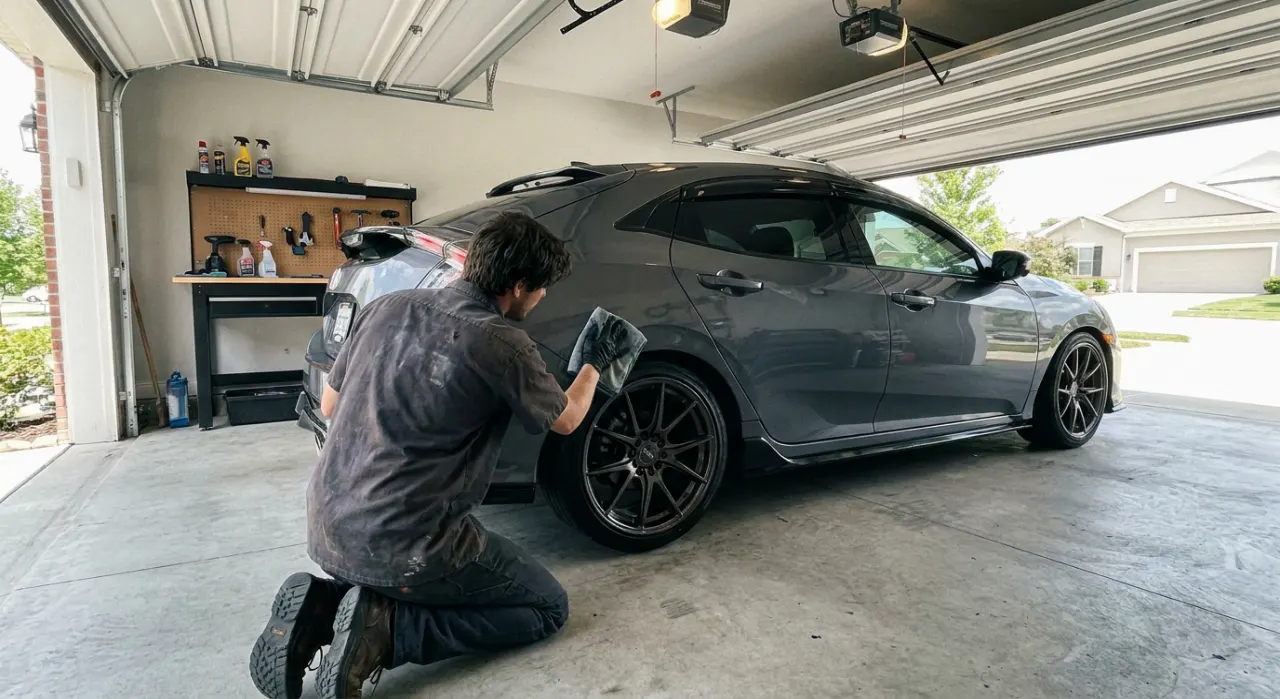
- Vinyl wrap: about 5–7 years for a quality cast film on a car that is garaged and hand-washed. Harsh sun, daily outdoor parking, and frequent automated car washes shorten that. Horizontal surfaces — the roof, hood and trunk — take the most UV and typically fail first, with edges lifting or the film fading before the vertical panels show any age.
- Paint: 10–15+ years for a properly prepped, modern clear-coat respray. Factory paint routinely lasts the life of the car; a good aftermarket job can approach that, though it depends heavily on the shop's prep and clear-coat quality. A rushed budget respray can start failing — clear peeling, fading — in as little as three to five years, which is worth remembering before assuming paint always outlasts vinyl.
The failure modes differ too, and they matter for how the car ages. Vinyl tends to fail visibly and specifically: a lifted edge, a bubble, a scuffed corner, or fading on the roof. Those are often re-wrappable panel by panel. Paint failure is usually clear-coat breakdown — a dull, chalky, peeling patch that spreads — which needs sanding back and refinishing. The key takeaway is that a good wrap does not outlast good paint, and anyone promising a decade from film is overselling. Wrap wins on flexibility and protection, not on raw longevity.
Real cost over the life of the car
The sticker prices overlap enough that "which is cheaper" has no honest one-line answer — it depends entirely on the time horizon. A professional full vinyl wrap on a typical car runs roughly $2,500–$6,000, with exotic finishes like chrome or color-shift pushing toward the top. A quality show-grade respray runs $3,500–$10,000+, while a budget single-stage "production" respray can be had for $1,000–$3,000 — but that budget job is exactly the one prone to early clear failure and overspray.
The trap is comparing the wrap price to paint just once. Play it out over fifteen years:
- A wrap at, say, $4,000 lasts 5–7 years, so keeping the car looking fresh for fifteen years means wrapping it twice or three times — potentially $8,000–$12,000 in film over that span.
- A quality respray at $6,000 that lasts fifteen years is a single spend. Over the long haul, paint can be the cheaper way to hold one look permanently.
But that math flips the moment you factor in change. If you like swapping colors, or you are leasing, or you want to run a wild finish now and go back to factory silver before you sell, the wrap's "repeat cost" is actually its whole point — you are paying for the ability to change, not just for one finish. DIY shifts the numbers again: a full-car material kit runs $500–$1,500, but a first-timer wrapping curved bumpers and mirror caps rarely gets a clean result, and paint DIY without a booth is a near-guaranteed disappointment. For most people, both are shop jobs.
Paint protection and resale value
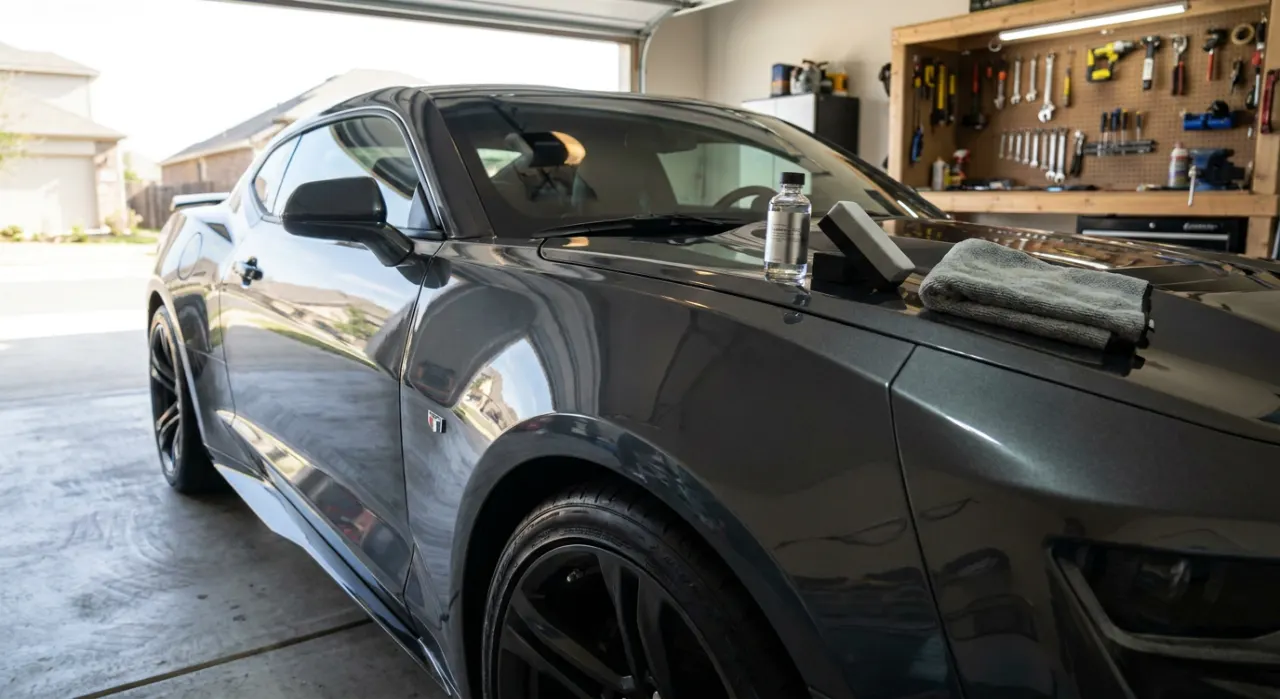
This is the factor that quietly tips a lot of decisions, and it runs almost entirely in vinyl's favor. Because a wrap sits on top of the factory paint, it acts as a sacrificial barrier: it takes the light scratches, the UV, the bird-dropping etching and the parking-lot door dings-worth of scuffs that would otherwise land on the paint itself. Peel the wrap off years later and the original finish is preserved underneath. For enthusiasts and lease-return drivers, that "the real paint is mint" story is a genuine selling point.
Paint has no such barrier — it is the finish, so every chip and swirl lands directly on it. That is not a flaw so much as the nature of the product, but it does mean a resprayed car carries a different resale story. Buyers and some appraisers are cautious about aftermarket resprays because a repaint can also hide accident damage or rust repair. A factory-color, high-quality respray with documentation generally holds value fine; a non-factory color, or an obvious budget job with overspray in the door jambs, can actually drag resale down.
The consensus among detailers is straightforward: if preserving the original paint and keeping resale flexible is a priority, wrap protects value better. If the paint is already damaged, faded or the wrong color and you want to fix it permanently, paint is the honest fix — just keep it factory-correct and documented.
Common myths and mistakes
"A wrap will hide my dents and scratches." The opposite is true. Vinyl is thin and conforms to the surface, so it telegraphs every dent, deep scratch and imperfection underneath — sometimes making them more obvious. Panels must be corrected before wrapping, not disguised by it. Rust especially must be dealt with; film over rust just traps moisture and spreads the problem.
"Wrapping ruins the factory paint." Generally false — a quality wrap on healthy factory paint protects it and peels off cleanly. The horror stories almost always involve wrapping over already-failing paint, aftermarket repaint that wasn't fully cured, or a cheap film left on far past its life so the adhesive bakes on. On sound OEM paint, removal is clean.
"Paint is always more durable than vinyl." Only when it's a good paint job. A cheap single-stage respray can fail faster than a quality wrap. The variable isn't paint-versus-vinyl, it's the quality of prep and materials on either side. Bad examples of both exist.
"I can DIY a full wrap in a weekend." Flat panels, sure. But the recesses, sharp curves, mirror caps, bumpers and door handles are where wraps live or die, and getting film to conform there without lifting or over-stretching takes real practice. Many DIY full wraps end up partially redone by a shop, which erases the savings.
Which should you choose — and how to decide
There is no universal winner here, because they solve different problems. The right pick comes down to three questions: how long do you want this exact look to last, do you ever want to change or undo it, and is the underlying paint healthy or does it need fixing.
Choose a vinyl wrap if you want a bold, unusual, or reversible finish, you might change the look within a handful of years, you want to protect and preserve the factory paint underneath, or you care about keeping resale flexible. It is also the faster job. Insist on a quality cast film and an experienced installer — a rushed wrap is worse than good paint in every way.
Choose paint if you want a permanent, factory-grade finish you intend to keep for a decade or more, you are already fixing dents, rust or damage that only a proper refinish can address, or you simply want the deepest possible gloss and don't plan to change it. Spend for a reputable shop with real prep and clear-coat quality — the budget respray is the one that gives paint a bad name.
For a lot of enthusiasts the honest answer is "wrap now, because it protects the paint and I can undo it," while for someone restoring a keeper or correcting damage the answer is "paint, done once, done right." Identify which of those you are, and the choice makes itself.
Recommended Products
Our top picks in this category, ranked on aggregated owner reviews.
Best for the best DIY durability and gloss
- Graphene-infused hardness
- 2–5 year durability
- Slick, high-gloss finish
- Beginner-friendly kit
Why buy it: the best all-round DIY kit — long life and an easy application.
Best for maximum longevity
- Pro-grade hardness
- 2+ year protection
- Deep, warm gloss
Why buy it: a detailer favorite that survives years with proper prep.
Best for fast spray-on protection
- Spray-on / wipe-off
- SiO2 hydrophobic layer
- Great for beginners
Why buy it: spray-on ceramic protection in minutes with no cure fuss.

Best for the closest thing to a pro coating
- Near-professional hardness
- 5+ year durability
- Superb chemical resistance
Why buy it: pro-tier protection you can still apply at home.
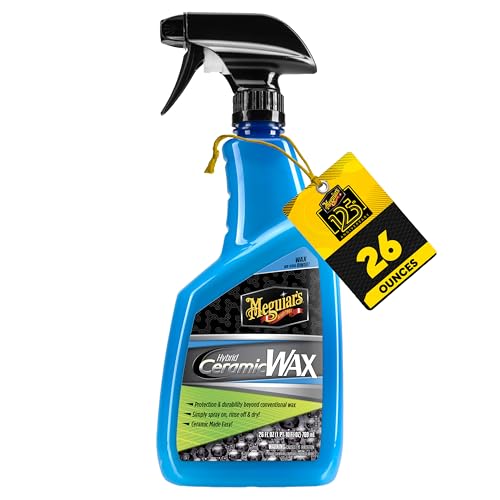
Best for cheap ceramic beading
- Spray on wet or dry
- Strong water beading
- Cheapest per use
Why buy it: the cheapest way to get ceramic-style beading fast.

Best for a complete beginner bundle
- Coating + applicators included
- Simple instructions
- Widely available
Why buy it: an all-in-one beginner bundle with everything you need.
Prices are pulled from Amazon and were accurate as of Aug 22, 2026, 6:54 PM EDT. Product prices and availability are subject to change — the live price is shown on Amazon.