
Affiliate Disclosure
Some links on this page are affiliate links. As an Amazon Associate, we earn from qualifying purchases — at no extra cost to you. We do not buy, test, or physically handle the products we cover; our rankings come from aggregated owner reviews, ratings and expert consensus. Commissions never change our verdicts. How we rank & full disclosure.
Vinyl Wrap
A thin, printed or colored PVC film applied over your paint to change how the car looks. It comes in gloss, matte, satin, chrome, color-shift and hundreds of finishes you cannot get from a factory paint code.
Best for: Owners who want a new color or finish, full-body style changes, or reversible personalization
Typically $2,500–$6,000 for a full-car wrap installed; $500–$1,500 for partial panels
- Transforms color and finish in ways paint can't — matte, satin, chrome, color-shift
- Reversible: peels off to reveal the original paint underneath, protecting resale
- Far cheaper than a quality respray for a full color change
- Adds a light barrier against minor UV fade, small scuffs and wash swirl
- Individual panels can be re-wrapped or swapped without redoing the whole car
- Thin (~3–4 mil) and offers little protection from rock chips or road debris
- No self-healing — scratches and swirls stay until the panel is replaced
- Typical lifespan of 5–7 years before edges lift, fade or crack
- Cheap film or a poor install can trap moisture and damage the paint on removal
Paint Protection Film (PPF)
A clear, thick urethane film — often called a "clear bra" — laid over the paint purely to shield it. Premium grades self-heal light scratches with heat and are engineered to take impacts, not to change the look.
Best for: Owners protecting a high-value or new car from rock chips, road rash and long-term paint damage
Typically $1,500–$3,000 for a front-end/partial kit; $5,000–$9,000+ for full-body coverage
- Thick (~6–8 mil) urethane absorbs rock chips, road rash and scuffs the paint would take
- Self-healing top coat erases light swirls and scratches with heat from the sun or warm water
- Preserves the factory finish underneath, protecting resale on premium cars
- Clear grades are nearly invisible and keep the original paint color and depth
- Manufacturer warranties commonly run 8–10 years against yellowing and cracking
- Two to three times the cost of vinyl for the same coverage area
- Clear film only — it protects the look you have, it can't change color or finish
- Demands expert installation; visible edges or bubbles are hard to hide on clear film
- Cheaper non-self-healing PPF can yellow over time in strong sun
How they score, side by side
Scores reflect aggregated owner reviews and expert consensus — not our own bench testing.
- Rock-chip protection310
- Color / finish options102
- Self-healing19
- Value per dollar86
- Longevity69
- Resale preservation69
Spec-by-spec comparison chart
| Factor | Vinyl Wrap | Paint Protection Film (PPF) |
|---|---|---|
| Primary purpose | Change color / finish (aesthetic) | Protect paint from damage |
| Typical thickness | ~3–4 mil PVC film | ~6–8 mil urethane film |
| Self-healing | No | Yes (premium grades, with heat) |
| Rock-chip protection | Minimal | Excellent — the whole point |
| Changes the car's color | Yes — hundreds of finishes | No — clear only |
| Finish options | Gloss, matte, satin, chrome, color-shift | Gloss or matte clear only |
| Reversible / removable | Yes — peels off cleanly | Yes — but usually kept long-term |
| Typical lifespan | 5–7 years | 8–10 years |
| Full-car cost (installed) | $2,500–$6,000 | $5,000–$9,000+ |
| UV / oxidation resistance | Good on quality film | Excellent — engineered for it |
Our Top 3 Picks
The three highest-rated options in this category, if you'd rather skip straight to a proven pick.

Best for the best DIY durability and gloss
- Graphene-infused hardness
- 2–5 year durability
- Slick, high-gloss finish
- Beginner-friendly kit
Why buy it: the best all-round DIY kit — long life and an easy application.

Best for maximum longevity
- Pro-grade hardness
- 2+ year protection
- Deep, warm gloss
Why buy it: a detailer favorite that survives years with proper prep.

Best for fast spray-on protection
- Spray-on / wipe-off
- SiO2 hydrophobic layer
- Great for beginners
Why buy it: spray-on ceramic protection in minutes with no cure fuss.
Prices are pulled from Amazon and were accurate as of Aug 22, 2026, 6:54 PM EDT. Product prices and availability are subject to change — the live price is shown on Amazon.
What actually separates vinyl wrap from PPF
People shop these two films against each other constantly, and the confusion is understandable — both are adhesive films applied over factory paint, both are installed by the same shops, and both get described loosely as "wrapping the car." But they were engineered for opposite jobs, and buying one when you wanted the other is one of the most common and expensive mistakes owners make.
Vinyl wrap is a thin PVC film, usually around 3 to 4 mil thick, that exists to change how the car looks. It comes printed or pigmented in finishes paint simply can't produce affordably — matte, satin, brushed metal, chrome, and color-shift films that change hue with the viewing angle. Detailers and installers describe it as a cosmetic layer first and a protective one a distant second. It will shrug off a light wash mitt scuff, but it is far too thin to stop a highway stone.
Paint protection film, known in the trade as PPF or a "clear bra," is a thick clear urethane — typically 6 to 8 mil — laid over the paint for one reason: to take damage so the paint doesn't. Premium PPF has a self-healing top coat that closes light scratches and swirl marks when warmed by the sun or hot water. It is designed to be nearly invisible, so it changes nothing about the color or finish underneath. The whole point is that you don't notice it until a rock hits it instead of your clear coat.
The cleanest way installers frame it: vinyl changes the look and barely protects; PPF protects and barely changes the look. They share a category — adhesive automotive film — but they sit at opposite ends of the aesthetic-versus-armor spectrum, which is exactly why they cost different amounts and why the right choice depends entirely on what you're actually trying to achieve.
Protection vs. appearance — the core divide
Almost every real difference between these two films traces back to thickness and the top coat, so it's worth being precise about what each one physically does when something hits your car.
- Rock chips and road rash: This is PPF's entire reason to exist. At 6–8 mil of impact-absorbing urethane, it soaks up the energy of highway stones, sand blasting and gravel that would otherwise chip your clear coat and paint. Vinyl's 3–4 mil PVC gives you almost none of that — a sharp stone will punch straight through it into the paint.
- Self-healing: Premium PPF's top coat is elastomeric, meaning light scratches and wash swirls literally close back up with heat — park it in the sun or pour warm water over it and the marks vanish. Vinyl has no self-healing property at all; a scratch in a wrap stays until that panel is re-wrapped.
- Color and finish: This flips the other way. Vinyl is where all the visual freedom lives — you can go satin black, a color-shift purple-to-green, or a chrome finish no factory offers. PPF comes only as clear (occasionally a matte-clear that flattens gloss paint to satin), because any color would defeat its invisible-armor purpose.
- UV and oxidation: Both quality films block a meaningful amount of UV, but PPF is engineered specifically to resist yellowing and oxidation over the long haul, which is why its warranties run longer. Cheap vinyl, by contrast, can fade or go chalky on horizontal panels within a few summers.
The takeaway detailers repeat is simple: decide whether your goal is a different-looking car or a better-protected car. Those are two separate purchases wearing similar-looking films, and the divide between them almost always answers the question for you.
Real cost and value over the life of the car
On installed price, PPF is the more expensive film per square foot, but the honest comparison is what each one is buying you. A full vinyl wrap on a typical sedan or crossover runs roughly $2,500–$6,000 installed, depending on the film brand, finish and how complex the body is to wrap. A full-body PPF job, by contrast, commonly lands anywhere from $5,000 to $9,000 or more, because the material itself costs more and clear film is far less forgiving to install cleanly.
That's why most PPF buyers don't wrap the whole car. The high-value approach the consensus points to is a partial front-end kit — hood, front bumper, fenders, mirrors and often the A-pillars and headlights — for roughly $1,500–$3,000. That targets the exact panels that eat rock chips on the highway and skips the low-impact areas, getting you the protection that actually matters for a fraction of full coverage.
Over the life of the car the value math diverges. Quality vinyl lasts about 5–7 years before edges start lifting, colors fade or the film cracks, at which point it's peeled and, ideally, replaced. Good PPF carries an 8–10 year warranty against yellowing and cracking and is generally left on for the long haul, quietly preserving the paint underneath. For someone flipping the look of a lease or a project car, vinyl's lower cost and reversibility win. For someone keeping a $60,000 car for a decade and protecting resale, PPF's higher upfront cost is the cheaper outcome once you price in the paint corrections and chip repairs it prevents.
Why many owners use both together
The framing that trips people up is treating this as strictly either/or. In practice, wrap and PPF are complementary, and enthusiasts with the budget frequently run both on the same car — which is impossible to understand until you accept they're doing different jobs.
The most common layered setup is PPF on high-impact areas under a full vinyl wrap. The clear film goes down first on the front bumper, hood and leading edges to take the rock chips; the color wrap goes over the top to deliver the finish. That way the vulnerable panels get real armor and the whole car still gets the custom look. Some owners instead wrap the whole car for style and add a self-healing PPF over just the wrap's front end to stop stones from tearing the vinyl.
There's also a growing category of colored and printed PPF that blurs the line — thick urethane films now come in gloss-black, satin and even some colors, offering wrap-like aesthetics with PPF-grade protection. They're pricier than either standard film and the finish range is narrower than vinyl, but for buyers who want one film to both protect and restyle, they're worth asking a reputable installer about. The point stands: this is rarely a binary. Once you separate "how it looks" from "how it's protected," combining the two stops sounding like overkill and starts sounding like a plan.
Common myths and mistakes
"A vinyl wrap will protect my paint like PPF." Not meaningfully. Vinyl adds a thin barrier against wash swirl and minor scuffs, but at 3–4 mil it won't stop the rock chips and road rash PPF is built for. If protection is the goal, vinyl is the wrong tool.
"PPF can give my car a new color." Standard PPF is clear — it protects the finish you already have and changes nothing about the color. Only vinyl (or the newer, pricier colored-PPF films) changes how the car looks. Don't buy clear bra expecting a restyle.
"Wrapping ruins the paint underneath." Quality film applied over healthy paint and removed properly comes off clean and can actually protect resale. The horror stories come from cheap film, poor prep, or wrapping over already-failing or repainted panels — the film can pull weak paint on removal. Prep and film quality are everything.
"Either one is a good driveway DIY." Vinyl on a full car — and PPF especially — is a genuine expert job. Compound curves, edge wrapping and bubble-free clear film take real skill and heat control. A flawed install shows badly and can trap moisture. Small accents are DIY-able; full panels usually aren't.
Which should you buy — and how to decide
There's no universal winner here, because it isn't really a versus. The right answer is dictated by your goal, so name the goal first and the film chooses itself.
You want vinyl wrap if your goal is a different-looking car — a color change, a matte or satin finish, a chrome or color-shift look, or reversible personalization you can peel off before selling or returning a lease. It's also the value pick for changing a full car's color for far less than a quality respray.
You want PPF if your goal is protecting the paint — you've got a new or high-value car, you drive highway miles, and you want to stop rock chips, road rash and swirls from ever reaching the finish. Start with a front-end kit on the impact panels; extend to full-body if the car and budget justify it.
You want both if you've got the budget and want a custom look on a well-protected car — layer PPF on the high-impact front end and wrap over it, or wrap the car and add self-healing film up front to keep stones from tearing the vinyl. Whichever route you choose, use a reputable installer with quality film and a real warranty; the material and the install matter far more than shaving a few hundred dollars off the quote.
Recommended Products
Our top picks in this category, ranked on aggregated owner reviews.
Best for the best DIY durability and gloss
- Graphene-infused hardness
- 2–5 year durability
- Slick, high-gloss finish
- Beginner-friendly kit
Why buy it: the best all-round DIY kit — long life and an easy application.
Best for maximum longevity
- Pro-grade hardness
- 2+ year protection
- Deep, warm gloss
Why buy it: a detailer favorite that survives years with proper prep.
Best for fast spray-on protection
- Spray-on / wipe-off
- SiO2 hydrophobic layer
- Great for beginners
Why buy it: spray-on ceramic protection in minutes with no cure fuss.

Best for the closest thing to a pro coating
- Near-professional hardness
- 5+ year durability
- Superb chemical resistance
Why buy it: pro-tier protection you can still apply at home.
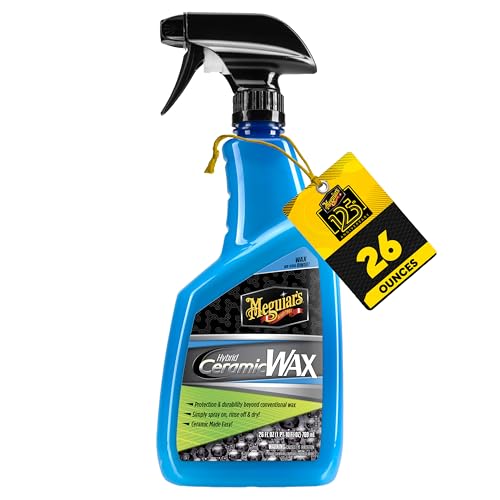
Best for cheap ceramic beading
- Spray on wet or dry
- Strong water beading
- Cheapest per use
Why buy it: the cheapest way to get ceramic-style beading fast.

Best for a complete beginner bundle
- Coating + applicators included
- Simple instructions
- Widely available
Why buy it: an all-in-one beginner bundle with everything you need.
Prices are pulled from Amazon and were accurate as of Aug 22, 2026, 6:54 PM EDT. Product prices and availability are subject to change — the live price is shown on Amazon.