
Affiliate Disclosure
Some links on this page are affiliate links. As an Amazon Associate, we earn from qualifying purchases — at no extra cost to you. We do not buy, test, or physically handle the products we cover; our rankings come from aggregated owner reviews, ratings and expert consensus. Commissions never change our verdicts. How we rank & full disclosure.
Carnauba Wax
A traditional paint sealant made from Brazilian carnauba palm wax, usually blended with oils and solvents into a paste or liquid. It lays down a warm, wet-looking shine that enthusiasts have prized for decades.
Best for: Show cars, dark and deep-colored paint, and anyone who enjoys the ritual of hand-waxing for that classic warm glow
Typically $15–$30 for a paste tub or bottle; premium show waxes run $40–$100+
- Deep, warm "wet" glow that fans especially love on black and dark paint
- Cheap to buy and a single tub lasts many applications
- Forgiving to apply and remove — hard to actually damage anything
- Long track record; the look and behavior are well understood
- No surface prep beyond a clean panel is strictly required
- Short durability — owners report roughly 4–8 weeks before it fades
- Slower to apply: wipe on, wait to haze, then buff off by hand
- Softens and sheds in heat, so summer and hot engine bays are tough on it
- Weaker water beading and sheeting than a modern ceramic layer
Ceramic Spray (SiO₂ Spray Coating)
A spray-on sealant carrying silica (SiO₂) polymers that bond to the clear coat for a slick, glassy finish. It is the easy, DIY-friendly cousin of a professional ceramic coating.
Best for: Daily drivers and busy owners who want fast, durable protection and strong water beading with minimal effort
Typically $15–$30 for a 16 oz bottle that covers many applications
- Fast application — mist onto a wet or dry panel and wipe off in minutes
- Durable: owners commonly report 3–6 months per application
- Aggressive water beading and self-cleaning "sheeting" behavior
- Handles heat and detergents far better than wax
- Slick surface makes future washing quicker and safer for the paint
- Shine reads slicker and "glassier" — some prefer wax's warmer depth
- Needs a genuinely clean, decontaminated surface to bond properly
- Streaks if over-applied or wiped in full sun
- Not the same as a pro 9H coating — durability sits well below that
How they score, side by side
Scores reflect aggregated owner reviews and expert consensus — not our own bench testing.
- Warmth / depth of shine97
- Durability49
- Ease & speed of use59
- Water beading69
- Heat & detergent resistance48
- Value per season68
Spec-by-spec comparison chart
| Factor | Carnauba Wax | Ceramic Spray (SiO₂ Spray Coating) |
|---|---|---|
| Core ingredient | Carnauba palm wax + oils | Silica (SiO₂) polymers |
| Typical durability | 4–8 weeks | 3–6 months |
| Application | Wipe on, haze, buff off by hand | Mist on, wipe off in minutes |
| Time per car | ~45–90 min (paste) | ~15–25 min |
| Water beading | Moderate | Strong, tight beads & sheeting |
| Heat resistance | Softens in heat | Holds up well |
| Look | Warm, deep, "wet" | Slick, glassy, reflective |
| Surface prep needed | Clean panel | Washed & decontaminated |
| Price | $15–$30 (up to $100+ show wax) | $15–$30 per 16 oz bottle |
| Best paint match | Dark / black paint | All colors, esp. metallic |
| DIY difficulty | Easy but slow | Easy and fast |
Our Top 3 Picks
The three highest-rated options in this category, if you'd rather skip straight to a proven pick.

Best for anyone who wants one do-it-all wax
- Synthetic hydrophobic polymer
- Deep, wet-look gloss
- 3–5 months of durability
- Kit includes pad + microfiber towel
Why buy it: the best balance of shine, months-long durability and beginner-easy application.

Best for maximum durability between coats
- 5–7 months of protection
- A little goes a long way
- Cheapest per use
Why buy it: nothing here survives weather longer — the durability champion.

Best for fast, cheap protection in minutes
- SiO₂ spray-on / wipe-off
- Fastest application here
- Strong water beading
Why buy it: the cheapest, fastest protection — spray on wet or dry and go.
Prices are pulled from Amazon and were accurate as of Aug 22, 2026, 6:54 PM EDT. Product prices and availability are subject to change — the live price is shown on Amazon.
What actually separates wax from ceramic spray
On the shelf these look like rivals — both promise shine and protection, both cost about the same, and both go on a clean panel. But they are built from different chemistry and they solve slightly different problems, which is exactly why so many enthusiasts end up owning both.
Carnauba wax is a natural product. The base is a hard wax harvested from the leaves of the Brazilian carnauba palm, then blended with oils and solvents so it can be spread and buffed. When you apply it, the solvents flash off and leave a thin film of wax sitting on top of the clear coat. That film is what produces the signature look — a warm, slightly amber depth that owners describe as "wet," especially striking on black and other dark paint. It is a sacrificial layer that sits on the surface rather than chemically bonding to it.
Ceramic spray is a modern synthetic. It carries silica dioxide (SiO₂) polymers suspended in a carrier that you mist onto the paint. As you wipe it off, those polymers cross-link and form a hard, thin, semi-permanent layer that bonds to the clear coat rather than just resting on it. The result reads differently to the eye — slicker, glassier, more mirror-like — and it behaves very differently in the rain, throwing tight beads of water that roll off and take dirt with them.
The consensus among detailers is the cleanest way to frame it: wax is about the look, ceramic spray is about the protection and the beading. Neither is a lie about the other's job — wax does protect and ceramic spray does shine — but each is clearly better at one thing, and that trade-off drives every decision below.
Durability: how long each one really lasts
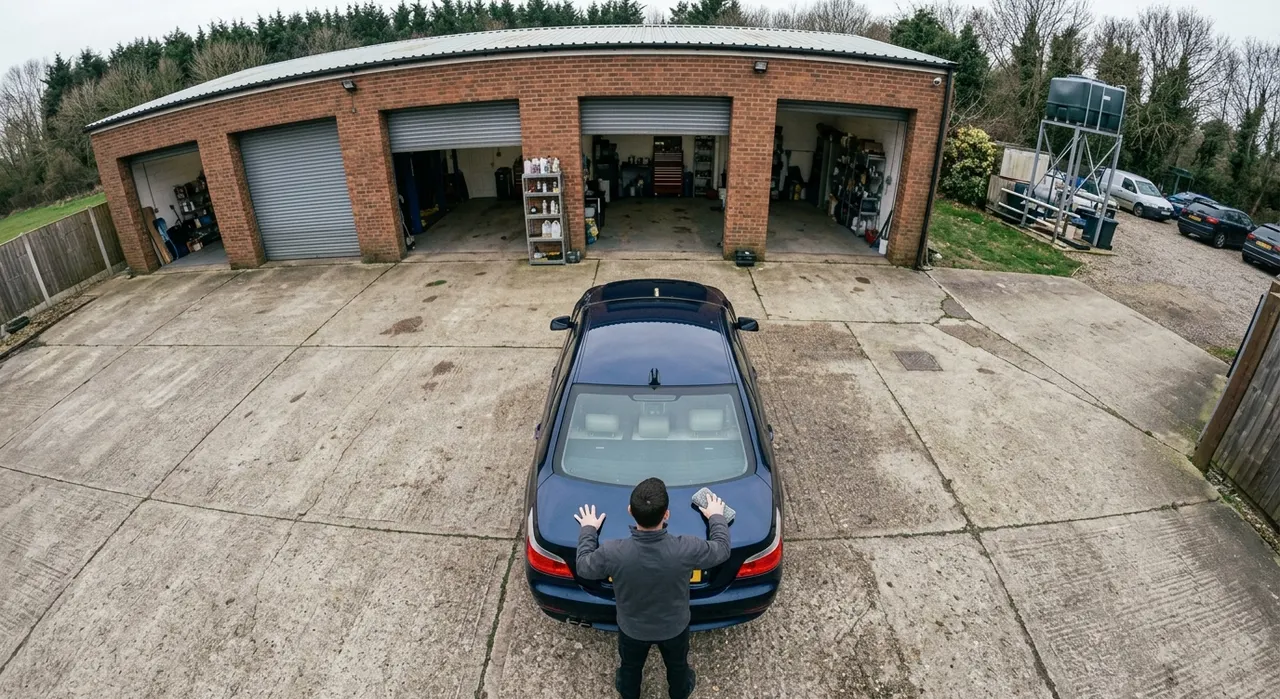
This is the single biggest practical gap between the two, and it is where aggregated owner reviews are most consistent. A coat of carnauba wax typically holds up for 4–8 weeks before the beading dies off and the shine flattens. In hot climates or on a car that lives outside, owners often report the shorter end of that range — the wax literally softens and sheds under UV and heat. Which means realistically you are re-waxing roughly every one to two months to keep protection continuous.
Ceramic spray lasts far longer. Because the SiO₂ layer bonds to the clear coat and shrugs off heat and detergents, owners commonly report 3–6 months per application, sometimes more on a garaged car that gets gentle washes. That is a three-to-six-times durability advantage on the same panel, and it is the reason the busy daily-driver crowd has largely migrated to spray sealants.
Two honest caveats keep this fair. First, ceramic spray is not a professional 9H ceramic coating — those cured, multi-year coatings are a different product that costs far more and takes hours to apply. A spray sits well below them on durability and hardness; it is the convenient middle ground, not the top tier. Second, real-world durability for either product depends heavily on wash frequency, wash chemicals, sun exposure and whether the car is garaged. Treat 4–8 weeks and 3–6 months as the sensible planning numbers, not guarantees.
The look: warm glow vs glassy slickness
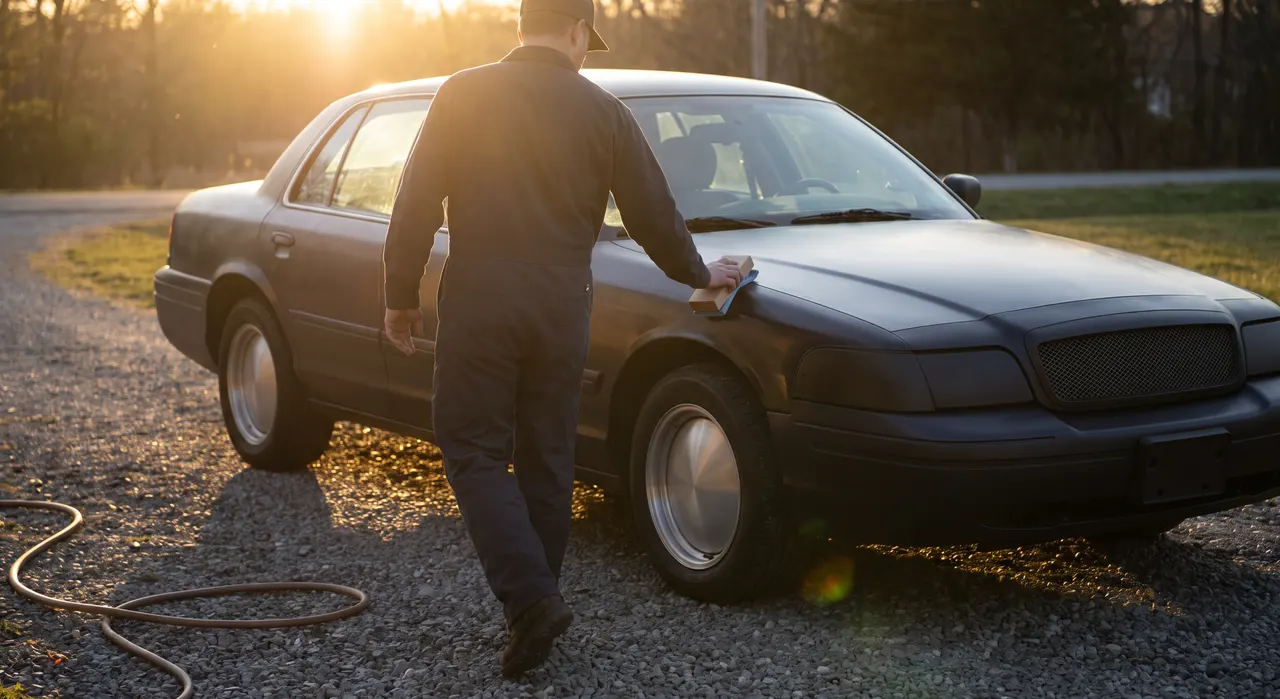
Here the honest answer is that it is genuinely subjective, and it is the one area where wax fans push back hardest. Carnauba is famous for a warm, deep, three-dimensional glow — a look with a faint amber richness that flatters dark and black paint in particular. Show-car owners chasing that "candy" depth on a deep color often say nothing else quite matches it, and on a hand-polished black hood the effect can be spectacular.
Ceramic spray produces a different flavor of shine: slicker, glassier, more mirror-like, with a very clean, reflective clarity. On metallics and lighter colors many owners actually prefer it because it makes the flake pop and the surface look like glass. But some purists find it slightly "cold" next to the warmth of carnauba — more brilliant, less cozy.
So the look question splits by taste and by paint color. If you run a dark or black car and you love that classic warm depth, wax has a real edge. If you want maximum reflective clarity, especially on lighter or metallic paint, ceramic spray tends to win. Neither is objectively "better" — they are two different aesthetics, which is exactly why some enthusiasts layer a wax on top of a ceramic base to get the durability underneath and the warm glow on top.
Application, prep and how much effort each takes
Effort is the other place ceramic spray pulls clearly ahead. A paste or liquid wax is a three-step ritual: wipe a thin layer onto a clean panel, wait for it to haze as the solvents flash, then buff it off by hand with a microfiber towel. Done properly across a whole car that is comfortably a 45-to-90-minute job, and thin, even coats matter — too much wax just means more to buff off, not more protection.
Ceramic spray is far faster. The common method is to work panel by panel: mist it on, spread it with one microfiber towel, then immediately chase with a second dry towel to buff to a streak-free finish. Many products can also be applied to a wet car as a "drying aid" straight after a wash. Start to finish that is closer to 15–25 minutes for a whole car, which is a big part of the appeal for anyone who would rather not spend a Saturday afternoon detailing.
The catch with ceramic spray is prep. Because the SiO₂ needs to bond to bare clear coat, the surface has to be genuinely clean — ideally washed and decontaminated (a clay treatment) first. Lay it over dirt, old wax or bonded contamination and it won't grab properly and may streak. Wax is more forgiving on prep but far less durable; ceramic spray asks for a cleaner starting surface but rewards you with months of protection. The other rookie mistake with spray is over-application in direct sun — that is the classic cause of streaking, so work in the shade on a cool panel.
Real cost and value over a full year
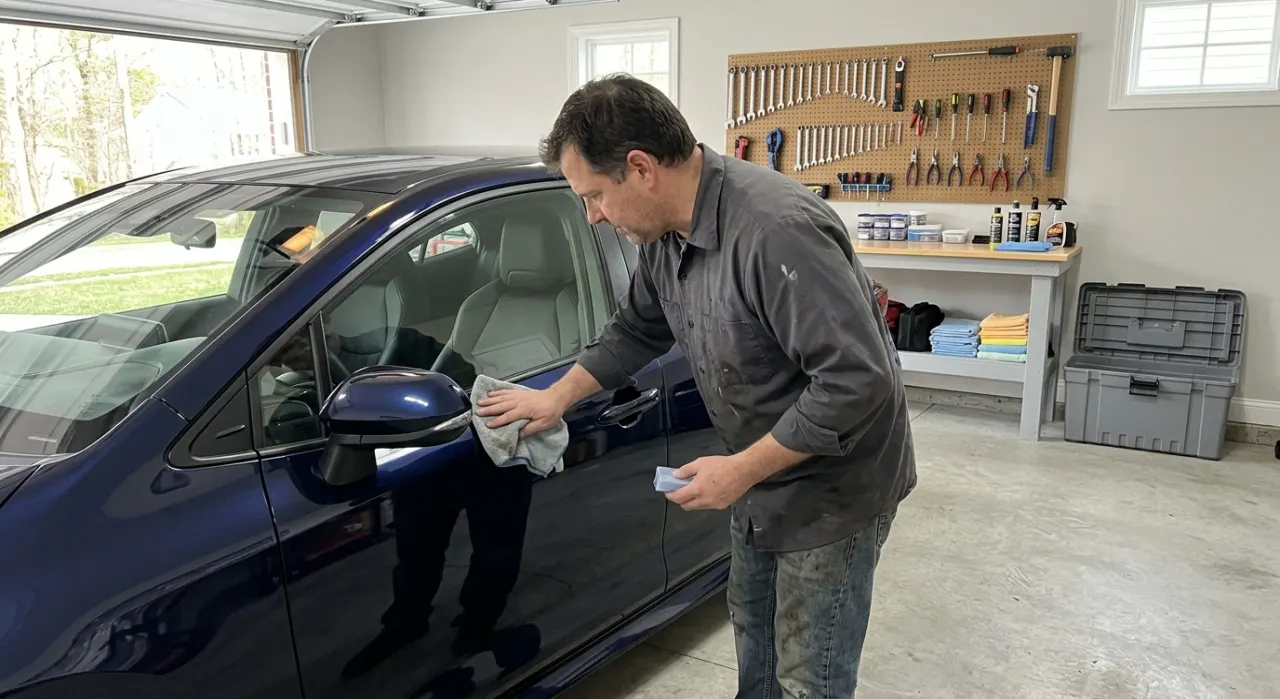
Sticker price is nearly identical: both a bottle of ceramic spray and a tub of decent carnauba typically land in the $15–$30 range, and both cover many applications, so a single bottle or tub can last a year or more. The real cost difference is not the money — it is the time and the number of applications each demands to keep protection continuous.
To stay protected year-round with wax, you are realistically applying it roughly every 4–8 weeks — call it six to ten sessions a year, each 45–90 minutes. With ceramic spray you are re-applying every 3–6 months — maybe two to four sessions a year, each 15–25 minutes. Add that up and the annual labor gap is enormous even though the dollar cost is a wash. For anyone who values their weekends, ceramic spray is the better value simply because it buys back hours.
Premium show waxes are the exception on price — boutique carnauba blends can run $40 to well over $100 a tub. Those are bought for the look and the ritual, not the value, and the owners who buy them know it. For pure cost-per-month-of-protection, ceramic spray is hard to beat; for cost-per-unit-of-warm-glow on a show car, wax is what people are actually paying for.
Common myths and mistakes
"Ceramic spray is the same as a real ceramic coating." No. A professional 9H coating is a cured, multi-year, high-hardness product applied over hours; a spray is a convenient sealant lasting months. The spray is excellent for what it is, but it is not a substitute for a full coating, and expecting years of protection from it leads to disappointment.
"More wax means more shine and protection." The opposite is closer to true. Thin, even coats bond and buff best; a thick smear just leaves streaks and extra buffing. The same restraint applies to ceramic spray — a light mist wiped fully off beats a heavy coat that hazes.
"You can skip prep with ceramic spray." This is the number-one reason people are unhappy with spray coatings. SiO₂ needs a clean, decontaminated surface to grab. Applied over old wax, road film or bonded fallout, it streaks and won't last. Wash, and ideally clay, before you spray.
"Wax and ceramic can't be used together." They can. A popular approach is a ceramic spray base for durability and beading, with an occasional carnauba layer on top for that warm glow — you get the protection underneath and the look you want on the surface. What you should not do is apply wax and expect it to bond a ceramic layer over the top of it later.
Which should you buy — and how to decide
There is no single winner here because they optimize for different things. The right pick comes down to how you use the car, what paint color you have, and how much time you want to spend keeping it protected.
Buy ceramic spray if you have a daily driver, you want protection that lasts months instead of weeks, you love strong water beading and easier future washes, or you simply don't want to spend a weekend afternoon hand-waxing. For most people with a car that lives outside and gets driven every day, this is the practical choice.
Buy carnauba wax if you run a garaged show car or a deep, dark, or black paint job and you specifically want that classic warm, wet glow — and you actually enjoy the ritual of applying it. The shorter durability matters far less on a car that is babied and rarely rained on.
Buy both if you want the best of each: use a ceramic spray as your durable, high-beading base coat, then top it with a thin carnauba layer before a show or a photo session for the warmth on top. Whatever you choose, start with a genuinely clean surface, apply thin and even, and work in the shade on cool paint — that alone eliminates most of the complaints owners have about either product.
Recommended Products
Our top picks in this category, ranked on aggregated owner reviews.
Best for anyone who wants one do-it-all wax
- Synthetic hydrophobic polymer
- Deep, wet-look gloss
- 3–5 months of durability
- Kit includes pad + microfiber towel
Why buy it: the best balance of shine, months-long durability and beginner-easy application.
Best for maximum durability between coats
- 5–7 months of protection
- A little goes a long way
- Cheapest per use
Why buy it: nothing here survives weather longer — the durability champion.
Best for fast, cheap protection in minutes
- SiO₂ spray-on / wipe-off
- Fastest application here
- Strong water beading
Why buy it: the cheapest, fastest protection — spray on wet or dry and go.

Best for first-timers who want a foolproof shine
- Foolproof carnauba liquid
- Warm, wet look
- Wipes off clean even if it dries
Why buy it: almost impossible to mess up — the perfect first wax.

Best for show cars and dark paint
- Premium carnauba paste
- Concours-grade warm gloss
- Easy to apply for a paste
Why buy it: stunning depth on dark paint — a show finish you use for the ritual.

Best for detailing hobbyists chasing gloss
- Soft carnauba paste
- Excellent gloss
- Buffs off easily
Why buy it: a detailing-hobbyist favorite that finishes beautifully.
Prices are pulled from Amazon and were accurate as of Aug 22, 2026, 6:54 PM EDT. Product prices and availability are subject to change — the live price is shown on Amazon.