
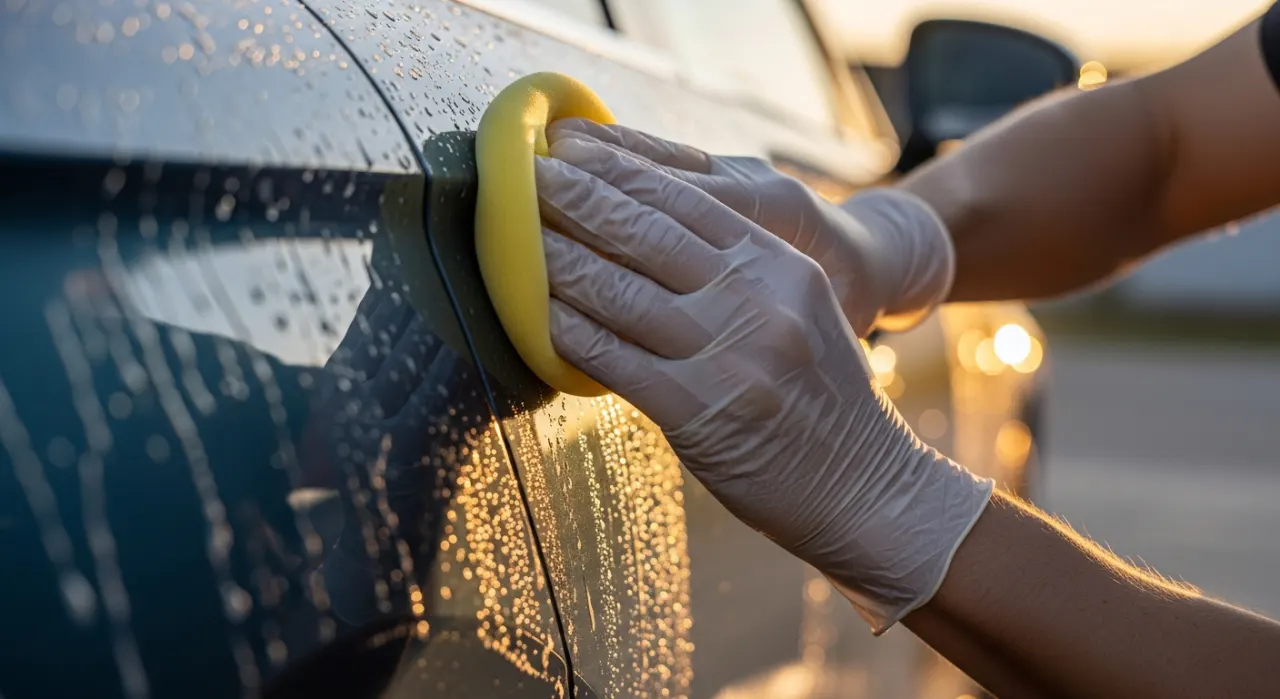
Affiliate Disclosure
Some links on this page are affiliate links. As an Amazon Associate, we earn from qualifying purchases — at no extra cost to you. We do not buy, test, or physically handle the products we cover; our rankings come from aggregated owner reviews, ratings and expert consensus. Commissions never change our verdicts. How we rank & full disclosure.
Carnauba Wax
A natural protective coating made from carnauba palm wax blended with oils and solvents. It bonds to paint and lays down a warm, deep shine prized on show cars and darker colors.
Best for: Enthusiasts chasing maximum gloss and warmth on a garaged or show car, and anyone who enjoys the ritual of frequent detailing
Typically $15–$60 for a paste or liquid tin; premium show waxes run $80–$300+
- Warmest, deepest-looking shine — owners consistently rate it best for gloss on dark paint
- Easy to apply and remove by hand; very forgiving of technique
- Cheap to get started and widely available at any auto-parts store
- Hides light swirls better than a hard synthetic film by filling and softening reflections
- Fully reversible — nothing permanent, so mistakes just buff off
- Short-lived — the consensus is roughly 4–8 weeks of real protection
- Melts and breaks down in heat; softens well before paint temps become extreme
- Needs frequent reapplication, so total cost and time add up over a year
- Weaker chemical and UV resistance than a modern synthetic
Paint Sealant
A synthetic polymer coating engineered in a lab to bond to clear coat and protect it. It trades a touch of carnauba warmth for far longer life and tougher chemical and UV resistance.
Best for: Daily drivers, commuters and anyone who wants set-and-forget protection that survives sun, rain and car washes for months
Typically $15–$50 for a liquid or spray bottle; hybrid ceramic sealants run $30–$90
- Long-lasting — owners typically report 4–6 months, some hybrids longer
- Strong resistance to UV, heat, road salt, bug acids and detergents
- Slick, hydrophobic surface that beads and sheds water aggressively
- Fewer applications per year, so it usually wins on time and long-run cost
- Slightly cooler, more mirror-like look — less of the wet warmth on dark paint
- Some formulas want a fully clean, decontaminated surface to bond right
- Can be less forgiving to apply evenly than a soft paste wax
- Cheaper spray sealants don't always hit their advertised durability
How they score, side by side
Scores reflect aggregated owner reviews and expert consensus — not our own bench testing.
- Depth of shine97
- Durability49
- Heat / UV resistance49
- Ease of use97
- Water beading79
- Value over a year68
Spec-by-spec comparison chart
| Factor | Carnauba Wax | Paint Sealant |
|---|---|---|
| Base material | Natural (carnauba palm wax + oils) | Synthetic polymers / resins |
| Typical durability | 4–8 weeks | 4–6 months (some hybrids longer) |
| Look | Warm, deep, wet gloss | Slick, crisp, mirror-like |
| Heat resistance | Low — softens and melts in sun | High — engineered to take UV & heat |
| Chemical / UV resistance | Modest | Strong (salt, bugs, detergents) |
| Water behavior | Beads well when fresh | Aggressive beading & sheeting |
| Ease of application | Very easy — forgiving by hand | Easy–moderate; wants a clean surface |
| Best paint match | Dark colors (black, deep red) | All colors; great on daily drivers |
| Price each | $15–$60 (show waxes far more) | $15–$90 (hybrid ceramic higher) |
| Reapplications per year | Roughly 6–12 | Roughly 2–3 |
Our Top 3 Picks
The three highest-rated options in this category, if you'd rather skip straight to a proven pick.

Best for anyone who wants one do-it-all wax
- Synthetic hydrophobic polymer
- Deep, wet-look gloss
- 3–5 months of durability
- Kit includes pad + microfiber towel
Why buy it: the best balance of shine, months-long durability and beginner-easy application.

Best for maximum durability between coats
- 5–7 months of protection
- A little goes a long way
- Cheapest per use
Why buy it: nothing here survives weather longer — the durability champion.

Best for fast, cheap protection in minutes
- SiO₂ spray-on / wipe-off
- Fastest application here
- Strong water beading
Why buy it: the cheapest, fastest protection — spray on wet or dry and go.
Prices are pulled from Amazon and were accurate as of Aug 22, 2026, 6:54 PM EDT. Product prices and availability are subject to change — the live price is shown on Amazon.
What actually separates wax from sealant
On the shelf they look interchangeable — both promise shine and protection, both wipe on and buff off, and plenty of bottles blur the line on purpose. But the honest difference comes down to chemistry, and that chemistry dictates everything else: how long the layer lasts, how it looks, and how much heat and grime it can take before it gives up.
Carnauba wax is a natural product. Its headline ingredient comes from the leaves of the Brazilian carnauba palm, one of the hardest natural waxes there is, blended with oils and solvents so it spreads. When you buff it out, it leaves a thin organic film that fills micro-imperfections and bends light in a warm, slightly soft way. That optical quality is why detailers reach for carnauba on black and deep-red paint — it reads as depth and wetness rather than a hard mirror.
Paint sealant is engineered rather than harvested. It is built from synthetic polymers and resins that cross-link and bond to the clear coat, forming a tougher, more uniform barrier. The design goal is protection and endurance, not carnauba's warmth, so a sealant looks slightly cooler and crisper — a clean, reflective slickness instead of a deep glow.
The consensus among detailers is the cleanest way to hold it in your head: wax is a look you top up often; sealant is protection you set and forget. One is a natural film optimized for gloss, the other a synthetic film optimized for durability. Everything below flows from that single split.
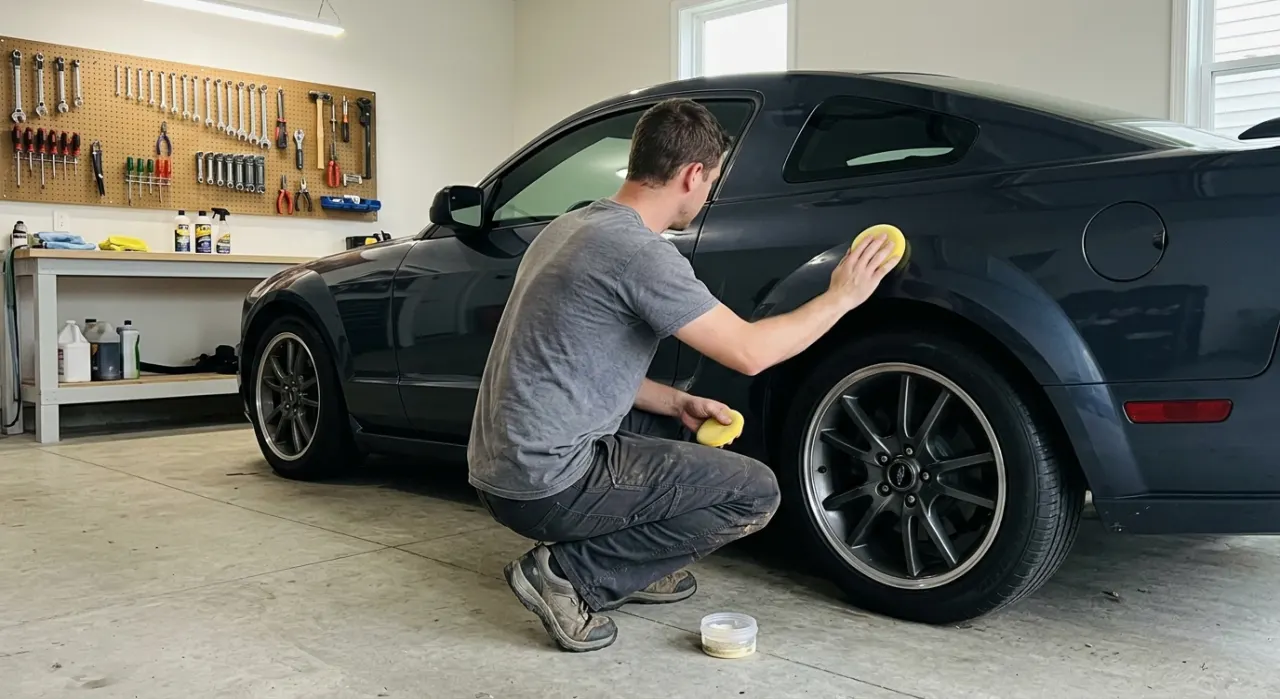
Durability: the real gap between them
This is where the two products separate hardest, and it is the number that should drive most buying decisions. Aggregated owner reports and manufacturer specs line up closely here:
- Carnauba wax realistically holds for 4–8 weeks. In a hot climate or on a car that gets washed often, the shorter end is common. Carnauba's melting point is low enough that summer sun and a dark hood can soften and thin the film well before you notice the shine fading.
- Paint sealant typically runs 4–6 months, and hybrid ceramic sealants can stretch further. The synthetic polymers resist UV, heat and detergents far better, so the layer survives repeated washes and sun that would cook a wax off in weeks.
That gap is not marketing. Wax is an organic layer sitting on the surface; heat, water and wash chemicals steadily strip it. A sealant chemically bonds and is built to endure those same forces. If you measure protection in months rather than looks in the moment, the sealant simply lasts several times longer between applications — and that single fact reshapes the cost and effort math further down.
The look: warmth vs. slickness
If durability favors sealant, pure aesthetics tilt the other way. The consensus among enthusiasts is that carnauba still produces the warmest, deepest gloss, especially on dark colors. It has a wet, three-dimensional quality — reflections look soft and liquid rather than hard-edged. On a black show car under good light, that carnauba glow is the reason people put up with reapplying every month.
A sealant reads differently. It tends to look crisp, slick and mirror-like — very clean and reflective, with intense water beading, but without quite the same buttery warmth. On lighter colors the difference is subtle and most people can't pick it; on deep blacks and reds a trained eye can. Neither is "better" in absolute terms. Carnauba wins the beauty contest for many owners; sealant wins the clean, glassy, low-maintenance look that survives past next weekend.
It is worth being honest that this is the most subjective part of the whole comparison. Two detailers can look at the same panel and disagree. If the finish is the entire point — a garaged weekend car you show off — trust your own eyes and lean carnauba. If you mostly want the car to look sharp with minimal fuss, the sealant's slick beading may please you more day to day.
Can you layer wax over sealant?
Yes, and this is the move that quietly ends the whole argument for a lot of owners. Because sealant bonds directly to the clear coat and wax sits happily on top of almost anything, you can apply sealant first for durability, let it cure, then top it with carnauba for looks. You get the sealant's month-after-month protection as the base layer and carnauba's warm glow as the finishing touch.
The order matters. A sealant needs to bond to clean paint, so it goes on first — reversing it, putting sealant over wax, means the polymers are trying to grip an oily wax layer instead of the clear coat, and they won't adhere properly. The reliable sequence detailers recommend is: decontaminate and clean the paint, apply the sealant, let it cure per the label, then lay carnauba on top when you want the extra depth.
The trade-off is time and upkeep. The carnauba top layer still wears off in weeks, so you re-wax on the sealant base periodically rather than stripping and redoing everything. Many enthusiasts settle into exactly this rhythm — sealant a couple of times a year, a fresh carnauba topper before a show or a road trip.
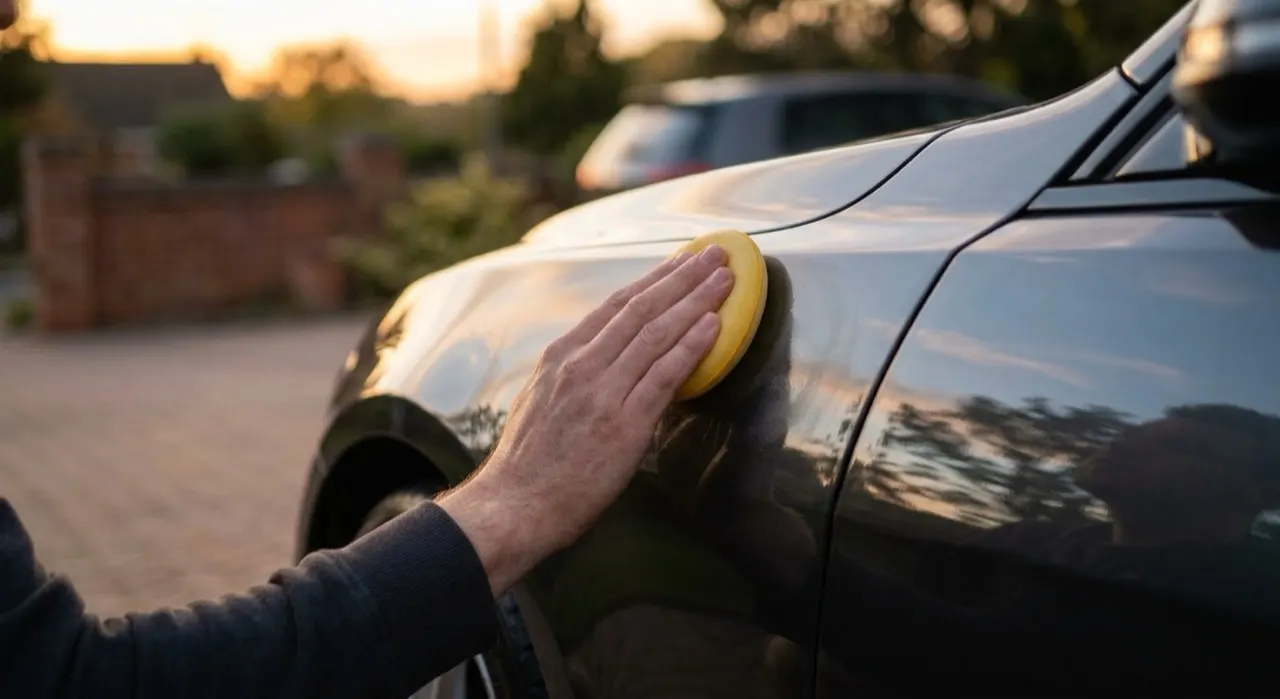
Real cost and effort over a year
Per bottle, the two are surprisingly close — both start around $15–$50, with premium show waxes and hybrid ceramic sealants climbing higher. So the honest cost comparison is not the price tag; it is how many times a year you apply it, because that is where wax quietly gets expensive in both product and your Saturday afternoons.
A wax that lasts 4–8 weeks needs roughly 6–12 applications a year to stay protected. A sealant that lasts 4–6 months needs about 2–3. Even if the wax tin is cheaper, you burn through more of it and spend far more hours on your knees around the car. For a daily driver where protection is the goal, the sealant almost always wins the annual math on both dollars and time.
The flip side is that for many enthusiasts the application is the point. If you enjoy detailing, waxing every few weeks isn't a cost — it's the hobby. The consensus is simple: value the process, and wax's frequent reapplication is a feature; value the result and your weekends, and the sealant's set-and-forget durability is the better buy.
Common myths and mistakes
"Sealant and wax are basically the same thing." They are not. One is natural carnauba optimized for a warm look; the other is a synthetic polymer optimized for durability. They overlap in job but differ sharply in how long they last and how much heat and chemistry they survive.
"Wax protects longer if you just put more on." No. Extra coats of carnauba don't meaningfully extend its life — it still breaks down in weeks with heat and washing. Thicker layers mostly just waste product and leave residue. Durability comes from the chemistry, and that is where sealant wins.
"You can put sealant over your wax for the best of both." Backwards. Sealant must bond to clean clear coat, so it goes on first; wax goes on top. Sealant over wax can't grip properly and won't last. Clean, seal, then wax — in that order.
"A sealant means I never have to protect the paint again." It lasts months, not forever. UV, salt and repeated washing still wear it down, and most owners refresh a sealant two or three times a year. Neither product is permanent — that's what a true ceramic coating is for.
Which should you buy — and how to decide
There is no universal winner here, because they optimize for different things. The right pick depends on your car, your climate and how much you enjoy the work. Start by being honest about which you value more: the deepest possible shine, or months of hands-off protection.
Buy carnauba wax if you have a garaged, dark-colored or show car, you chase maximum gloss, and you genuinely enjoy detailing every few weeks. The warmth on black paint is real, the product is cheap to start, and everything is fully reversible if you get it wrong.
Buy a paint sealant if you drive daily, park outside, or simply want durable protection you can forget about for months. It shrugs off sun, salt and car-wash chemicals, beads water aggressively, and costs you far less time over a year. For most commuters, this is the smarter choice.
Do both if you want it all — decontaminate the paint, lay down a sealant for durability, let it cure, then top with carnauba before a show or trip for that extra depth. Match the product to how you actually use the car, and the "wax vs. sealant" question mostly answers itself.
Recommended Products
Our top picks in this category, ranked on aggregated owner reviews.
Best for anyone who wants one do-it-all wax
- Synthetic hydrophobic polymer
- Deep, wet-look gloss
- 3–5 months of durability
- Kit includes pad + microfiber towel
Why buy it: the best balance of shine, months-long durability and beginner-easy application.
Best for maximum durability between coats
- 5–7 months of protection
- A little goes a long way
- Cheapest per use
Why buy it: nothing here survives weather longer — the durability champion.
Best for fast, cheap protection in minutes
- SiO₂ spray-on / wipe-off
- Fastest application here
- Strong water beading
Why buy it: the cheapest, fastest protection — spray on wet or dry and go.

Best for first-timers who want a foolproof shine
- Foolproof carnauba liquid
- Warm, wet look
- Wipes off clean even if it dries
Why buy it: almost impossible to mess up — the perfect first wax.

Best for show cars and dark paint
- Premium carnauba paste
- Concours-grade warm gloss
- Easy to apply for a paste
Why buy it: stunning depth on dark paint — a show finish you use for the ritual.

Best for detailing hobbyists chasing gloss
- Soft carnauba paste
- Excellent gloss
- Buffs off easily
Why buy it: a detailing-hobbyist favorite that finishes beautifully.
Prices are pulled from Amazon and were accurate as of Aug 22, 2026, 6:54 PM EDT. Product prices and availability are subject to change — the live price is shown on Amazon.