
Affiliate Disclosure
Some links on this page are affiliate links. As an Amazon Associate, we earn from qualifying purchases — at no extra cost to you. We do not buy, test, or physically handle the products we cover; our rankings come from aggregated owner reviews, ratings and expert consensus. Commissions never change our verdicts. How we rank & full disclosure.
You just spent three, four, maybe five hours prepping and applying your ceramic coating. The car looks incredible under the garage lights. Now comes the part nobody wants to hear: you need to leave it alone for a while. Not just overnight. A while.
Ceramic coatings don't finish bonding the moment you wipe off the excess. There's a chemistry process happening inside that layer, and it moves on its own schedule regardless of how impatient you are. This page explains exactly what that schedule looks like, why each stage matters, and what actually happens if you skip ahead.
If you haven't applied your coating yet, head back to our ceramic coating application guide first. If you're already post-application and wondering what you can and can't do right now, read on.
Flash Time vs Cure Time: Two Different Things
Most first-timers treat these as the same thing. They're not, and mixing them up is where the trouble starts.
Flash time is how long the coating takes to set enough to wipe off the high spots. Depending on product, temperature and humidity, this is usually 1 to 5 minutes after you apply each panel. You'll know it has flashed when you see a rainbow-like haze or the surface starts to feel slightly resistant. That's your cue to buff. Miss the window and you're fighting hardened residue with a machine polisher.
Cure time is something else entirely. Once the excess is wiped, the coating is still undergoing condensation curing — the SiO2 molecules bonding to the paint and to each other to form the hard, hydrophobic network you paid for. That process takes days, not minutes.
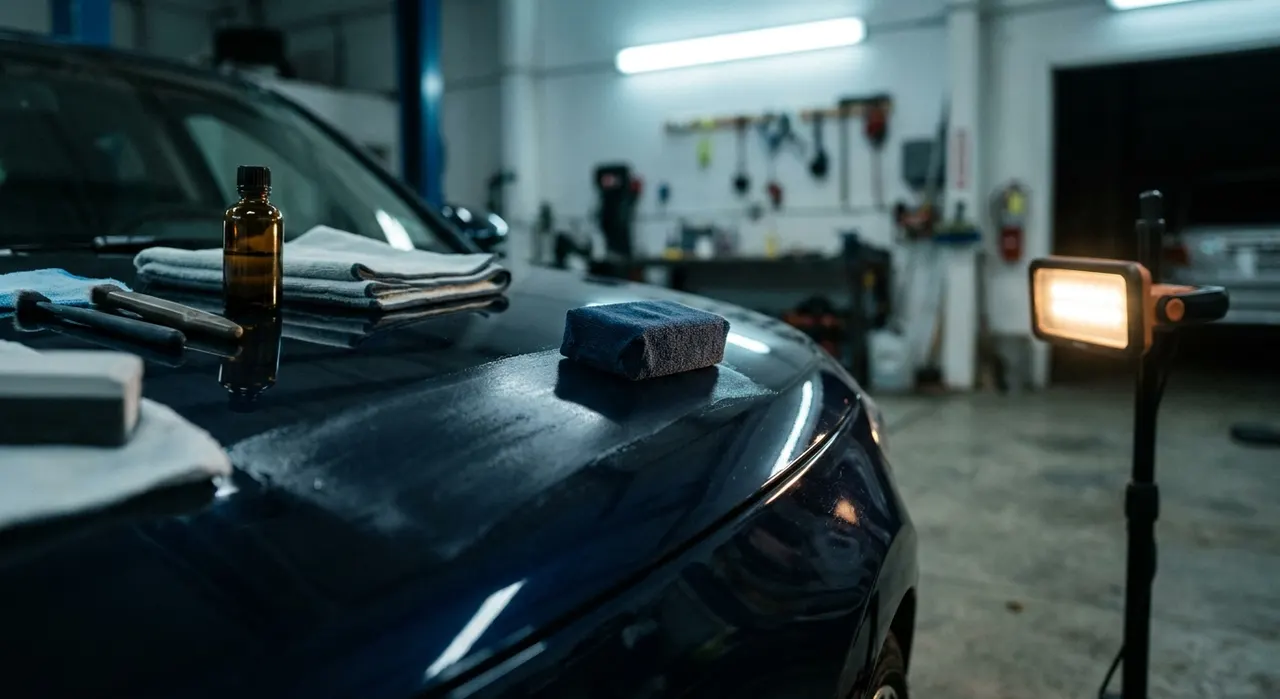
The Ceramic Coating Cure Timeline
| Stage | Timeframe | What's Happening | What to Avoid |
|---|---|---|---|
| Flash / touch cure | 1–5 min per panel | Surface sets enough to wipe | Touching, smearing, dust |
| Initial cure | First 24 hours | Surface hardens, still highly vulnerable | Any water, rain, dew, washing |
| Touch cure | 24–48 hours | Hard enough to handle carefully | Washing, pressure water, bird drops |
| Functional cure | 5–7 days | Hydrophobicity fully active, hardness increasing | Automatic washes, harsh chemicals |
| Full chemical cure | 2–4 weeks | Complete cross-linking, maximum hardness | Aggressive polishing, abrasives |
The numbers above are typical for professional-grade consumer coatings (Gtechniq C1, CarPro CQuartz, Gyeon Quartz, Adam's UV). Some entry-level spray-on products claim faster cure but deliver meaningfully less durability. Some top-tier pro-only coatings require even longer windows. Always check your specific product's datasheet.
The Critical First 24–48 Hours
This is where most application mistakes happen, and they're entirely avoidable. In the first 24 hours, the coating is hard enough to look done but chemically still in progress. Water contact is the single biggest threat — rain, dew, sprinklers, a neighbor's hose. It doesn't wash the coating off; it disrupts the curing reaction and leaves water spots bonded into the surface as it hardens. Unlike spots on bare paint, these can be extremely difficult to remove without cutting back into the coating. The window applies to dew too: cars parked outdoors overnight in humid climates accumulate moisture even without rain. If you can't guarantee a dry environment, keep the car in the garage for at least 24 hours, preferably 48.
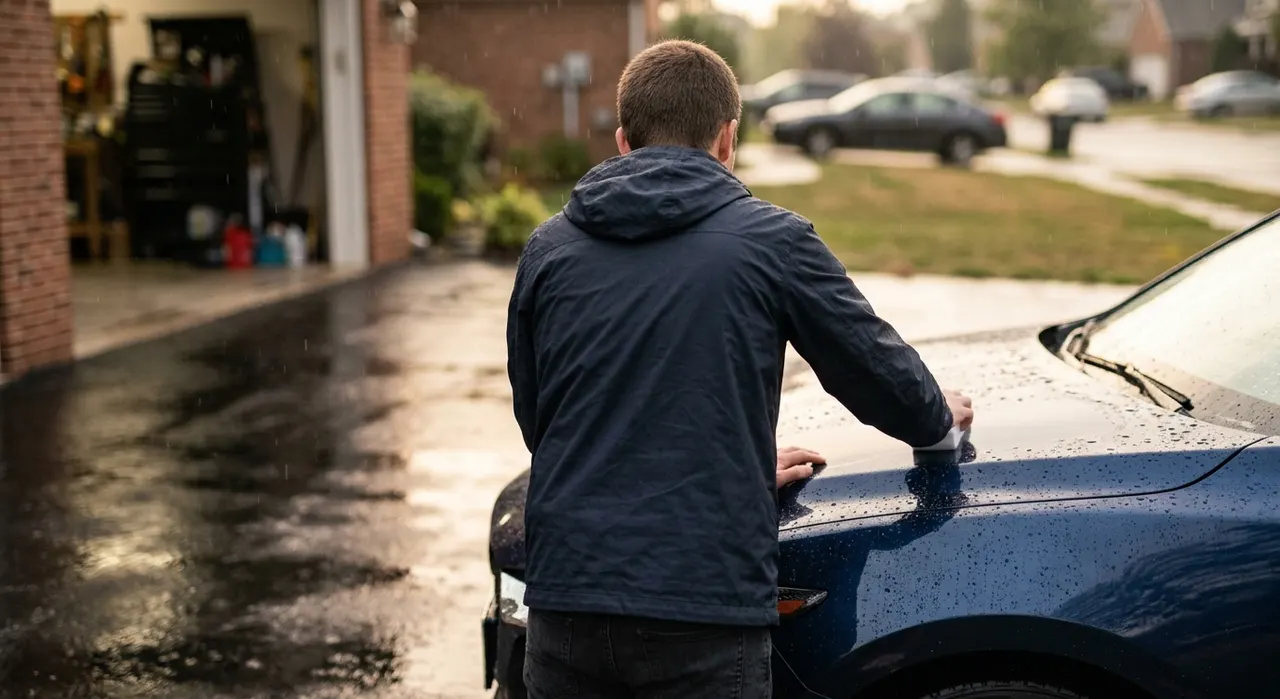
Can It Rain on Fresh Ceramic Coating?
Short answer: no, not within the first 24–48 hours. If rain hits in the first 24 hours, the odds of water spotting or streaking are very high — the coating hasn't hardened enough to shed water, so droplets sit and interact with the chemistry underneath. After 48 hours the risk drops substantially, but some detailers still recommend sheltering for up to a week. If you're caught out, don't panic and don't wipe it off — that introduces swirls into a partially cured surface. Get the car into a dry space and let it continue curing, then inspect after 7 days.
How Humidity and Temperature Affect Cure Time
Ceramic coatings cure through a reaction with atmospheric moisture — the difference between controlled exposure and pooling water. Humidity actually speeds curing to a point: the ideal range for most SiO2 coatings is 40–70% relative humidity. Too dry (under 30%) and the reaction slows considerably; too humid (above 80%) and the coating can cure unevenly, causing hazing. Temperature matters significantly — most coatings cure best between 15°C and 25°C. Below 10°C the cross-linking slows dramatically (a coating applied in a cold winter garage might need two to three weeks to reach functional cure). Above 30°C, flash times shorten fast and you risk high spots in direct sun. Practical takeaway: in summer heat, work panel by panel in shade or early morning; in winter, heat the garage to at least 15°C and extend your expected cure window.
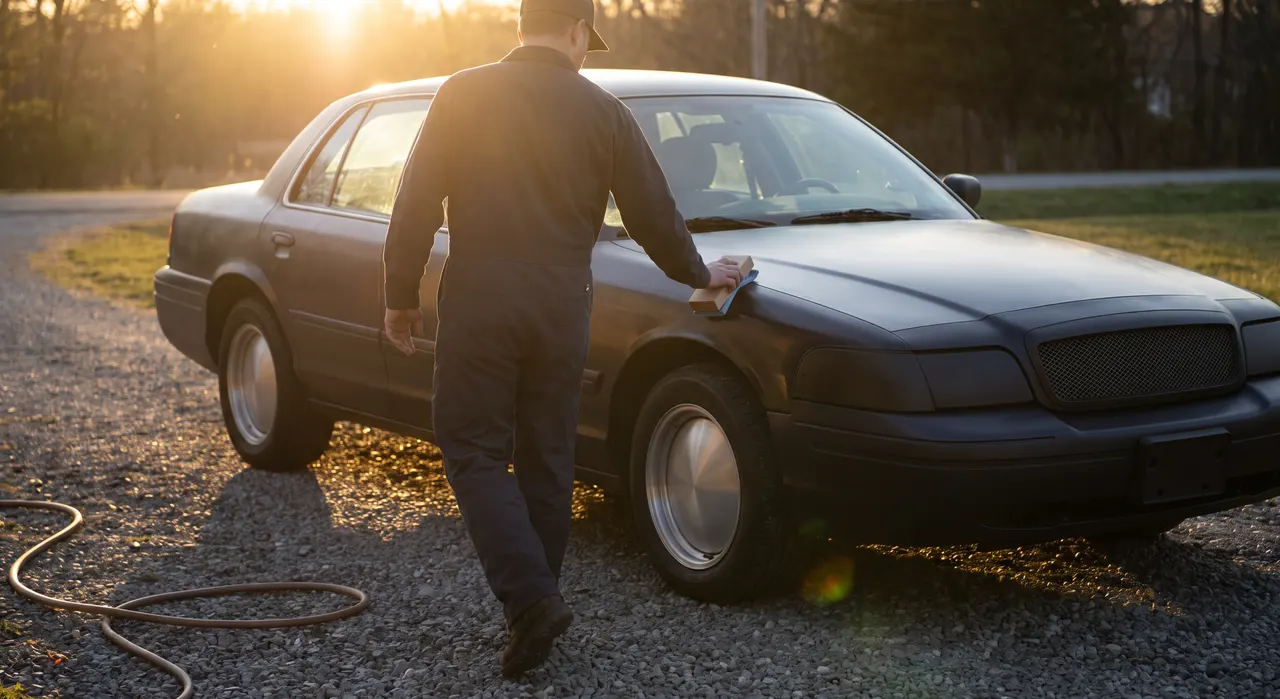
Garage vs Outdoors During Cure
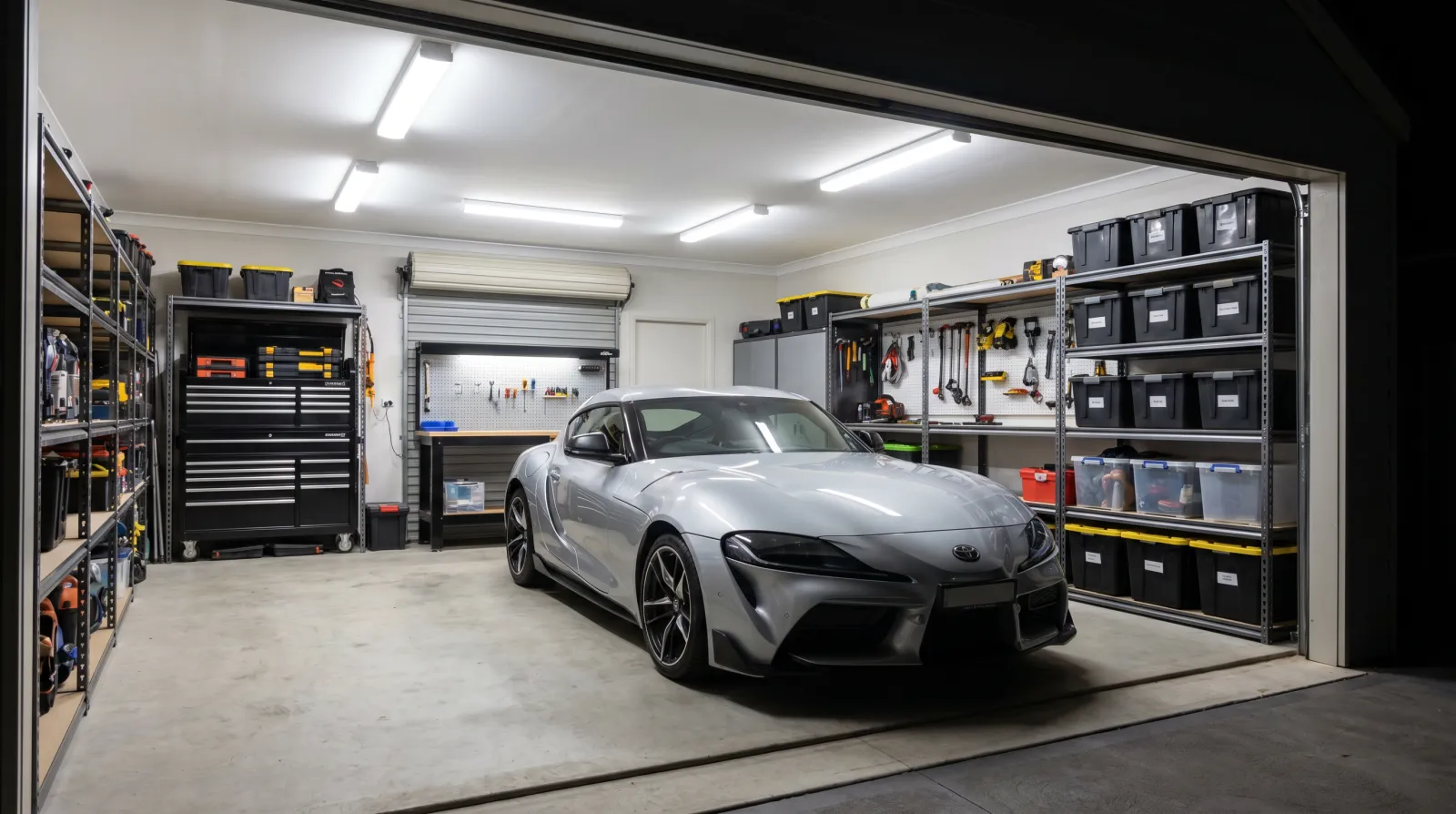
Garage, without question, for the first 24–48 hours minimum. It eliminates rain, dew, bird drops, tree sap and direct sun. Even a carport that blocks rain is meaningfully better than full outdoor exposure. After 48 hours, outdoor parking is generally acceptable for daily use, but you still want to avoid harsh exposure — a car parked under a tree or near a construction site is asking for contamination while the coating hardens.
When Can You Wash the Car?
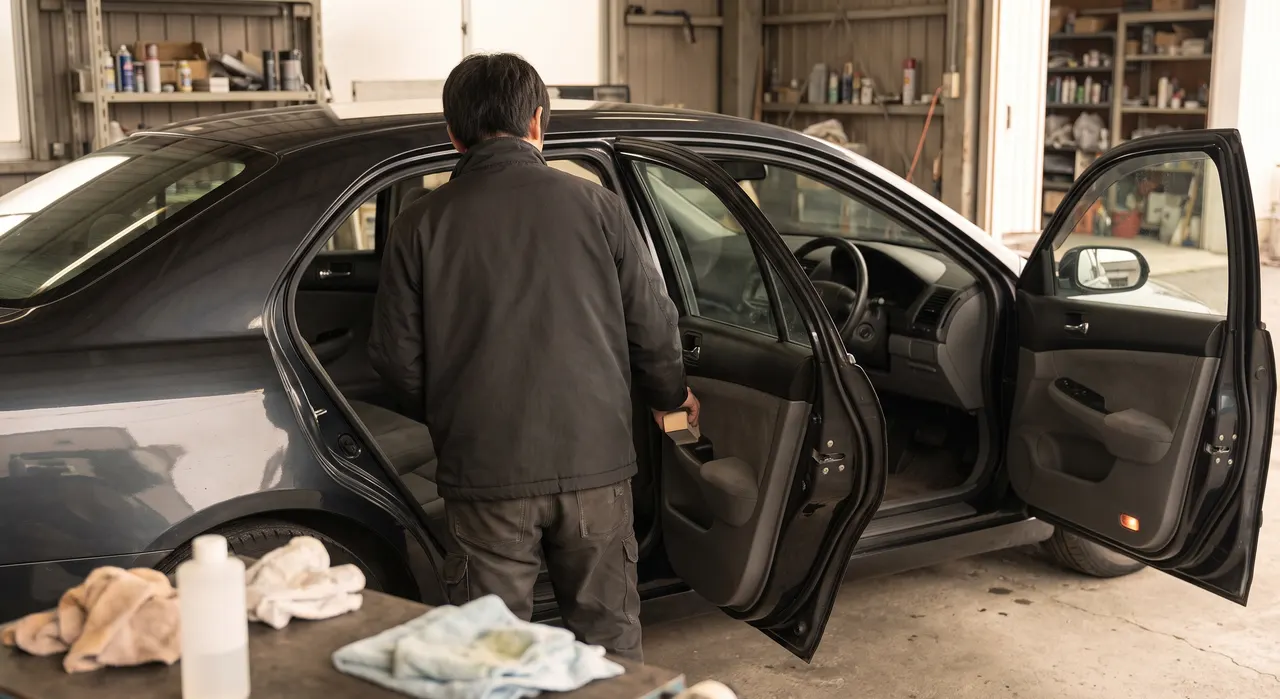
The standard recommendation is no wash for the first 7 days. Some manufacturers say 5 days for light rinses; others hold the full 14-day line. Follow your product's guidance. When you do wash for the first time, keep it gentle:
- Hand wash only — no touchless tunnels or brush automatics, not even "brushless" automated washes for the first month
- pH-neutral dedicated car shampoo; nothing with gloss enhancers, wax additives or stripping agents
- Two-bucket method, soft microfiber mitt, low-pressure rinse
- Avoid high-pressure washing directly at panel edges for the first wash or two
For the complete ongoing routine, see our ceramic coating maintenance guide.
Second Layer Timing
If you're applying a multi-layer system, timing between layers is critical. Most manufacturers specify a window of 30 minutes to 2 hours between layers: the first needs to flash and start curing enough to accept a second coat, but it can't be fully cured or the new layer won't bond into it — it'll just sit on top as a separate film. Read the datasheet carefully; some products have a precise stacking window, others are more forgiving. Going outside it in either direction produces a weaker bond than a properly timed single coat.
The Bottom Line
Ceramic coating cure time isn't a marketing disclaimer. The chemistry is real, and the coating genuinely isn't done working long after it looks finished. Touch cure happens in 24–48 hours, functional cure in 5–7 days, full chemical cure in 2–4 weeks. The single biggest thing you can do to protect your investment: keep the car dry and sheltered for those first 48 hours, and hold off washing for a full week. Most post-application "coating failures" people blame on the product are actually curing-window violations. For everything before this step, revisit the application guide; for everything after, the maintenance guide covers wash frequency and toppers. The full picture is on our ceramic coating hub.
Recommended Ceramic Coatings
We aggregate owner ratings rather than testing in a lab. These are the well-reviewed DIY coatings whose cure windows this guide describes — always follow the datasheet cure times for the exact product you choose.

Best for a durable, forgiving coating for a first DIY application
- Strong hydrophobics once fully cured
- More forgiving flash and wipe-off than pro-only coatings
- Give it the full 7-day functional cure before washing
Why buy it: the coating most first-timers should reach for — real durability without the tight cure window of pro-only products.

Best for experienced hands wanting a proven, long-lasting layer
- A benchmark enthusiast coating for years
- Rewards careful prep and controlled cure conditions
- Watch temperature and humidity during application
Why buy it: a long-respected coating that hits its full hardness when you honour the cure timeline this page lays out.

Best for a fast spray-on layer with a shorter, gentler cure
- Wipe-on, walk-away application
- Less demanding cure window than bottle coatings
- Great as a maintenance topper between full coats
Why buy it: the low-stress option when you want ceramic protection without babysitting a multi-day bottle-coating cure.

Best for buyers chasing the longest-lasting DIY-accessible coating
- Hard, durable film prized for its lifespan
- Needs a proper cure environment to reach its potential
- Keep it dry and sheltered through the first 48 hours
Why buy it: a premium coating that pays back a patient cure with some of the longest DIY durability available.
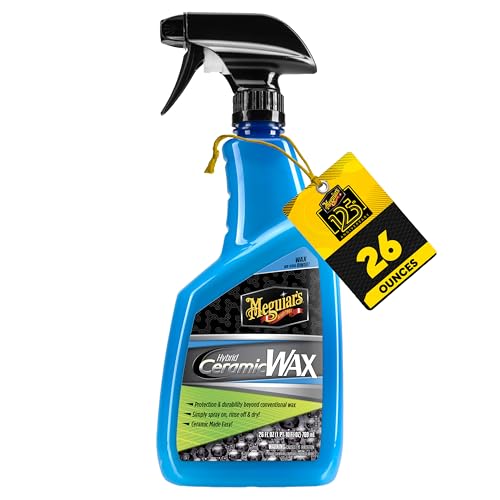
Best for a cheap, near-foolproof first taste of ceramic protection
- Spray-on hybrid that is very hard to get wrong
- Minimal cure worry compared to true coatings
- Shorter durability, but ideal for learning the process
Why buy it: the safest starting point — ceramic-style beading and slickness with almost none of the cure-window risk.
Prices are pulled from Amazon and were accurate as of Aug 22, 2026, 6:34 PM EDT. Product prices and availability are subject to change — the live price is shown on Amazon.