
Affiliate Disclosure
Some links on this page are affiliate links. As an Amazon Associate, we earn from qualifying purchases — at no extra cost to you. We do not buy, test, or physically handle the products we cover; our rankings come from aggregated owner reviews, ratings and expert consensus. Commissions never change our verdicts. How we rank & full disclosure.
Short version: ceramic coating is worth it if you care how your car looks, want washing to get dramatically easier, and plan to keep the car for a few years — that is exactly what the coating delivers best. It is not worth it if you are expecting scratch-proof armor or a nine-year miracle from a DIY bottle, because neither is real. So the honest answer is yes for the owner who buys it for gloss and easy maintenance, and no for the person chasing the marketing claims on the box. Here is the straight cost-vs-benefit case.
Ceramic coating marketing leans hard on hardness ratings and lifespan numbers. We would rather lay out what owners and detailers actually report living with a coating, so you can decide with clear eyes. Here are the real benefits, the honest limits, and who should skip it.
What a coating genuinely does well
Three benefits come up in nearly every honest owner review. The first is gloss. A quality coating adds depth and a wet, glassy shine that bare clear coat and even wax struggle to match, and it holds that look far longer than a wax that fades in weeks. The second, and the one most owners rave about, is easy cleaning. The slick, hydrophobic surface means water sheets off and road grime struggles to bond, so dirt rinses away with far less effort and the car stays cleaner between washes. If you dislike washing, this alone changes the ownership experience.
The third is protection from staining and light chemicals. A coating is a sacrificial barrier that takes the hit from bird droppings, bug guts, tree sap, road salt and UV before they can etch or oxidize your actual paint — provided you still remove that stuff promptly. None of these are hype; they are the reasons a coating earns its place. For the full breakdown of the science, see how ceramic coating works.
The honest limits — what it does not do
Here is where marketing oversells and we will not. A coating is not scratch-proof. That "9H hardness" figure refers to a pencil-hardness test, not resistance to rock chips, keys, or a careless brush wash — read the honest version in 9H hardness explained. It resists light wash marring a little better than bare paint, and that is the extent of it. If you want genuine chip and scratch protection, that is the job of paint protection film, which we compare in ceramic coating vs PPF.
It also does not last as long as the box claims. Realistic lifespans run around 3 to 6 months for a DIY spray, 1 to 2 years for a consumer kit, and 2 to 5 years for a professional coating — and only with proper maintenance. We break the real numbers down in how long ceramic coating lasts. And it is not maintenance-free: it still needs regular pH-neutral washing to perform, as covered in ceramic coating maintenance. Buy it for what it does, not for what the label promises.
The cost side of the ledger
Value depends entirely on which route you take, and they are wildly different in price. A DIY bottle kit costs a small fraction of a professional job, and applied carefully over properly prepped paint it gets you most of the gloss and hydrophobic behavior. A professional coating costs a great deal more, but that price includes paint correction to remove existing swirls, access to longer-lasting professional product tiers, and usually a warranty. We lay out real figures in ceramic coating cost and weigh the trade-offs in DIY vs professional.
The honest rule of thumb from the consensus: for a daily driver you simply want to protect and make easier to wash, a well-reviewed DIY kit is the better value. For a new, expensive, or freshly corrected car you want to keep looking flawless, a professional job justifies its cost. Neither is wrong — it is about matching the spend to the car and how long you will keep it.
Why prep decides whether it is worth it
One thing that separates owners who love their coating from those who regret it: preparation. A coating is transparent and permanent for its lifespan, which means it locks in whatever is underneath. Apply it over a swirled, contaminated surface and you have sealed the flaws in for years. Apply it over decontaminated, corrected paint and the gloss is stunning. This is why the prep steps in paint prep and correction matter more than the coating brand itself, and why skipping them is the fastest way to make a coating feel like a waste of money.
Who it is (and isn't) worth it for
It is worth it for the owner who cares how their car looks, genuinely dislikes washing, and plans to keep the car for at least a few years — the gloss and the easy-clean payoff compound over that time. It is a great fit for a new car you want to keep pristine from day one, or a well-kept older car you have just corrected.
It is not worth it for someone selling the car soon, someone who never washes it anyway, or someone unwilling to correct swirled paint first. In those cases a good spray sealant or a wax gives you a chunk of the shine and beading for far less commitment. There is no shame in that call — it is the honest, cheaper answer for that situation.
The verdict
Is ceramic coating worth it? For the owner who buys it for gloss and easy maintenance and keeps the car a few years — yes, and they rarely regret it. For anyone expecting scratch-proof, maintenance-free, decade-long armor from a bottle — no, because that product does not exist. Set your expectations correctly, prep the paint properly, and it is one of the most satisfying upgrades you can make to how a car looks and washes. When you are ready, start with our ranked ceramic coating buying guide, see how the top names stack up in ceramic brands compared, and head back to the ceramic coating hub for the full picture.
Recommended Products

Best for the best DIY durability and gloss
- Graphene-infused hardness
- 2–5 year durability
- Slick, high-gloss finish
- Beginner-friendly kit
Why buy it: the best all-round DIY kit — the long life that actually makes coating worth the effort, with an easy application.

Best for fast spray-on protection
- Spray-on / wipe-off
- SiO2 hydrophobic layer
- Great for beginners
Why buy it: spray-on ceramic protection in minutes — the low-commitment way to see if the benefits are worth it for you.

Best for maximum longevity
- Pro-grade hardness
- 2+ year protection
- Deep, warm gloss
Why buy it: a detailer favorite that survives years with proper prep — the strongest case for coating over waxing.
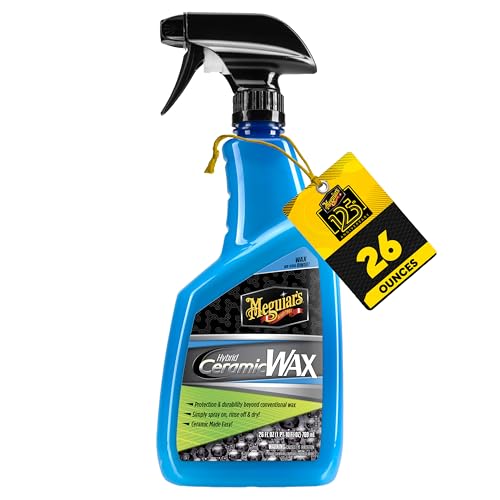
Best for cheap ceramic beading
- Spray on wet or dry
- Strong water beading
- Cheapest per use
Why buy it: the cheapest way to get ceramic-style beading fast, if a full coating feels like too much.
Prices are pulled from Amazon and were accurate as of Aug 22, 2026, 6:54 PM EDT. Product prices and availability are subject to change — the live price is shown on Amazon.