
Affiliate Disclosure
Some links on this page are affiliate links. As an Amazon Associate, we earn from qualifying purchases — at no extra cost to you. We do not buy, test, or physically handle the products we cover; our rankings come from aggregated owner reviews, ratings and expert consensus. Commissions never change our verdicts. How we rank & full disclosure.
Short version: for most people who drive on public roads, a dash cam is worth it — it is one of the cheapest pieces of protection you can add to a car, and it decides who gets believed after something goes wrong. The honest benefits are specific and real: settling accident disputes, defeating staged-collision scams, and catching hit-and-runs and vandalism. The one group who can genuinely skip it is drivers who rarely drive and always park securely. So the answer is yes for nearly everyone who drives regularly, with a fair exception at the edges. Here is the straight cost-vs-benefit case.
Dash cam marketing likes to scare you. We would rather lay out what owners actually report and where the value really is, so you can decide honestly. Here are the real benefits, the honest limits, and who can skip it.
The big one: proving what happened
The core value of a dash cam is simple — it replaces "his word against mine" with footage. Picture the classic scenarios: you are stopped at a light and get rear-ended, then the other driver claims you reversed into them. A car cuts across three lanes, forces you to brake hard, and vanishes. Someone changes lanes into your door and insists you were speeding. In every one, the story stays a story until there is a clip — and then it is settled in seconds.
Owners consistently rate this as the number-one payoff: a stressful, expensive, drawn-out dispute becomes a 30-second review of the footage. In the US, dash cam video is generally accepted by insurers and admissible in court, and footage with a GPS overlay showing your speed and location is especially convincing. If you are not at fault, being able to prove it protects your premium and your no-claims record. The catch is that the footage has to be clear — which is why resolution and features matter when you choose.
Protection against staged scams
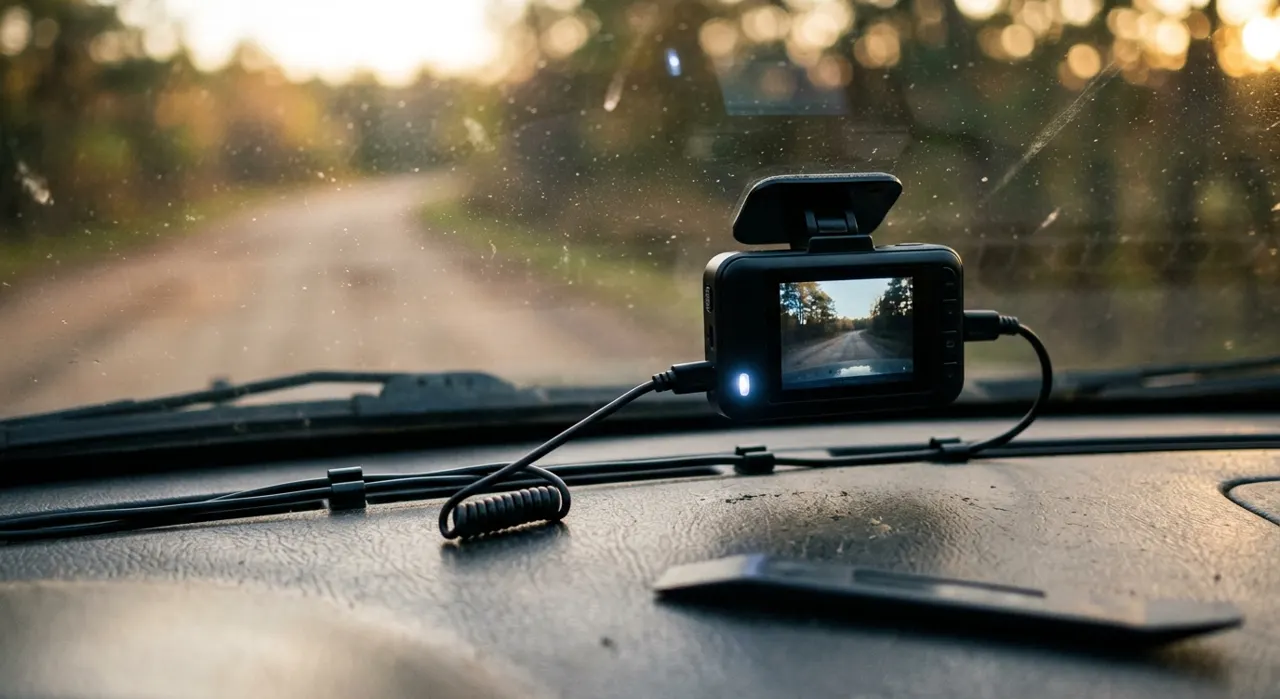
Insurance fraud is a real and growing problem, and a dash cam is the direct defense. The classic "brake-check" scam has a driver cut in front of you and slam on the brakes, hoping you rear-end them so they can claim injury and damage. Staged "swoop-and-stop" setups work the same way. Without footage you are the at-fault party by default — you hit them from behind. With footage, the setup is obvious and the scam collapses. For anyone who drives in busy urban traffic, this protection alone can justify the camera.
Hit-and-runs and vandalism
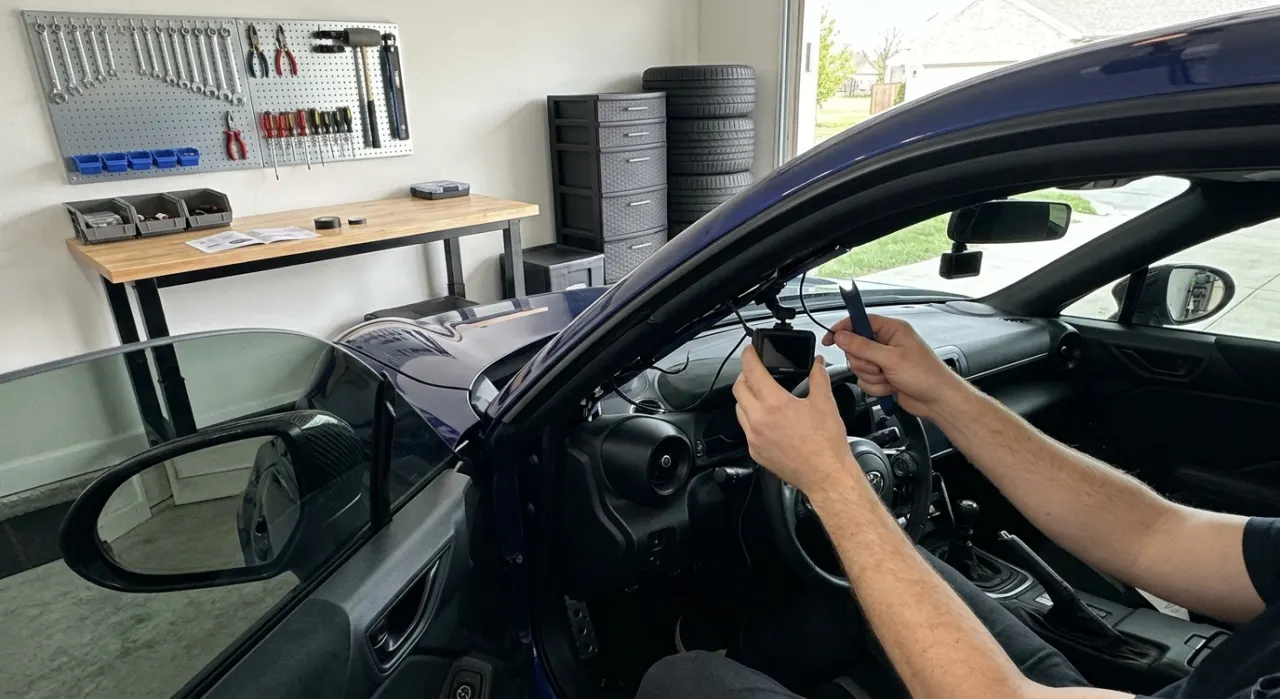
Some of the most frustrating damage happens when you are nowhere near the car — a parking-lot ding from a driver who does not leave a note, a keyed door, a cart to the bumper. A dash cam with parking mode keeps watching while the car is parked and off, capturing the plate of whoever hit it. Without that, the damage is just a mystery you pay to fix. This benefit grows the more you park in public lots or on the street — and it is often the reason even garage-parkers still fit one.
The cost side of the honest ledger
Part of "is it worth it" is "what does it cost," and the answer is less than you would think. A genuinely good budget dash cam starts modestly, and even a strong flagship camera costs less than a single insurance deductible. Installation is a beginner-friendly job you can do yourself in under an hour — see how to install a dash cam, and weigh the hardwire vs plug-in options. So the real question is rarely whether you can justify the money; for most drivers it is just picking the right camera for how you drive and park.
The honest limits
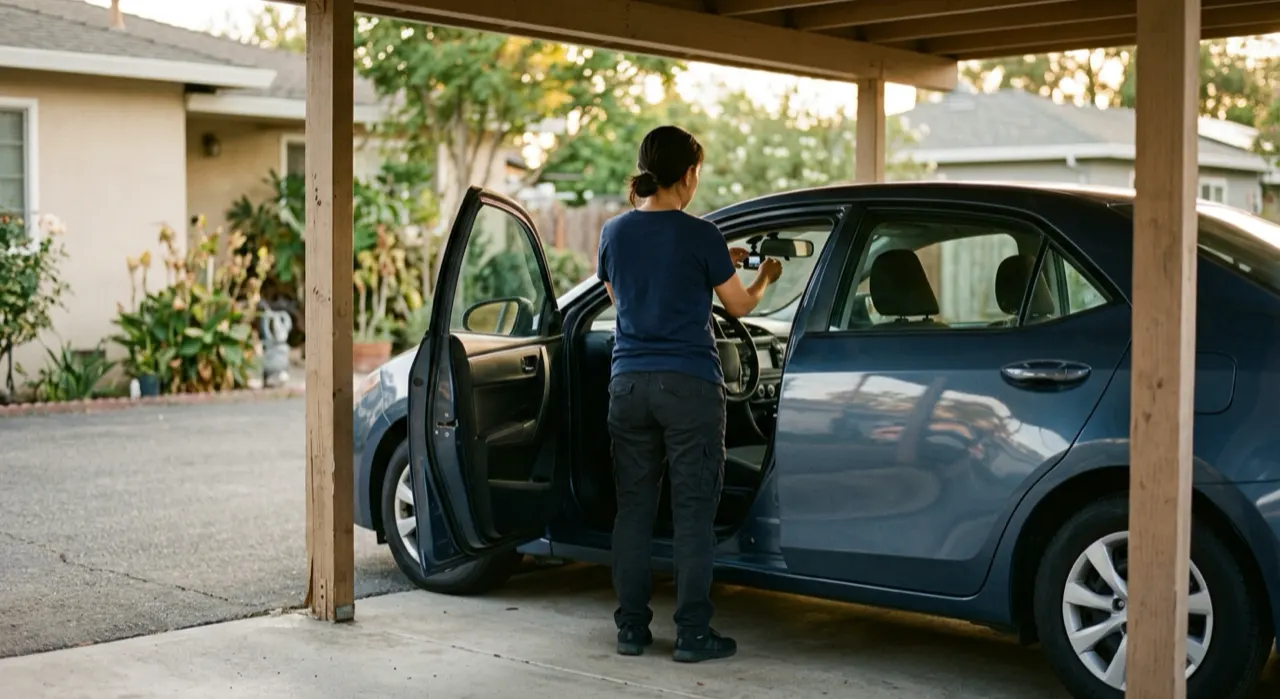
We will be straight about what a dash cam does not do. It does not prevent a crash — it only documents one. Cheap models can struggle at night or fail to read plates, which undercuts the whole point, so resolution and low-light performance genuinely matter. And a camera left permanently in the windshield can be a smash-and-grab target if it is not tucked discreetly. None of these are dealbreakers, but they are why buying a decent camera and setting it up properly matters more than grabbing the cheapest one on the shelf.
Who a dash cam is (and isn't) worth it for
It is worth it for anyone who drives on public roads with any regularity, and especially for city drivers, commuters, parents of new drivers, and anyone who parks in public lots. The protection against disputes, scams and hit-and-runs far outweighs the modest cost, and safe drivers arguably benefit most because they are the ones most likely to be wrongly blamed.
It is less essential for someone who drives very rarely and always parks in a private, locked garage. Even then, many such owners fit one just for parked protection — but it is a fair case where a camera is a nice-to-have. We are not going to pretend everyone needs one equally.
The verdict
Is a dash cam worth it? If you drive on public roads with any regularity — yes, and the protection against disputes, scams and hit-and-runs far outweighs the modest cost. If you rarely drive and always park securely, it drops to optional. For nearly everyone in between, the honest recommendation is yes. When you are ready to choose, start with our best dash cam ranking, consider stepping up to a front-and-rear system, and head back to the dash cams hub for the full picture.
Recommended Dash Cams

Best for sharp front-and-rear footage with a GPS overlay
- 4K front sensor that actually reads plates at distance
- GPS stamps speed and location onto every clip
- Reliable parking mode for hit-and-run capture
- Enthusiast-favourite brand with strong firmware support
Why buy it: the do-it-all pick — the resolution and GPS overlay that make footage persuasive in a dispute, front and rear.

Best for most drivers who want strong footage without overspending
- Sharp day and night video
- Built-in GPS and app connectivity
- Optional rear camera and parking mode
- High owner rating at a mid price
Why buy it: the sweet-spot pick — the features that matter for evidence, at a price that makes the is-it-worth-it question easy.

Best for covering the cabin as well as the front and rear
- Three channels — road ahead, cabin and rear
- Strong infrared cabin capture at night
- Ideal for rideshare and delivery drivers
- Robust parking-mode recording
Why buy it: the coverage pick — the extra cabin channel matters if you drive for a living and need to document what happens inside the car too.

Best for the cheapest genuinely-good front-and-rear 4K system
- 4K front with a 1080p rear included
- Parking monitor and app support
- Large owner base at a low price
- Simple, DIY-friendly install
Why buy it: the budget answer to is-it-worth-it — dual-channel 4K protection for less than a single insurance deductible.
Best for a tiny, discreet camera that hides behind the mirror
- Thumb-sized — barely visible on the glass
- Trusted name-brand reliability
- Voice control and app clip-saving
- Low-profile, so less of a smash-and-grab target
Why buy it: the stealth pick — small enough to fit and forget, which is often what finally gets a careful driver to actually run one.
Prices are pulled from Amazon and were accurate as of Aug 22, 2026, 7:14 PM EDT. Product prices and availability are subject to change — the live price is shown on Amazon.