
Affiliate Disclosure
Some links on this page are affiliate links. As an Amazon Associate, we earn from qualifying purchases — at no extra cost to you. We do not buy, test, or physically handle the products we cover; our rankings come from aggregated owner reviews, ratings and expert consensus. Commissions never change our verdicts. How we rank & full disclosure.
Short version: the VIOFO A139 Pro is the dash cam enthusiasts keep coming back to. Owners consistently report that the true-4K front camera, built on Sony's STARVIS 2 IMX678 sensor, pulls readable plates in daylight and holds its own after dark — which is exactly why it sits at the top of our best dash cam roundup. It is rated around 4.4 across 3,500+ reviews. It is not flawless, and the recurring complaints below are worth reading before you buy, but for image quality per dollar it is hard to beat.
What the VIOFO A139 Pro Is
The A139 Pro is VIOFO's flagship multi-channel dash cam. The front camera shoots true 4K through a Sony STARVIS 2 IMX678 sensor — the part reviewers repeatedly praise for turning night footage from a smeary guess into something you can actually use in an insurance claim. You can buy it as a 1-channel (front only), 2-channel (front and rear), or 3-channel (front, rear and interior) kit, so it scales from a solo commuter setup to a full rideshare rig.
The spec sheet reads like a wishlist for people who care: 5GHz Wi-Fi for fast clip transfers, built-in GPS that stamps speed and location onto footage, and a supercapacitor instead of a lithium battery — the detail that lets it survive a summer dashboard without the swelling and shutdowns that kill cheaper cameras. There is also a Bluetooth remote button so you can flag an incident without fumbling at the unit. This is a tuner's dash cam: modular, GPS-aware, and built to run hot.
Who It's For
If you treat your car as more than an appliance — you track your commute, you care about evidence quality, you want the option to add a rear or cabin channel later — the A139 Pro is squarely aimed at you. Owners in hot climates single out the supercapacitor as the reason they switched, since battery-based cameras notoriously die in parked cars baking in the sun. Rideshare and delivery drivers gravitate to the 3-channel version for interior coverage.
It is a poorer fit for someone who wants a plug-it-in-and-forget-it experience with cloud alerts on their phone. There is no LTE and no cloud service here, and — as the complaints below make clear — setup rewards patience. If you are still deciding whether you even need one, start with the Dash Cams hub, and if you are ready to fit it, the install guide walks through the wiring.
What Owners Love
Across thousands of reviews, a few themes come up again and again:
- The 4K front image. Reviewers repeatedly praise daytime plate clarity and, crucially, night performance — the STARVIS 2 sensor is the single most-cited reason people pick this camera over cheaper 4K units that only look good in daylight.
- Heat survival. Owners who moved from a battery-based camera consistently report that the supercapacitor design just keeps working through brutal cabin temperatures where their old unit would shut down or fail.
- Modularity. Being able to run it as 1CH, 2CH or 3CH — and add channels later — is a recurring point of satisfaction. Buy the front now, add the rear when you are ready.
- The extras that matter. Built-in GPS, 5GHz Wi-Fi for quick transfers, and the Bluetooth remote button all draw praise for making day-to-day use painless once it is dialled in.
Common Complaints
An honest read of the reviews turns up the same handful of gripes. None are dealbreakers for most buyers, but you should know them going in:
- Rear camera resolution. The most common letdown. The rear (and interior) channels record noticeably lower resolution than the 4K front, so plates behind you are far harder to read. Buyers expecting 4K all round are the ones who come away disappointed.
- Finicky app and Wi-Fi pairing. A recurring complaint is that the phone app and Wi-Fi connection can be temperamental, and that a firmware update is sometimes needed to smooth things out. Owners who update on day one report a much better time.
- Picky about microSD cards. Use a cheap card and you invite recording errors. Owners consistently report that a high-endurance card from a reputable brand fixes the "it stopped recording" complaints almost every time.
- No cloud or LTE. There is no connected service — no remote live view, no cloud backup. If that is on your must-have list, this is not your camera.
- Parking mode costs extra. Buffered parking mode needs a hardwire kit sold separately, so budget for that on top of the camera price.
- A learning curve. The menu and initial setup take some reading. Enthusiasts shrug it off; first-timers occasionally find it fiddly.
- Rare heat shutdowns. Despite the supercapacitor's strong reputation, a small number of owners in extreme heat still report occasional overheating shutdowns. It is the exception, not the rule, but it appears often enough to mention.
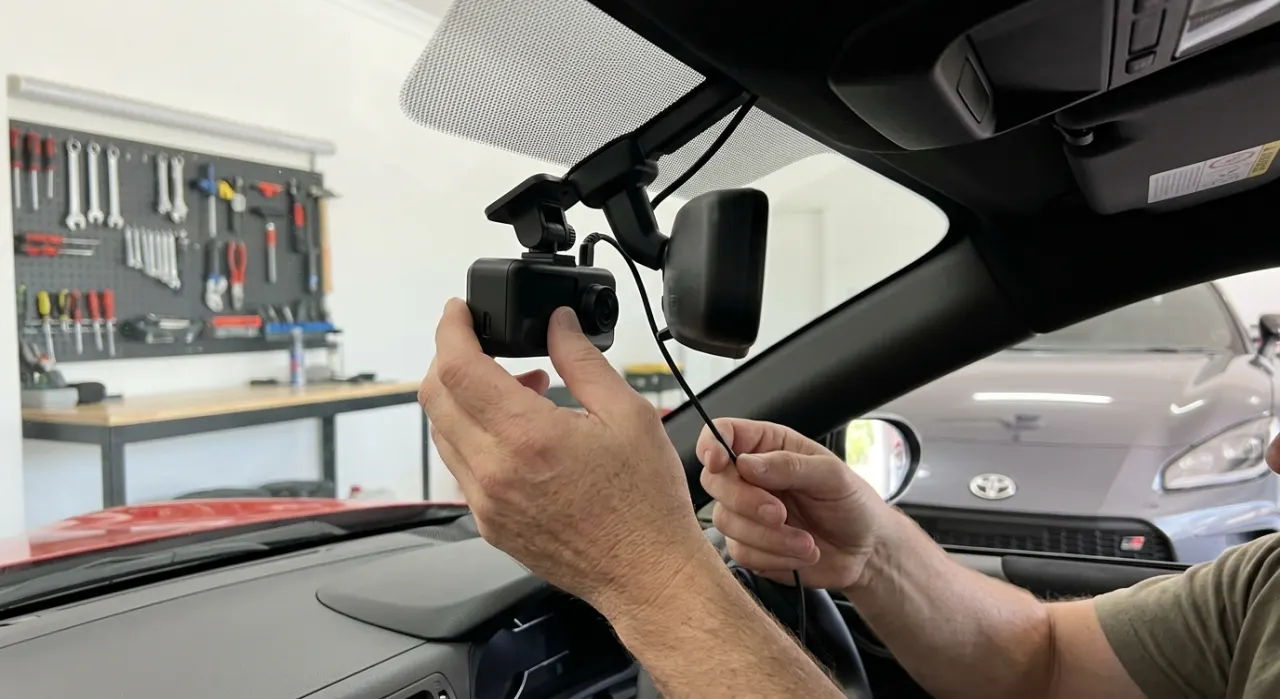
Alternatives Worth a Look
The A139 Pro is our top pick, but it is not the only good answer. Depending on what you value:
- 70mai A510 — the best value choice. If you want solid footage without the flagship price, owners rate it highly for the money.
- Vantrue N4 Pro — the best 3-channel for rideshare. Buyers who need dependable front, rear and cabin coverage in one unit gravitate here.
- Garmin Dash Cam Mini 2 — the smallest and simplest. Owners who want a tiny, hide-behind-the-mirror camera with an easy app pick this over the more involved VIOFO.
For the full ranked comparison of all of these against the A139 Pro, see the best dash cam roundup, and if you plan to run parking mode, read dash cam parking mode explained before you buy the hardwire kit.
The Verdict
The VIOFO A139 Pro earns its place at the front of the grid. Owners consistently report that the true-4K STARVIS 2 front camera delivers the image quality that actually matters when you need footage to hold up — day or night — and the supercapacitor design keeps it alive through heat that kills lesser cameras. The trade-offs are real and worth respecting: the rear channel is not 4K, the app can be fussy until you update the firmware, and you will want a proper high-endurance card and a separate hardwire kit for parking mode. Accept those, and you get one of the sharpest, most trusted dash cams money can buy right now. It holds a ~4.4 rating across 3,500+ reviews for good reason.