
Affiliate Disclosure
Some links on this page are affiliate links. As an Amazon Associate, we earn from qualifying purchases — at no extra cost to you. We do not buy, test, or physically handle the products we cover; our rankings come from aggregated owner reviews, ratings and expert consensus. Commissions never change our verdicts. How we rank & full disclosure.
Short version: a cordless impact wrench is worth it for anyone who wrenches on their own cars more than a couple of times a year — it turns fights with rusted lug nuts and suspension bolts into two-second jobs, with no compressor and no air hose. It is not essential for someone who does one oil change a year and can get by with a breaker bar, and it is a real chunk of money up front. So the honest answer is a confident yes for regular DIY, and a fair maybe for the occasional wrencher. Here is the straight case.
Impact wrench marketing loves a giant torque number. We would rather tell you what owners actually report living with one, so you can decide with clear eyes. Here are the real time savings, the honest limits, and who genuinely benefits.
The big one: time and knuckles saved
The core reason a cordless impact wrench is worth it is simple — it removes stubborn fasteners in seconds that would otherwise cost you minutes of grunting, slipped sockets and skinned knuckles. Owners consistently describe the same moment: the first time a corroded lug nut or a seized caliper bolt that had been laughing at their breaker bar just zips off, they wonder how they lived without it. Brake jobs, suspension work, wheel rotations and anything with rusted hardware all get dramatically faster and less frustrating. When you are lying under a car, that speed and the reduced effort are not luxuries — they are the whole point. See how the picks stack up in our best cordless impact wrench ranking.
Why cordless changed the math
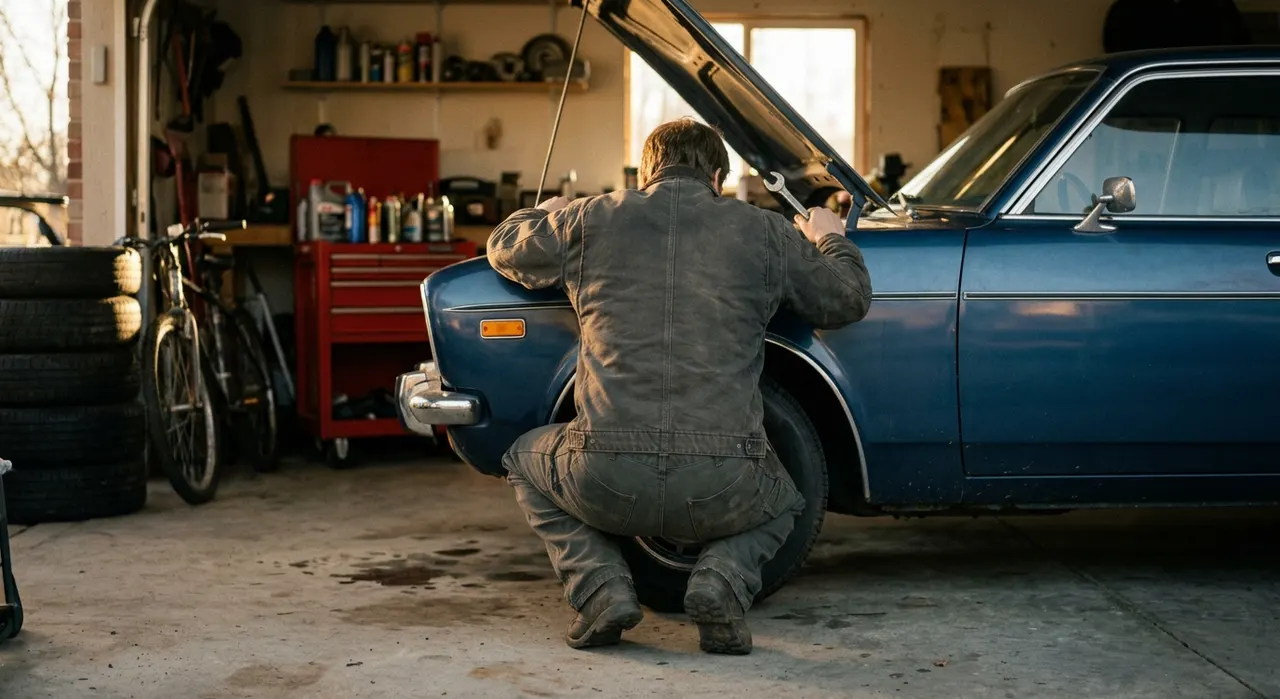
For years, a real impact wrench meant an air compressor, a tank big enough to keep up, and a hose snaking across the garage. That kept impacts in the hands of serious hobbyists and shops. Modern brushless cordless impacts changed everything: they now deliver breakaway torque that rivals or beats air tools, with none of the setup. No compressor to buy, no waiting for the tank to fill, no hose to trip over. The consensus among owners is that cordless is what finally made the impact wrench a sensible buy for the average home mechanic — you grab it, pull the trigger, and the bolt is off, anywhere from the driveway to a dark corner of the parking lot.
How much torque you actually need
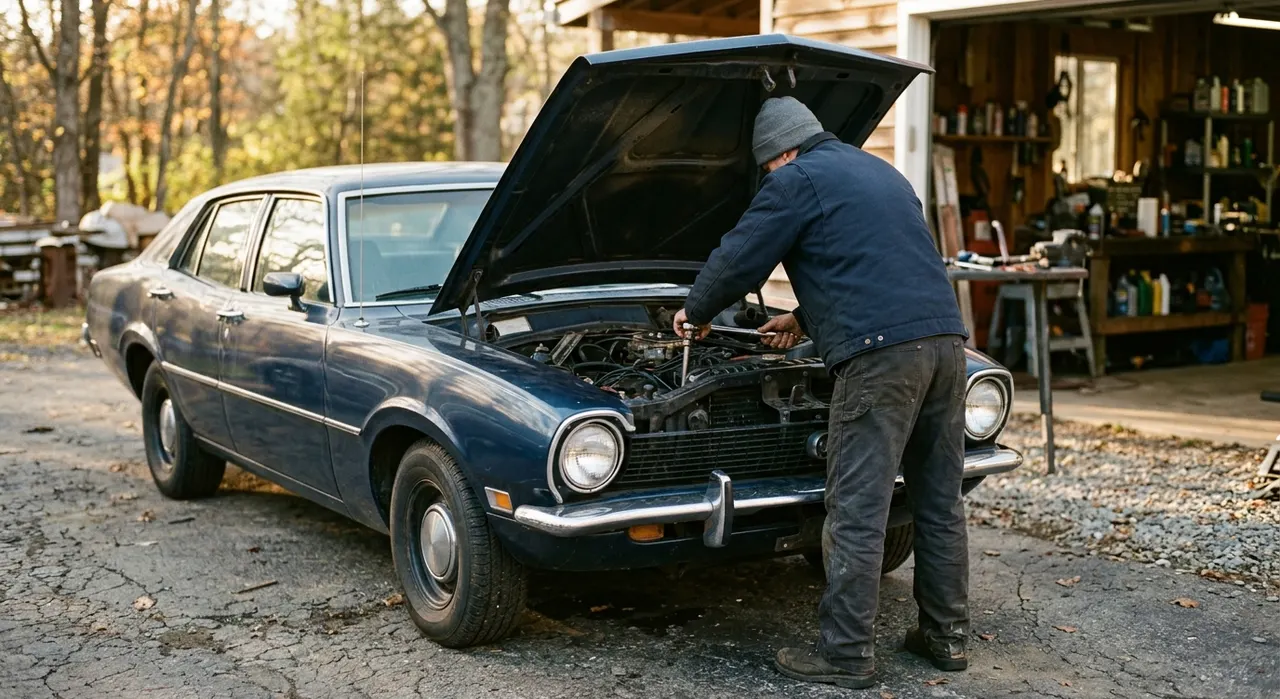
Here is where the marketing oversells. Impacts now advertise 1,000, 1,400, even 1,900 ft-lbs of torque, and it is easy to assume more is always better. For passenger cars and light trucks, a mid-range 1/2-inch impact around 400 to 700 ft-lbs of breakaway torque handles almost everything you will meet — lug nuts, brake hardware, suspension bolts. The monster numbers matter for heavy trucks, big rig work and truly seized industrial fasteners, not for pulling wheels off a sedan. Owners consistently report that reliable mid-range torque plus good battery life beats a headline number you will never use. Spend the money on a quality tool, not the biggest spec.
The honest warning: don't final-tighten with it
This is the mistake that catches beginners, so we will be blunt about it. An impact wrench is superb for removing fasteners and for spinning them on quickly — but it should almost never do the final tightening on your lug nuts. An impact does not know when to stop, and overtightened lug nuts warp brake rotors, strip threads and make your next roadside flat-tire change genuinely miserable. The consensus best practice is to run the nuts on with the impact, then finish with a torque wrench to the exact spec in your manual. The impact saves the time; the torque wrench protects the hardware. Used that way, the two tools are a perfect pair.
Where a breaker bar still wins
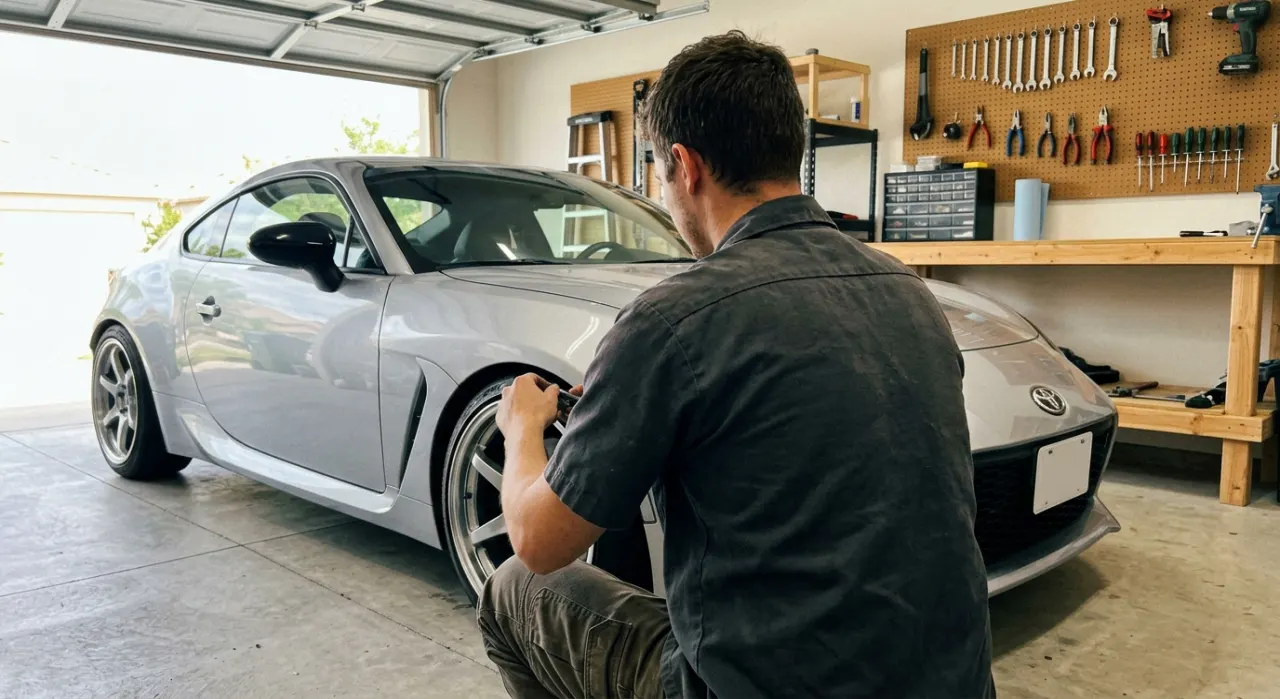
An impact wrench does not make a breaker bar obsolete, and pretending otherwise would be dishonest. A breaker bar is cheap, never needs charging, weighs nothing in the trunk, and with enough leverage will break loose fasteners that even a strong impact struggles with — there is real value in a tool that cannot run out of battery at the worst moment. The honest picture is that they complement each other: the breaker bar is your always-works backstop and your roadside tool, and the impact is your speed-and-comfort tool for the driveway. Most experienced owners keep both, and a breaker bar belongs in your mechanic tool set regardless of whether you buy the impact.
Who a cordless impact wrench is (and isn't) worth it for
It is worth it for anyone who does their own brakes, suspension, wheel rotations or seasonal tire swaps, or who lives where road salt rusts every bolt. If you are under the car more than a couple of times a year, the time and frustration it saves pay for it fast, and if you already own a cordless tool platform, buying the bare tool is even easier to justify. It is a genuine quality-of-life upgrade the moment you have a job to use it on.
It is not worth it for someone who does maybe one oil change a year and happily changes a tire with the factory lug wrench — a breaker bar and a socket set will serve them fine for far less money. And there is no point buying a high-end impact to leave it on the shelf. If your wrenching is genuinely occasional, skip it without regret and put the money toward tools you will use every time.
The verdict
Is a cordless impact wrench worth it? For anyone who wrenches on their own car with any regularity — yes, and most owners wish they had bought one sooner. Set expectations honestly: buy sensible mid-range torque, always final-tighten your lug nuts with a torque wrench, and keep a breaker bar as your backstop. For the true once-a-year oil changer, it stays optional. When you are ready to choose, start with our best cordless impact wrench ranking, weigh it against a breaker bar, pair it with the right torque wrench, and head back to the garage tools hub for the full picture.
Recommended Products
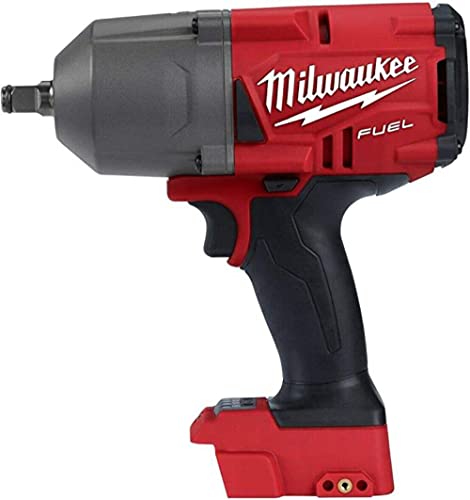
Best for breaking loose anything, from rusted lug nuts to axle nuts
- 1,000 ft-lb fastening / 1,400 ft-lb nut-busting torque
- 4-mode drive control with bolt-removal mode
- Friction-ring anvil for one-handed socket swaps
- Compact 8.4" head for its power
Why buy it: the wrench owners rate highest for raw grunt and control — it removes fasteners nothing else in the garage will touch.
Best for DEWALT 20V owners who want near-Milwaukee performance
- 700 ft-lb fastening / 1,200 ft-lb breakaway torque
- 3-speed selector for control
- Detent-pin anvil, brushless motor
- LED light with delay
Why buy it: a brushless workhorse owners rate right alongside the Milwaukee — the obvious pick if you already run DEWALT 20V batteries.

Best for Makita LXT users who want fine speed control
- 740 ft-lb fastening / 1,180 ft-lb break-away torque
- 3-speed electronic power selection
- Brushless motor, reverse auto-stop
- Well-balanced, controllable feel
Why buy it: owners praise its balance and 3-speed control — a pro-grade wrench that fits straight into the Makita LXT ecosystem.

Best for home mechanics already in the RYOBI ONE+ system
- 300 ft-lb of torque, 3,200 IPM
- 3-speed selector
- Works with every RYOBI ONE+ 18V battery
- Ships as a kit with battery + charger
Why buy it: plenty of muscle for lug nuts and DIY jobs at a fraction of pro-tool money — the value king for RYOBI owners.
Best for the cheapest complete cordless impact kit that works
- 330 ft-lb (450 Nm) max torque
- Includes battery, fast charger, 4 sockets, bag
- Lightweight for occasional use
- Simple, no-fuss controls
Why buy it: a hugely reviewed budget kit that handles wheel changes and light jobs — the smart buy if you just need one occasionally.
Prices are pulled from Amazon and were accurate as of Aug 22, 2026, 7:14 PM EDT. Product prices and availability are subject to change — the live price is shown on Amazon.