
Affiliate Disclosure
Some links on this page are affiliate links. As an Amazon Associate, we earn from qualifying purchases — at no extra cost to you. We do not buy, test, or physically handle the products we cover; our rankings come from aggregated owner reviews, ratings and expert consensus. Commissions never change our verdicts. How we rank & full disclosure.
Short version: a lithium jump starter is worth it for almost every driver — it is a compact, glovebox-sized insurance policy that starts a dead car by itself, with no second vehicle and no waiting for a good samaritan. It is not a set-and-forget device: lithium packs lose punch in extreme cold and need an occasional recharge, and if you neglect it, it may be flat the day you need it. So the honest answer is a strong yes with one condition — you actually keep it charged. Here is the straight case.
Jump starter marketing throws around huge peak-amp numbers. We would rather tell you what owners actually report living with one, so you can decide with clear eyes. Here are the real benefits, the honest limits, and who genuinely needs one.
The big one: you never need a second car
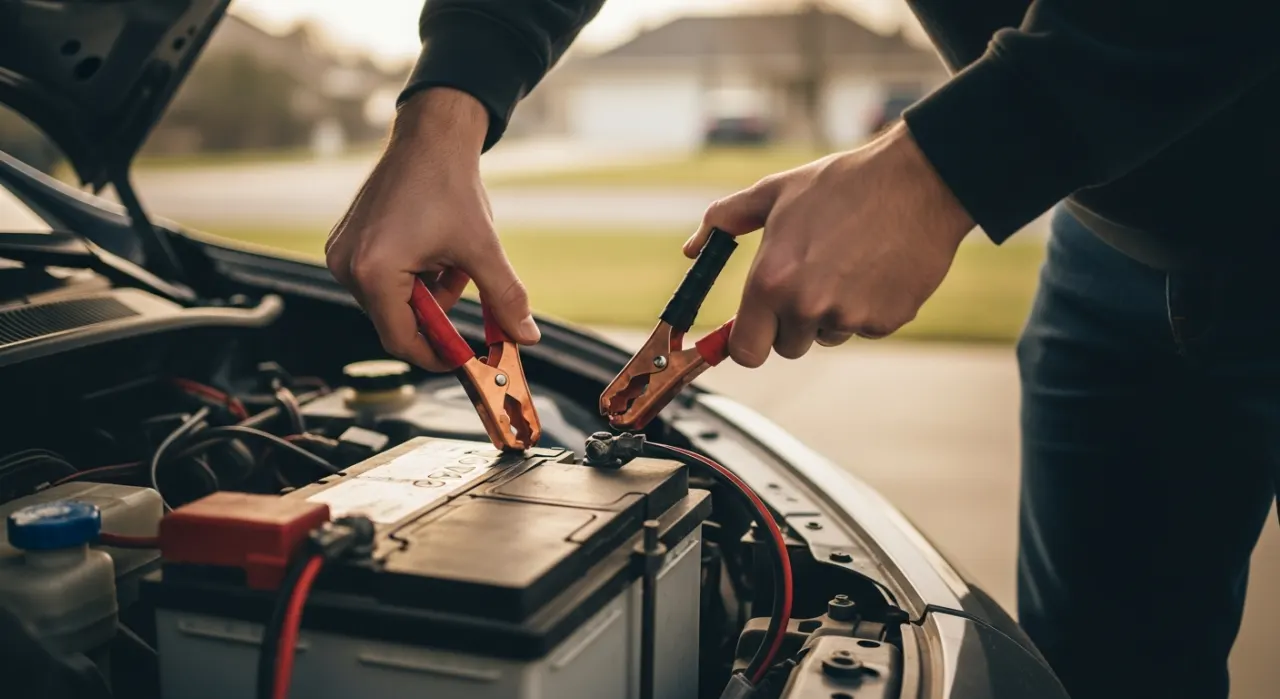
The core reason a lithium jump starter is worth it is independence. A dead battery used to mean standing beside your car hoping someone would stop, pop their hood, and have jumper cables long enough to reach. A lithium pack removes all of that — you clamp it to your own battery, hit the button, and the car starts, usually in under a minute. Owners consistently describe the same relief: being stranded in an empty lot at night, or on a quiet road with no traffic, and simply solving the problem themselves. That self-sufficiency, more than any spec, is what makes the tool worth carrying. See how the picks compare in our best portable jump starter ranking.
Why lithium made this practical
These packs are worth it now in a way the old boxes never were. Traditional lead-acid jump boxes were heavy, bulky, and notorious for sitting dead in the trunk because they self-discharged so fast. Modern lithium units shrank the whole thing to something that fits in a glovebox, hold their charge for months, and typically add real bonus features — USB ports to charge a phone, and a built-in flashlight that is genuinely useful on a dark roadside. That combination of tiny size, long shelf-charge and multi-use utility is exactly why the consensus shifted so hard toward lithium. We break down the head-to-head in lithium vs lead-acid jump starters.
The honest limit: cold weather
Here is what the ads gloss over. Lithium batteries lose capacity and cranking power as the temperature drops — and that is the exact moment your car battery is also at its weakest and needs the most help. A pack that fires up your engine effortlessly in mild weather can feel underpowered on a truly bitter morning. This is not a reason to skip one; it is a reason to buy smart. Owners in cold climates consistently give two tips: choose a unit with more peak amps than you think you need for your engine size, and keep the pack somewhere warm — many bring it inside overnight in deep winter — so it delivers full power when you call on it. Respect the cold and it will still start your car.
The catch nobody mentions: keeping it charged
A jump starter is only worth anything if it has charge in it, and this is where owners get burned. Lithium packs slowly self-discharge, so one tossed in the trunk and forgotten for a year has a good chance of being flat the day the battery dies. The fix is trivial — a quick recharge every few months, and a check before any long trip. Some owners set a phone reminder; others top it up whenever they think of it. Build that tiny habit and the tool is bulletproof. Skip it, and you own an expensive paperweight. This is the single most important thing to get right, and it is entirely in your control.
Where jumper cables still earn a place
A lithium pack does not make jumper cables pointless, and we will not pretend it does. Cables are cheap, weigh little, never lose charge, and last a lifetime — they are the ultimate zero-maintenance backup for the one time your jump starter is dead or has failed. The honest, belt-and-braces setup most experienced owners run is a lithium jump starter as the primary tool and a set of cables in the trunk as insurance for the insurance. If a dead battery is a recurring problem, that is also a sign to check for signs of a dying car battery and address the root cause.
Who a lithium jump starter is (and isn't) worth it for
It is worth it for essentially everyone who drives — commuters, road-trippers, anyone with an older battery, anyone who parks in remote or poorly-lit places, and especially anyone who would rather not depend on strangers. For the cost of a single tow it buys years of not being stranded, and the USB and flashlight extras earn their keep on their own. If you drive, you are a candidate.
It is not worth it for a very narrow group: someone who never drives their car far from home and help, who has a brand-new battery and diligently maintains it, and who honestly will not keep the pack charged. If a jump starter would sit ignored until it self-discharged to zero, a set of cables and a friend on speed-dial is a more realistic plan. Be honest with yourself about that recharge habit — it is the whole game.
The verdict
Is a lithium jump starter worth it? For almost every driver — yes, and it is one of the cheapest pieces of roadside peace of mind you can buy. Just respect the two honest caveats: it loses punch in extreme cold, and it only works if you keep it charged. Do those two things and it will bail you out for years. When you are ready to choose, start with our best portable jump starter ranking, weigh the trade-offs in lithium vs lead-acid jump starters, and head back to the jump starters hub for the full picture.
Recommended Products
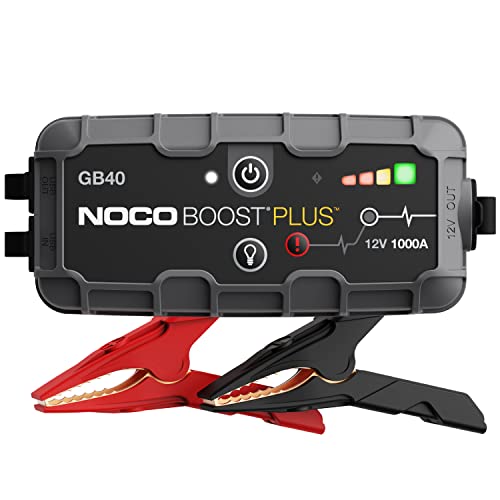
Best for most cars, SUVs and small trucks
- 1000A — cranks up to 6.0L gas / 3.0L diesel
- Spark-proof, reverse-polarity protected clamps
- Doubles as a USB power bank + 100-lumen light
- Up to 20 jump starts per charge
Why buy it: the compact lithium pack owners rate highest — safe, proven across tens of thousands of reviews, and the default glovebox insurance policy for a typical car.

Best for big V8s, trucks, RVs and diesels
- 2000A — cranks up to 8.0L gas / 6.0L diesel
- IP65 rugged, water- and dust-sealed casing
- 400-lumen flashlight, up to 40 jumps per charge
- Same UltraSafe clamp protection as the GB40
Why buy it: the step-up owners with bigger engines reach for — twice the cranking power, and the extra headroom that matters most on a bitter cold morning.

Best for the most cranking power per dollar
- 6000A peak — all gas, up to 12L diesel
- Smart clamps with 8-layer safety protection
- Big built-in LED light + USB Quick Charge power bank
- Huge capacity for the price
Why buy it: a hugely reviewed budget pack that undercuts the premium brands while owners rate its raw power and value highly — plenty of headroom for cold starts.

Best for fast recharge and high capacity
- 4000A peak — all gas, up to 10L diesel
- USB-C fast charge in and out
- SuperSafe clamps with error-tone warnings
- Owners praise the recharge speed
Why buy it: a well-rated high-output pack that recharges quickly over USB-C — which makes the one habit that matters, keeping it topped up, that much easier.
Prices are pulled from Amazon and were accurate as of Aug 22, 2026, 6:54 PM EDT. Product prices and availability are subject to change — the live price is shown on Amazon.