
Affiliate Disclosure
Some links on this page are affiliate links. As an Amazon Associate, we earn from qualifying purchases — at no extra cost to you. We do not buy, test, or physically handle the products we cover; our rankings come from aggregated owner reviews, ratings and expert consensus. Commissions never change our verdicts. How we rank & full disclosure.
Short version: wash microfiber separately from cotton, use a little quality detergent, never use fabric softener or dryer sheets, wash warm not hot, and dry on low heat or hang it. Separate the nasty towels (wheels, dressing) from the good ones (paint, glass). Do this and a good towel stays soft and scratch-free for years instead of months.
Here is the thing nobody tells you when you buy a nice stack of microfiber: how you wash them matters more than what you paid. A premium towel washed wrong turns crunchy and scratchy in a handful of cycles, while a mid-priced towel treated right stays plush for years. This is basic maintenance — the equivalent of clean oil and the right fluids. Neglect it and the good gear you bought quietly stops performing.
Why washing is the whole game
Microfiber works because it is made of millions of tiny split fibers that grab water, dirt and product. Anything that fills or coats those fibers ruins them. Two culprits do almost all the damage: fabric softener, which coats the fibers in a waxy film, and cotton lint, which physically clogs them. Avoid those two things and you have won most of the battle before you start.
Rule one: wash microfiber alone
Never wash microfiber with cotton towels, clothes, or anything that sheds. Cotton lint is the enemy — it embeds in the microfiber, kills absorption, and leaves your towels fuzzy. Run a microfiber-only load every time. And within that load, separate by dirtiness: your greasy wheel and dressing towels should not ride along with your clean paint and glass towels, or the grime redistributes. This is the laundry-room extension of the zoning system in which towel for which task.
Rule two: the right detergent, no softener
Use a small amount of a quality liquid detergent, or better, a detergent made for microfiber. You do not need much. What you must avoid:
- Fabric softener — coats fibers, destroys absorption, causes streaking. Never.
- Dryer sheets — same waxy coating problem in the dryer.
- Bleach — breaks down the fibers over time.
- Too much detergent — leaves residue that stiffens the towel. Less is more.
For greasy or waxy towels, pre-soak them in warm water with a microfiber wash or a degreaser first, then run the cycle. A pre-soak lifts trapped product that a normal wash leaves behind.
Rule three: warm wash, low dry
Wash on warm rather than hot. Warm water cleans well without cooking the fibers, and hot water repeated over many cycles slowly degrades microfiber. When it comes to drying, this is where towels go to die: high dryer heat literally melts the fine fibers, turning a plush towel stiff and scratchy. Dry on low heat, or best of all, hang them to air dry. Air drying is free, gentle, and keeps towels plush the longest. If you use the dryer, clean the lint trap first so cotton fuzz does not blow back onto your microfiber.
Washing brand-new towels
New microfiber often ships with a little loose fiber and manufacturing residue. Wash new towels before their first use, on their own, to knock off loose lint and prime the fibers. Your first-ever glass towel especially benefits from a wash before it touches a window, so it does not leave fresh fuzz on the glass.
The same rules cover pads and applicators
Everything here applies to your foam and microfiber applicator pads too. Rinse them right after use before product cures, hand-wash gently, skip the softener, and air dry. Let wax set inside a foam pad and it is trash; wash it in time and it lasts for dozens of uses. Our applicator pads guide covers matching pads to products, and this care routine is what keeps that little arsenal alive.
Storage matters too
Once dry, store towels folded or stacked in a clean, closed bin — not tossed in a dusty corner of the garage where they collect grit and debris. A towel that picks up a stray metal shaving from the garage floor becomes a scratch machine. Keep your zones separated in storage the same way you keep them separated in use: glass here, paint there, wheels well away from both.
How long should towels last?
Washed and stored right, a quality microfiber towel can give you years of service. When a towel finally goes stiff, sheds badly, or starts leaving marks even after a proper wash, retire it to dirty-work duty — engine bay, wheels, jambs — before you throw it out. There is always a job for a tired towel that is too rough for paint. For choosing towels worth caring for in the first place, and picking the right weight for each job, see GSM explained and our top picks on the best microfiber towels roundup. Buy good towels, wash them right, and they will outlast three sets of cheap ones treated carelessly.
Recommended Products
Best for buffing wax and sealant on paint
- 500 GSM plush dual-pile weave
- Fully edgeless, no scratch-prone border
- Holds its softness through dozens of washes
- Highly absorbent, holds product well
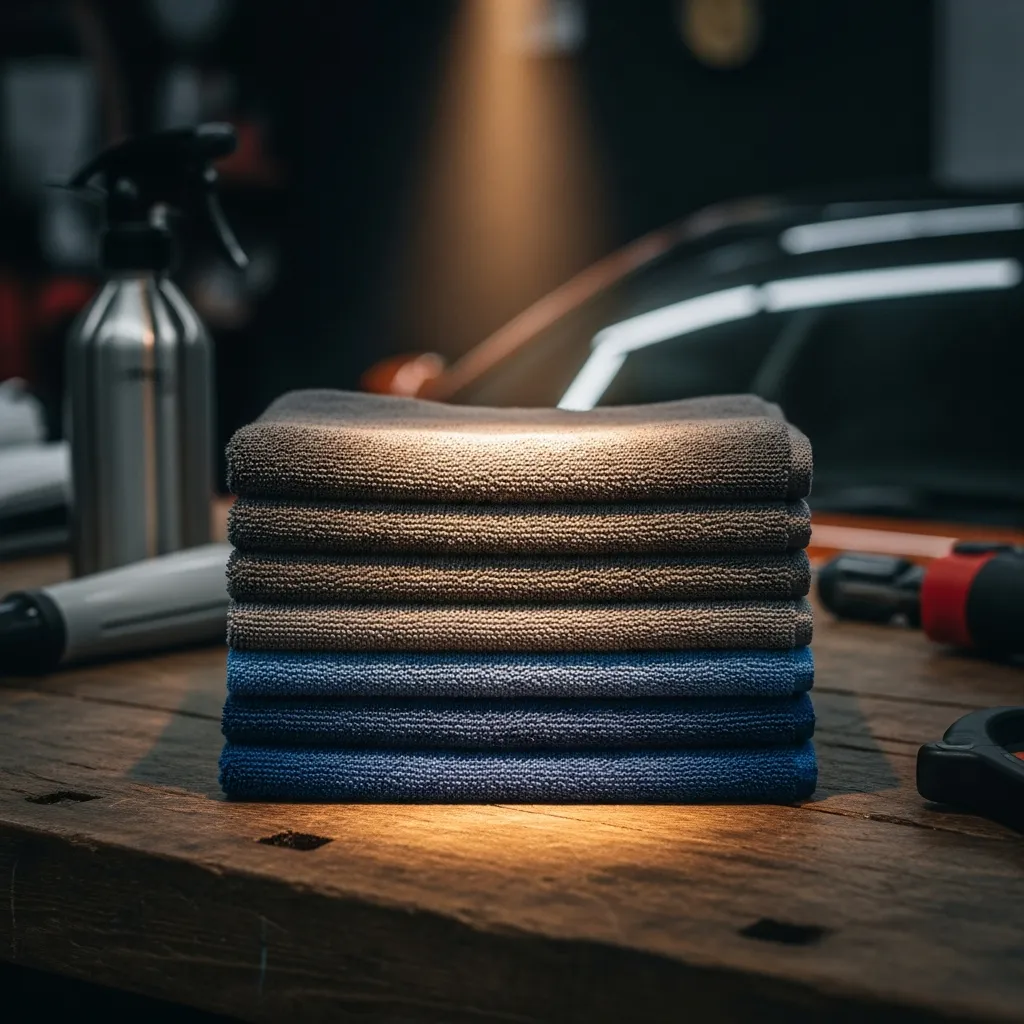
Why buy it: the plushest, most durable towel in our rankings — genuinely edgeless and still soft after months of the wash routine on this page, which is why it is our default for paint.
Best for general detailing and everyday wipe-downs
- 360 GSM all-purpose weave
- Silk-banded soft edges
- 12-pack covers a full detail
- Lint-free on glass and paint
Why buy it: a dozen genuinely capable towels for under twenty bucks — the best value stack to build a rotation you can wash and reuse for years.

Best for one towel that does most jobs well
- Deep 480 GSM plush pile
- Rounded soft-stitched edges
- Great for buffing and final wipe
- Widely available and consistent quality
Why buy it: the do-everything towel — plush enough to buff, absorbent enough to dry a panel, and easy to find anywhere when you need to top up a set.
Best for high-volume rough jobs and wheels
- Lightweight ~250 GSM cloths
- 24 cloths for a low price
- Fine for wheels, engine bays and trim
- Machine washable and durable enough
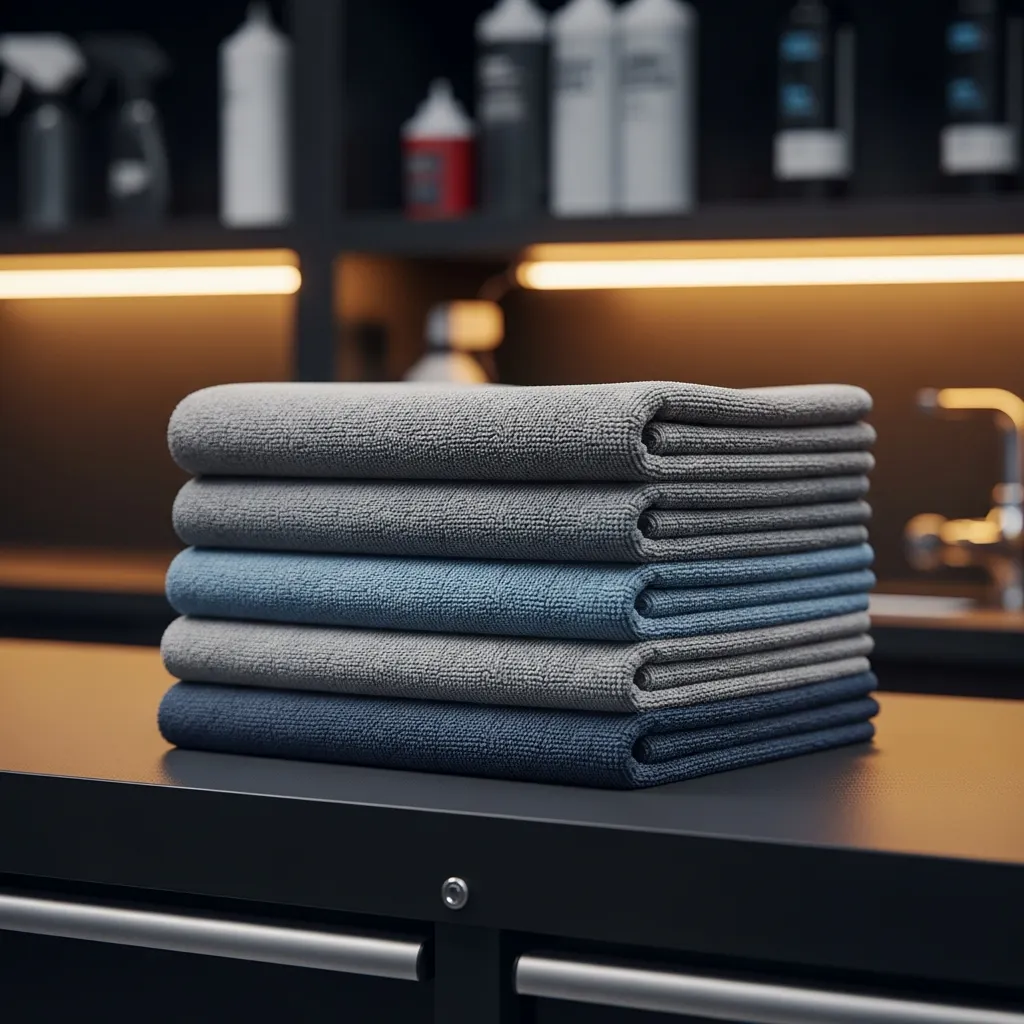
Why buy it: dirt-cheap by the two dozen — the dedicated dirty-job towels you wash separately from paint towels, so grit never migrates onto your good ones.
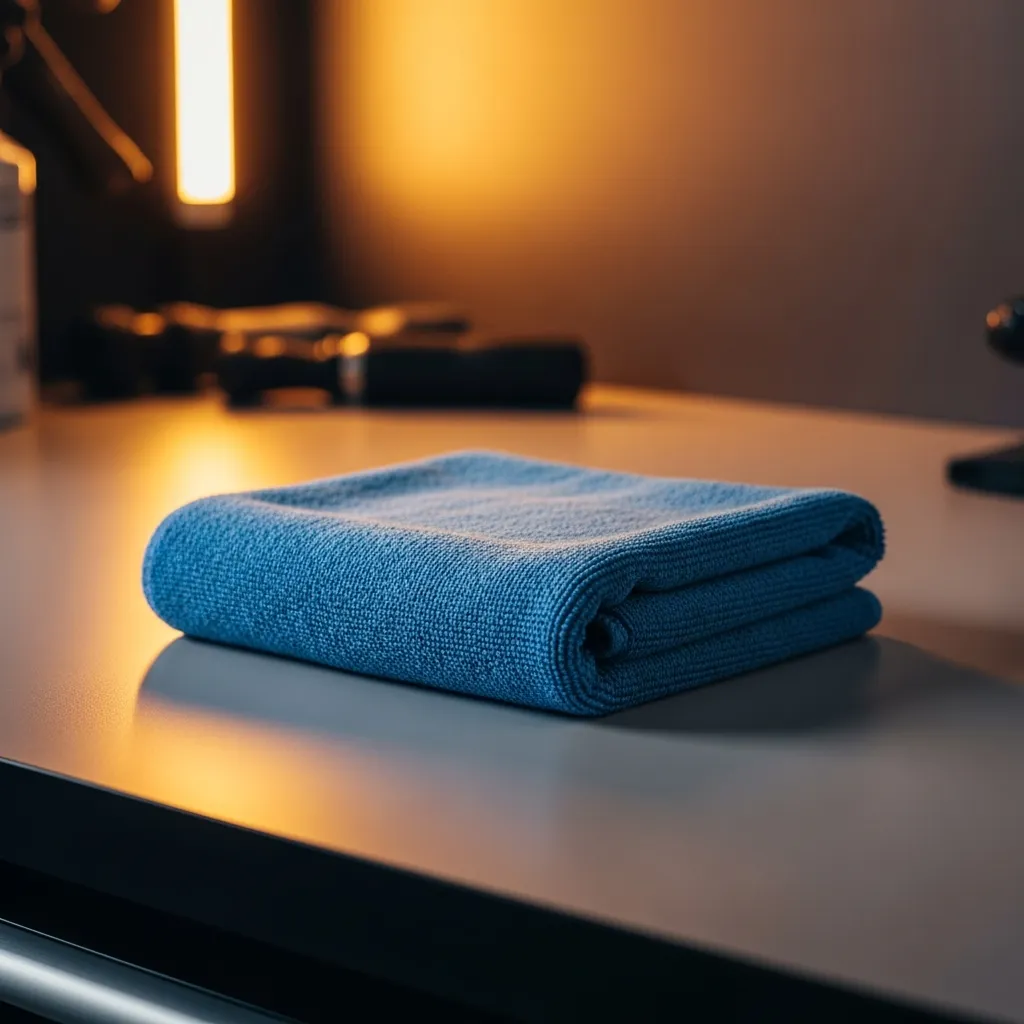
Best for final buffing on show cars and coatings
- Ultra-plush 600 GSM single-sided pile
- Fully edgeless and satin-banded backing
- Exceptionally soft for delicate finishes
- Ideal for ceramic coating removal
Why buy it: the softest towel in our rankings — the one worth the careful separate wash, reserved for a coated show car where nothing else touches the paint.
Prices are pulled from Amazon and were accurate as of Aug 22, 2026, 6:54 PM EDT. Product prices and availability are subject to change — the live price is shown on Amazon.