

Affiliate Disclosure
Some links on this page are affiliate links. As an Amazon Associate, we earn from qualifying purchases — at no extra cost to you. We do not buy, test, or physically handle the products we cover; our rankings come from aggregated owner reviews, ratings and expert consensus. Commissions never change our verdicts. How we rank & full disclosure.
The short version: an oil catch can is the cheap insurance that keeps blow-by from caking your intake valves in carbon — especially vital on direct-injection engines. After weighing thousands of owner reviews, our #1 pick is the Mishimoto Compact Baffled 2-Port: owners rate its real internal baffling and billet build as the best at actually separating oil vapor. Want the most can for the least money? The Ruien 350ml is the value favorite at around $25. Want a complete kit? The EVIL ENERGY ships with hose and fittings. Below is the full ranked field and the honest trade-offs.
A catch can protects the engine you are modding — pair it thoughtfully with the rest of your build, weigh whether bolt-ons are worth it in are bolt-on mods worth it?, and see the full performance mods hub for where it fits in the plan.
Top Picks at a Glance
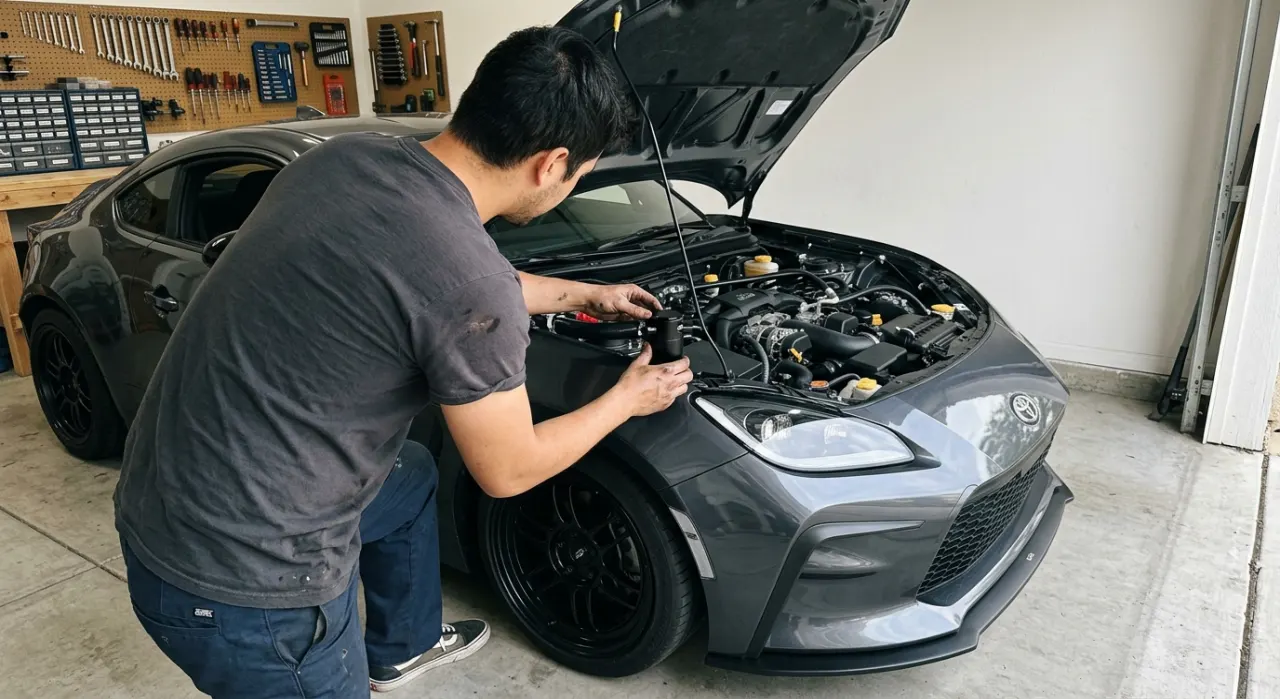
Best Oil Catch Cans 2026: The Ranked Field

Best for the best mix of quality, baffling and fit
- 50% baffled internal design
- Bronze filter and air diverter
- Billet aluminum, magnetic drain bolt
- Universal 2-port fitment
Why buy it: the catch can owners rate highest as an all-rounder — proper internal baffling and a quality billet body that actually separates oil vapor, from the brand enthusiasts trust most.

Best for the most catch can for the least money
- 350ml baffled aluminum reservoir
- Built-in dipstick to check level
- Universal fittings and hose
- Bracket included
Why buy it: a hugely reviewed budget can that catches blow-by for around $25 — the smart buy for a first catch can when you just want the crankcase gunk out of your intake.

Best for a complete kit with hose and fittings
- Baffled aluminum can with filter
- Includes NBR fuel hose and clamps
- Universal PCV fitment
- Easy-drain petcock on some kits
Why buy it: one of the most-reviewed budget kits online — owners rate it for coming with the hose and fittings you need to install it in an afternoon.

Best for direct-injection engines needing two inlets
- Three ports for dual-inlet plumbing
- 50% baffled with bronze filter
- Billet body, magnetic drain
- Universal fitment
Why buy it: the pick for modern turbo and direct-injection engines that need two crankcase lines plumbed — Mishimoto quality with the extra port owners need.

Best for high blow-by trucks and diesels
- Larger XL capacity between drains
- 50% baffled, bronze filter
- Heavy-duty billet construction
- Universal 2-port fitment
Why buy it: the go-to for trucks and diesels that make a lot of blow-by — owners rate the XL capacity for needing far fewer drains between oil changes.
Prices are pulled from Amazon and were accurate as of Aug 22, 2026, 6:54 PM EDT. Product prices and availability are subject to change — the live price is shown on Amazon.
What an Oil Catch Can Does (PCV, Blow-By and Oil Vapor)
Every engine leaks a little combustion pressure past the piston rings into the crankcase — that is blow-by, and it carries oil mist and moisture. The PCV (positive crankcase ventilation) system routes those fumes back into the intake to be burned, which is cleaner for emissions but slowly coats your intake tract in oily carbon. A catch can is plumbed into that PCV line and is designed to condense the oil vapor so it collects in the can instead of your intake. Owners consistently report the payoff on direct-injection and turbo engines, where fuel never washes the valves and carbon builds fastest. We aggregate owner reviews rather than bench-test, and the pattern is clear: catching that vapor keeps intake efficiency where the factory set it.

Baffled vs Non-Baffled: Filter Media and Separation Efficiency
The single thing that separates a real catch can from jewelry is what happens inside it. A baffled can uses internal plates, a bronze filter or a diverter to slow and swirl the airflow so oil droplets fall out; an empty, non-baffled can passes vapor almost straight through. Owners consistently rate separation efficiency as the buying decision that matters most, and the higher-rated cans here — the Mishimoto compacts with 50% baffling and a bronze filter media — are exactly the ones designed around it. Budget cans like the EVIL ENERGY kit still baffle, just less aggressively. We do not bench measure grams of oil caught; we weight the review themes, and the pattern favors more internal baffling over a bigger, hollow can.
Single vs Dual Catch Can Setups (CCS)
Most street cars run a single can on the PCV side. Some turbo and direct-injection engines benefit from a dual catch can setup (often shortened to CCS) that puts a can on both the crankcase-vent and PCV lines, so both directions of airflow get scrubbed. A three-port can like the Mishimoto 3-Port is the middle path — one can, two inlets — for engines that plumb two crankcase lines. Owners with high-blow-by builds report the fullest catch cans and the best-protected intakes come from covering both lines, but for a mild street car a single quality can is plenty. Match the number of cans and ports to how much blow-by your engine actually makes, not to what looks impressive in the bay.
How to Install a Catch Can and Where It Plumbs In
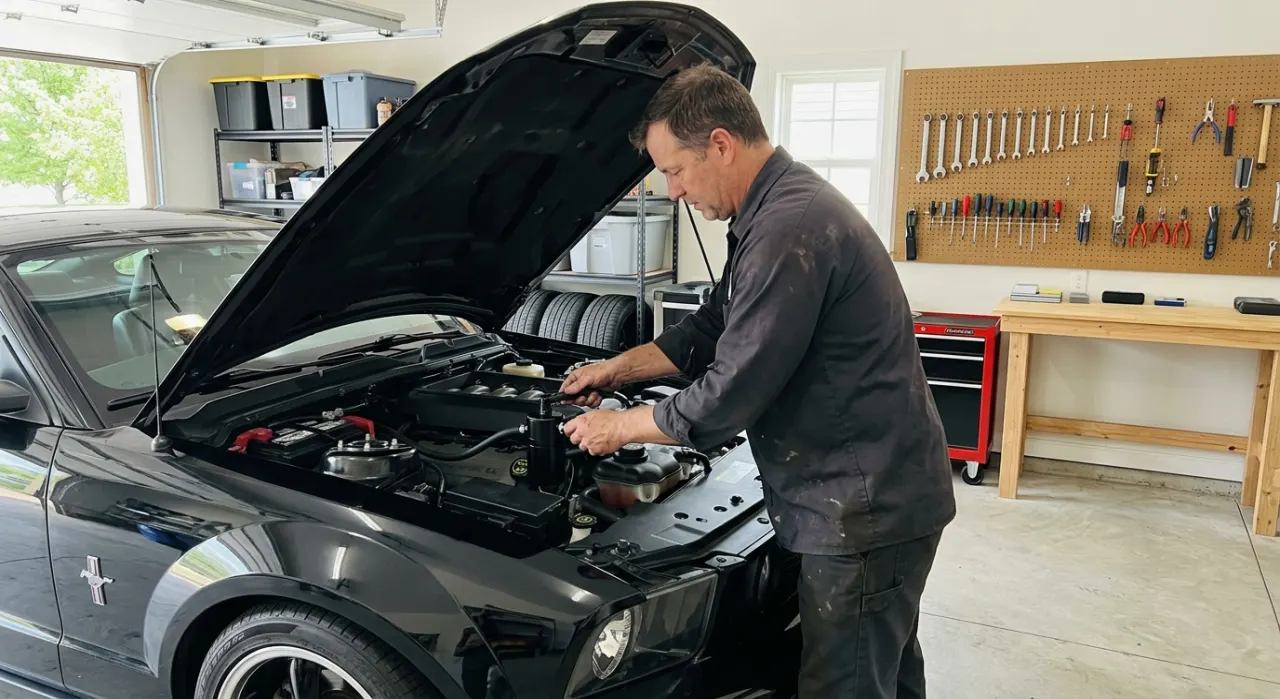
A catch can is one of the friendlier weekend jobs. You install it inline on the PCV hose between the valve cover and the intake, mount the can somewhere cool and accessible, and route the supplied hose to each port — a quick plumbing diagram from the maker or your engine forum saves guesswork on which line is which. Owners consistently recommend mounting it low enough to drain easily but high enough to clear the belts and pulleys. Kits like the EVIL ENERGY ship with hose, clamps and fittings so you have everything in the box; universal cans may need an adapter. After that, maintenance is just draining the collected oil each service — check the level often at first to learn how fast yours fills.
Recommended Catch Can Brands and Bang for the Buck
A handful of brands dominate the reviews. Mishimoto is the enthusiast default for baffled billet quality and is the most recommended name across owner threads; Ruien and EVIL ENERGY own the value end, catching blow-by for a fraction of the price. For pure bang for the buck, owners consistently point first-time buyers to the Ruien 350ml or the EVIL ENERGY kit — real baffling and a complete fitment for around $25 to $30. Spend up to the Mishimoto compacts when you want the best-rated separation, a magnetic drain and a body that lasts the life of the car. We aggregate owner reviews rather than bench-test, and across brands the honest split is simple: budget cans do the job, premium cans do it better and longer.
Quick Comparison
Mishimoto Compact Baffled Oil Catch Can (2-Port)
Best for the best mix of quality, baffling and fit
Best Value
Ruien Universal Baffled Oil Catch Can (350ml)
$24.49 · Check Price on Amazon
Best Budget Kit
EVIL ENERGY Baffled Oil Catch Can Kit
$34.29 · Check Price on Amazon
Best 3-Port
Mishimoto Compact Baffled Oil Catch Can (3-Port)
$169.95 · Check Price on Amazon
Best for Trucks & Diesel
Mishimoto XL Baffled Oil Catch Can (2-Port)
$159.95 · Check Price on Amazon
Prices are pulled from Amazon and were accurate as of Aug 22, 2026, 6:54 PM EDT. Product prices and availability are subject to change — the live price is shown on Amazon.
How We Rank
A catch can earns its place over tens of thousands of miles of quietly keeping an intake clean — not one photo of a shiny billet can — so we rank by aggregated owner ratings, review volume and the themes owners repeat. We weigh four things. Separation — how well the internal baffling and filter condense oil vapor out of the airflow. Build — billet quality, seals and the drain design. Fitment — whether the ports match common engine plumbing, including 3-port needs. And value — quality and capacity per dollar. Prices were current at the time of writing.

The Oil Catch Cans, Reviewed
1. Mishimoto Compact Baffled 2-Port — Best Overall
The all-rounder owners rate above the rest. A 50% baffled billet can with a bronze filter and air diverter that genuinely separates oil vapor, plus a magnetic drain bolt. Pros: real baffling, quality build, easy drain, trusted brand. Cons: premium price, and a 2-port only — direct-injection engines may need the 3-port.
2. Ruien Universal 350ml — Best Value
The most can for the least money. A 350ml baffled aluminum reservoir with a built-in dipstick, universal fittings and a bracket for around $25. Pros: very cheap, huge review base, dipstick to check level, complete. Cons: baffling and build are a step below the premium cans, and the finish is basic.
3. EVIL ENERGY Kit — Best Budget Kit
The complete budget option. A baffled aluminum can that ships with NBR fuel hose and clamps so you can install it in an afternoon. Pros: everything in the box, strong review base, cheap, easy install. Cons: universal fittings may need adapting, and separation is decent rather than exceptional.
4. Mishimoto Compact Baffled 3-Port — Best 3-Port
The modern-engine pick. Three ports let you plumb the dual crankcase lines that many turbo and direct-injection engines run, with the same 50% baffling and billet quality. Pros: correct plumbing for DI engines, quality build, magnetic drain. Cons: priciest of the compacts, and overkill if your engine only needs two ports.
5. Mishimoto XL Baffled 2-Port — Best for Trucks & Diesel
The high-volume pick. A larger XL capacity means far fewer drains on trucks and diesels that make a lot of blow-by. Pros: big capacity, heavy-duty build, strong baffling. Cons: the largest and priciest, and more than a low-blow-by street car needs.
How to Choose an Oil Catch Can
Start with baffling — only buy a can with real internal baffling, a filter or a diverter, because an empty can barely separates anything. Next, match the ports to your engine: most need a 2-port, but many turbo and direct-injection engines need a 3-port to plumb two crankcase lines. Then size the capacity: a compact can suits a street car, while trucks and diesels with high blow-by want an XL to reduce drains. Finally, check you get the hose and fittings you need, and favor cans with a large, long-standing review base.
The Verdict
For the best all-round catch can, the Mishimoto Compact Baffled 2-Port is the one owners rate above the rest — real baffling and a billet build that actually does the job. Want the most can per dollar? The Ruien 350ml delivers for around $25. Running a direct-injection engine? Step up to the Mishimoto 3-Port for the correct plumbing. Check Price on Amazon →