
Affiliate Disclosure
Some links on this page are affiliate links. As an Amazon Associate, we earn from qualifying purchases — at no extra cost to you. We do not buy, test, or physically handle the products we cover; our rankings come from aggregated owner reviews, ratings and expert consensus. Commissions never change our verdicts. How we rank & full disclosure.
The short version: two of the most trusted names in intakes, and the choice is more about fit and character than horsepower. K&N is the safe, high-consensus pick — the widest fitment list, the friendliest install, the famous induction growl, and a reputation built over decades. Injen is the enthusiast’s answer — tuned mandrel-bent tubing, a jewel-like engine-bay finish, and owners who chose it for craft as much as flow. Power gains land in the same modest ballpark for both, so the real question is coverage and vibe, not dyno numbers.
This is a straight head-to-head. For the wider field, our best cold air intake roundup ranks more options, the K&N cold air intake review goes deeper on the front-runner, and the performance mods hub maps out where an intake fits in your build.
K&N vs Injen at a Glance

K&N 69 Series Typhoon Cold Air Intake
Best for the widest fitment, easiest install and the famous intake growl
Prices are pulled from Amazon and were accurate as of Aug 22, 2026, 7:14 PM EDT. Product prices and availability are subject to change — the live price is shown on Amazon.

How We Compare Them
We don't strap intakes to a dyno and chase peak numbers — we read the crowd. For each brand we pull together the aggregated Amazon rating, the volume of reviews behind it, and the themes owners raise over and over: how the install went, whether the fitment was right for their exact car, how the intake sounds, how it looks under the hood, and whether they'd buy it again. Where hundreds of owners agree — "install was painless," "the growl is exactly what I wanted" — that consensus is the signal. Airflow specs set the theory; owner reports tell you how the intake lives on a real engine.
Fitment and Install: K&N's Home Turf
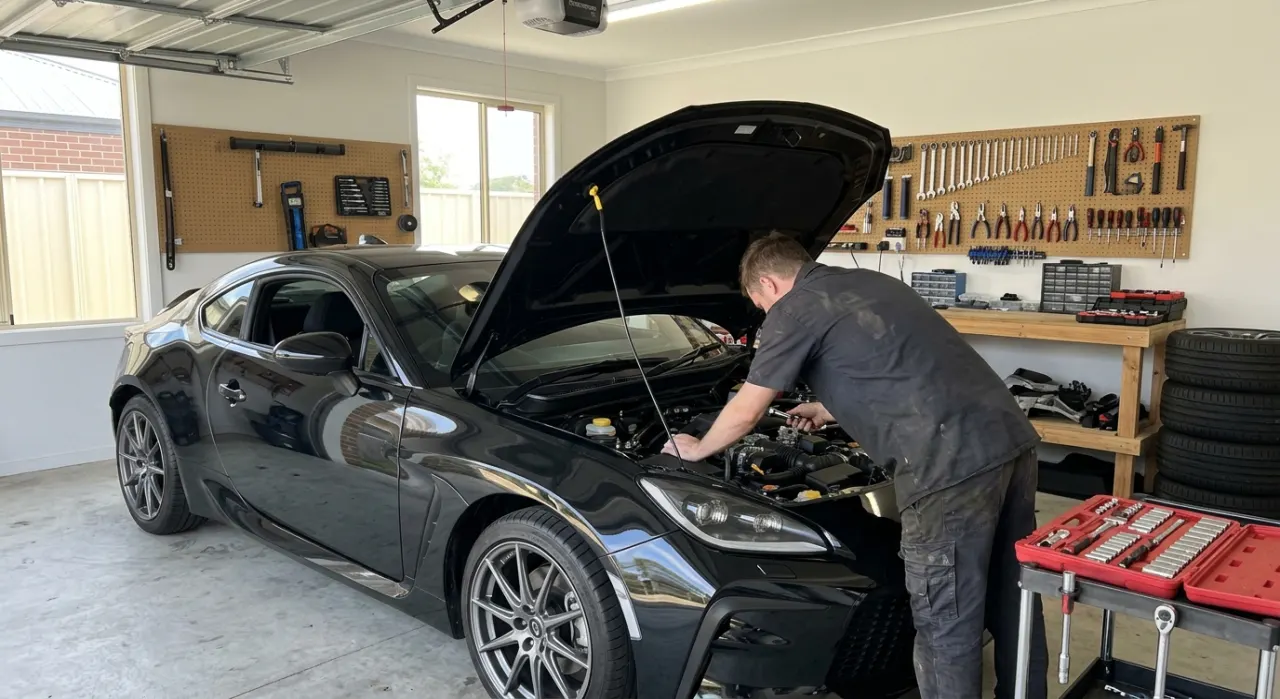
This is where K&N pulls clearest ahead — not on performance, but on coverage. Its 69 Series spans an enormous list of vehicles, and that breadth shows up in the reviews as model-specific instructions, abundant community how-tos, and buyers repeatedly calling the install straightforward. For a first-timer, that depth of support is worth real money. Injen installs are also well regarded and rarely fussy, but they're backed by a smaller owner community, so there's simply less collective know-how to lean on for an obscure application. If your car sits on K&N's list and you want the smoothest path in, it's the easy call.
Sound and Character: A Matter of Taste
Half the reason people buy an intake is the noise, and here the personalities diverge. K&N owns the louder reputation — buyers reach for the 69 Series specifically for that deep induction growl that swells under throttle, and it's one of the most-cited reasons for the purchase. Injen opens the engine up too, but its tuned tubing tends to deliver a slightly more composed note, and some owners genuinely prefer that refinement over raw volume. Neither is wrong; it's the difference between wanting the whole street to hear the pull and wanting a richer soundtrack just for you. Think of it as choosing the exhaust note before the corner — pick the character that suits how you drive.
Looks and Build: Injen's Statement
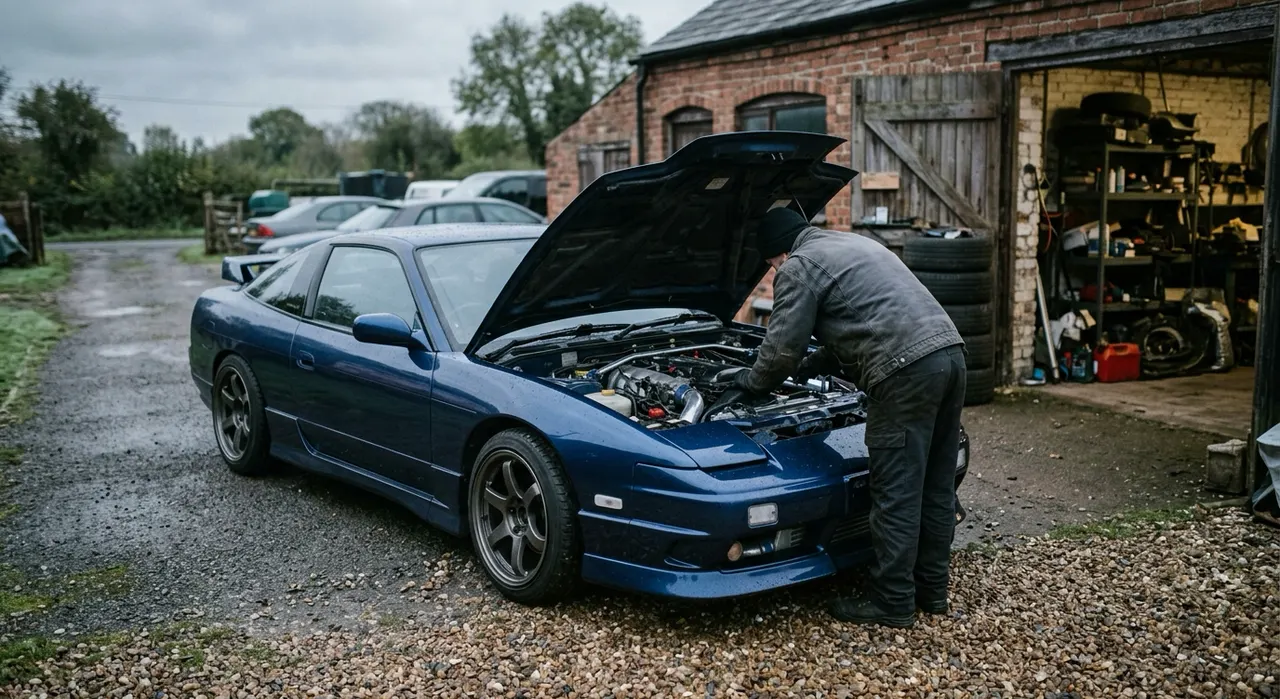
Open the hood and the difference is immediate. Injen leans into presentation — mandrel-bent aluminum tubing in polished or wrinkle finishes that owners consistently praise as a genuine engine-bay upgrade, the kind of part you install partly to look at. K&N's build is solid and dependable, backed by its well-known limited warranty, but it's engineered more for function than for show. If you treat the engine bay as something to open at meets, Injen gives you the visual statement; if you just want a proven part doing its job under the cover, K&N delivers without the flourish.

The Verdict: Coverage or Craft
There's no loser here — both are reputable brands making similar modest power, both use reusable filters, both bolt on in an afternoon. Pick by what you value.
- Pick the K&N 69 Series if you want the widest fitment, the friendliest first-time install, the loudest induction growl, and the reassurance of a long-standing warranty. It's the high-consensus, low-risk choice and our all-round pick.
- Pick the Injen SP if you care about tuned tubing, a smoother torque curve and standout engine-bay looks, and your car is on its fitment list. It's the enthusiast's intake — chosen for craft as much as flow.
Whichever you pick, go in expecting a livelier throttle and a better soundtrack rather than a horsepower revolution — that's the honest reality of a cold air intake, and both brands deliver it.
Both Intakes, Side by Side
Best for the widest fitment, easiest install and the famous intake growl
- Washable, reusable cotton filter — clean, don’t replace
- Owners praise the deep intake note under throttle
- Million-mile limited warranty reassures buyers
- Huge model coverage and strong install support
Why buy it: the safe, high-consensus pick — the biggest fitment list, the friendliest install, and the intake sound most buyers are actually chasing.
Best for enthusiasts who want tuned tubing and standout looks
- Mandrel-bent aluminum tube — polished or wrinkle finishes
- MR Technology tuning targets a smoother torque curve
- Owners praise fit-and-finish and engine-bay looks
- Fitment list narrower than K&N’s
Why buy it: the enthusiast’s choice — its tuned tubing and jewel-like finish win over owners who treat the engine bay as something to show off.
Prices are pulled from Amazon and were accurate as of Aug 22, 2026, 7:14 PM EDT. Product prices and availability are subject to change — the live price is shown on Amazon.
Still deciding whether an intake is even your first move? Our is a cold air intake worth it and do mods void your warranty guides both help, and the full ranked field lives in our best cold air intake roundup.