

Affiliate Disclosure
Some links on this page are affiliate links. As an Amazon Associate, we earn from qualifying purchases — at no extra cost to you. We do not buy, test, or physically handle the products we cover; our rankings come from aggregated owner reviews, ratings and expert consensus. Commissions never change our verdicts. How we rank & full disclosure.
The short version: a good car GPS tracker turns "my car is gone" into "my car is at this address" — and it is cheap insurance for a teen driver, a work vehicle or an older car that thieves love. The one decision that shapes everything is how you pay and how it powers: an OBD-II plug like our #1 pick, the Bouncie, self-powers and reports every 15 seconds on the lowest monthly plan here; the Vyncs skips the monthly bill for a single annual fee; and a battery magnetic puck like the LandAirSea 54 hides under the car with no wiring for covert use. Below is the full ranked field, the subscription trade-offs, the legal line you must not cross, and how to choose.
A tracker is the recovery half of an anti-theft plan — pair it with the basics in our roadside emergency kit guide, and keep your phone within reach on a solid magnetic phone mount so you can act the moment an alert lands. See the full roadside emergency & safety hub for the rest.
Top Picks at a Glance
Our #1 Pick: The Bouncie GPS Tracker
The Bouncie wins on the things that matter for a daily-driven car: it plugs into the OBD-II port so it never needs charging, it reports your location every 15 seconds over 4G LTE, and it carries the lowest month-to-month subscription of any tracker in this ranking with no contract to sign. Owners consistently praise the app for clean route history, geofence alerts and hard-braking notifications, which makes it a favorite for keeping tabs on a teen driver as well as a theft-recovery tool. Its one limitation is the flip side of its strength — it lives in the OBD port, where a determined thief who knows to look can unplug it. For covert protection, drop down to a hidden magnetic unit.
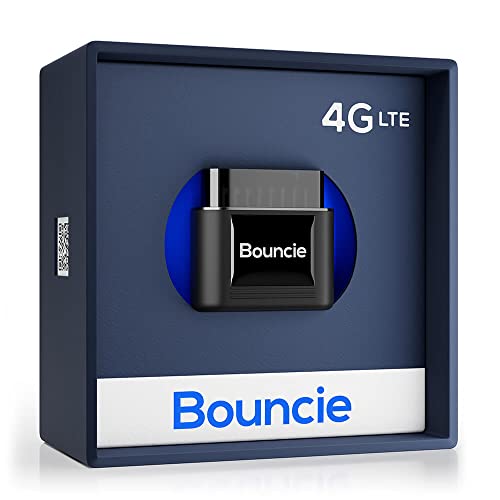
Best for real-time tracking with the lowest subscription in the category
- Plugs into the OBD-II port (1996+ vehicles)
- 15-second location updates over 4G LTE
- Geofence, speed and hard-braking alerts
- No contract, cancel anytime
Why buy it: owners consistently rank it the best all-rounder — a self-powered OBD plug that reports every 15 seconds, with the cheapest month-to-month plan of any tracker here and no lock-in.

Best for avoiding a monthly bill — you pay once a year instead
- 4G LTE, no month-to-month charge
- Annual plan (roughly $8/mo billed yearly)
- Reads OBD fault codes and fuel data
- Trip history, geofence and alerts
Why buy it: the pick for buyers who hate a recurring monthly charge — Vyncs bundles service into a once-a-year fee and adds real diagnostics, so it doubles as a check-engine reader.
Best for a covert, hard-wire-free tracker you can hide anywhere
- Battery-powered, strong magnet mount
- Waterproof case, hides under the vehicle
- Made in the USA, global coverage
- Subscription required for live data
Why buy it: the covert choice — a sealed, magnetic puck with no wiring that owners hide in a wheel well or under a bumper, ideal when you cannot or do not want to use the OBD port.

Best for the smallest real-time tracker for a car, bag or person
- Tiny 1.8 in. body, rechargeable
- 4G LTE worldwide, unlimited distance
- Up to 60 days in battery-saver mode
- Subscription required
Why buy it: the versatile little one — the smallest tracker here, so owners move it between a car, a backpack and a trailer, and the optional magnet box stretches battery life to months.
Best for a portable tracker that runs up to two weeks per charge
- Up to 14-day battery in real-time mode
- Compact, no wiring, magnet add-on
- Geofencing and lifetime support
- Subscription required
Why buy it: the long-runner — a wire-free portable that owners charge every week or two, praised for reliable coverage and support, and the go-to when you cannot get to the OBD port often.

Best for always-on tracking for a work vehicle or teen driver
- OBD-II plug, self-powered
- Ignition on/off and movement alerts
- Fleet and multi-vehicle dashboard
- Subscription required
Why buy it: the fleet-minded plug-in — never needs charging because it draws from the OBD port, and owners running work trucks like the ignition alerts and multi-vehicle dashboard.
The Subscription Question — Read This First
This is the single most important thing to understand before you buy, and it trips up more shoppers than any other spec. Real-time trackers report their position over a cellular network, and that connection costs money every month — there is no way around it for live tracking. So the honest split is not "subscription vs no subscription," it is how you pay for connectivity. Most trackers here charge a monthly fee, usually $8 to $25 depending on update frequency and features. The Vyncs is the outlier: it rolls a year of service into a single annual payment, so you never see a monthly line item even though you are still paying for the data. Treat any ultra-cheap tracker marketed as truly "no fees ever" with suspicion — it almost always means the device only stores data locally and cannot show you where the car is right now, which defeats the purpose.
Privacy and the Law — Track Only What You Own
A GPS tracker is a powerful tool, and that cuts both ways. Putting a tracker on a vehicle you own or lease is legal in most of the United States, and so is a parent tracking a minor child’s car or a business tracking its own fleet. The line you must not cross is tracking a vehicle you do not own or control — another adult’s car, a partner’s or an ex’s — which can violate stalking, harassment and privacy laws and carries real legal risk, even in some cases where you are a joint owner. Laws vary by state, so if there is any question about ownership or consent, verify your state law before you install anything. We rank these trackers for legitimate use: protecting your own property and the drivers you are responsible for.
How to Choose a Car GPS Tracker
Start with power and placement. If you want a permanent, never-charge tracker for a car you own, an OBD-II plug-in (Bouncie, Vyncs, Spytec OBD) is the simplest answer — it draws power from the port and reports continuously. If you need the tracker hidden for anti-theft, or the vehicle has no accessible OBD port, choose a battery-powered magnetic unit (LandAirSea 54, Tracki, Spytec portable) and accept that you will recharge it periodically. Next, decide how you want to pay — monthly for flexibility, or Vyncs’ annual plan to kill the monthly bill. Then match the update interval to the job: 15-second updates for live recovery and teen monitoring, longer intervals to stretch battery life on a covert unit. Finally, confirm 4G LTE coverage in your area, because the 3G networks older trackers used have been shut down.
Hidden GPS Trackers for Covert Anti-Theft
For theft protection, a hidden tracker beats a visible OBD plug a thief can spot and unplug. Battery-powered magnetic trackers — the LandAirSea 54 and its weatherproof SpaceHawk GPS sibling, Tracki, and the Spytec portable — mount with a strong magnet in a wheel well, under a bumper or inside the trunk, with no wiring at all. A well-placed hidden GPS keeps reporting even after a thief drives off, without any visible install to find, which is exactly what recovers a stolen car. The trade-off is charging: a covert battery unit has to be topped up periodically, and you set an update interval that balances how often it reports against how long it runs between charges.
Battery Life vs Real-Time Tracking
On any battery tracker there is a direct tension between battery life and how often it reports. Set for real-time 15-second updates, a portable unit might last days; set to report every few minutes or only when moving, the same tracker stretches to weeks or, in deep sleep, a couple of months. For live theft recovery favor frequent updates and accept shorter runtime; for passively logging where a vehicle goes, a long interval and long tracking life make more sense. OBD plug-in trackers sidestep the whole question because they draw power from the port and never need charging.
Monthly Fees, Alerts and App Access
Live trackers need a data plan, so budget for a monthly fee (typically $8–$25) or Vyncs’ once-a-year alternative. What you get for it is the app and its alerts: geofence in/out, speeding, hard-braking and ignition notifications that fire the moment something happens, on both iPhone and Android. Fleet users can watch multiple assets and driving history from one dashboard. Whichever unit you pick, confirm the app is well reviewed and tested on your phone — a reliable tracker is only as useful as the alert that reaches you, so a clean app and dependable notifications matter as much as the hardware.
How We Rank
A tracker only earns trust if it reports reliably the one time you truly need it, so we rank by aggregated owner ratings, review volume and the themes owners repeat across thousands of reviews rather than a single bench test. We weigh four things. Reliability — whether owners report consistent, accurate location updates over months of use. Value — the total cost of the device plus its subscription, which is where the OBD and annual-fee options separate from the pack. Ease of use — a clean app, straightforward setup and alerts that actually fire. And fit for purpose — because a covert magnetic puck and an always-on OBD plug serve different buyers. Prices and plans were current at the time of writing and change often, so confirm before you subscribe.
Quick Comparison
Bouncie GPS Tracker (OBD-II)
Best for real-time tracking with the lowest subscription in the category
Best Value
Vyncs GPS Tracker, No Monthly Fee (OBD-II)
Check Price on Amazon
Best Premium
LandAirSea 54 GPS Tracker (Magnetic, Waterproof)
Check Price on Amazon
Best Compact Tracker
Tracki 4G Mini GPS Tracker
Check Price on Amazon
Best Battery Life
Spytec GPS Atlas / GL300 Portable Tracker
Check Price on Amazon
Best for Fleets & Diagnostics
Spytec GPS OBD Plug-In Tracker
Check Price on Amazon
The Verdict
For a daily-driven car you own, the Bouncie is the tracker owners rate above the rest — self-powered, 15-second updates and the cheapest monthly plan here. Hate a monthly bill? The Vyncs bundles a year of service into one annual fee. And for covert, wire-free anti-theft, the magnetic LandAirSea 54 hides under the vehicle with no OBD port needed. Whichever you choose, track only what you own. Check Price on Amazon →