
Affiliate Disclosure
Some links on this page are affiliate links. As an Amazon Associate, we earn from qualifying purchases — at no extra cost to you. We do not buy, test, or physically handle the products we cover; our rankings come from aggregated owner reviews, ratings and expert consensus. Commissions never change our verdicts. How we rank & full disclosure.
The short version: "snow tires" and "winter tires" are the same category, and they are the single biggest winter safety upgrade — a cold-weather compound plus a biting tread that grip where all-seasons slide. The mark to look for is the three-peak-mountain-snowflake (3PMSF) symbol, and the rule that matters most is to fit all four. Ranked across aggregated owner reviews, our #1 pick is the Bridgestone Blizzak WS90, the ice-and-snow benchmark. Tires are sold by size, so buy the size on your sidewall. Below is the full field and how to choose.
Snow tires are one winter decision among several. For the broader comparison see our best winter tires and winter tires vs all-season guides, and how to prepare your tires for winter. For deep snow and passes, add tire chains. The full tires & wheel buying hub has more.
Top Picks at a Glance
Our #1 Pick: Bridgestone Blizzak WS90
Our top pick is the Bridgestone Blizzak WS90. The Blizzak name is the benchmark for winter grip, and the WS90 earns it: a cold-weather compound and a tread packed with biting edges deliver the ice and packed-snow traction owners rank at the top, with notably short ice-braking distances versus the previous WS80. It is a studless tire, so there are no studs to fit or restrictions to worry about. It carries the 3PMSF severe-snow rating, like every tire here. Remember tires are sold by size — read your sidewall (e.g. 215/65R16) and buy that size — and fit a matched set of four for balanced, predictable winter handling.
Best Snow Tires 2026: The Ranked Field

Best for the ice-and-snow benchmark for cars
- 3PMSF severe-snow rated
- More biting edges than the WS80
- Excellent ice braking
- Studless — no studs needed
Why buy it: the snow tire owners rate highest — the Blizzak name is the benchmark for ice and packed-snow grip, and the WS90 adds biting edges that shorten stopping distances on ice.
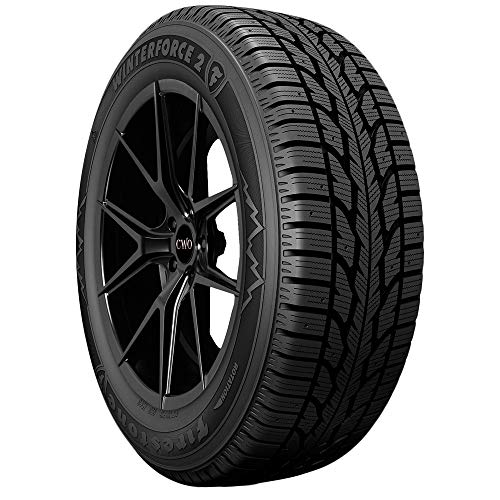
Best for strong winter grip on a budget
- 3PMSF severe-snow rated
- Studdable for extra ice bite
- Deep tread for snow traction
- Priced well below premium tires
Why buy it: the value pick — genuine severe-snow performance for noticeably less, and it accepts studs where legal for owners who face regular ice.

Best for long tread life with top winter grip
- 3PMSF severe-snow rated
- 40,000-mile treadwear warranty
- Strong ice and snow braking
- Quiet, comfortable ride
Why buy it: the premium pick — it matches the best on snow and ice while lasting an extra season, and it rides quieter than most winter tires, backed by a treadwear warranty.

Best for aggressive traction at a low price
- 3PMSF severe-snow rated
- Studdable where permitted
- 72-month treadwear coverage
- Aggressive deep-snow tread
Why buy it: the budget-studdable pick — it punches above its price with aggressive snow traction and the option to add studs for ice, at one of the lowest costs per tire here.

Best for directional ice and slush traction
- 3PMSF severe-snow rated
- Directional Winter Grip compound
- Strong wet and slush handling
- Studless design
Why buy it: the ice pick — the directional tread and cold-weather compound bite hard on ice and clear slush, which owners in freeze-thaw climates specifically praise.
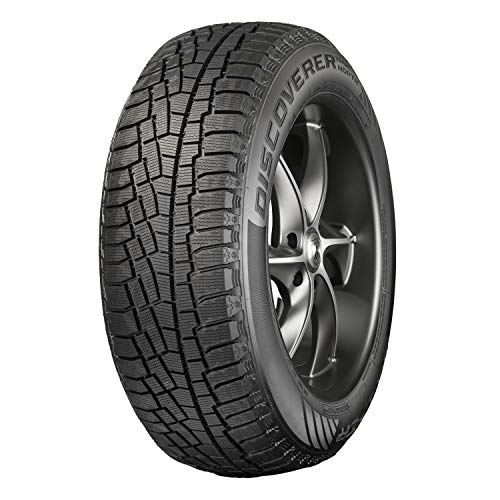
Best for SUV and crossover winter handling
- 3PMSF severe-snow rated
- Snow-groove snow-on-snow traction
- Balanced handling and comfort
- Truck/SUV touring sizes
Why buy it: the SUV pick — it keeps responsive handling while delivering severe-snow traction, in the larger touring sizes crossovers and SUVs need for winter.
Prices are pulled from Amazon and were accurate as of Aug 22, 2026, 7:14 PM EDT. Product prices and availability are subject to change — the live price is shown on Amazon.
Why a Snow Tire Beats an All-Season
The difference is physics, not marketing. All-season tires use a compound that hardens below about 45°F (7°C), so they lose grip on cold pavement before snow is even a factor, and their tread lacks the dense sipes that bite snow and ice. Snow tires use a compound that stays flexible in the cold plus a heavily siped tread, which is why they can roughly halve stopping distances on snow and ice. The mark that certifies real winter capability is the 3PMSF symbol — a snowflake in a mountain — not the older M+S label, which is not a performance test. If winter is serious where you live, a 3PMSF snow tire is the biggest safety upgrade available.
How to Choose Snow Tires
Start with the 3PMSF symbol — non-negotiable for a real snow tire. Match your tire size exactly from your sidewall. Consider your winter: for mostly snow and cold, a top studless tire (Blizzak, X-Ice) is ideal; for regular ice, a studdable tire (Firestone, General) lets you add studs where legal. Weigh tread life — the Michelin lasts longer if you rack up winter miles. For an SUV or crossover, choose a winter tire offered in your larger size with a handling focus (Cooper). And always buy a matched set of four — mixing winter and non-winter tires makes the car unpredictable.
Studded, Studdable, or Studless?
Three options, and the right one depends on your roads and local law. Studless winter tires (Blizzak, X-Ice, Goodyear) use advanced compounds and sipes for excellent all-round winter grip with no studs — the best choice for most drivers and legal everywhere. Studdable tires (Firestone, General) come without studs but let you add metal studs for maximum ice bite. Studded tires grip ice hardest but are noisy, wear pavement, and are restricted or banned in some states and seasons — check your local rules before choosing them. For most drivers a quality studless tire is the sweet spot; reserve studs for regular glare-ice conditions where they are legal.
Snow Tires for SUVs and Trucks
AWD does not replace winter tires — it helps you go, not stop or turn, so an SUV or truck still needs snow tires to brake and corner safely. The good news is the top winter tires come in the larger sizes SUVs and crossovers need. Owners of a Subaru Forester, a 4Runner, or a half-ton truck report the same night-and-day grip improvement cars get. If you also run light off-pavement, note that a dedicated snow tire and an all-terrain tire are different tools — the 3PMSF snow tire wins on ice and packed snow, the all-terrain on mud and rock.
Ice and Winter Weather Performance
The real test of a winter tire is ice and cold-weather performance, not deep snow. Ice is where the compound and siping matter most, and it is where premium names separate: Nokian's Hakkapeliitta line, built for Scandinavian winters, and Pirelli's winter tires are benchmarks in hard-freeze driving common across northern Europe. In everyday winter weather — cold dry pavement, slush, packed snow — any 3PMSF tire here transforms grip, but for regular glare ice, the ice-focused compounds and studdable options earn their keep.
Budget vs Premium: Goodyear and Independent Test Reports
Budget and premium winter tires both work, and independent tests help you place them. Goodyear's Ultra Grip line and value picks like Firestone and General deliver genuine 3PMSF performance for less, while Michelin and Bridgestone lead the premium tier on ice braking and tread life. Consumer Reports and other independent test reports consistently rank these winter tires on braking distance and handling, and they are worth reading before you buy — the gap between good and great is real, but every certified snow tire beats an all-season by a wide margin.
How We Rank
Snow tires are a safety purchase, so we rank by aggregated owner ratings, review volume, and the winter experiences owners repeat rather than a single test. We weigh four things. Snow and ice traction — braking and grip on the surfaces that matter, judged by consistent owner reports. Certification — the 3PMSF severe-snow rating, which every pick carries. Wear and comfort — tread life, noise and ride for the miles you drive. And value — winter capability per dollar. Prices were current at the time of writing and are per tire.
Quick Comparison
Bridgestone Blizzak WS90 Winter/Snow Tire
Best for the ice-and-snow benchmark for cars
Best Value
Firestone Winterforce 2 Winter/Snow Tire (Studdable)
$130.99 · Check Price on Amazon
Best Premium
Michelin X-Ice Snow Winter Tire
Check Price on Amazon
Best Budget Studdable
General AltiMAX Arctic 12 Studdable Winter Tire
$142.99 · Check Price on Amazon
Best for Ice
Goodyear Ultra Grip Ice WRT Winter Tire
Check Price on Amazon
Best for SUVs & Crossovers
Cooper Discoverer True North Winter Tire
Check Price on Amazon
The Verdict
For most drivers, the Bridgestone Blizzak WS90 is the snow tire owners rate highest — the ice-and-snow benchmark. On a budget, the studdable Firestone Winterforce 2 delivers real winter grip for less, and for long tread life the Michelin X-Ice Snow is worth the premium. Look for the 3PMSF symbol, buy your exact size, and fit all four — then Check Price on Amazon →