

Affiliate Disclosure
Some links on this page are affiliate links. As an Amazon Associate, we earn from qualifying purchases — at no extra cost to you. We do not buy, test, or physically handle the products we cover; our rankings come from aggregated owner reviews, ratings and expert consensus. Commissions never change our verdicts. How we rank & full disclosure.
The short version: two of the best all-weather tires you can buy, both 3PMSF-rated for real winter traction, separated mostly by reputation and price. The Michelin CrossClimate2 is the consensus champion — the grip owners trust across dry, wet and light snow, plus Michelin's long tread-life pedigree, at a premium price. The Goodyear Assurance WeatherReady 2 is the value play — much of that same year-round security for less per tire, from a newer model still building its review base. For one capable set all year, either is a smart choice; the split is budget versus benchmark.
This is a straight head-to-head. For the wider field, our best all-season tires roundup ranks more options, the Michelin CrossClimate2 review goes deeper on the front-runner, and the tires buying hub covers sizing and how to choose.
CrossClimate2 vs WeatherReady 2 at a Glance
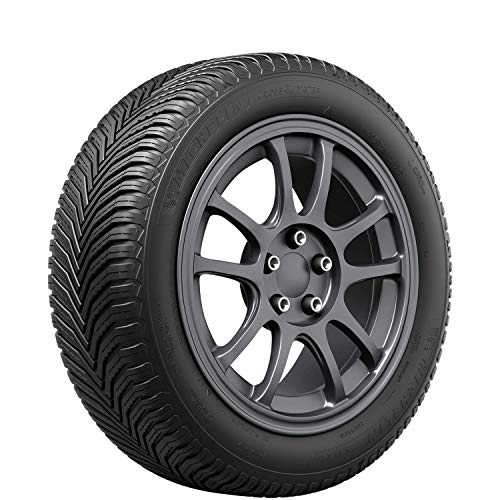
Michelin CrossClimate2
Best for drivers who want the strongest all-weather grip and long tread life
How We Compare Them
We don't run tires around a wet skidpad and log lap times — we read the crowd. For each tire we pull together the aggregated rating, the volume of reviews behind it, and the themes owners raise repeatedly: how secure it feels in rain, how it copes with light snow, how long the tread lasts, and whether it justified the price. Where hundreds of drivers agree — "planted in the wet," "shrugged off the first snow" — that consensus is the signal. Certifications and specs set the baseline; owner reports over thousands of miles tell you how each tire actually behaves through a full year of weather.
All-Weather Grip: Michelin Sets the Benchmark
Both tires wear the 3PMSF snowflake, so both are genuinely more than fair-weather all-seasons — and owners of each report confident wet and light-snow driving. But the CrossClimate2 is the one the wider community treats as the benchmark, with a deeper well of praise for dry, wet and winter grip alike. It's the tire reviewers most often recommend when someone wants a single set they can trust in changeable weather. The WeatherReady 2 is highly capable and its owners are happy, but as a newer model it hasn't yet amassed the same mountain of corroborating reviews. On sheer weight of consensus, the Michelin leads.
Snow and Winter: A Shared Strength, With Limits
This is where all-weather tires earn their name, and both deliver. The shared 3PMSF rating means each meets a real standard for winter traction, and owners of both describe handling light to moderate snow with composure that a standard all-season can't match. Where honesty matters: neither is a true winter tire. In deep snow, ice, or sustained hard winter, dedicated snow tires still win, and reviewers of both are candid about that ceiling. For the driver who sees rain and the occasional snowfall and wants to avoid seasonal tire swaps, though, both the CrossClimate2 and WeatherReady 2 hit the sweet spot — the Michelin with a slightly stronger winter reputation.
Tread Life and Value: Goodyear's Opening
Price is where the Goodyear makes its case. It typically undercuts the Michelin per tire, and value-focused buyers who choose it consistently say they got most of the CrossClimate2's all-weather security for meaningfully less. On tread life, Michelin carries the more established reputation — CrossClimate2 owners frequently praise the miles they get, which helps justify the premium — while the newer WeatherReady 2 is still gathering long-term wear reports. Real mileage for either depends on your car, alignment and rotation discipline. The trade is clear: the Michelin for proven longevity and top-of-class grip, the Goodyear for strong all-weather ability at a friendlier price.
The Verdict: Benchmark or Smart Money
There's no loser here — both are excellent 3PMSF all-weather tires that handle a full year of changeable weather. Pick by budget and priorities.
- Pick the Michelin CrossClimate2 if you want the category's benchmark grip in dry, wet and light snow, the longest-established tread-life reputation, and you're willing to pay a premium for it. It's the do-it-all champion and our overall pick.
- Pick the Goodyear WeatherReady 2 if you want strong all-weather capability for less per tire and are comfortable with a newer model. It's the value pick that gives up little for real savings.
One caveat for both: if your winters are genuinely severe, dedicated winter tires still beat either. These are for drivers who want one capable, no-swap set that handles rain and light snow with confidence all year.
Both Tires, Side by Side
Best for drivers who want the strongest all-weather grip and long tread life
- 3PMSF-rated all-weather tire — real snow capability
- Owners praise dry, wet and light-snow confidence
- Michelin’s long tread-life reputation
- Premium price per tire
Why buy it: the consensus all-weather champion — the grip owners trust in dry, wet and light snow, backed by Michelin’s long-wearing reputation.

Best for buyers who want strong all-weather ability for a bit less
- 3PMSF-rated all-weather grip across the seasons
- Owners praise wet-weather and light-snow security
- Typically undercuts the Michelin on price
- Newer model with a smaller review base
Why buy it: the value all-weather pick — much of the CrossClimate2’s year-round security for a lower price per tire.
Prices are pulled from Amazon and were accurate as of Aug 22, 2026, 7:14 PM EDT. Product prices and availability are subject to change — the live price is shown on Amazon.
Still weighing tire categories? Our all-season vs all-weather vs winter and how to choose tires guides both help, and the full ranked field lives in our best all-season tires roundup.