

Affiliate Disclosure
Some links on this page are affiliate links. As an Amazon Associate, we earn from qualifying purchases — at no extra cost to you. We do not buy, test, or physically handle the products we cover; our rankings come from aggregated owner reviews, ratings and expert consensus. Commissions never change our verdicts. How we rank & full disclosure.
The short version: four of the biggest names in tires, each strongest in a different area. Michelin is the all-season benchmark the reviews back most consistently — top grip and the longest tread-life reputation. Continental is the value-premium pick that gets you close to Michelin for less. Goodyear is the wet-and-all-weather specialist. Bridgestone owns winter with the benchmark Blizzak. There's no single "best" — only the right brand for your climate, your mileage and your budget.
This is a straight head-to-head. If you want the wider field ranked, our best all-season tires guide covers more options, and the tires buying hub explains how to match tires to your driving.
Michelin vs Continental vs Goodyear vs Bridgestone at a Glance
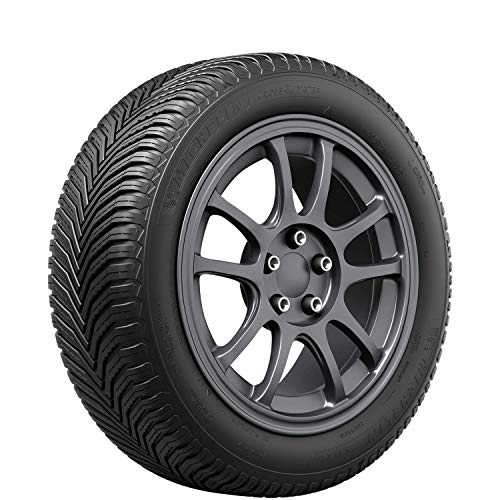
Michelin CrossClimate2
Best for most drivers — the strongest all-round reputation and tread life
How We Compare Them
We don't run tires on a skid pad and score them — we read the crowd. For each brand we pull together the aggregated Amazon rating, the volume of reviews behind a flagship line, and the recurring themes owners raise: dry and wet grip, braking confidence, how tread life stacks up against the mileage warranty, ride noise, and how the tire behaves in cold and snow. Where thousands of reviewers repeat the same thing — "still going at 60,000 miles," "planted in the rain" — that consensus is the real signal. Prices move around; the verdicts are built on what owners consistently report over tens of thousands of miles. Note that each brand makes many lines; we've picked a representative flagship to stand for each.
All-Season Grip and Tread Life: Michelin's Domain
For the tire most drivers actually need — a do-everything all-season — Michelin's CrossClimate2 is the reputation leader. Owners praise it for class-leading dry, wet and light-snow grip, and even more for tread life that routinely meets or beats its warranty, which is the real justification for the premium price. Continental's TrueContact Tour runs remarkably close, especially in the wet, and undercuts the Michelin on price — the reason it's the value-premium darling. Goodyear's and Bridgestone's all-season lines are strong too, but in this specific arena the aggregated reviews keep pointing at Michelin for the best blend of grip and longevity, with Continental as the smart-money alternative.
Wet and All-Weather: Goodyear Steps Up
When the roads turn wet or the weather turns mixed, Goodyear's Assurance WeatherReady 2 is the specialist owners reach for. It's 3-Peak Mountain Snowflake rated and draws consistent praise for confident traction in rain and slush, making it the pick for climates that see steady wet weather and the occasional snowfall. Michelin and Continental are excellent in the wet as well — this isn't a weakness for either — but Goodyear has built the WeatherReady line's whole identity around all-weather versatility. If you spend more time worried about a downpour than a heatwave, the reviews give Goodyear the nod, with the Michelin close behind as the all-rounder.
Winter: Bridgestone's Blizzak Is the Benchmark
True winter is a different sport, and here Bridgestone's Blizzak WS90 is the name owners trust above all. Its dedicated winter compound delivers ice and snow braking that no all-season can match, and reviewers in snowbelt states describe a level of cold-weather confidence that's simply a category apart. The trade-off is honest: it's a winter tire, so you run it in the cold months and swap back for summer to protect the softer compound. The all-season options from Michelin, Continental and Goodyear handle mild winters admirably, but when the roads are genuinely snow-and-ice, the consensus is unanimous — a dedicated winter set like the Blizzak is the safe move.
The Verdict: Pick by Climate and Budget
There's no loser here, only four clear use-cases — so match the brand to your situation rather than chasing one "winner."
- Pick Michelin if you want the best all-round all-season tire and the longest tread life, and you'll pay a premium for it. It's the high-consensus choice for most drivers, and our overall pick.
- Pick Continental if you want near-Michelin quality and wet grip for less money. It's the value-premium smart-money pick.
- Pick Goodyear if you drive in wet, mixed climates that see occasional snow and want standout all-weather traction.
- Pick Bridgestone if you face real winters and want a dedicated snow-and-ice tire. The Blizzak is the winter benchmark.
The enthusiast's move in a four-season climate is a premium all-season set for three seasons and a Blizzak set for winter — the two-set setup that outperforms any single compromise tire.
The Four Tire Brands, Side by Side
Best for most drivers — the strongest all-round reputation and tread life
- Class-leading dry, wet and light-snow grip
- Long tread life owners consistently praise
- Quiet, refined ride
- Premium price per tire
Why buy it: the brand the reviews back most consistently — Michelin’s all-season flagship pairs top-tier grip with the longest-lasting tread reputation here.

Best for buyers who want near-Michelin quality for less
- Excellent wet grip and comfort
- Strong tread warranty
- Costs less than the Michelin
- Ultimate longevity a step behind CrossClimate2
Why buy it: the value-premium pick — most of Michelin’s refinement and wet grip for a lower price, the smart-money choice owners keep recommending.

Best for rainy and mixed climates that see occasional snow
- Standout wet and all-weather traction
- 3-Peak Mountain Snowflake rated
- Confident in rain and slush
- Slightly softer tread wears a touch faster
Why buy it: the all-weather specialist — Goodyear’s wet-and-snow traction is the pick for drivers who face rain and the odd storm year-round.

Best for true winter drivers who want the benchmark snow-and-ice tire
- Benchmark ice and snow braking
- Dedicated winter compound
- Excellent cold-weather confidence
- A winter tire — swap back for summer
Why buy it: the winter benchmark — Bridgestone’s Blizzak is the snow-and-ice standard, the pick for anyone who runs a dedicated winter set.
Prices are pulled from Amazon and were accurate as of Aug 22, 2026, 7:14 PM EDT. Product prices and availability are subject to change — the live price is shown on Amazon.
Still working out sizing and specs? Our how to read tire size and ratings guide and the how to choose tires primer both help, and the full ranked field lives in our best all-season tires roundup.