
Affiliate Disclosure
Some links on this page are affiliate links. As an Amazon Associate, we earn from qualifying purchases — at no extra cost to you. We do not buy, test, or physically handle the products we cover; our rankings come from aggregated owner reviews, ratings and expert consensus. Commissions never change our verdicts. How we rank & full disclosure.
Short version: They live in near-identical bottles but do different jobs. Spray wax leaves real, water-beading protection — reach for it after a wash to seal the paint. Quick detailer mainly cleans light dust and adds gloss and slickness with little lasting protection — reach for it between washes for a fast freshen-up. If you buy one, spray wax is more versatile because it does a bit of both.
Here is a scene every detailer knows: two spray bottles sitting side by side, both clear amber liquid, both promising shine, and you cannot remember which one does what. Grabbing the wrong one is not a disaster, but it means you either skip protection you thought you applied, or scratch paint you meant to protect. So let us permanently sort out which bottle is which and when to reach for each.
What each product actually does
The confusion is understandable because they overlap in feel, but their core purpose is different.
- Spray wax is a protectant first. It leaves a genuine layer of wax or synthetic polymer (often SiO2) on the paint that beads water and defends against the elements for weeks. It also adds gloss and slickness as a bonus, but protection is the point.
- Quick detailer (QD) is a cleaner and gloss enhancer first. It is a lubricating spray designed to lift light dust and fingerprints and boost shine and slickness on an already-clean car, with little to no durable protection left behind.
Put simply: spray wax protects and lightly cleans; quick detailer cleans and glosses but barely protects. That one distinction settles almost every question.
When to reach for spray wax
Spray wax is your after-the-wash move. Once the car is clean, misting on a spray wax and buffing it off (often while the panel is still wet during drying) seals the paint with real protection in about five minutes. It is also perfect for topping up existing wax between full coats, keeping the water beading strong without a long afternoon of paste application.
Use spray wax when your goal includes the word "protect": after a wash, when the beading has started to fade, or when you want quick protection before the car sits out in the weather. Our full best spray wax guide covers how to apply it properly and which formulas last longest.
When to reach for quick detailer
Quick detailer is your between-washes move. Say the car is basically clean but has picked up a light film of dust in the garage, or a few fingerprints and water spots. A quick spritz of QD and a wipe with a plush microfiber lifts that light contamination and snaps the gloss back — no bucket, no hose, a couple of minutes per panel.
QD also has a second job many people rely on: it makes an excellent clay bar lubricant, letting the clay glide over the paint safely during decontamination. What QD is not, though, is a wash substitute. It has enough lubrication for light dust only — try to wipe a genuinely dirty, gritty panel with it and you will drag grit across the clear coat and scratch it.
Can you use one for the other?
Sort of, with caveats — and this is where spray wax quietly wins.
- Spray wax as a quick detailer: works well. On a lightly dusty, already-protected car, spray wax cleans light dust and adds gloss just like a QD, plus it leaves protection behind. The only rule is the same as above — never use it on a genuinely dirty panel, since it has no real cleaning muscle.
- Quick detailer as a spray wax: does not work if you want protection. QD will make the paint look great in the moment, but it leaves little to no durable, water-beading layer. You will think the car is protected when it is not.
Because spray wax can cover both bases and QD cannot, spray wax is the more versatile bottle for most people. If you are only buying one to start, that is the one.
Where they fit in the bigger picture
These two are the fast, light end of paint care. Above them sit the real protection layers — a proper wax applied by hand for months of durability, and above that sealants and coatings. Spray wax and QD are the maintenance tools that keep those layers looking fresh between full details. Think of a good wax as the tires and suspension setup, and these sprays as the quick pit-stop wipe-downs that keep everything performing lap after lap.
Fitting them into a routine
A simple rhythm: apply a real wax on your normal schedule (our how often should you wax guide helps you set that interval), refresh protection with spray wax after washes or when beading fades, and use quick detailer for the quick dust-and-fingerprint touch-ups in between. That three-tier approach keeps the car looking freshly detailed with minimal effort, and you will never again stand in the garage wondering which bottle to grab.
Our top picks
If you are stocking the garage, start with a good spray wax since it does the most jobs, then add a quick detailer for light touch-ups and clay lubrication. We compared the spray waxes for real durability and gloss and ranked the winners. See our top picks in the best car wax roundup, which includes the top spray waxes that pull double duty as fast detailers with actual protection built in. And for the full set of wax guides, start at our Car Wax hub.
Recommended Products
Both sides of this comparison in one place — the spray waxes that protect (start here if you buy one) and the quick detailers for fast touch-ups. We rank on aggregated owner ratings, not first-hand testing.

Best for real protection that also doubles as a detailer
- Leaves genuine SiO2 water-beading protection
- Spray on wet or dry, wipe off
- Cleans light dust like a detailer too
- The do-both bottle this guide recommends
Why buy it: the spray-wax side and our pick if you buy one — it protects like a wax and freshens like a detailer.
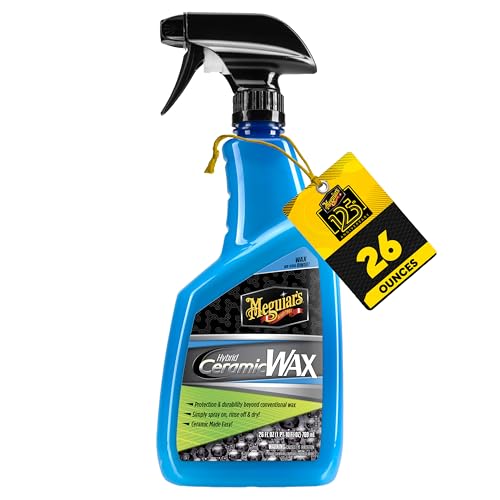
Best for fast ceramic-style protection after a wash
- SiO2 hybrid barrier for durable beading
- Applies to a wet car during drying
- Adds gloss and slickness as a bonus
- Protection is the point, not just shine
Why buy it: a spray-wax that seals the paint in minutes — the after-the-wash protection side of the comparison.
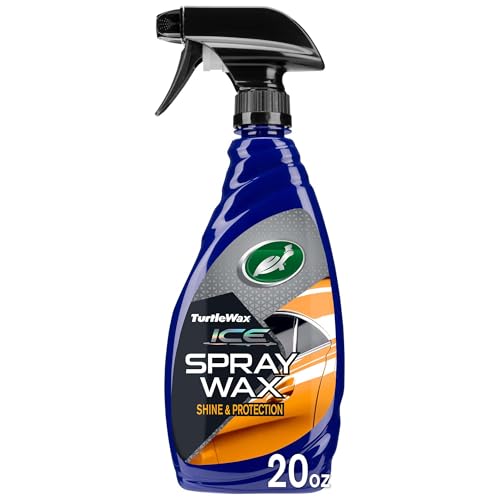
Best for cheap, easy protection between coats
- Easy spray-on protection and gloss
- Safe on paint, trim and plastics
- Cheapest way onto the spray-wax side
- Good top-up between full waxes
Why buy it: the budget spray-wax — real protection for the price of a detailer, and it does the double duty too.
Best for lifting light dust and boosting gloss between washes
- Mist-and-wipe cleaner for light dust
- Boosts gloss and slickness fast
- Great clay-bar lubricant
- Little lasting protection — cleaning, not sealing
Why buy it: the quick-detailer side — the fast between-wash freshen-up, not a substitute for the spray waxes above.
Best for streak-free gloss on an already-clean car
- Spray-and-wipe gloss enhancer
- Lifts light dust and fingerprints
- Doubles as clay lubrication
- No durable protection left behind
Why buy it: a cheap, slick quick detailer for touch-ups — pair it with one of the spray waxes above, which do the protecting.
Prices are pulled from Amazon and were accurate as of Aug 22, 2026, 6:54 PM EDT. Product prices and availability are subject to change — the live price is shown on Amazon.