
Affiliate Disclosure
Some links on this page are affiliate links. As an Amazon Associate, we earn from qualifying purchases — at no extra cost to you. We do not buy, test, or physically handle the products we cover; our rankings come from aggregated owner reviews, ratings and expert consensus. Commissions never change our verdicts. How we rank & full disclosure.
You want your paint protected and glossy. You've got two obvious options and a lot of internet shouting between them. So here it is straight: car wax and ceramic coating are not the same product doing the same job — they sit at different price points, ask for different effort, and last wildly different amounts of time. Pick the wrong one and you either overspend on a job you didn't need or underspend and redo it every month.
This page settles it. Part of the car wax hub; if you land on ceramic, our ceramic coating hub takes it from there.
Quick Answer
Choose wax if you want cheap, easy, no-commitment protection and a warm gloss, and you don't mind reapplying every 1–3 months. Choose a ceramic coating if you want years of durable, chemical- and UV-resistant protection with a glass-like finish, and you're willing to do (or pay for) proper prep. For a keeper daily driver, ceramic usually wins on cost-per-year; for a quick weekend shine, wax wins.
Wax vs Ceramic at a Glance
| Attribute | Car Wax | Ceramic Coating |
|---|---|---|
| Durability | Weeks to a few months | 1–5+ years |
| Gloss character | Warm, deep, "wet" look | Sharp, glass-like clarity |
| UV / chemical resistance | Basic; oxidises quickly | High; shields the clear coat |
| Application effort | Low — apply, haze, buff | High — decon, correct, level carefully |
| Upfront cost | $15–$60 per tin, ongoing | $50–$150 DIY kit; $500–$2,000+ pro |
| Reversibility | Fully reversible | Semi-permanent; needs polishing off |
| Best for | Beginners, budget, quick shine | Long-term protection, keepers |
What's Actually on Your Paint
The reason these two behave so differently comes down to chemistry. Wax is organic — traditional carnauba is refined from a palm leaf — and it sits on top of your clear coat as a soft, sacrificial film. That softness is exactly what gives the warm glow, and also why heat, UV and detergent strip it away in weeks. A ceramic coating is inorganic: a liquid polymer loaded with silica (SiO2) that cures into a hard, glass-like layer chemically bonded to the clear coat. It doesn't wash off because it has effectively become part of the surface until you physically abrade it away. That single difference — sitting on top versus bonding in — explains the entire durability gap, the aggressive water-sheeting ceramic is famous for, and why you can't simply wax over a coating and expect anything to stick.
Durability & Protection: Ceramic Wins
This is the clearest split. Wax is a soft, organic layer that oxidises under UV and washes away — good for weeks, not years. A ceramic coating is an inorganic SiO2 layer that bonds to the clear coat and resists UV, acids and alkaline wash chemicals for years. If your car lives outside and you want to genuinely reduce paint ageing and etching, ceramic is the stronger shield. Just how long depends heavily on prep and upkeep — see how long ceramic coating lasts.
Cost & Effort: Wax Wins Upfront
Wax is cheap and forgiving — a beginner can wax a car well on their first try in an afternoon. Ceramic asks for decontamination, usually paint correction, and careful application within a tight working window, plus a cure time. The upfront cost and skill demand are higher. The trade is longevity: spread a $100 DIY kit over two years and the monthly cost can undercut a wax you reapply ten times in the same period.
The Middle Ground: Sealants and Ceramic Sprays
Wax and full ceramic aren't the only two choices, and pretending they are is where a lot of the internet arguing comes from. Synthetic sealants are polymer-based and slot neatly between the two — easier to lay down than a coating, more durable than wax, typically lasting four to six months with a glossier, cooler tone than carnauba. Ceramic spray coatings (SiO2 spray sealants) go further still: spray on after a wash, buff off, and get six to twelve months of coating-like water beading for a fraction of the effort of a full kit. For a lot of daily drivers this is the honest answer — far tougher than wax, far friendlier than a full ceramic job, and the ideal way to top up an existing coating without disturbing its bond. If a full coating feels like too much commitment but wax feels too fleeting, this is exactly where to look before you spend on either extreme.
Shine & Looks: Personal Preference
Wax throws a warm, deep gloss that many owners love on black, dark red and classic paint. Ceramic gives a sharper, more reflective, glass-like finish that pops on metallics and modern colors. Neither is "shinier" — they simply look different, and this is a legitimate reason to pick one over the other regardless of durability.
When to Pick Each
Pick wax for a first car-care project, a budget build, a garaged weekend car, or when you enjoy the ritual of regular waxing. Start with our best car wax picks. Pick ceramic for a new car you want to protect from day one, a daily driver parked outside, or when you'd rather do the work once and maintain it — head to the best DIY ceramic kits. And if you already have a coating, don't wax over it — read can you wax over ceramic.
Living With Each: The Wash Routine Matters More Than the Product
Protection is only half the story — how you wash decides how long either one actually lasts. Waxed paint wants gentle, pH-neutral shampoo and a soft mitt; harsh degreasers and automatic-wash brushes tear the layer off fast, so you're effectively re-waxing every month or two no matter how carefully you applied it. Ceramic-coated paint is far more forgiving day to day — contaminants struggle to bond and most grime rinses straight off — but it still rewards the two-bucket method, a coating-safe pH-neutral shampoo, and an occasional decontamination wash to keep the hydrophobic behavior alive. Don't wax over a coating to "boost" it; when the beading starts to fade, refresh it with a ceramic-compatible SiO2 spray instead. Whichever route you take, the finish you're looking at in year two is decided far more by the washes in between than by the day you first applied it — and that upkeep gap is worth weighing before you commit. For the full picks either way, our best car wax guide and the wider car wax hub have you covered.
The Bottom Line
Wax is the easy, affordable, low-commitment choice that looks great and protects reasonably — for a while. A ceramic coating costs more and demands more, then pays it back with years of tougher protection and a glass-like finish. Match the product to how long you're keeping the car and how much work you want to do, and neither is a wrong answer.
Recommended Products
Both sides of the decision, side by side: the waxes for cheap, easy, low-commitment shine, and the ceramic coatings for years of tougher protection. Pick the row that matches how long you're keeping the car.

Best for cheap, easy, no-commitment protection with a warm gloss
- Synthetic hydrophobic polymer
- Deep, wet-look gloss
- 3–5 months of durability
- Beginner-easy apply-haze-buff
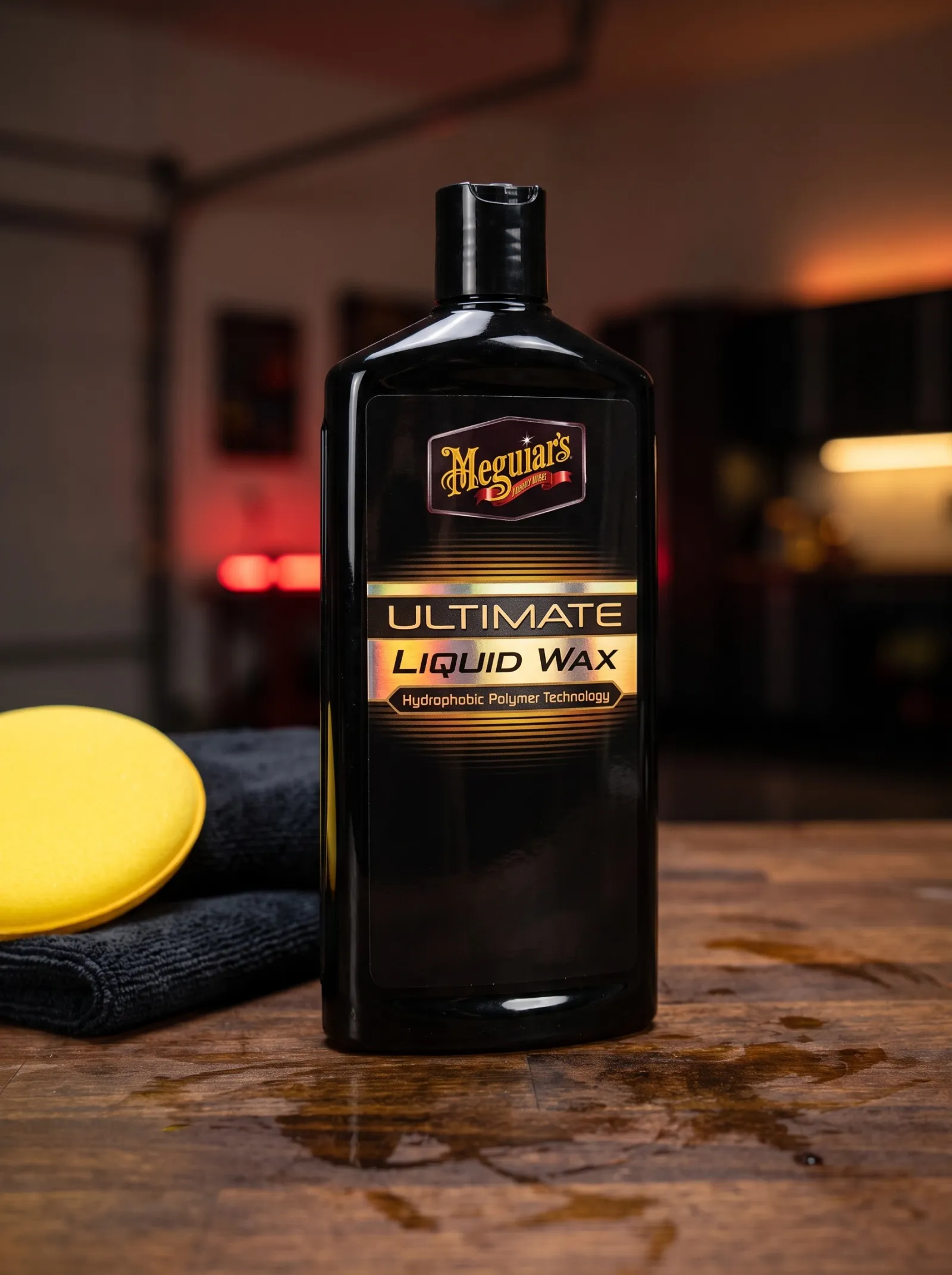
Why buy it: the wax to buy — the easiest route to a warm, glossy, protected finish when you want a quick shine without the commitment of a coating.

Best for first-timers who want a foolproof shine
- Foolproof carnauba liquid
- Warm, wet look
- Wipes off clean even if it dries
Why buy it: almost impossible to mess up — the perfect first wax if you want the low-effort side of this comparison.

Best for years of durable protection on a keeper you will maintain
- Graphene-infused hardness
- 2–5 year durability
- Slick, glass-like high-gloss finish
- Beginner-friendly for a coating
Why buy it: the coating to buy — the best all-round DIY durability and gloss, the pick when you want to do the work once and maintain it for years.

Best for coating-style beading without the full application ritual
- Spray-on / wipe-off
- SiO2 hydrophobic layer
- No cure fuss
- The easy middle ground above wax
Why buy it: the honest middle ground — far tougher than wax, far friendlier than a full coating, and the ideal way to top up an existing coat.

Best for the closest thing to a professional coating at home
- Near-professional hardness
- 5+ year durability
- Superb chemical resistance
- Rewards proper prep and correction
Why buy it: pro-tier protection you can still apply at home — the maximum-durability end of the coating side for a car you plan to keep.
Prices are pulled from Amazon and were accurate as of Aug 22, 2026, 6:54 PM EDT. Product prices and availability are subject to change — the live price is shown on Amazon.