

Affiliate Disclosure
Some links on this page are affiliate links. As an Amazon Associate, we earn from qualifying purchases — at no extra cost to you. We do not buy, test, or physically handle the products we cover; our rankings come from aggregated owner reviews, ratings and expert consensus. Commissions never change our verdicts. How we rank & full disclosure.
The short version: before you buy an alternator, test the charging system — alternators and batteries are constantly misdiagnosed for each other, and a quick test (engine running should read ~13.7–14.7V at the battery) tells you which one is actually bad. When you do replace it, buy an OE-grade unit in the exact fit with at least your factory amperage; skip the cheap no-names whose diodes and regulators fail early. Our overall pick is the new ACDelco Gold. New vs remanufactured is a budget-and-preference choice — a quality reman is reliable, new gives maximum peace of mind.
Top Picks at a Glance
Our #1 Pick: ACDelco Gold Alternator
The ACDelco Gold alternator takes the top spot as a new (not remanufactured), OE-grade unit built with new components and the correct output for its applications — the combination that gives you the best odds of a charging problem staying fixed. Owners rely on it for dependable output and a proper fit. It earns the pick on that quality, with the standard caveats for any alternator: it is engine-specific, so confirm the exact number and amperage for your vehicle, and — crucially — test your charging system first to be sure the alternator, not the battery, is the culprit. Denso is the OE-grade choice for many imports; Quality-Built and DB Electrical are the value picks.
Best Alternators 2026: The Ranked Field

Best for a new OE-grade alternator that just fits
- New (not remanufactured) build
- OE-grade components
- Correct amperage for its applications
- Trusted GM/aftermarket quality
Why buy it: the new OE-grade alternator owners trust to end charging problems — built new with the correct output, provided the number fits your vehicle.
Best for OE-supplier quality on many imports
- OE-supplier remanufacture
- Correct output and fit
- Common import applications
- Reliable long-term
Why buy it: the OE-grade reman alternator import owners choose — Denso supplies many factory units, so it restores proper charging, in the number for your engine.
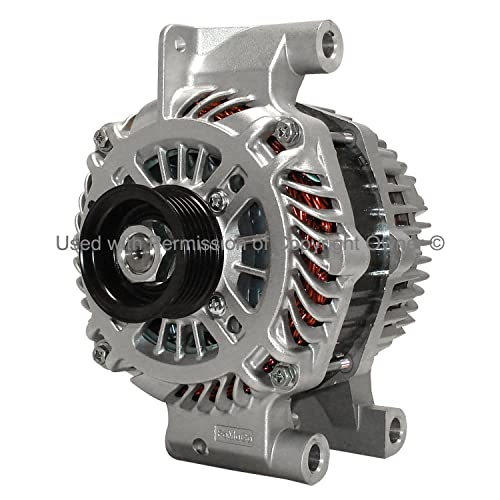
Best for quality output at a lower price
- Premium remanufactured build
- 100% tested output
- Broad application coverage
- Strong value
Why buy it: the value alternator owners buy for tested, reliable output without OE pricing — a well-regarded reman brand, in the correct fitment for your car.

Best for a brand-new alternator with all-new parts
- 100% new (not remanufactured)
- All-new internal components
- Correct amperage rating
- Long-standing brand
Why buy it: the all-new alternator owners pick when they prefer new over remanufactured — every internal part fresh, in the specific number your engine needs.

Best for a dependable alternator on a budget
- Tested output, broad coverage
- Good value pricing
- Direct-fit for its applications
- Popular budget brand
Why buy it: the budget alternator owners grab for a dependable replacement — tested output at a low price, in the correct application for your vehicle.

Best for a solid remanufactured unit for common cars
- Remanufactured to spec
- 100% tested
- Wide vehicle coverage
- Good value
Why buy it: the reman alternator owners choose for a proven, tested rebuild — a cost-effective way to restore charging, in the number matched to your engine.
Test Before You Replace
This is the step that saves you from replacing the wrong part. Alternators and batteries are frequently confused, so test the charging system first. With a battery-and-charging tester or a multimeter: engine off, a healthy battery reads about 12.6V; engine running, a working alternator should raise that to roughly 13.7–14.7V at the battery. Charging voltage stuck near 12V with the engine running means the alternator is undercharging; a battery that will not hold charge even though the alternator tests fine means the battery is the problem. Warning signs of a failing alternator include the charging light, dimming lights, misbehaving accessories, and a battery that keeps dying. Confirm with a test, do not guess.
New vs Remanufactured
Both are legitimate. A new alternator is built entirely from new components — maximum reliability and no rebuilt-part weakness, at a higher price. A remanufactured unit reuses the housing with new wear items (bearings, brushes, diodes, voltage regulator) and is tested; a quality reman from a reputable brand is reliable and more affordable. The keys are to buy from a reputable brand (cheap rebuilds vary a lot) and ensure it is properly tested. For a daily driver, a quality reman is fine; if you want maximum peace of mind, buy new. Either way, avoid the bargain-bin units whose electronics fail early.
Match the Amperage
Get the output right. At minimum, match your vehicle’s factory amperage rating — the alternator must supply enough current for the car’s electrical loads and still charge the battery, and a lower-output unit risks undercharging, especially on electrically hungry modern cars. If you have added significant loads (a big audio system, extra lighting, a winch), a higher-amperage alternator can keep up, provided it fits and is compatible. For a stock vehicle, the correct factory-rated alternator is the right choice. Always check the replacement’s amperage against your original before buying, along with the exact fitment.
Charging System Health
The alternator is one part of the charging system: it is driven by the serpentine belt (a worn belt or tensioner can cause charging issues too), and it works with the battery — so have the battery tested when you replace an alternator. Our battery chargers hub and battery load tester guide help you keep the whole system healthy, and any charging warning should be read first with a scanner from our OBD2 hub. The wider service picture is in the oil change hub.
Alternator Brands: OEM, Denso and Quality Aftermarket
A handful of brands own the reliable end of the market. For OEM-grade quality, ACDelco, Denso and Bosch supply many factory alternators, so a Denso reman or new unit restores charging to spec on the cars it fits. In the aftermarket, Quality-Built, Remy and DB Electrical are the trusted value names, while parts-store lines like Duralast and NAPA are convenient and generally sound. The rule across every brand is the same: buy tested output and correct fitment, and steer clear of the cheapest no-name replacements whose diodes and regulators fail early.
High-Output Alternators for Big Audio Systems
One case justifies going above factory amperage: a big car-audio system. A large amplifier draws serious current, and a stock alternator can undercharge trying to keep up, which is when your lights dim on bass hits. A high-output alternator supplies the extra power the electrical system needs to feed that load and still charge the battery. Specialist brands like Mechman build high output units aimed squarely at audio builds. Only step up if you have genuinely added load — for a stock car, the correct factory-rated alternator is the right choice.
Built-to-Fit Replacement: Honda Accord and Beyond
An alternator is engine-specific, so the number matters more than the brand. Match the exact part built for your year, make, model and engine — a Honda Accord alternator for one generation will not fit another, and even within a model different engines and amperages exist. Read the amperage off your original, confirm the pulley and connector match, and cross-check the listing's fitment. Whichever of the alternator brands you choose, the right replacement is the one built to your car's spec, not the closest-looking unit.
The Parts Inside and Why Cheap Units Fail
An alternator is a small set of parts that wear in a predictable order: the bearings, the brushes, the diode rectifier and the voltage regulator. Quality new and reman units use durable versions of each, which is why they hold their output for years and deliver their maximum rated power without sagging. The reason to avoid the cheapest no-name units is that these exact internals are where they cut cost — weak diodes and a marginal regulator that overcharge or die early, sometimes taking the battery with them. When you compare listings, the honest signal is not the housing but the parts inside and the brand's record on them.
Warranty, Core Charges and Aftermarket Replacements
Buying a reman unit comes with two things worth understanding. A core charge is a deposit refunded when you send your old alternator back to be rebuilt — budget for it, then claim it. And the warranty is your protection on a rebuilt part, so favour brands that stand behind their builds. Parts-store replacements like Duralast (AutoZone), NAPA and Bosch are convenient because the counter handles the core and warranty in person, and a lifetime-warranty reman fits many common cars. Whichever route, keep the receipt and the box — a warranty claim is far easier with both.
Fitting a Replacement Alternator Yourself
On many cars this is a DIY job. Disconnect the battery first, note the serpentine belt routing, release the tensioner, and unbolt the old unit — the tight access is usually the hardest part, not the wiring. Confirm the new alternator fits by matching the pulley, the connector plug and the mounting ears to your original before final install. Reset the belt, reconnect the battery, and check charging voltage reads in the 13.7–14.7V range afterward. If the engine bay is cramped or the belt path is complex, a shop visit is money well spent; otherwise it is a satisfying couple of hours with basic hand tools.
How We Rank
Alternators are a fitment-and-quality category, so we rank on aggregated owner ratings, review volume and the qualities owners report — fit and output first, quality close behind. We weigh four things. OE-grade reliability — durable diodes, bearings and regulator per owner reports. Fitment and output — a true application match at the correct amperage. Build type — quality new or properly-tested reman from reputable brands. And value for the quality. We do not run a bench test; we read owner consensus and OE reputation. Prices were current at the time of writing — confirm every part number and amperage against your own vehicle.
Quick Comparison
ACDelco Gold Alternator (335-1160 shown)
Best for a new OE-grade alternator that just fits
Best Value
Quality-Built Premium Alternator (15587 shown)
Check Price on Amazon
Best New (Not Reman)
Remy New Alternator (94125 shown)
Check Price on Amazon
Best Budget
DB Electrical Alternator (AVA0173 shown)
Check Price on Amazon
Best Remanufactured
Quality-Built Remanufactured Alternator (8283605 shown)
Check Price on Amazon
The Verdict
Test the charging system before you spend a cent — it may be the battery, not the alternator. When you do replace it, buy OE-grade in the exact fit at your factory amperage: the new ACDelco Gold is our overall pick, Denso the OE-grade choice for imports, and Quality-Built the value. Have the battery tested too, so the fix sticks. Check Price on Amazon →