
Affiliate Disclosure
Some links on this page are affiliate links. As an Amazon Associate, we earn from qualifying purchases — at no extra cost to you. We do not buy, test, or physically handle the products we cover; our rankings come from aggregated owner reviews, ratings and expert consensus. Commissions never change our verdicts. How we rank & full disclosure.
The short version: a good oil filter needs efficient media, a working anti-drainback valve, and — the part people forget — the exact fitment for your engine. Every filter here is sold by a specific part number (the ones shown, like FRAM XG7317 or WIX 57356, fit only certain vehicles), so the single most important step is to look up the correct number for your year, make, model and engine before you buy. Our overall pick is the FRAM Ultra Synthetic for its high-efficiency synthetic media and long intervals — but always change the filter with the oil, and match the number to your car.
Top Picks at a Glance
Our #1 Pick: FRAM Ultra Synthetic
The FRAM Ultra Synthetic earns the top spot for pairing a genuinely high-efficiency, dual-layer synthetic media (99%+ filtration) with a wire-backed construction and a reliable silicone anti-drainback valve — the combination that matters most for long intervals on synthetic oil. Owners like the SureGrip textured shell that makes it easy to install and remove by hand. It is our overall pick on the strength of that media and build, with one non-negotiable caveat that applies to every filter here: the part number shown fits only specific vehicles, so confirm the correct FRAM Ultra number for your engine before ordering.
Best Oil Filters 2026: The Ranked Field
Best for high efficiency and long intervals with synthetic oil
- Dual-layer synthetic media, 99%+ efficient
- Wire-backed media, silicone anti-drainback valve
- Rated up to 20,000 miles
- SureGrip textured shell for easy install
Why buy it: the synthetic-media filter owners rate top for efficiency and long intervals — confirm the exact part number for your vehicle, since XG7317 fits specific models.

Best for pairing with extended-interval synthetic oil
- High-efficiency synthetic-blend media
- Silicone anti-drainback valve
- Rated up to 20,000 miles
- Widely stocked everywhere
Why buy it: the easy-to-find filter owners pair with extended-drain synthetic oil — a proven, long-interval filter, so long as you buy the number that fits your car.

Best for full-synthetic media with strong dirt capacity
- SmartFUSION full-synthetic media
- 99%+ dirt removal, reinforced backing
- Silicone anti-drainback valve
- Built for demanding conditions
Why buy it: the premium synthetic-media filter owners choose for demanding use — high capacity and efficiency, again in the specific part number for your application.
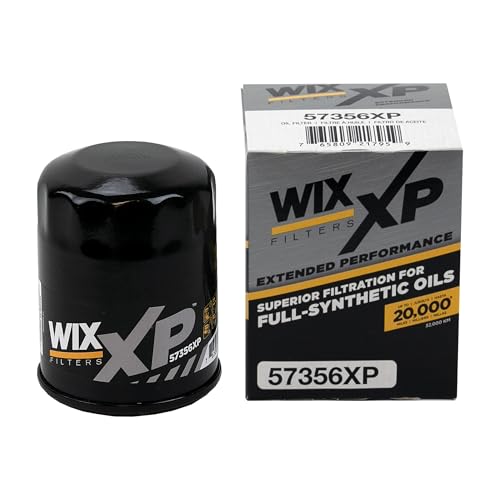
Best for a wire-backed synthetic-media filter built for synthetic oil
- Full-synthetic, wire-backed media
- Silicone anti-drainback valve
- Handles hot/cold oil-pressure swings
- Strong owner ratings
Why buy it: the enthusiast-favorite XP filter owners pick for synthetic oil — robust media and a reliable anti-drainback valve, in the number matched to your engine.

Best for strong filtration at a lower price
- FILTECH media, high dirt capacity
- Steel base plate for OE fit
- Silicone anti-drainback valve
- Great value
Why buy it: the value-premium filter owners buy for high dirt capacity without the top-tier price — verify the part number covers your make and model.
Best for a dependable filter for conventional-oil changes
- Proven WIX media and construction
- Reliable anti-drainback valve
- Good for standard intervals
- Trusted OE-grade quality
Why buy it: the dependable standard filter owners use for regular conventional-oil changes — solid, no-nonsense filtration in the correct fitment for your car.
Fitment First: Buy the Right Part Number
This is the step that outranks brand. Every oil filter is engineered for particular engines — the thread size, gasket diameter, filter length and valve requirements all have to match. Filter makers publish an online lookup or printed catalog where you enter your year, make, model and engine to get the exact part number, and you can cross-reference the number on your current filter. The specific numbers in this guide (XG7317, M1-110A, 57356, 3323, and so on) fit only certain vehicles and are shown as examples of each line, not as universal recommendations. Install the wrong size and you risk leaks or failure. Look up your number first, then pick the tier that suits your oil and interval.
What Actually Makes a Filter Good
Three things separate a great filter from a poor one. Efficiency — how small a particle it catches and what percentage it removes (premium filters advertise 99%+ around 20 microns). Capacity — how much dirt it holds before flow restricts, which is what lets a filter survive a long interval. And the valves — a silicone anti-drainback valve keeps oil in the filter at shutdown so you avoid a dry start, and a bypass valve protects the engine if the filter clogs or the oil is cold. Full-synthetic media and a sturdy build (metal end caps, strong base plate) round out a quality filter. For extended synthetic intervals, prioritize synthetic media and high capacity.
Match the Filter to Your Oil and Interval
Buy the filter that suits how you change oil. Running full synthetic on a long interval (10,000–20,000 miles)? A synthetic-media premium filter (FRAM Ultra, Mobil 1 EP, Purolator BOSS, WIX XP) is worth it, because a cheap cellulose filter is not built to stay efficient that long. Changing oil frequently on a standard interval? A quality standard filter is completely adequate. The only genuine mistake is a no-name bargain filter with unknown valves and a flimsy build. And always change the filter every oil change — see our full oil filter guide for the deeper detail.
Do the Whole Job Right
The filter is one part of a clean oil change. Pair it with the right oil from our best engine oil guide, follow the full how to change your oil walkthrough, and check the tools you need. A filter wrench, drain pan and jack stands live in the garage tools hub. The wider service picture is in the oil change hub.
How We Rank
Oil filters are a fitment-and-quality category, so we rank on aggregated owner ratings, review volume and the media/valve quality owners report — while stressing that fit comes first. We weigh four things. Filtration and capacity — efficiency and dirt-holding for the intended interval. Build and valves — a reliable anti-drainback valve and a sturdy shell per owner reports. Fit for oil type — synthetic media for extended intervals, standard media for routine changes. And value for the tier. We do not cut filters open on a bench; we read owner consensus and manufacturer specs. Prices were current at the time of writing — and every part number must be confirmed against your own vehicle before buying.
Quick Comparison
FRAM Ultra Synthetic Oil Filter (XG7317 shown)
Best for high efficiency and long intervals with synthetic oil
Best for Extended Intervals
Mobil 1 Extended Performance Oil Filter (M1-110A shown)
Check Price on Amazon
Best Premium
Purolator BOSS Premium Oil Filter (PBL14610 shown)
Check Price on Amazon
Best for Synthetic Oil
WIX XP Oil Filter (57356XP shown)
Check Price on Amazon
Best Value Premium
Bosch Premium FILTECH Oil Filter (3323 shown)
Check Price on Amazon
Best Conventional
WIX Spin-On Oil Filter (57356 shown)
Check Price on Amazon
The Verdict
Look up the correct part number for your engine first — then pick the tier. For synthetic oil on long intervals, the FRAM Ultra Synthetic is our overall pick, with Mobil 1 Extended Performance and Purolator BOSS excellent alternatives and Bosch Premium the value. Change the filter every oil change, and never run a fresh fill through a tired filter. Check Price on Amazon →