
Affiliate Disclosure
Some links on this page are affiliate links. As an Amazon Associate, we earn from qualifying purchases — at no extra cost to you. We do not buy, test, or physically handle the products we cover; our rankings come from aggregated owner reviews, ratings and expert consensus. Commissions never change our verdicts. How we rank & full disclosure.
Short version: expensive tires are usually worth it — but the value is in performance and longevity, not the badge. Premium tires typically stop shorter in the wet, last longer, and ride quieter, and because they last longer they are often competitive on cost-per-mile. The honest twist is that the gap has narrowed: today's strong mid-tier tires are genuinely good, so the smartest buy is frequently a great mid-range tire rather than the flagship. What you should avoid is the cheapest no-name rubber, where the real compromises show up. Here is the straight case.
Tire marketing sells grip and prestige. We would rather explain what independent testing and thousands of owners actually report, so you can decide with clear eyes. Tires are the single most safety-critical purchase on this whole site — they are the only thing connecting your car to the road — so this one is worth getting right.
The big one: wet braking is where money buys safety
If you take one thing from this page, make it this: the most important difference between cheap and quality tires is how they stop in the rain. Independent testing consistently shows that budget and no-name tires tend to have noticeably longer wet-braking distances than premium and good mid-tier tires — and the gap can be several car lengths at highway speed. That is the difference between stopping just short of a problem and arriving in the middle of it. Dry grip differences between tiers are smaller and less dramatic, but wet performance is exactly where the cheapest tires fall down, and it is the one area where spending more genuinely buys you safety. For a part this critical, that alone justifies not shopping on price alone.
The math nobody does: cost per mile
Here is where "expensive" gets misleading. Premium tires often carry longer treadwear ratings and, thanks to better compounds and construction, wear more slowly and more evenly than budget tires. So a tire that costs more up front but lasts significantly longer can end up cheaper per mile than the cheap tire you have to replace sooner. Owners consistently report premium sets lasting tens of thousands of miles longer than expected. The honest caveat is that this is not universal — some ultra-high-performance premium tires deliberately trade tread life for grip and wear quickly. So the smart move is to compare the treadwear rating and mileage warranty, not just the sticker, and judge value over the life of the tire. Learn to read those numbers in how to read tire size and ratings.
The quieter, more consistent ride
Beyond safety and longevity, premium tires tend to be quieter and more refined, and to hold their performance more consistently as they wear. Cheaper tires can start acceptable and then get noisy or lose grip faster as the tread goes down. A big part of what you are paying for with a top-tier tire is engineering that keeps the tire behaving well not just when it is new, but through most of its life. This is a real, everyday benefit owners notice — a calmer highway drive and predictable behavior in year three — even if it does not show up in a single test number. It is a genuine part of the value, just a less headline-grabbing one than wet braking.
The honest sweet spot: mid-range tires
Here is the part the premium brands would rather you skipped: the choice is not simply cheap versus expensive. There is a strong middle tier that delivers most of the wet grip, tread life and quietness of the flagship tires for meaningfully less money. The consensus among owners and independent testers is that the best value is usually a well-reviewed mid-range tire from a reputable brand — not the most expensive option, and definitely not the cheapest. For a lot of drivers, a good mid-tier tire captures the great majority of the premium benefit at a noticeably lower price. Before you assume you must buy the flagship, see where the mid-tier lands in our tire brands compared guide and our best all-season tires ranking.
When cheap tires are genuinely fine (and when they aren't)
Honesty cuts both ways. There are real cases where big spending makes no sense: if you drive very few miles a year, are selling the car soon, or just need to get an old vehicle through until you replace it, a modest tire is the rational choice. A daily driver in a mild, dry climate that rarely sees heavy rain or snow can also be well served by a solid mid-tier tire rather than the flagship. The line owners draw is between reputable budget or mid-tier tires, which are fine for the right use, and the cheapest no-name tires, which too often compromise the wet grip that keeps you safe. On any car you actually rely on — especially one that carries family or sees weather — that is the compromise to avoid.
The verdict
Are expensive tires worth it? For most drivers, spending up from the cheapest tires is worth it — better wet braking, longer even wear, and a quieter ride, often at a competitive cost-per-mile. But the most expensive tire is not automatically the smartest buy; the honest sweet spot for many people is a strong mid-range tire matched to how and where they actually drive. The one clear rule is to avoid the cheapest no-name rubber on any car you depend on. When you are ready to choose, start with how to choose tires, compare tiers in tire brands compared, see the picks in best all-season tires, and head back to the tire buying hub for the full picture.
Recommended Products
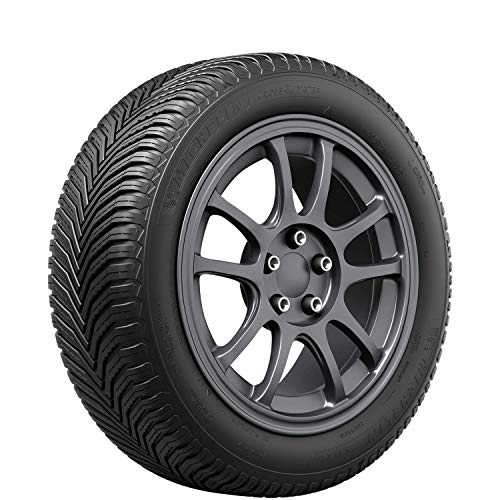
Best for where paying up for a premium all-season pays off
- V-shaped tread with 3-peak-mountain-snowflake rating
- Class-leading wet and dry braking
- 60,000-mile treadwear warranty
- Real light-snow traction for an all-season
Why buy it: the tire owners and experts keep crowning as the best all-rounder — it brakes shorter in the wet than most rivals and genuinely handles snow, the clearest case for spending more.

Best for the most tire for the money when premium is not worth it
- Up to 75,000-mile treadwear warranty
- "Replace Tire" wear indicator in the tread
- Reliable wet braking and light-snow grip
- Backed by Continental’s parent company
Why buy it: the value pick owners rate again and again — a genuinely good touring tire with a 75k warranty at a bargain price, and proof you do not always need to pay flagship money.

Best for premium wet braking at a mid-range price
- Up to 80,000-mile treadwear warranty
- EcoPlus compound for shorter wet stops
- Fuel-efficient, low rolling resistance
- Wear indicators built into the tread
Why buy it: a hugely popular touring tire that delivers premium-brand wet performance and an 80k warranty for less than the flagships — the sweet spot in the price-versus-quality question.

Best for where an expensive tire genuinely transforms the car
- Benchmark dry grip and steering precision
- Excellent wet braking for a summer tire
- Long tread life for a UHP tire
- The enthusiast default choice
Why buy it: the ultra-high-performance tire owners rate above all others — on a sports car this is where the extra money buys grip and steering you can actually feel.
Prices are pulled from Amazon and were accurate as of Aug 22, 2026, 7:14 PM EDT. Product prices and availability are subject to change — the live price is shown on Amazon.