
Affiliate Disclosure
Some links on this page are affiliate links. As an Amazon Associate, we earn from qualifying purchases — at no extra cost to you. We do not buy, test, or physically handle the products we cover; our rankings come from aggregated owner reviews, ratings and expert consensus. Commissions never change our verdicts. How we rank & full disclosure.
The short version: wheel spacers are a fitment part before they are a styling part, and buying the wrong one is genuinely dangerous — a wheel can walk off a stud. The single rule that matters is hub-centric: the spacer must register on your hub and give the wheel a lip to center on, and the bolt pattern, hub bore and thread pitch must match your vehicle exactly. Ranked across aggregated owner reviews, our #1 pick is the Supreme Suspensions 2" Hub Centric set for 6x139.7 trucks — owners consistently report a vibration-free install when the bore is matched. Below is the full field, the fitment rules, and how to choose.
Spacers live in the same toolbox as the rest of your wheel hardware. Torque them like you would your lug nuts, and if you are chasing a wider stance for winter traction, read our tire chains and snow socks guides too. The full wheels & tires hub has the rest.
Top Picks at a Glance
Our #1 Pick: Supreme Suspensions 2" Hub Centric
Our top pick for most trucks is the Supreme Suspensions 2" Hub Centric spacer in the 6x139.7 / M14x1.5 / 78.1mm bore fitment. It does the one thing a spacer has to do: it registers on the OEM hub and gives the wheel a machined lip to center on, so the hub carries the load and the pressed-in studs just clamp. Owners running Silverados and Sierras report a clean, vibration-free result — which, with spacers, is entirely down to buying the hub-centric part that matches your bore rather than a universal slip-on. Confirm your bore before you buy: the 78.1mm figure has to match your hub.
Best Wheel Spacers 2026: The Ranked Field

Best for a true hub-centric fit on 6-lug half-ton trucks
- Forged 6061-T6 billet aluminum
- Hub-centric 78.1mm bore matches the OEM hub
- 6x139.7 (6x5.5) pattern, M14x1.5 studs
- Extended studs pressed in, valve caps included
Why buy it: a spacer that actually centers on the hub rather than the studs — owners report zero vibration when the bore is matched correctly, which is the whole game with spacers.

Best for a cheaper hub-centric 6-lug set that still centers properly
- Aircraft-grade 6061-T6 forged aluminum
- Hub-centric 78.1mm bore, 1.5" thick
- 6x139.7 pattern, M14x1.5 press-in studs
- Anti-rust coating, hardware included
Why buy it: the value pick owners reach for on Chevy and GMC half-tons — hub-centric where it counts, at a noticeably lower price than the premium billet sets.

Best for heavy 5x150 Toyota trucks and SUVs
- CNC-machined 6061-T6 billet
- 5x150 pattern for Tundra/Sequoia/Land Cruiser
- Hub-centric bore, M14x1.5 studs
- Includes lug nuts and valve caps
Why buy it: the choice for owners running big 5x150 Toyota platforms who want a machined, hub-centric spacer rated for real truck weight rather than a bolt-on adapter.
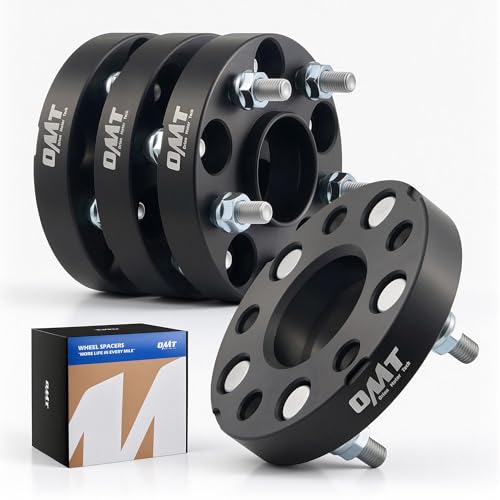
Best for Honda, Acura and 5x114.3 imports
- 1" hub-centric, 64.1mm bore
- 5x114.3 (5x4.5) pattern, M12x1.5 studs
- Forged 6061-T6 aluminum
- Fits Civic, Accord, CR-V, RSX, TL
Why buy it: a modest 1" hub-centric spacer that fixes the sunken-wheel look on imports without the harsh geometry changes a big spacer brings.
Best for Jeep Wrangler JK and 5x127 platforms
- 5x127 (5x5) pattern, 1/2"-20 studs
- Hub-centric 71.5mm bore
- 1.5" forged aluminum
- Clears larger tires and wider stance
Why buy it: the Jeep pick — the 5x127 pattern and correct hub bore let JK owners push the wheels out for tire clearance without the wobble a universal adapter can introduce.

Best for spacing just the rear axle or a two-wheel job
- 2-piece set (one axle)
- Hub-centric 78.1mm bore
- 6x139.7 pattern, M14x1.5
- Billet aluminum, valve caps included
Why buy it: a two-piece set for owners who only need to space one axle — same hub-centric machining as the four-piece kit at half the cost.
Fitment Is Safety-Critical — Get These Four Numbers Right
More than almost any part on this site, spacers punish a guess. Before you buy, confirm four things against your vehicle and wheels. Bolt pattern — e.g. 6x139.7 (also written 6x5.5), 5x114.3, 5x150, 5x127. The spacer and your wheels must share it exactly. Hub bore — the center bore diameter of your hub (78.1mm on many GM trucks, 64.1mm on many Hondas). A hub-centric spacer must register on that bore. Thread pitch — M14x1.5, M12x1.5, M12x1.25 or 1/2"-20. The wrong pitch will feel like it threads and then strip. Seat type — conical (60°), ball or mag, matching your lug nuts to the wheel. If any of the four is wrong, the set does not fit, full stop — never force it.
How to Choose Wheel Spacers
Start with the goal. To fix a sunken import wheel or clear a caliper, a 1" hub-centric spacer (the Orion Honda/Acura pick) is usually enough. To widen a truck or Jeep stance or clear bigger tires, step to 1.5 to 2 inches (the Supreme and Orion truck/Jeep sets). Always choose hub-centric over lug-centric — the registered bore is what keeps the wheel concentric at speed. Prefer forged 6061-T6 aluminum with pressed-in extended studs over cast or slip-on adapters. And match the hardware: some spacers reuse your factory lug nuts to hold the spacer, then supply new nuts for the wheel — read the listing so you torque each interface correctly.
Installing and Torquing Spacers
Clean the hub and both spacer faces to bare, rust-free metal — trapped debris is a common vibration cause. Mount the spacer to the hub and torque its nuts to spec in a star pattern. Then mount the wheel to the spacer studs and torque those to your wheel spec, again in a star pattern. Drive gently and re-torque after 50 to 100 miles, because clamp load settles as the faces seat. Recheck after the first few heat cycles. If you feel a vibration that was not there before, stop and verify the bore match and torque before driving further.
Spacers vs Adapters and 6x5.5 Bolt Patterns
People often use “spacers” and “adapters” to mean the same thing, but they differ. A spacer keeps your original bolt pattern — a 6x139.7 (written 6x5.5) truck stays 6x5.5, just pushed out. A wheel adapter changes the pattern, letting you bolt a different-pattern wheel to your hub. Adapters are inherently more complex and must be hub-centric (hubcentric) on both faces. For simply widening the stance on the same wheels, you want a spacer, not an adapter. Confirm whether you need to keep or change the pattern before ordering.
Premium Brands: Bora, Spidertrax, BONOSS and KSP
Beyond the value sets, several brands specialise in high-end spacers. Bora and Spidertrax are US-made billet brands with a reputation for the highest machining quality; BONOSS and KSP offer forged sets with cooling-fin studs and detailed fitment charts. These premium brands cost more but back it with precise hub-centric bores and hardware. If you want the reassurance of a brand that off-roaders and track users trust, they are worth the premium; if budget matters, a quality hub-centric value set still centers correctly.
Running Spacers on Trucks: Quality Aluminum and the Right Choice
On trucks especially, quality matters because the loads are higher. Owners who have run spacers for years consistently say forged aluminum (6061-T6) is the only material to trust — cast or cheap slip-ons may not survive real truck weight and big tires. The right choice is the thinnest hub-centric forged set that meets your goal, matched exactly to your hub. Don’t read a wide stance as license to skip torque checks; even a good spacer needs re-torquing. For a truck that tows or wheels hard, the material and fit really are the difference between safe and sorry.
How We Rank
Spacers are a trust part, so we rank by aggregated owner ratings, review volume, and the themes owners repeat rather than a one-off bench test. We weigh four things. Fitment integrity — whether the set is genuinely hub-centric with a correctly machined bore, judged by how consistently owners report a vibration-free install. Material and studs — forged 6061-T6 and properly pressed extended studs over cast or slip-on. Coverage — the specific bolt patterns, bores and pitches the maker offers, so you can match your exact vehicle. And value — what you pay for that machining and hardware. Prices were current at the time of writing.
Quick Comparison
Supreme Suspensions 2" Hub Centric Wheel Spacers (Silverado/Sierra 1500, 6x139.7, M14x1.5, 78.1mm)
Best for a true hub-centric fit on 6-lug half-ton trucks
Best Value
Orion Motor Tech 6x5.5 1.5" Wheel Spacers (Chevy/GMC 1500, M14x1.5, 78.1mm)
Check Price on Amazon
Best Premium
Supreme Suspensions 2" Hub Centric Wheel Spacers (Tundra/Sequoia/LX, 5x150, M14x1.5)
Check Price on Amazon
Best for Import Cars
Orion Motor Tech 5x4.5 1" Wheel Spacers (Honda/Acura, M12x1.5, 64.1mm)
Check Price on Amazon
Best for Jeeps
Orion Motor Tech 5x5 1.5" Wheel Spacers (Wrangler JK, 5x127, 71.5mm, 1/2"-20)
Check Price on Amazon
Best Slim Pair
Supreme Suspensions 2" Wheel Spacers 2-Pack (Silverado/Sierra 1500, Silver)
Check Price on Amazon
The Verdict
For most trucks, the hub-centric Supreme Suspensions 2" set is the spacer owners rate above the rest — provided you match the bore. On a budget, the Orion Motor Tech 1.5" Chevy/GMC set centers just as properly for less; import owners want the Orion 1" Honda/Acura pick, and Jeep owners the Orion 5x127 set. Confirm your bolt pattern, hub bore, thread pitch and seat type first, then Check Price on Amazon →