
Affiliate Disclosure
Some links on this page are affiliate links. As an Amazon Associate, we earn from qualifying purchases — at no extra cost to you. We do not buy, test, or physically handle the products we cover; our rankings come from aggregated owner reviews, ratings and expert consensus. Commissions never change our verdicts. How we rank & full disclosure.
The short version: window tint film cuts heat, glare and UV while adding privacy — but heat rejection comes from the film type (ceramic beats carbon beats dyed), not just how dark it looks. Ranked across aggregated owner reviews, our #1 pick is MotoShield Pro Nano Ceramic: owners rate it for top-tier heat rejection without signal interference. Two honest cautions up front: legal darkness limits vary by state and by window, and DIY tinting is a real skill.
Tint is one piece of exterior protection — see the deeper explainer in our car window tint guide, the step-by-step in our DIY window tint walkthrough, and the whole approach in the exterior protection hub.
Top Picks at a Glance
Our #1 Pick: MotoShield Pro Nano Ceramic
MotoShield Pro's nano-ceramic film tops the list because it delivers what most people actually want from tint: a cooler cabin. The ceramic technology rejects a large share of the sun's infrared heat even in a lighter, more usable shade, blocks about 99% of UV, and — unlike metallic film — does not interfere with your phone, GPS or radio. Owners also rate it as DIY-friendly, shrinking cleanly to curved glass. It costs more than dyed or carbon film, but for heat rejection and longevity without purpling, it is the film the reviews back most.
Best Window Tint Films 2026: The Ranked Field

Best for high heat rejection and clean DIY shrinking
- Nano-ceramic, high IR rejection
- Blocks 99% UV, no signal interference
- 2-ply, DIY-shrinkable
- Scratch-resistant coat
Why buy it: the film owners rate highest — nano-ceramic rejects far more heat than dyed film without blocking phone or GPS signals, and it shrinks cleanly for a DIY install that looks the part.
Best for affordable, fade-resistant carbon film
- 2-ply carbon, non-metal
- Resists purpling over time
- Easy to handle and shrink
- Great practice-and-do value
Why buy it: the budget film owners buy by the roll — carbon film that will not turn purple like cheap dyed tint, cheap enough to practice on a rear window before doing the door glass.

Best for maximum heat and glare control in a darker shade
- Darker 15% ceramic film
- Top-tier infrared rejection
- Big glare reduction
- Signal-friendly ceramic
Why buy it: the film owners choose for the hottest climates — a darker ceramic that cuts serious heat and glare, ideal on side and rear glass where the law allows a darker shade.
Best for the darkest privacy shade for rear glass
- 5% limo carbon film
- Maximum privacy look
- Wider 24 in roll
- Non-metal, signal-safe
Why buy it: the limo-dark option owners use behind the front seats — a 5% carbon film for maximum privacy on rear windows, where legal limits are usually more relaxed than the fronts.
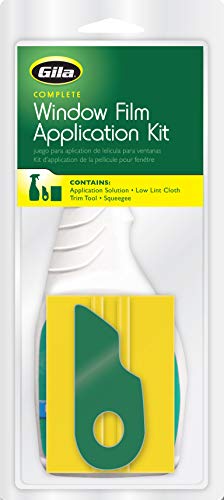
Best for the tools that make a bubble-free install possible
- Application solution and squeegee
- Trim tool and lint-free cloth
- Works with any film
- The install half of the job
Why buy it: the tool kit owners pair with any film — the application solution, squeegee and trim tool are what actually make a clean, bubble-free install possible; the film is only half the job.
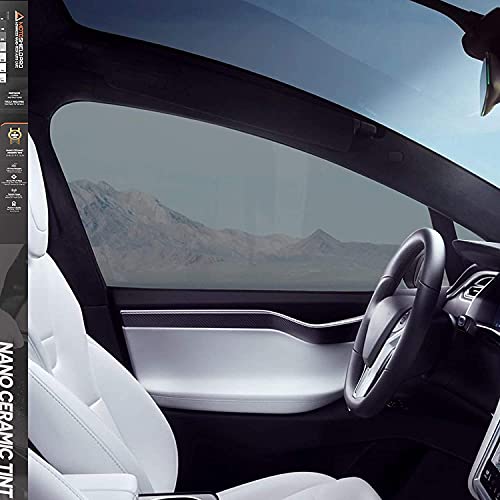
Best for darkest ceramic film with full heat rejection
- 5% ceramic limo shade
- Full infrared and UV rejection
- 2-ply, DIY-shrinkable
- Privacy plus heat control
Why buy it: the pick for people who want dark and cool — a 5% ceramic film that keeps the heat-rejection benefits while giving the darkest privacy look the law allows on rear glass.
LLumar Lines: FormulaOne and Autobahn
Above the DIY rolls sit the pro-fitted tint brands, and LLumar's own naming trips people up. A LLumar window film sold through installers often carries the FormulaOne label, and its advanced tier is called Autobahn — a nano-ceramic line built for high infrared rejection and long life. Owners cross-shop these against 3M's Crystalline tint, the clear-but-cool benchmark. All three cost more than a shelf roll and usually come professionally fitted with a warranty. The honest take: the DIY ceramic we rank gets most of the way there for far less, but these lines are the upgrade if you want a lifetime-backed finish.
Night Driving: When Dark Tint Costs Visibility
A very dark shade looks great in daylight and works against you at night. The darker the film, the less light reaches your eyes while driving after sunset, and owners who went limo-dark on the front side glass consistently report backing out of a spot or checking a blind spot is harder in the dark. That is one reason most states cap the front windows. Weigh your options by where the glass is: keep the fronts light enough for safe night vision, and save the darkest film for rear glass where drivers do not rely on it to see out.
DIY at Home vs a Shop Near You
Two honest routes exist. Tinting at home saves the most money and suits flat and gently-curved glass if you work dust-free and practice first. Or you search for a reputable shop near you — worth it for a heavily curved rear windshield or if a flawless finish matters more than the saving. A shop also warranties the work and keeps you legal for driving, since a good installer knows the local per-window limits. Owners who mixed the two often DIY the rear side windows and let a pro handle the tricky rear glass.
Quick Comparison
MotoShield Pro Nano Ceramic Tint (35% VLT, 20 in x 10 ft)
Best for high heat rejection and clean DIY shrinking
Best Heat Rejection
MotoShield Pro Nano Ceramic Tint (15% VLT, 20 in x 10 ft)
Check Price on Amazon
Best Dark Shade
LEXEN 2-Ply Carbon Tint (5% Limo, 24 in x 10 ft)
Check Price on Amazon
Best Install Kit
Gila Window Film Complete Installation Kit
Check Price on Amazon
Best for Privacy
MotoShield Pro Nano Ceramic Tint (5% VLT, 20 in x 10 ft)
Check Price on Amazon
How We Rank
We do not run our own tint shop — we rank by aggregated owner ratings, review volume, and the themes owners repeat across real installs. We weigh four things. Heat and UV rejection — the infrared blocking that actually cools the cabin, plus UV protection. Longevity — resistance to fading, purpling and bubbling over years. Install-ability — how cleanly the film shrinks and handles for a DIYer. And value — performance per dollar per roll. Prices were current at the time of writing.
Legal Limits Vary — Check Yours
This is the part we take seriously and will not fudge: we can not tell you a specific darkness is legal for your car, because tint law varies by state and by window. In almost every state the front side windows face the strictest VLT limit, while rear side windows and the rear windshield are usually allowed darker. Some states also regulate reflectivity, a windshield visor strip, and which windows can be tinted at all. And the film's stated VLT combines with your factory glass tint to make the final measured number an officer reads. Before you buy a shade, look up your state's current per-window limits — that is the only way to stay legal.
Ceramic vs Carbon vs Dyed
Pick on how the film blocks heat, not on price alone. Dyed film is cheapest and adds privacy, but rejects the least heat and can fade to purple. Carbon does not purple, blocks more heat and UV, and is a strong mid-tier value. Ceramic (nano-ceramic) rejects the most infrared heat, stays signal-friendly, and does not fade — the premium choice for a genuinely cooler cabin. Metallic rejects heat well but can interfere with phone, GPS and radio, so many buyers now avoid it. Remember: darkness controls glare and privacy; the heat rejection comes from the film technology, which is why a light ceramic can outperform a dark dyed film.
Heat Rejection and Glare Reduction: What the Numbers Mean
Two numbers describe how a film performs, and they are not the same thing. Total Solar Energy Rejected and infrared rejection tell you how much heat the film blocks — a good nano-ceramic rejects a large share of infrared even in a light shade. Visible Light Transmission (VLT) is only the darkness. Glare reduction is a third benefit: darker and ceramic films cut the harsh glare that tires drivers on bright days and from oncoming headlights at night. If a cooler, less glaring cabin is your goal, shop on heat rejection and glare reduction figures, not on how dark the film looks.
Premium Brands: LLumar, XPEL and 3M Crystalline
Above the value rolls sit the premium brands owners upgrade to for the longest life and the highest infrared rejection. LLumar and XPEL are the two names professional installers reach for most, and 3M's Crystalline is the benchmark clear-but-cool film — it rejects serious heat while staying light. These options cost more, and you will sometimes see a given brand sold through installer or wholesale channels rather than as a cheap roll on a shelf. The DIY ceramic rolls we rank get most of the way there for far less, but if you want a lifetime warranty and top-tier performance, a premium brand professionally fitted is the upgrade.
2-Ply Film, UV Protection and the Windshield Strip
Most quality automotive film is 2-ply — two bonded layers that resist bubbling and carry a scratch-resistant coat — which is why it handles and shrinks better than single-ply bargain film. Every good film also delivers UV protection, blocking around 99% of UV to shield your interior and skin. One window has its own rules: the windshield. Most states forbid tinting the main windshield beyond a shaded visor strip along the top, so plan any advanced heat film for the side and rear glass and keep the windshield legal.
The DIY Skill Gap Is Real
Being straight with you: professional tinters get flawless results because they shrink film to compound-curved glass all day. A patient DIYer with the right tools (application solution, hard card squeegee, trim blade, heat gun) can do a genuinely good job on flat and gently-curved windows and rear side glass. The rear windshield, with its heavy curvature and defroster lines, is the hard one — many people leave that to a shop. Work in a dust-free space, cut and shrink carefully, and practice on a cheap roll first. If a bubble-free, gapless finish on every window matters more than saving money, a pro install is money well spent.
How to Choose Window Tint Film
Start with your priority. If a cooler cabin matters most, buy nano-ceramic and choose the darkness your law allows — you get the heat rejection even in a lighter shade. On a budget, 2-ply carbon (LEXEN) gives real heat and UV blocking without the purple fade of dyed film. Want maximum privacy on rear glass? A 5% limo film works where the law permits it behind the front seats. And whatever film you pick, buy a proper install kit — the solution, squeegee and trim tool are what make the difference between a clean install and a bubbly one. Always confirm your per-window legal limits before ordering a shade.
The Rest of the Exterior
Tint pairs naturally with the rest of a blacked-out or protected look. Compare films and legal detail in our window tint guide, install with our DIY window tint walkthrough, and coordinate the look with a vinyl wrap and window visors. Keep the paint protected with a good wax or ceramic coating. The full picture is in the exterior protection hub.
The Verdict
For the coolest cabin and the longest life without purpling, MotoShield Pro Nano Ceramic is the film owners rate above the rest. On a budget, 2-ply carbon LEXEN is the smart value. And whatever shade you choose, remember the two rules we will not bend on: check your state's per-window VLT limits before buying, and respect that a clean DIY install is a real skill. Check Price on Amazon →