
Affiliate Disclosure
Some links on this page are affiliate links. As an Amazon Associate, we earn from qualifying purchases — at no extra cost to you. We do not buy, test, or physically handle the products we cover; our rankings come from aggregated owner reviews, ratings and expert consensus. Commissions never change our verdicts. How we rank & full disclosure.
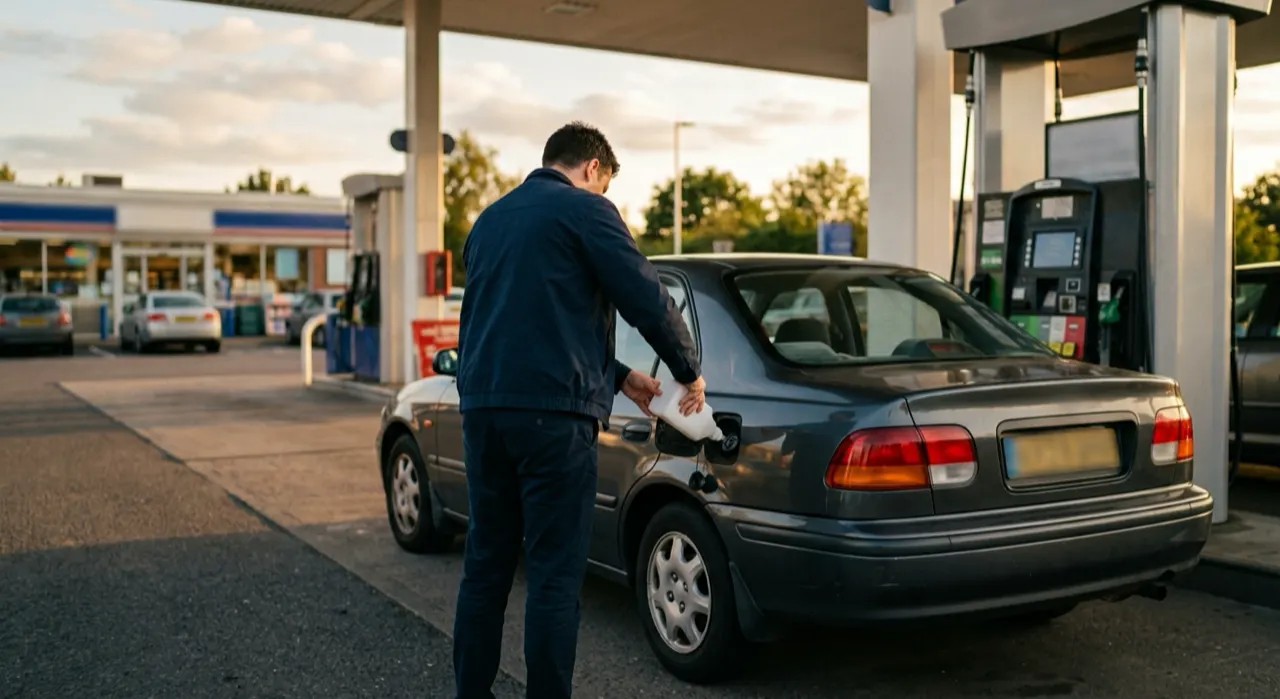
Read this first. A catalytic converter cleaner will not fix a physically failed converter. If the substrate inside has melted, cracked, broken up or been poisoned by burned oil or coolant, nothing poured into your gas tank restores it — and no bottle reliably passes a car that is throwing a P0420 for a genuine mechanical fault. This category is one of the most oversold in the entire auto parts store, and we would rather lose the sale than pretend otherwise.
What these products can do is real, just narrower: they clean the fuel side of the engine, burn off light carbon and sulfur contamination, and improve how completely fuel burns before it reaches the converter. For a converter that is fouled rather than failed — the short-trip commuter, the car that lived on cheap non-detergent gas, the engine that ran rich until someone fixed the sensor last week — owners do report codes going out and emissions numbers improving. Ranked across aggregated owner reviews, our #1 pick is Cataclean 120007. Here is the full field, and the honest limits on all of it.
Top Picks at a Glance
Our #1 Pick: Cataclean 120007
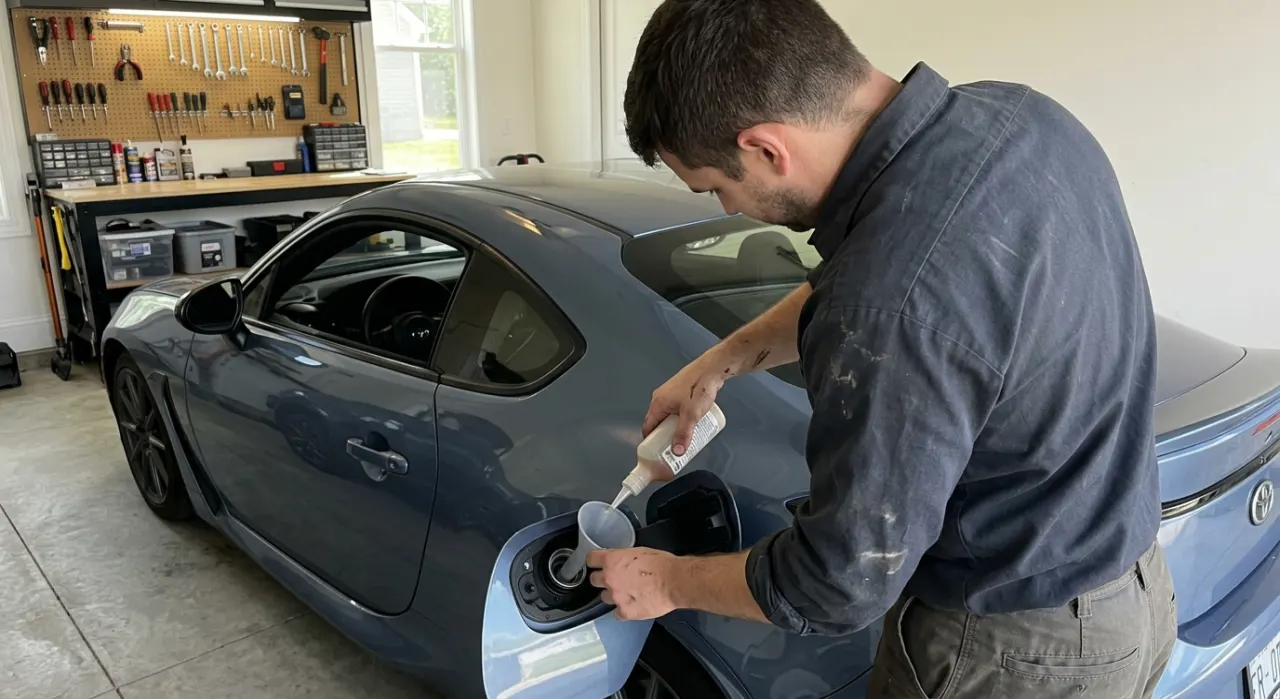
Cataclean is the bottle almost everyone in this category is comparing against, and it earns that position on volume of real-world reports rather than on marketing. Across tens of thousands of owner reviews the pattern is consistent: people with a marginal emissions reading, a converter-efficiency code on an otherwise healthy engine, or a car that has been running short trips for years report the highest rate of "it actually worked" outcomes with this one. It treats both sides of the problem — a detergent package for the injectors and combustion chamber, plus a formula intended to help burn off deposits through the exhaust path — in a single 16 oz bottle sized for roughly a 15-gallon tank.
The realistic expectation matters. Owners who report success almost always describe the same routine: add the bottle to a near-empty tank, then drive 15 to 30 minutes at sustained highway speed so the converter reaches full operating temperature, then refuel. Owners who report no change overwhelmingly fall into two groups — those whose converter was mechanically finished, and those who dumped the bottle in and drove to the grocery store. It is a $22 experiment with a genuine but modest success rate, and it is the one we would run first.
Best Catalytic Converter Cleaners 2026: The Ranked Field

Best for the best-known bottle, and the one owners report the most wins with
- Treats a fuel tank up to ~15 gallons
- Cleans fuel side and exhaust side together
- Carb-compliant, O2-sensor safe
- One 16 oz bottle per treatment
Why buy it: the category default for a reason — owners with mild converter contamination and lingering efficiency codes report the highest hit rate with this bottle. It will not resurrect a dead converter, and we say so below.
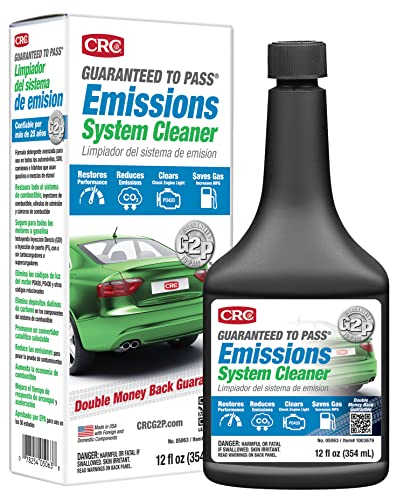
Best for a cheap last shot before a re-test
- Backed by a pass-or-double-your-money-back claim
- Safe for GDI, port injection, turbo and hybrid
- Works with E10, E15 and E85
- Treats up to a full tank
Why buy it: the cheapest credible option, and the only one that puts a written money-back promise behind the emissions claim — worth a shot when the alternative is a $1,500 converter.
Best for German chemistry and a cleaner burn upstream
- 300 ml treats up to ~18 gallons
- Cleans injectors and combustion chamber
- Tested safe for turbos and converters
- Effect claimed for ~1,200 miles
Why buy it: the enthusiast pick. It attacks the real root cause — incomplete combustion upstream — rather than promising to scrub the converter itself, which is the more honest mechanism.

Best for P0420 chasers who want the whole exhaust path treated
- Targets injectors, chamber, EGR, cat and O2 sensors
- Heavy-duty solvent plus detergent blend
- Safe on all fuel and direct injected engines
- Will not void a new-vehicle warranty
Why buy it: the broadest-coverage formula here — it treats the oxygen sensors and EGR path as well as the converter, which matters because a lazy sensor is a very common cause of a converter code.

Best for carbon cleanup in the fuel, the oil, or a storage tank
- 100% pure petroleum, no harsh solvents
- Safe in fuel, crankcase oil, or as a stabilizer
- Treats up to 16 gallons of fuel
- Explicitly safe for converters and O2 sensors
Why buy it: not a converter cleaner in any literal sense, but the most-reviewed carbon treatment in the country — owners use it to clean up the combustion side that fouled the converter in the first place.

Best for stopping the problem before it becomes a converter problem
- Patented PEA detergent chemistry
- Cleans injectors, intake valves and chamber
- Safe with all ethanol blends including E85
- Recommended by multiple automakers
Why buy it: the smartest money in this whole list if your converter is still healthy — a clean-burning engine is the only thing that reliably keeps a converter alive.
Prices are pulled from Amazon and were accurate as of Aug 22, 2026, 6:54 PM EDT. Product prices and availability are subject to change — the live price is shown on Amazon.
What a Converter Cleaner Can and Cannot Do
It helps enormously to know what is actually inside the can under your car. A catalytic converter is a ceramic honeycomb coated in platinum, palladium and rhodium. Exhaust gas passes through it at around 800°F and the precious metals catalyze reactions that turn carbon monoxide, unburned hydrocarbons and oxides of nitrogen into carbon dioxide, water and nitrogen. Nothing about that process is mechanical, which is why the failure modes are so unforgiving.
What a cleaner can plausibly influence: light carbon and sulfur deposits sitting on the catalyst surface; a sulfur smell from fuel; incomplete combustion upstream that is loading the converter with unburned fuel; dirty injectors that are causing that incomplete combustion in the first place. All of that is real chemistry with a real mechanism.
What a cleaner cannot touch: a substrate that has melted or sintered shut from a prolonged misfire; a honeycomb that has physically broken apart and is rattling; contamination from silicone, phosphorus, coolant or engine oil, which chemically poisons the precious metal coating permanently; a converter that was gutted or hollowed by a previous owner. If your car has any of those, you need a converter, not a bottle. And if the engine is currently burning oil or misfiring, replacing the converter without fixing that guarantees you kill the new one too.
The P0420 Problem, Explained Straight
Most people arrive at this page because of a code, so it is worth being precise. P0420 (or P0430 on the other bank) means "catalyst system efficiency below threshold." It does not mean "your converter is bad." It means the computer compared the upstream and downstream oxygen sensor signals and did not see the difference it expects from a working converter.
Things other than a bad converter that set that code all the time: a slow or failing downstream oxygen sensor; a small exhaust leak ahead of the rear sensor pulling in fresh air; a misfire or rich condition dumping fuel into the exhaust; a stuck-open thermostat keeping the engine cold; a coolant or oil consumption problem. In a workshop, the technician checks fuel trims, sensor response times and exhaust integrity before condemning the converter. You can do the same at home with a basic scan tool — start with our reading OBD2 codes guide, which walks through what the live data is telling you.
Here is the honest bottom line: if a real fault set that code, a cleaner will not clear it, and clearing the code with a scan tool will only make it come back after the monitor runs again. Diagnose first. Then, if the only thing you find is a tired, carbon-loaded engine with a converter that is merely inefficient, a bottle is a reasonable $20 gamble before you spend $1,200 on the alternative.
How to Use One So It Has a Chance
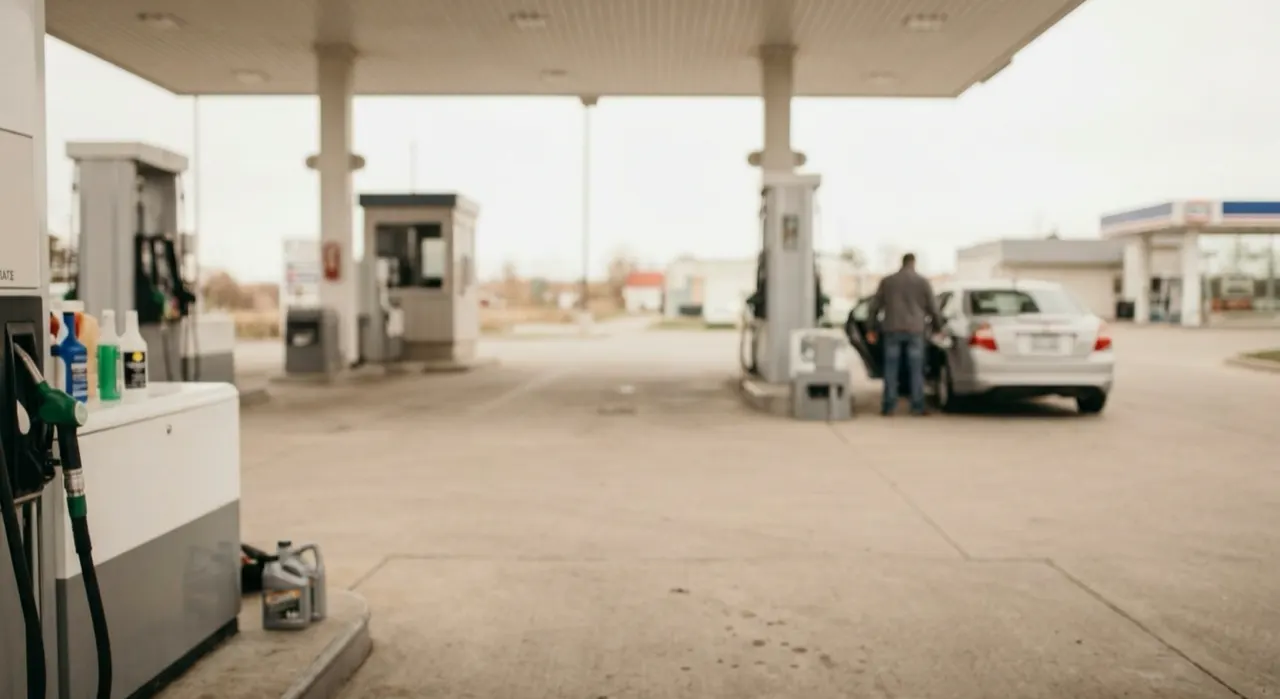
Almost every "it did nothing" review shares the same three mistakes. Avoid them and you at least give the product a fair run.
1. Dose into a low tank. A quarter tank or less. Concentration is the entire mechanism — pouring a 16 oz bottle into a full 20-gallon tank cuts the dose to a fraction of what the label intends.
2. Then drive it hard, and drive it long. Fifteen to thirty minutes minimum on a highway or a sustained on-ramp-to-off-ramp run. The converter has to get and stay hot. Idling in a driveway achieves nothing, and neither does a four-mile commute.
3. Fix the upstream fault first. If the car is misfiring, running rich, or burning oil, a converter cleaner is pointless — worse, driving hard with raw fuel entering a hot converter is exactly how converters melt. Sort the fault, then treat.
Run the treatment twice on consecutive tanks if you have time before your test date. Owners who report success on a second bottle are common enough that a single failed attempt does not settle the question, though a third is throwing good money after bad.
Prevention Is the Only Thing That Reliably Works
A converter that never gets fouled never needs cleaning. Three habits do almost all the work: burn detergent-rich fuel, keep the engine running clean, and take the car for a proper drive regularly. Short trips are the silent converter-killer — an engine that never fully warms up runs rich, loads the exhaust with unburned fuel, and slowly cokes everything downstream.
The single most useful maintenance habit is a regular PEA fuel system cleaner, which keeps injectors atomizing properly so combustion stays complete. That is a different product with a much stronger evidence base, and we rank the field in best fuel system cleaner. Diesel owners face a parallel problem with DPF loading and should read best diesel fuel additive instead. And if the engine is genuinely consuming oil, that is an engine repair — no additive in the oil additive aisle stops a worn engine from poisoning a converter.
How We Rank
We do not operate an emissions lab and we have not run these bottles through a five-gas analyzer ourselves. We rank by aggregating owner ratings and review volume across tens of thousands of buyers, then weighing four things. Reported outcomes — how often owners in a plausible use case describe an actual result, rather than how many five-star reviews the listing has. Chemistry — whether the active ingredients and concentration can do what the label implies. Cost per treatment — this is a gamble, so the price of the gamble matters. And honesty of the claim — a product that says it improves combustion is making a promise it can keep; one that says it restores a failed converter is not. Prices were current at the time of writing.
The Verdict
If your converter is fouled rather than failed and you want the option with the most real-world reports behind it, Cataclean 120007 is where to start. If you want the cheapest credible attempt with a written guarantee behind it, the CRC Guaranteed to Pass formula is the value play. If you would rather attack the cause than the symptom — the smarter long game — put the money into Chevron Techron Concentrate Plus and keep the engine burning clean. And if your converter is rattling, plugged, or the car has been burning oil for years, skip all of it: buy the converter, fix the engine, and do not let a $20 bottle cost you another month.
Petrol vs Diesel: Converters and DPF Systems
The right product depends on what the engine burns. A petrol engine has a three-way catalytic converter, and the cleaners on this page are formulated for that exhaust chemistry. A diesel has a very different emissions setup — a diesel oxidation catalyst plus a diesel particulate filter (DPF) that traps soot and periodically burns it off. Pouring a petrol converter cleaner into a diesel does nothing for a clogging DPF. Owners consistently report matching the product to the engine and exhaust system rather than assuming one bottle covers both. If you run a diesel, the parallel product is a DPF-safe additive — the fix for those systems is covered in our diesel additive guide, not here.
Clogged, Damaged or Merely Fouled?
Whether a bottle can help comes down to why the converter is unhappy. A merely fouled converter — light carbon on the surface from short trips or cheap fuel — is the only case a cleaner can influence. A physically clogged, melted or cracked converter has failed mechanically, and no additive reverses that damage. Contamination from burned oil or coolant poisons the precious-metal coating permanently. Owners consistently report the honest split: cleaners win on fouling, never on a converter that has physically failed. Before you spend on a bottle, work out which camp you are in — a clogged converter shows up as lost power and a rotten-egg smell, and that one needs replacing, not cleaning.
Liqui Moly, Cataclean and the Boost Additives
The category splits between products that scrub the exhaust and products that clean the fuel side. Cataclean is the best-known name, treating both the fuel and exhaust path in one bottle. Liqui Moly's Catalytic System Cleaner takes the more honest route of cleaning injectors and the combustion chamber upstream so the engine burns cleaner. Others add an octane or combustion boost. Owners consistently report that the upstream approach — a Liqui Moly-style or PEA fuel cleaner — has the stronger evidence base, because a clean-burning engine is what actually keeps a converter alive. Treat any "restore your converter" claim with suspicion; the products that clean combustion make a promise they can keep.
Quick Comparison
Cataclean 120007 Fuel & Exhaust System Cleaner (16 oz)
Best for the best-known bottle, and the one owners report the most wins with
Best Value
CRC 05063 Guaranteed to Pass Emissions Test Formula (12 oz)
$15.99 · Check Price on Amazon
Best Premium
Liqui Moly 8931 Catalytic System Cleaner (300 ml)
$16.22 · Check Price on Amazon
Best for a Check Engine Light
Rislone 4720 Cat Complete Fuel, Exhaust and Emissions System Cleaner (16.9 oz)
$22.44 · Check Price on Amazon
Best Multi-Purpose
Sea Foam SF-16 Motor Treatment (16 oz)
Check Price on Amazon
Best for Prevention
Chevron Techron Concentrate Plus Fuel System Cleaner (20 oz)
$16.99 · Check Price on Amazon
Prices are pulled from Amazon and were accurate as of Aug 22, 2026, 6:54 PM EDT. Product prices and availability are subject to change — the live price is shown on Amazon.