
Affiliate Disclosure
Some links on this page are affiliate links. As an Amazon Associate, we earn from qualifying purchases — at no extra cost to you. We do not buy, test, or physically handle the products we cover; our rankings come from aggregated owner reviews, ratings and expert consensus. Commissions never change our verdicts. How we rank & full disclosure.
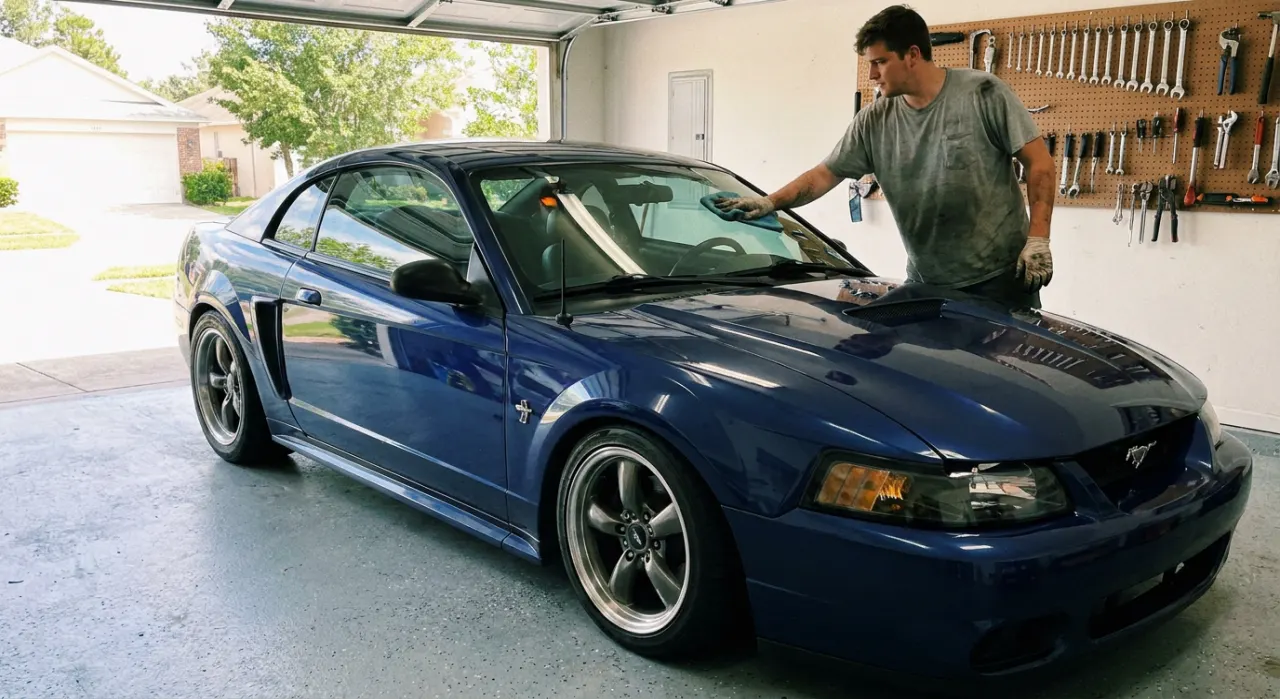
Short version: Streak-free glass is not about the magic cleaner it is about technique. Work in the shade, use two towels (one to clean, one to buff dry), fold each towel into quarters so you always have a fresh face, and buff until the glass squeaks. Get this routine right and it becomes the foundation for everything else you do to your glass, from Rain-X to a full ceramic coating.
Why glass streaks in the first place
Streaks are just cleaner and dissolved dirt that got smeared around instead of removed. It happens for predictable reasons: too much product, a towel that is already saturated, cleaning in the sun so the liquid evaporates before you can wipe it clean, or a contaminated towel leaving its own residue behind. Understand those four causes and you can beat streaks every time without buying a single new product.
The most overlooked culprit is the towel itself. If your microfiber has been through the laundry with fabric softener, or has ever touched wax or a tire dressing, it will smear a film across your glass no matter how carefully you work. Glass towels should be washed separately, without softener, and kept for glass only.
The two-towel method
This is the single technique that changes everything. You use two microfiber towels for every piece of glass:
- Towel one, the cleaning towel. This carries the product and does the lifting. It gets damp and dirty as it pulls road film and grime off the glass.
- Towel two, the buffing towel. This stays bone dry and its only job is to buff the just-cleaned glass to a clear, dry finish before any residue can dry into a streak.
The reason one towel fails is simple: once it is loaded with dissolved dirt and moisture, it stops removing and starts smearing. By buffing immediately with a separate dry towel, you lift the cleaner and its dirt clean off the surface before it can flash-dry into that hazy film you have been fighting.
The fold trick
Fold each towel into quarters. That gives you eight clean working faces per towel four on each side. As soon as a face gets loaded up, flip to a fresh one. Most people use one crumpled towel until it is soaked and wonder why the last window looks worse than the first. A folded towel gives you a fresh, dry surface on demand, which is exactly what streak-free buffing needs.
Combine this with the two-towel method and you have a system: clean with a fresh face of towel one, buff dry with a fresh face of towel two, and rotate faces as they load up. It sounds fussy written down, but in practice it takes seconds and it is the difference between glass that is clear and glass that is almost clear.
The step-by-step
- Move into the shade. Cool glass out of direct sun is non-negotiable. In the sun, cleaner evaporates on contact and streaks are basically guaranteed.
- Spray the towel, not the glass. Especially indoors and near trim, misting the cleaning towel gives you control and stops overspray from soaking your dash or A-pillars. On heavily filmed exterior glass you can spray the glass directly.
- Clean in a cross-hatch. Wipe horizontally, then vertically, so any leftover streak stands out and you know which direction it runs. This also ensures full coverage.
- Buff immediately. With the dry towel, buff the section to a clear, dry finish while it is still slightly damp. Do not let it air-dry.
- Check at an angle. Crouch and look across the glass toward a light source. Streaks and haze only show up at a low angle. Hit any you find with a fresh dry face.
The ammonia and tint warning
One rule that saves people from an expensive mistake: never use an ammonia-based cleaner on tinted windows. Ammonia attacks the dyes and adhesives in window film and will haze or bubble a tint over time. It also dries out rubber seals. Stick to an ammonia-free automotive glass cleaner on every window, and you never have to think about which glass is tinted. If you want the full explanation, it ties directly into why we recommend the specific formulas in our best car glass cleaner guide.
The inside is a different beast
The outside of your windshield deals with road film and bugs. The inside deals with something greasier: a haze that off-gasses from your dashboard and plastics and films the glass from within. It needs the same two-towel technique but often a second pass, and reaching the deep corner where the glass meets the dash is genuinely awkward. We cover the tool trick for that in our dedicated guide to cleaning the inside of a windshield, and if the film keeps coming back, our piece on the foggy windshield from the inside explains the root cause.
Where to go from here
Clean glass is the starting line, not the finish. Once your windshield is genuinely streak-free, it is the perfect surface for a water repellent everything bonds better and looks better on clean glass. If you want rain to bead and sheet off at speed, read our honest Rain-X guide next, or step up to a longer-lasting option from our best windshield water repellent roundup. For everything glass-related in one place, the glass and visibility hub has you covered. Master this one routine first, though it is the technique the rest of your glass game is built on.
Recommended Glass Cleaners

Best for streak-free results with the least effort
- Ammonia-free, so it is safe on tint and rubber seals
- Leaves no waxy residue or haze to buff out
- Cuts road film and interior off-gassing haze
- The consistent enthusiast favourite
Why buy it: the default cleaner — pairs with the two-towel method to get glass genuinely clear, and it will not attack window film.

Best for more cleaning bite for heavy road film and bugs
- Stronger cut for bug haze and baked-on film
- Still tint-safe and ammonia-free
- From a name detailers already trust
- Good value per bottle
Why buy it: the workhorse — a little more cleaning power than most while staying tint-safe, for glass that needs real scrubbing.
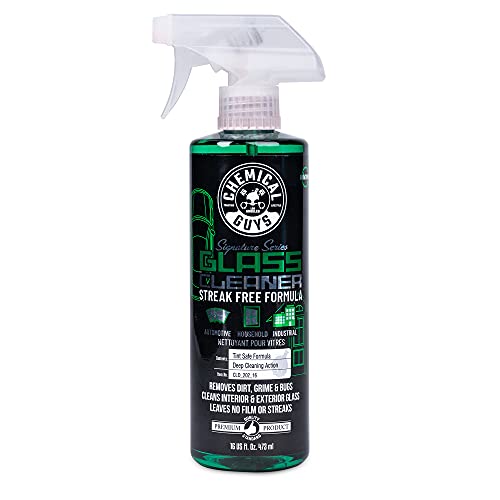
Best for tinted windows you want to protect for years
- Completely ammonia-free formula
- Safe on every window, tinted or not
- Streak-free finish with a clean microfiber
- Pleasant to use inside the cabin
Why buy it: the tint-safe pick — takes the guesswork out of which glass is tinted, because it is safe on all of it.

Best for freshly tinted glass and interior use
- Gentle, ammonia-free formula built for film
- Clears interior haze without smearing
- Concentrated — dilutes to go further
- Professional-detailer staple
Why buy it: the specialist pick — formulated around tint film, so it is the safe choice on a fresh tint job.

Best for a cheap everyday cleaner that leaves light water repellency
- Low cost and widely stocked
- Leaves a mild Rain-X repellent film
- Handles routine road film well
- Big, familiar owner base
Why buy it: the budget buy — cheap, effective, and it leaves a touch of water repellency behind on the outside glass.
Prices are pulled from Amazon and were accurate as of Aug 22, 2026, 6:44 PM EDT. Product prices and availability are subject to change — the live price is shown on Amazon.