
Affiliate Disclosure
Some links on this page are affiliate links. As an Amazon Associate, we earn from qualifying purchases — at no extra cost to you. We do not buy, test, or physically handle the products we cover; our rankings come from aggregated owner reviews, ratings and expert consensus. Commissions never change our verdicts. How we rank & full disclosure.
Short version: aftermarket LED headlight bulbs sit in a genuine legal grey area, and we are not going to pretend otherwise. They are not DOT-approved (FMVSS 108) for use in housings designed for halogen bulbs, which is why almost all are sold "for off-road use only." Whether that matters in practice depends on two things: your housing type (projectors focus LEDs well; reflectors scatter and glare) and your state’s enforcement, which ranges from active inspection to none at all. This page gives you the honest picture so you can decide responsibly — not a false all-clear, and not fearmongering.
This is the page the rest of our lighting hub links to whenever legality comes up, because it deserves a straight answer rather than a marketing dodge.
The actual federal rule
Headlight performance in the US is governed by FMVSS 108, the federal standard the DOT enforces. It certifies complete headlamp systems — the housing and its designed light source together — not replaceable bulbs dropped in afterward. A halogen headlight is certified with a halogen filament in a specific position. When you swap in an LED bulb, the light source changes shape and position, so the housing is no longer operating as certified. That is why an aftermarket LED conversion is not DOT-compliant for on-road headlight use, and why manufacturers label them "off-road use only" rather than claim a compliance they cannot. Note the contrast: factory LED headlights, engineered as complete certified systems, are fully legal — the grey area is specifically about aftermarket bulb conversions.
The real problem: glare in reflector housings
The legality question is really a glare question, and glare comes down to your housing type. A reflector housing surrounds the bulb with mirrored surfaces precisely shaped for where a halogen filament sits. Put an LED in it and those mirrors scatter the LED’s differently-shaped light in directions the design never intended — including into oncoming drivers’ eyes. The beam can look brilliant from your seat while blinding everyone you meet. A projector housing, which focuses light through a lens, tolerates the LED far better and produces a clean cutoff with little stray light. This is the single biggest factor in whether your LEDs are responsible or a menace — and it is why we say, throughout the lighting hub, that LEDs belong in projectors.
Enforcement reality by state
On paper, non-compliant bulbs are not street-legal anywhere. In practice, enforcement varies enormously. Some states run vehicle inspections that check for improper lighting; many states have no inspection at all. Some police actively stop obviously-glaring setups; most have bigger priorities unless you are dazzling traffic. The honest pattern is that a clean, well-aimed, white LED in a projector rarely attracts attention, while a scattered, blue-tinted, blinding reflector setup invites it. We cannot give you a state-by-state ruling — laws change and vary — so check your own state’s vehicle lighting code, and treat "am I blinding other drivers?" as the practical test that matters most day to day.
How to run LEDs responsibly
If you choose LED conversions — and plenty of enthusiasts do — a few steps keep you responsible and lower your risk:
- Use projector housings where you can; they focus LEDs cleanly and cut glare dramatically.
- Keep the color white (6000K). Avoid blue tints above 6500K, which scatter most and annoy everyone.
- Aim the beams. Park facing a wall and set the cutoff level — not pointed at the sky or the curb.
- Restore cloudy lenses first. Yellowed, hazed housings scatter light badly; clear them via the headlight restoration hub.
- Check your state law and respond to feedback — if drivers flash you, fix your setup regardless of the statute.
Aftermarket LED Bulbs vs Original-Equipment Headlights: What’s DOT-Approved
It is worth separating two things people conflate. Original-equipment LED headlights — the complete units installed at the factory — are engineered and DOT-approved as certified systems, and they are fully legal. Aftermarket LED conversion bulbs are the grey area: dropping a new light source into a housing certified for halogen means the system no longer meets the DOT regulations it was approved under, so those bulbs are sold "off-road use only." The distinction matters because owners often assume that because factory LEDs are everywhere, any LED bulb must comply. It does not work that way — the original equipment is approved as a whole, while an aftermarket bulb is not. Know which one you are actually buying.
Colored Bulbs Are Not Road-Legal — Stick to 6000K
Whatever the DOT debate, one rule is clear across the board: headlight color is regulated. Federal and state regulations require forward headlights to be white (a light amber is tolerated), which makes pink, purple, red and deep-blue bulbs flatly illegal on the road, not a grey area at all. That is why every responsible LED recommendation lands on a clean 6000K white — bright, modern-looking, and within spec. Go bluer than about 6500K and you are both scattering more glare and drifting toward a color that is not road-legal. If you want your car to look current without inviting a ticket, a 6000K white bulb is the safe, compliant choice.
State Example: LED Headlight Laws in Texas
State rules illustrate how uneven this is. Take Texas: like most states it currently follows the federal white-light requirement and bans headlights that glare or use unapproved colors, but it has no routine safety inspection checking for LED conversions, so in practice a clean, well-aimed white LED rarely draws notice. Trucks and lifted vehicles get more scrutiny because their higher-mounted lights dazzle other drivers more easily. This is just one example — every state writes its own code and enforcement differs — so treat Texas as a pattern, not a ruling for where you live. Look up your own state’s headlight law before assuming your setup is fine.
Street-Legal vs Illegal: Complying With the Regulations
Here is the plain line between street-legal and illegal. To comply with federal and state regulations, a headlight system has to be certified as a whole — and an aftermarket bulb is not DOT approved, which is why it never ships as an approved LED for road use. That does not make the roads full of ticketed drivers, because enforcement is patchy, but it does mean the setup is technically non-compliant. The honest test that keeps you out of trouble is glare: an approved-looking, well-aimed white beam rarely draws a complaint, while a dazzling one invites both the flash and the citation.
Replaceable LED Bulbs and Headlamp Housings
The whole grey area comes down to one design fact: a replaceable LED bulb is dropped into a headlamp housing that was engineered around a halogen filament. LED headlights that leave the factory as sealed, complete units are approved because the light source and housing were certified together. A conversion bulb is not, because it changes the light source inside a housing certified for something else. If you want to know whether your setup is defensible, the question is not the bulb brand — it is whether that bulb sits in a housing designed to focus it, which is why projectors cause so much less trouble than reflectors.
LED Headlights on Trucks and Lifted Vehicles
Ride height changes the math. LEDs installed on trucks, SUVs and lifted rigs sit higher off the road, so their beam lands closer to the eye level of oncoming drivers and dazzles more even when perfectly white. That extra height is exactly why lifted vehicles draw more scrutiny and more flashes than a low sedan running the same bulb. If you drive a truck, aim the cutoff lower than you think you need, favour a projector housing, and re-check the alignment after any suspension change. Currently the responsible-glare rule matters most for the tallest vehicles on the road.
So should you buy them?
It comes down to honesty with yourself about your car and your driving. If you have projector housings, drive a lot on dark rural or off-road routes, and will aim them properly, LED conversions are a superb, low-glare upgrade and the grey-area risk is minimal in practice. If you have old reflector housings, constantly meet oncoming traffic, or value guaranteed legality, a premium halogen upgrade gives you a real improvement with none of the caveats — see LED vs halogen for that comparison. Whichever you choose, pick from our best LED headlight bulbs or best headlight bulbs rankings, confirm fitment in the size guide, and head back to the automotive lighting hub.
Recommended Products
Best for the brightest plug-and-play LED owners trust
- 1:1 mini size fits most housings
- 6500K cool white, sharp beam
- Plug-and-play, no adapter for most cars
- Aviation-grade cooling fan
Why buy it: a big, clean brightness jump — best in projector housings, where an LED conversion stays low-glare and keeps the grey-area risk minimal.
Best for correct beam focus and honest engineering
- Designed for correct optical focus
- Copper-core PCB, MagLev fan
- Engineered and built in the USA
- No-glare focus, less scatter
Why buy it: a properly focused beam rather than raw scatter — the brand is refreshingly honest that LEDs are DOT-approved for fog use only, which is exactly the legality nuance this page is about.

Best for guaranteed-legal brightness in reflector housings
- Guaranteed street-legal, DOT-compliant
- Whiter light than standard halogen
- Tri-band coating, brighter down-road
- Direct drop-in replacement
Why buy it: the zero-worry upgrade if you value guaranteed legality — a real brightness gain from a true DOT bulb, not an off-road LED, ideal for old reflector housings.
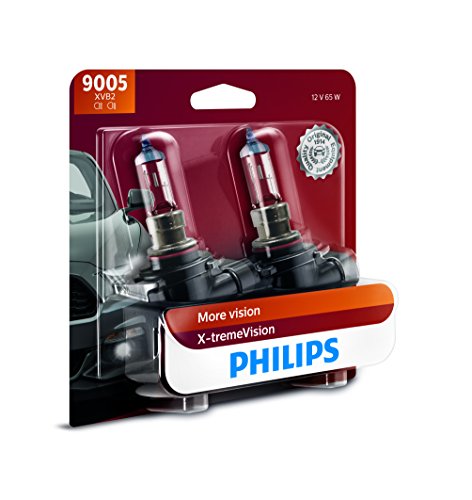
Best for the maximum a DOT bulb can legally deliver
- Up to 100% more vision than standard
- Bright, white premium beam
- Precision-focused filament
- Street-legal DOT halogen
Why buy it: the whitest, longest-reach legal beam — the pick when you want maximum output without stepping into the LED grey area at all.