

Affiliate Disclosure
Some links on this page are affiliate links. As an Amazon Associate, we earn from qualifying purchases — at no extra cost to you. We do not buy, test, or physically handle the products we cover; our rankings come from aggregated owner reviews, ratings and expert consensus. Commissions never change our verdicts. How we rank & full disclosure.
Short version: for a typical US passenger car or crossover, new tires run roughly $100 to $300 per tire, or about $400 to $1,200 for a full set of four before installation — then add roughly $100 to $250 for mounting, balancing, an alignment and fees. Economy tires sit low, trucks and SUVs in the middle, and performance or large-diameter tires at the top. The two biggest levers on your total are your tire size and the quality tier you pick. Here is the honest, out-the-door breakdown so nothing surprises you at the counter.
Tire pricing is deliberately confusing — the number on the tire is rarely the number you pay. We would rather lay out the real US costs, including the fees shops do not lead with, so you can budget accurately and judge genuine value. Here is the straight picture.
What tires actually cost by vehicle type
The single biggest driver of price is what you drive, because it dictates tire size. Rough US per-tire ranges the consensus reflects: a compact or economy car is often $80 to $150 a tire; a mainstream sedan or crossover around $100 to $200; a truck or larger SUV commonly $150 to $350; and performance cars or anything on 20-inch-plus wheels can run $250 to $500 or more each. Multiply by four and a full set spans from under $400 for an economy car to well over $1,500 for a large truck or performance vehicle. Bigger and wider simply means more tire and more money. To understand exactly what size and specs your car needs before you price anything, read how to read tire size and ratings.
Why the price gap is so wide
Beyond size, two things stretch the range: tier and type. Premium-brand tires cost more than budget ones — but they often last longer and stop noticeably shorter in the wet, which can make their cost-per-mile competitive despite the higher sticker, a trade-off we dig into in are expensive tires worth it. And specialized tires carry a premium over standard all-seasons: performance summer tires, all-terrain tires, and winter tires all cost more than a basic all-season for the same size. The honest way to control this is to buy the tire your driving actually calls for — not the flashiest one — which is exactly what how to choose tires walks through.
The hidden costs that make the total real
Here is where the out-the-door price parts ways with the tire price, and where people get caught. On top of the tires, expect: mounting and balancing, often $15 to $50 per tire; new valve stems or TPMS service; an alignment, commonly $80 to $150 and genuinely worth doing with fresh tires so they wear evenly; tire disposal fees; and sometimes shop supplies or a road-hazard warranty. Together these routinely add $100 to $250 to a set of four. The consensus advice is blunt: always ask for the full out-the-door price including every fee before you commit. A "cheap" set of tires with heavy install fees can cost more than a pricier set with install bundled in.
Online vs shop: where the savings really are
Buying tires online and shipping them to a local installer can beat in-store pricing on the tire itself and opens up a far bigger selection — but the comparison only makes sense as a whole-cost comparison. You still pay a shop to mount, balance and install, and some charge more to fit tires you bought elsewhere; local shops sometimes price-match or bundle install more cheaply. So the honest move is to total the out-the-door cost both ways, not just the tire sticker, because the install side is exactly where an apparent online saving can quietly evaporate. Our guide to how tires are bought and installed online covers the process end to end, and tire brands compared helps you weigh price against quality.
Do you have to buy all four?
Part of the cost question is how many tires you actually need to replace. The safest answer is usually all four at once — and on all-wheel-drive vehicles it is close to mandatory, because significantly mismatched tire wear can strain and damage the drivetrain. On front- or rear-wheel-drive cars you can sometimes replace in pairs, keeping each axle matched and ideally putting the newer pair on the rear for stability. Replacing all four costs more today but keeps handling balanced and predictable. If budget forces a pair, replace in twos and match the brand and model rather than mixing four different tires. Knowing when to replace your tires helps you plan the expense before it becomes an emergency.
The verdict
How much do new tires cost? Budget roughly $400 to $1,200 for a set of four on a typical car or crossover, plus about $100 to $250 for install, alignment and fees — more for trucks, performance cars, or large wheels. Control the total by buying the size and type your driving genuinely needs, weighing premium tires on cost-per-mile rather than sticker, and always getting the full out-the-door price up front. When you are ready to buy, start with how to choose tires, weigh value in are expensive tires worth it, see the picks in best all-season tires, and head back to the tire buying hub for the full picture.
Recommended Products

Best for the most tire for the money, all around
- Up to 75,000-mile treadwear warranty
- Strong wet, dry and light-snow grip
- Replacement Tire Monitor reads "REPLACE TIRE"
- Quiet, comfortable touring ride
Why buy it: the value all-season the community keeps recommending — a genuine step above its price for grip, quietness and tread life, which keeps cost-per-mile low.

Best for the lowest sticker price from a reputable brand
- Up to 75,000-mile treadwear warranty
- All-season compound with four wide grooves
- Responsive steering for a budget touring tire
- Broad size range for common sedans
Why buy it: about the cheapest name-brand all-season worth buying — solid dry and wet manners for the money when the up-front total is what matters.
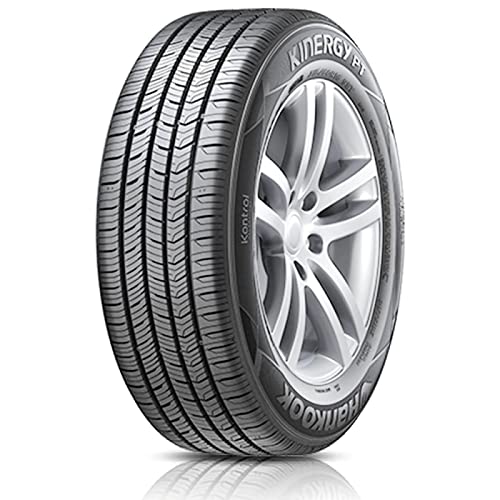
Best for squeezing the most miles from a set
- Up to 90,000-mile treadwear warranty
- Low-rolling-resistance touring compound
- Four longitudinal grooves for wet drainage
- Quiet, comfortable highway ride
Why buy it: a deep 90k warranty owners actually reach — the pick when you judge tire cost the honest way, per mile rather than per sticker.
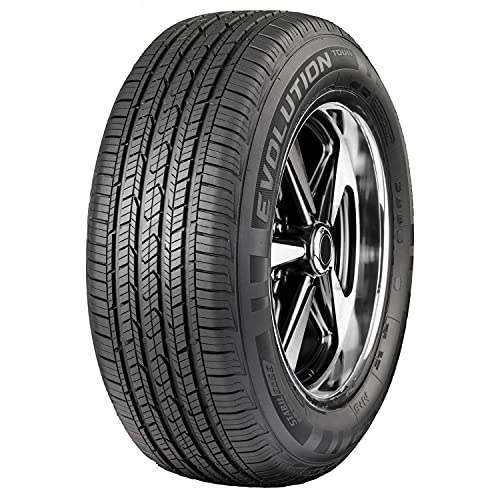
Best for a smooth, quiet daily commuter
- Up to 65,000-mile treadwear warranty
- Stabiledge tech for confident handling
- Whisper grooves lower cabin noise
- All-season siping for wet and light snow
Why buy it: owners praise how quiet and settled it rides — the value pick if a smooth, low-noise commute matters more than sporty edge.
Prices are pulled from Amazon and were accurate as of Aug 22, 2026, 7:14 PM EDT. Product prices and availability are subject to change — the live price is shown on Amazon.