
Affiliate Disclosure
Some links on this page are affiliate links. As an Amazon Associate, we earn from qualifying purchases — at no extra cost to you. We do not buy, test, or physically handle the products we cover; our rankings come from aggregated owner reviews, ratings and expert consensus. Commissions never change our verdicts. How we rank & full disclosure.
Short version: water-based dressings are gentler on rubber, easier to clean up, and give a natural satin-to-glossy look, but they only last a week or two. Solvent-based dressings throw a deep wet shine and last a month or more, but the harsher carrier can dry rubber over years of heavy use. Buy solvent for durability and wet climates, water-based for gentleness and a natural look — or do what I do and alternate between them.
Almost every tire dressing on the shelf is one of two things: water-based or solvent-based. The bottles rarely make it obvious, the marketing photos look identical, and the price does not tell you which is which. But the difference genuinely changes how the product performs, how long it lasts, and how it treats your rubber. Once you understand the two carriers, picking the right bottle for your situation becomes easy.
What the Carrier Actually Is
Tire dressing is basically a shine-and-protection agent suspended in a carrier that spreads it onto the rubber and then evaporates or absorbs, leaving the dressing behind. That carrier is the whole difference.
Water-based dressings use water and emulsifiers as the carrier. They are the gentle, modern option — they sit lightly on the rubber, clean up with water if you spill, and are kind to the tire over the long haul. Solvent-based dressings use petroleum-based solvents as the carrier. Those solvents penetrate the rubber more aggressively and bond the shine harder, which is what gives them their durability and deep wet look. Same idea, very different behavior.
Durability: Solvent Wins
This is the clearest win. A water-based dressing typically lasts one to two weeks, and a single good rainstorm can wash much of it away. A solvent-based dressing bonds harder and shrugs off rain, routinely lasting three to six weeks. If you hate re-dressing tires and want to do it monthly and forget about it, solvent is the answer. This durability gap is also why solvent is the smarter buy in wet climates — the weather that strips water-based dressings barely touches it.
The Look: Both Can Deliver
Both carriers can give you the finish you want, but they lean different ways. Water-based dressings naturally produce a satin-to-semi-gloss, OEM-style look — clean and healthy rather than dripping wet. Buff them down and you get that factory-new tire appearance. Solvent-based dressings lean toward the deep, glossy, wet look, especially the heavy gels left un-buffed. That is the show-car finish.
So if you want a subtle, natural look, water-based makes it easy. If you want the deep wet gloss, solvent gets you there with less effort. Either way, the finish also depends on how much you buff off, which I cover in how to apply tire shine. And both need a clean tire underneath — old dressing and browning ruin the result regardless of carrier, so scrub the sidewall during your wheel cleaning first.
Rubber Safety: Water-Based Is Gentler
Here is the one real knock on solvent dressings. The harsh solvent carriers, used constantly over many years without cleaning the tire first, can dry the rubber and contribute to premature browning — that grayish-brown haze that creeps up the sidewall. In practice, most people never actually see a problem, and modern solvent dressings are far better than the old-school ones. But it is why water-based dressings are considered the safer long-term choice, and why I personally alternate: solvent when I want durability, water-based to keep the rubber conditioned and happy in between.
Sling Is About Technique, Not Carrier
People often assume one carrier slings more than the other. The truth is that sling — the greasy arc flung down your fenders — is overwhelmingly an application problem, not a carrier problem. Both types sling if you glob them on and drive off. The fix is identical for both:
- Apply with a foam pad, not the trigger sprayer.
- Keep the coat thin and even.
- Wipe off any excess with a clean side of the pad.
- Let it flash off for 10 to 20 minutes before driving.
Do that and even a glossy solvent gel stays put. Full method in applying tire shine.
Cleanup and Application Feel
There is a day-to-day difference in how the two carriers behave in your hands, and it matters more than people expect. Water-based dressings clean up with plain water, so if you get some on a wheel, a body panel, or your hands, it wipes off easily and does not stain. That forgiveness makes them beginner-friendly and low-stress to work with. Solvent-based dressings are less forgiving — spills and overspray are stickier, harder to remove, and can leave a residue on paint or wheels if you are careless, which is exactly why the foam-pad method matters even more with them. Solvent products also tend to have a stronger chemical smell during application, while water-based ones are milder. None of this changes the finished result, but if you value an easy, mess-free process, water-based has the edge, and if you do choose solvent, being tidy with a pad keeps the extra stickiness from becoming a problem.
Which Should You Buy?
Here is the simple decision:
- Buy solvent-based if: you want maximum durability, you live somewhere wet, or you love the deep wet-look gloss and want it to last through weather.
- Buy water-based if: you want a natural OEM look, you value easy cleanup, you care most about long-term rubber health, or your car is garaged in a dry climate.
- Alternate both if: you want the best of both — solvent for longevity, water-based to keep the rubber conditioned. This is what I actually do.
Neither is a wrong answer; they just optimize for different things. For the specific bottles I rate in each category and how they hold up across owner reviews, see best tire shine.
The Bottom Line
Water-based and solvent-based tire dressings are not better or worse than each other — they are tuned for different priorities. Solvent gives you durability and deep gloss at the cost of some long-term rubber gentleness. Water-based gives you a natural look and rubber safety at the cost of longevity. Match the carrier to what you actually care about, apply it thin with a pad, and start with a clean tire. Do that and either one makes your tires look genuinely good — no greasy sling, no disappearing act after one drive.
Recommended Products
Here are the dressings owners rate highest on each side — the gentle, natural-look water-based options and the deep-gloss, long-lasting solvent picks. Do what I do and keep one of each. We rank on aggregated owner ratings and reviews, not first-hand testing.
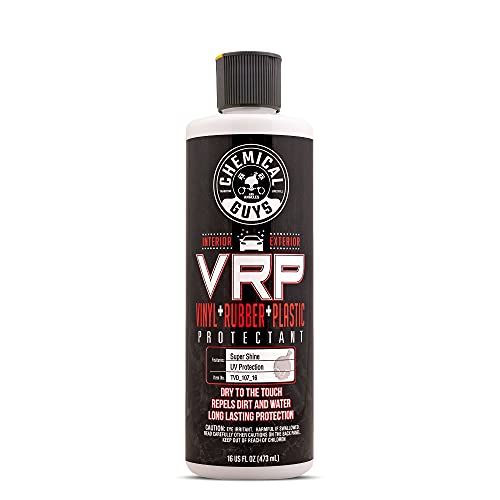
Best for the gentle, easy-cleanup water-based side — tires, trim and rubber
- Water-based, dry-to-touch formula
- Adjustable satin-to-glossy finish by coats
- Cleans up with water, gentle on rubber
- Huge owner base and consensus rating
Why buy it: the highest-consensus water-based dressing — a gentle, low-sling finish you can dial from natural to glossy, and easy to live with if you spill.
Best for a sling-free, OEM-satin finish and long-term rubber health
- Water-based, sling-free formula
- Natural or satin finish, adjustable by coats
- UV protection to help prevent dry rot
- Gentle on rubber for regular use
Why buy it: the water-based pick for a clean factory look — it leans natural rather than wet, protects against dry rot, and keeps the rubber conditioned between solvent applications.
Best for a dry-to-touch satin finish on tires and trim
- Water-based, sprayable dry-to-touch dressing
- Non-greasy satin OEM-style finish
- Works on tires, trim, vinyl and plastic
- Easy water cleanup
Why buy it: the natural-satin water-based option — a non-greasy, dry-to-touch finish that looks factory-new and doubles as a trim dressing.
Best for the deep wet-look, weeks-long solvent side
- Solvent-based gel — deep, glossy wet look
- Bonds hard and resists rain for weeks
- A little goes a long way with a pad
- The show-car gloss owners reach for
Why buy it: the solvent benchmark for durability — the deep wet gloss and weeks-long staying power that water-based dressings cannot match, best applied thin with a foam pad.
Best for a fast, glossy solvent finish in wet or humid climates
- Solvent-based spray for a high-gloss finish
- Resists rain — earns its keep in wet climates
- Quick to apply over a clean tire
- Widely stocked and inexpensive
Why buy it: the easy solvent gloss — a spray-on deep shine that shrugs off rain, ideal where weather would wash a water-based dressing straight off; wipe excess to keep sling down.
Prices are pulled from Amazon and were accurate as of Aug 22, 2026, 6:54 PM EDT. Product prices and availability are subject to change — the live price is shown on Amazon.