
Affiliate Disclosure
Some links on this page are affiliate links. As an Amazon Associate, we earn from qualifying purchases — at no extra cost to you. We do not buy, test, or physically handle the products we cover; our rankings come from aggregated owner reviews, ratings and expert consensus. Commissions never change our verdicts. How we rank & full disclosure.
Short version: if you want a tire dressing that survives a couple of rainstorms and does not fling grease all over your paint, reach for a solvent-based gel or a dedicated tire coating and apply it with a foam pad, not a trigger sprayer. Water-based sprays look great and are gentler on rubber, but you are re-applying every wash. Below is how I actually pick between them on my own cars.
Tire shine is one of those products where the marketing photos all look identical and the results absolutely do not. I have run cheap trigger bottles that lasted one drive and premium gels that were still beading three weeks later. The differences come down to three things: the carrier (water vs solvent), the finish you want (matte, satin, or wet), and how you apply it. Get those right and even a mid-priced dressing looks like a detail-shop job.
Our Top Tire Shine Picks
What Actually Matters in a Tire Dressing
Forget the color of the bottle. The things that separate a good dressing from a frustrating one are durability, sling resistance, and the look. Durability is mostly a function of the carrier — solvent products bond harder and shrug off rain, while water-based products sit lighter and wash away sooner. Sling resistance is partly the product and mostly your technique, which I will get to. And the look is entirely personal: some people want a deep gloss, others want the tire to just look clean and new.
The trap most people fall into is chasing the wettest, glossiest photo on the box. That deep-gloss look almost always comes from heavy solvent gels, and if you slather them on and drive off, you get sling. A dressing that looks slightly less dramatic in the bottle but applies evenly and stays put is the better daily choice nine times out of ten.
Water-Based vs Solvent-Based
This is the fork in the road. Water-based dressings are the gentle, easy option. They give a natural satin-to-semi-gloss finish, wipe up easily if you spill, and are kinder to your rubber over the long haul. The downside is longevity — expect one to two weeks, or a single rainstorm, before you are re-applying.
Solvent-based dressings are the durability champions. They dig into the rubber, throw a deep wet-look shine, and can last a month or more. The trade-off is that the harsh carriers can, over years of heavy use, dry rubber out and contribute to premature browning if you never clean the tire first. For most people that is a non-issue, but it is why I alternate. I have written up the full head-to-head in our water vs solvent breakdown if you want to go deeper before buying.
Matte, Satin, or Wet-Look
The finish you get is a combination of the product and your buffing. Here is how I think about it:
- Matte / OEM look: a water-based dressing applied thin and buffed down with a microfiber. Looks like a new tire, not a dressed one. This is my default on a daily driver.
- Satin: a water-based dressing left as-is, or a solvent product buffed back once. A clean, healthy sheen without looking wet.
- Wet-look / show: a heavy solvent gel left un-buffed, often layered. This is the car-show finish, and it is also the one most likely to sling if you rush it.
The single best thing you can do for any finish is to clean the tire properly first. Old dressing, brake dust, and browning all fight your fresh coat. A good scrub with an all-purpose cleaner and a stiff brush during your regular wheel cleaning routine gives the dressing bare rubber to bond to, and that alone makes a cheap product look expensive.
Killing the Sling for Good
Sling — that greasy arc of dressing flung down your fenders and rockers — is the number one complaint about tire shine, and it is almost entirely a technique problem, not a product problem. Here is the fix that has worked on every car I have owned:
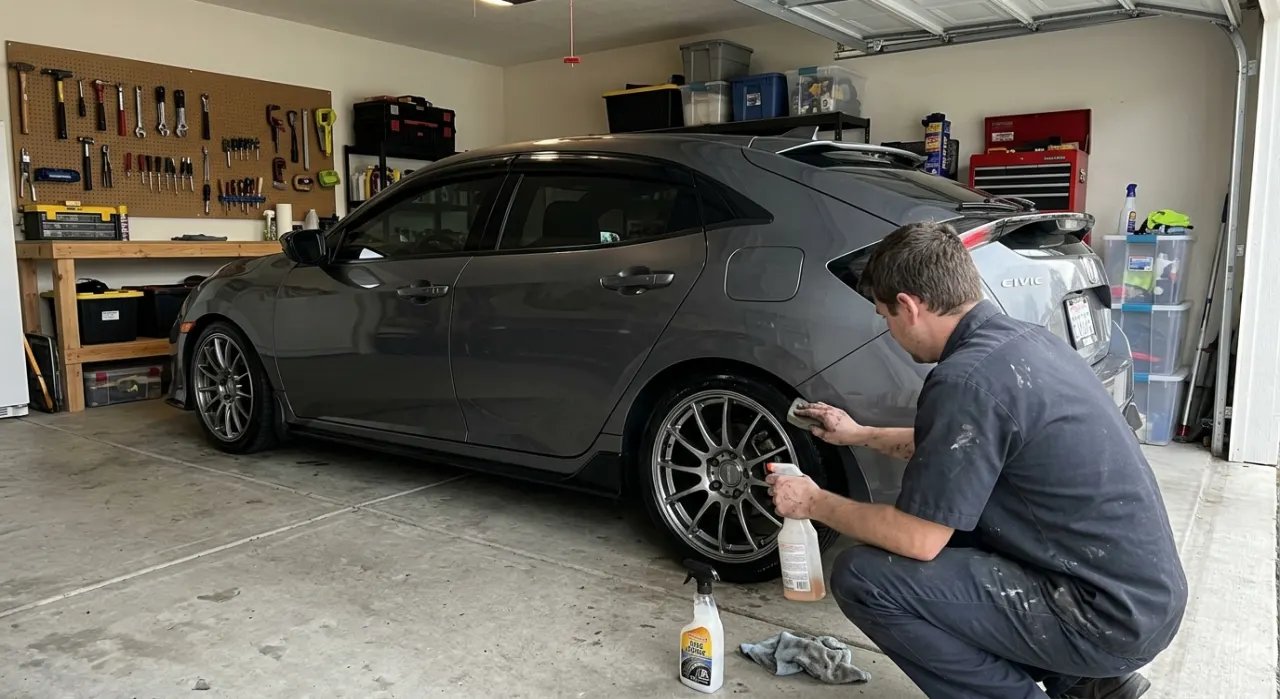
- Use a foam applicator, not the trigger. Spraying directly onto the tire coats the sidewall unevenly and gets product where it will fling. Spray onto a pad and wipe it on.
- Go thin. One even coat is enough. If it looks pooled or dripping, you used too much.
- Wipe the excess. After applying, take a clean side of the pad and go around once more to pick up anything that did not absorb.
- Let it flash off. Give it 10 to 20 minutes before you drive. The dressing needs to grab the rubber before the wheel starts spinning at highway speed.
Do all four and sling basically disappears, even with a glossy solvent gel. I walk through the exact pad method step by step in how to apply tire shine.
How I Pick, By Use Case
Rather than pretend one bottle wins for everyone, here is how I match the product to the person. For a daily driver where you want a clean OEM look and easy cleanup, a quality water-based dressing is the move — gentle, natural, and quick. For a weekend car or anyone who wants the deep wet shine to last through weather, a solvent gel earns its keep. And for someone who dresses tires once a month and wants to genuinely stop thinking about it, a dedicated tire coating (SiO2 or graphene-based) is worth the extra step — you cure it once and get weeks of beading and shine.
Whatever you choose, the tire has to be clean first, and that means a proper wheel and tire wash with the right tools. If you want the exact bottles I rate highest and how they ranked head to head, see our ranked wheel and tire picks for the current lineup.
Aerosol, Trigger Spray or Gel: Applying Tire Protectants
Format changes how a dressing behaves. Aerosol foams are the fastest to lay down — you blast the sidewall, let the foam dwell, and either buff or leave it — but the overspray is a big cause of sling and wasted product on your wheels. Trigger sprays give more control than aerosols yet still tempt you into over-application. Gel protectants, worked in with a foam pad, give the most even coat and the longest wear, which is why the durability leaders are almost all gels. Whatever the format, these are rubber protectants first and gloss second: the UV blockers that slow cracking and browning matter more over years than how wet the tire looks on day one.
Brands Owners Rate: Chemical Guys, Adam's, Meguiar's and TriNova
Read enough owner reviews and a short list of names keeps recurring. Chemical Guys VRP is the value all-rounder people reach for on trim and tires alike; Adam's and Meguiar's dressings earn praise for a natural, controllable satin rather than a greasy wet look; and TriNova, Armor All Endurance and Black Magic show up whenever someone wants a cheap, long-lasting, glossy finish. None of these is a magic bottle — application technique still decides the result more than the label — but they are the products owners consistently name when asked what actually lasts and does not sling. Match the brand to the finish you want, then apply it thin with a pad.
Dressing Trim and Exterior Plastic Too
Most tire dressings double as exterior trim restorers, which is why a single bottle can cover the whole lower body of the car. The same water-based dressing that gives tires an OEM satin will darken faded wheel-arch plastic and bumper trim, and a solvent gel will bring near-black depth back to sun-greyed cladding. Owners consistently report the trick is the same as on rubber — apply thin, let it flash, and buff the excess so it does not attract dust or streak in the rain. Doing tires and trim together in one pass is what makes a freshly detailed car read as finished rather than half-done.
Do Not Forget the Wheels
Dressed tires and dirty wheels look worse than plain tires and clean wheels — the contrast draws the eye straight to the grime. If you are dressing tires regularly, it is worth protecting the wheels themselves so they stay clean between washes. A ceramic coating on the barrels and faces makes brake dust rinse off with far less effort. I cover that in protecting wheels with ceramic. Do the tires and the wheels together and the whole corner of the car looks finished.
Recommended Tire Shines
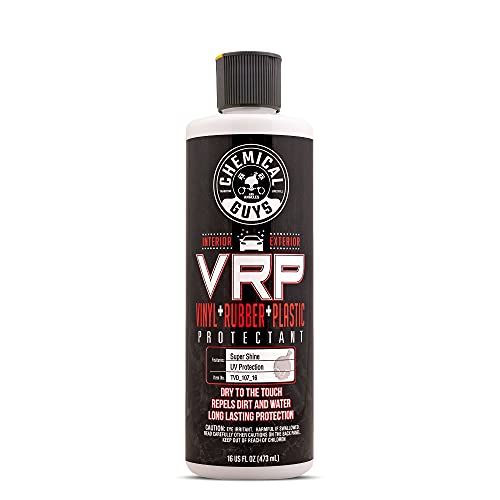
Best for a natural satin tire finish that dries to the touch and resists sling
- Water-based — gentle on rubber and easy cleanup
- Dries to the touch, which is what keeps it from slinging
- Dial the gloss: buff for satin, layer for a wetter look
- Doubles on wheel-arch plastic and bumper trim
Why buy it: the safe default and the most-reviewed dressing here by a wide margin — a controllable satin-to-gloss finish that stays put because it flashes off dry instead of sitting greasy on the sidewall.

Best for a factory matte look with essentially zero sling
- No wet-look — a dead-flat OEM matte finish
- A little goes a very long way; wipe on thin
- A detailer cult favourite on rubber and trim alike
- Nothing to fling once it has flashed off
Why buy it: the pick when you want the tire to just look new, not glossy — a thin wipe-on that reads as clean factory black and, applied properly, does not sling at all.
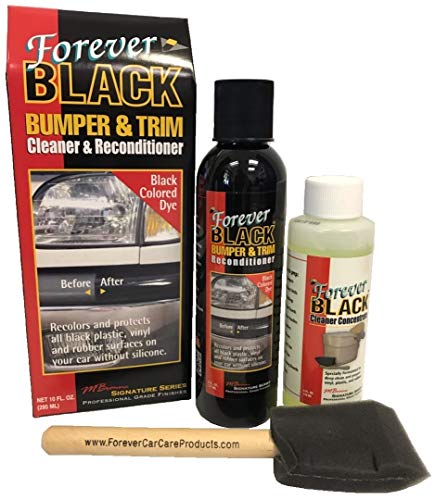
Best for the deepest, longest-lasting black on rubber and trim
- A dye that bonds rather than a dressing that sits on top
- Restores sun-grey rubber and trim to a rich black
- Outlasts spray dressings by weeks per application
- Comes with its own foam applicator for even coverage
Why buy it: the durability play — because it dyes the rubber instead of coating it, the black lasts far longer than a spray, so it earns its keep on faded sidewalls and trim you are tired of re-doing.

Best for reviving faded rubber and trim cheaply with a simple wipe-on
- Brings sun-faded rubber and plastic back to black
- Wipe-on applicator pad — no overspray to sling
- Big owner base at a genuinely low price
- Fast, low-effort refresh between proper details
Why buy it: the low-cost workhorse — a huge, satisfied owner base for a few dollars, and the wipe-on format means you are not spraying product where it will fling off later.
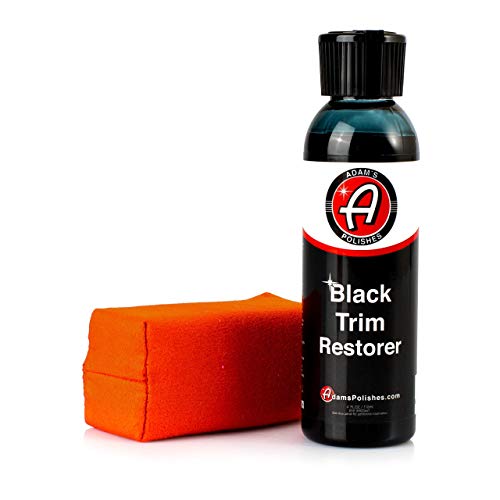
Best for a rich, controllable satin black from a boutique detailing brand
- Small-batch detailing-brand formula with its own applicator
- Rich satin black without the greasy wet sheen
- Even, controllable coat on rubber and plastic
- Popular with owners who fuss over their finish
Why buy it: the enthusiast pick — a controllable satin black favoured by detailers who want a rich, even finish on rubber and trim rather than a dripping wet-look.

Best for a first-timer who wants tire foam plus the rest of a wash bundled
- Bundles Armor All Tire Foam with wash, wax and glass wipes
- Spray-on foam is the easy, familiar entry to dressing tires
- Highest owner rating in this lineup
- Everything to clean and dress a car in one box
Why buy it: the honest starter buy — not a boutique dressing but a whole beginner kit built around Armor All Tire Foam, so a first-timer gets shiny tires and a full wash in one purchase.
Prices are pulled from Amazon and were accurate as of Aug 22, 2026, 6:54 PM EDT. Product prices and availability are subject to change — the live price is shown on Amazon.
Bottom line: pick your carrier based on whether you value longevity or gentleness, pick your finish based on the look you actually want, and apply it thin with a pad. That combination beats spending big on the fanciest bottle every time. Race the light off the line, sure — just do not leave a grease trail doing it.