
Affiliate Disclosure
Some links on this page are affiliate links. As an Amazon Associate, we earn from qualifying purchases — at no extra cost to you. We do not buy, test, or physically handle the products we cover; our rankings come from aggregated owner reviews, ratings and expert consensus. Commissions never change our verdicts. How we rank & full disclosure.
Short version: a ceramic coating on your wheels does not stop brake dust from forming, but it stops the dust from bonding — so instead of baking into the finish, it sits on top of a slick coating and rinses away with a fraction of the effort. It is a one-time job that makes every wash for the next year or two dramatically easier. If you are tired of scrubbing brake dust, this is the single highest-value thing you can do for your wheels.
I put off coating my wheels for years, thinking it was fussy overkill. Then I finally did it, and the first time I cleaned the fronts afterward I was genuinely annoyed I had waited so long. What used to be a ten-minute scrub per corner became a two-minute rinse. That is the promise of a wheel coating, and it is real. Here is why it works and how to do it.
How a Coating Changes the Game
To understand why coating helps so much, you have to understand why brake dust is normally such a fight. Brake dust is hot iron particles shed from your pads, and when they land on a bare wheel they fuse into the finish — they bond to it, which is why a normal wash cannot fully remove them and you end up needing an iron remover for the baked-on stuff. That whole cycle is covered in killing brake dust.
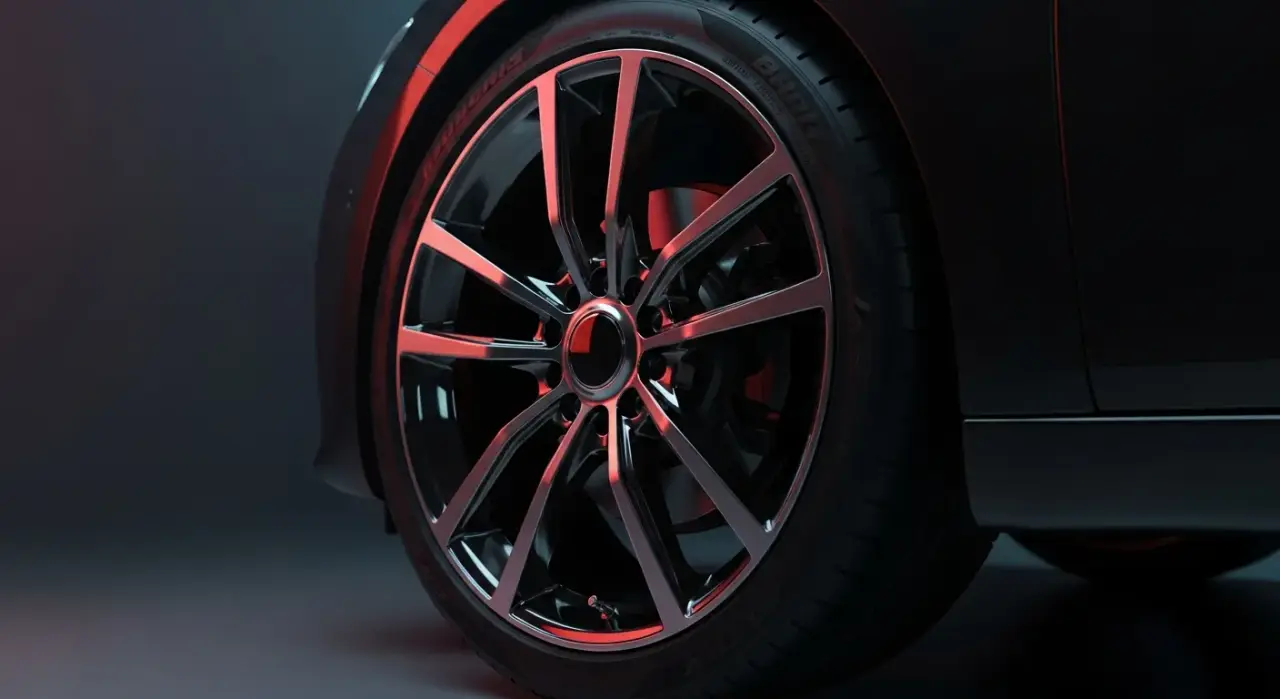
A ceramic coating puts a hard, ultra-slick layer between the dust and the finish. Now when the hot particles land, they have almost nothing to grab onto. They sit on top of the coating as loose surface dirt instead of bonding into the finish. And loose surface dirt rinses off — often with just a hose, or with a quick pass of wheel cleaner during a normal wash. You have not stopped the dust; you have changed its behavior so it never gets a grip.
What You Actually Gain
The benefits stack up:
- Far easier washes. The headline benefit. Brake dust rinses off instead of needing to be scrubbed and decontaminated.
- Less time needed with an iron remover. Because dust does not bond, you rarely need the rescue-mission products.
- Some heat and chemical protection. Wheel coatings are formulated for the heat and harsh conditions wheels endure.
- A cleaner-looking car between washes. Wheels stay presentable longer, so the whole car looks sharper day to day.
All of that from one application that lasts a year or more.
The Prep Is Everything
Here is the one thing you cannot skip: a ceramic coating bonds to whatever is on the surface when you apply it. If the wheel has brake dust, old dressing, or bonded iron on it, the coating locks that grime in and fails early. So the wheels must be spotlessly clean and fully decontaminated before you coat. That means:
- A thorough wash following the full wheel cleaning process, faces and barrels.
- An iron remover pass to pull out any bonded brake dust.
- A wipe-down with a panel-prep or alcohol solution to strip any oils so the coating bonds to bare finish.
Prep is genuinely 80% of the job. Get the wheels perfectly clean and the coating almost applies itself.
Applying It
Once prepped, application is methodical but not hard:
- Work in a shaded, dust-free area so nothing lands on the wet coating.
- Apply thin, even lines with the applicator, working a small section at a time so you can track your coverage.
- Let it flash. The coating will haze slightly after a short dwell — that is your cue to buff.
- Buff the high spots with a clean microfiber before it fully cures, so you do not leave streaks.
- Let it cure per the product instructions before exposing the wheels to water.
Doing this with the wheels off the car is the pro move — you can reach the entire barrel and back, which is exactly where brake dust piles up. If pulling the wheels is not practical, coat the faces and reachable areas on the car and you still get most of the easy-cleaning benefit.
Living With Coated Wheels
Maintenance is the easy part — that is the whole point. Wash the wheels with a pH-neutral, acid-free cleaner to preserve the coating (harsh acids and alkalines degrade it over time), and skip the aggressive stuff you no longer need. Because the coating does the work, a light wheel cleaner and a soft brush keep everything looking sharp. Our wheel cleaner by finish guide covers keeping coated wheels safe, and any of our ranked acid-free cleaners pair well with a coating.
Spray Coatings vs Full Coatings
Not all wheel ceramics are the same commitment. At one end are spray-on ceramic detailers — you spray them onto a clean wheel, spread with a microfiber, and buff. They are dead simple, take minutes, and add real slickness, but they only last a few months, so you re-apply every handful of washes. At the other end are dedicated durable wheel coatings that cure to a hard layer and last a year or two, at the cost of more prep and careful application. For most people I suggest starting with a spray coating to feel the difference — if you love how much easier washing gets, step up to a durable coating next time the wheels are off. Either way you get the core benefit of dust sitting on top instead of bonding; the durable version just means you do it far less often.
Finish the Corner
Coated, clean wheels look even better with dressed tires — the two together make the whole corner of the car look finished. Just make sure the tire dressing is applied cleanly so it does not sling onto your freshly coated wheels; the pad method in how to apply tire shine keeps everything tidy. Clean wheels, a durable coating, and neatly dressed tires is the trio that makes a car look properly cared for.
If you take one thing from the whole wheels-and-tires section, make it this: coat your wheels. It is a single afternoon of work that pays you back every wash for a year or two by turning brake-dust scrubbing into a quick rinse. It is the closest thing to a free lunch in car care.
Recommended Products

Best for the DIY coating to protect a set of wheels
- Graphene-infused hardness
- 2–5 year durability
- Slick, high-gloss finish
- Beginner-friendly kit
Why buy it: the best all-round DIY coating for wheels — years of protection that turns baked-on brake dust into a quick rinse, with a forgiving application window.

Best for the longest-lasting protection on wheels
- Near-professional hardness
- 5+ year durability
- Superb chemical resistance
Why buy it: pro-tier hardness and chemical resistance you can still apply at home — ideal for wheels that face constant hot brake dust and wheel cleaner.

Best for stripping embedded fallout before you coat
- Dedicated iron-fallout remover
- Dramatic purple bleeding action
- pH-neutral and coating-safe
Why buy it: a coating only bonds to a truly clean surface — this dissolves the embedded brake-dust iron a normal wash leaves behind, so the ceramic actually sticks.
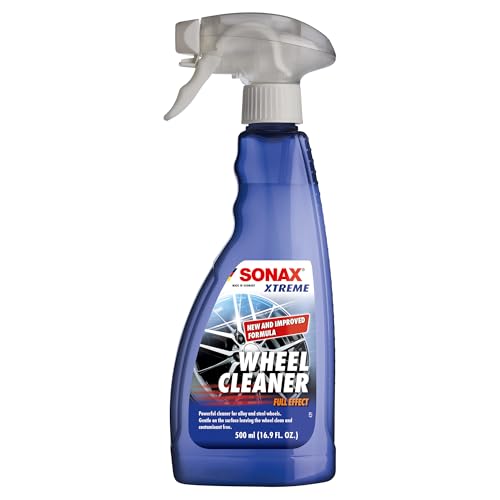
Best for the pH-safe prep wash and ongoing upkeep
- pH-balanced, acid-free formula
- Iron-remover color-change action
- Safe on nearly all finishes
- Clinging gel that stays put
Why buy it: the safest all-round cleaner for prepping bare wheels and for maintaining them once coated — acid-free, so it will not attack the finish or the ceramic layer.
Prices are pulled from Amazon and were accurate as of Aug 22, 2026, 6:54 PM EDT. Product prices and availability are subject to change — the live price is shown on Amazon.