
Affiliate Disclosure
Some links on this page are affiliate links. As an Amazon Associate, we earn from qualifying purchases — at no extra cost to you. We do not buy, test, or physically handle the products we cover; our rankings come from aggregated owner reviews, ratings and expert consensus. Commissions never change our verdicts. How we rank & full disclosure.
Short version: brake dust is hot iron shed from your pads that fuses into the wheel finish, which is why it laughs at a normal wash. Remove baked-on buildup with an iron remover, keep on top of it with weekly cleaning, and — the real fix — coat your wheels so the dust never gets a chance to bond. Do that and you turn a constant battle into a quick rinse.
Brake dust is the reason clean wheels never seem to stay clean. You wash the car, it looks perfect, and three days later the fronts are already gray and grimy again. It is genuinely one of the most frustrating things in car care, and understanding why it sticks is the key to actually beating it instead of just scrubbing forever.
Why Brake Dust Sticks So Hard
Every time you brake, your pads and rotors shed a fine spray of metallic particles — mostly iron. Here is the important part: these particles come off hot. When they land on your wheel, that heat lets them fuse slightly into the finish rather than just resting on the surface like road dirt or mud. Over hours and days, more particles pile on and bond, building the gritty, dark layer that will not brush off.
This is why a normal wash never fully wins. Car shampoo and even wheel cleaner are designed to lift loose grime, and they get most of it — but the bonded iron particles are physically fused to the finish, so the cleaner just skates over them. Run your fingers over a freshly washed wheel that still feels gritty, and that grit is embedded iron. That texture is the tell-tale sign you are dealing with bonded contamination, not surface dirt.
Removing Baked-On Buildup
To pull out bonded brake dust, you need an iron remover — a product with a chemical that specifically reacts with iron and dissolves it. It famously bleeds purple as it works, which is the reaction lifting the particles out of the finish. The process is straightforward: wash the wheel normally first, spray the iron remover, let it dwell and bleed for a few minutes, agitate lightly with a soft brush, then rinse thoroughly. On a neglected wheel the transformation is dramatic. I cover the full method and safety in iron remover for wheels.
The good news is that most quality iron removers are pH-neutral and safe on virtually every wheel finish, so you are not risking your chrome or polished lips the way you would with a harsh acid cleaner. This is the tool that finally gets wheels genuinely clean rather than just surface-clean.
Building a Routine That Keeps It Off
Removing baked-on dust is a rescue mission. The smarter play is a routine that never lets it get baked on in the first place. The single biggest factor is frequency: brake dust that is cleaned off weekly never gets the time to bond, so a quick spray-and-rinse handles it in a couple of minutes. Let it sit for a month and you are back to needing the iron remover.
My weekly wheel routine is simple — rinse, spray an acid-free wheel cleaner, agitate the faces and barrels with dedicated brushes, and rinse. It takes five minutes a corner and prevents the whole problem from compounding. The full step-by-step is in how to clean wheels, and the right brushes make it far faster — see our wheel brushes guide for reaching into spokes and barrels.
The Real Fix: Stop the Bond
Here is the game-changer that most people never try. If you coat your wheels with a ceramic wheel coating, brake dust particles have almost nothing to grab onto. Instead of fusing into the finish, they sit on top of the slick coating, and they rinse away with a fraction of the effort — often just with a hose or during a normal wash before they can ever bond.
A ceramic coating on the wheel does not stop your car from making brake dust — nothing short of changing your pads does that — but it fundamentally changes how the dust behaves. It turns baked-on contamination into loose surface dirt. That is the difference between a ten-minute scrub and a two-minute rinse, week after week. It is a one-time job for months of easier maintenance. I walk through it in protecting wheels with ceramic, and it is genuinely the highest-value thing you can do for your wheels.
A Word on Brake Pads
If you are curious why some cars barely dust and yours coats itself gray, it is largely the pads. Standard semi-metallic pads shed a lot of visible iron dust. Low-dust or ceramic brake pads produce far less, and if you are replacing pads anyway, choosing a low-dust option meaningfully cuts the problem at the source. That said, most people do not swap pads just for cleanliness, and you do not need to — a coated wheel plus a weekly rinse handles even a heavy-dusting car comfortably.
Putting It Together
Beating brake dust is a three-part strategy, not a single product:
- Rescue: use an iron remover to strip baked-on buildup and get back to a truly clean starting point.
- Maintain: a quick weekly wheel wash so dust never has time to bond.
- Protect: a ceramic coating so the dust sits on top and rinses off easily.
Do all three once and you break the cycle for good. Your wheels go from a constant losing battle to one of the easiest parts of keeping the car looking sharp. And clean, protected wheels make everything else — fresh tire dressing included — look ten times better. Stop chasing the dust every wash and set your wheels up so it never gets a grip in the first place.
Recommended Products
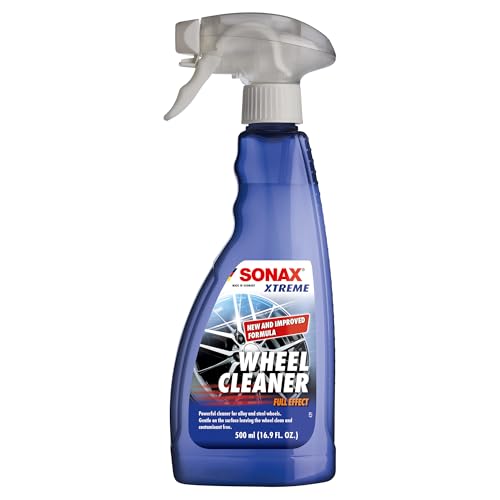
Best for one bottle that handles almost every wheel safely
- pH-balanced, acid-free formula
- Iron-remover color-change action
- Safe on nearly all finishes
- Clinging gel that stays put
Why buy it: an acid-free iron remover that clings, changes color as it works, and rinses filthy wheels clean — the safest all-rounder for baked-on brake dust.

Best for weekly maintenance on a normal daily driver
- Acid-free, all-finish safe
- Thick foaming action
- Great price per ounce
- Gentle enough for weekly use
Why buy it: a fuss-free acid-free foam that grips the wheel and lifts everyday brake dust — the cheapest bottle we trust for regular washes on any finish.

Best for neglected wheels with baked-in iron fallout
- Dedicated iron-fallout remover
- Dramatic purple bleeding action
- pH-neutral and coating-safe
- Dissolves embedded particles
Why buy it: a pure iron remover that dissolves the embedded brake-dust particles most cleaners skate over — the rescue step for wheels let go too long.
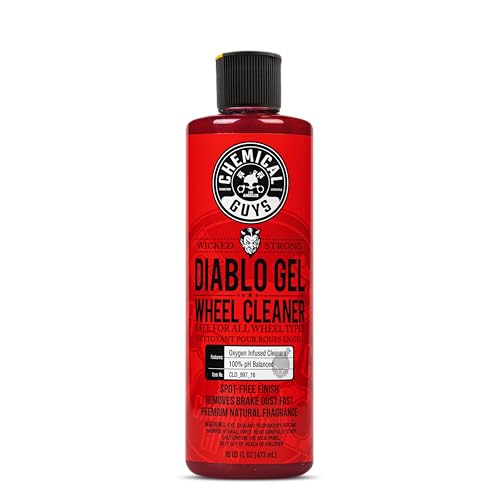
Best for a clinging gel that stretches a long way
- Concentrated, dilutable gel
- Acid-free, all-wheel safe
- Clings to vertical surfaces
- Dozens of washes per bottle
Why buy it: a dilutable acid-free gel that clings to spokes and stretches across dozens of washes — the cheapest gel per wash you can trust.
Prices are pulled from Amazon and were accurate as of Aug 22, 2026, 6:54 PM EDT. Product prices and availability are subject to change — the live price is shown on Amazon.