
Affiliate Disclosure
Some links on this page are affiliate links. As an Amazon Associate, we earn from qualifying purchases — at no extra cost to you. We do not buy, test, or physically handle the products we cover; our rankings come from aggregated owner reviews, ratings and expert consensus. Commissions never change our verdicts. How we rank & full disclosure.
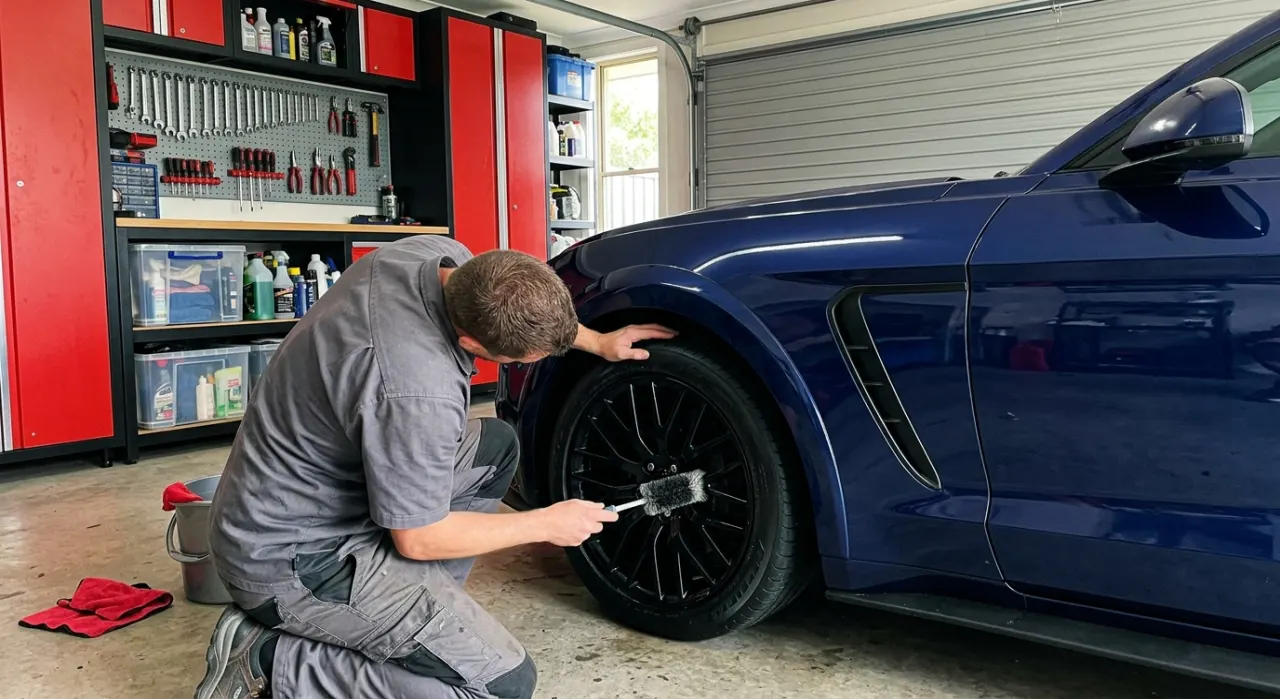
Short version: a wash mitt cannot reach the spokes, lug areas, or the barrel behind your wheel — and using one on wheels contaminates it for your paint. A small set of dedicated wheel brushes fixes both problems. At a minimum you want a soft-face brush for the spokes, a long barrel brush for behind the wheel, and a detail brush for lug nuts. That trio cleans any wheel properly and keeps brake dust off your good mitts.
Here is the thing almost everyone gets wrong about wheels: they clean the face, the part they can see, and completely ignore the barrel — the inside of the wheel behind the spokes. That barrel holds more brake dust than the face does, and it is why wheels can look clean from ten feet and still feel gritty and throw dust back onto the tire days later. The only way to reach it is the right brush.
Why Brushes, Not a Mitt
Two reasons, and both matter. First, geometry: a flat wash mitt or sponge simply cannot get into the tight gaps between spokes, around lug nuts, or into the curved barrel. It smears the surface but leaves the crevices dirty. A brush is shaped to reach those spots.
Second, and more important, cross-contamination. Wheels are coated in abrasive iron particles and brake dust. If you clean your wheels with a mitt and later use that same mitt on your paint, you are dragging metal grit across the clear coat — and that is exactly how swirl marks and micro-scratches happen. Dedicated wheel brushes keep all that grit off your body-wash gear. This is why keeping wheel tools separate is a core rule in every proper wheel cleaning routine.
The Brushes and What Each Does
Here is the full lineup, and what each one is actually for:
- Soft-face wheel brush. Your main brush for the spokes and outer faces. Soft bristles that will not mar the finish, usually with a shape that gets between spokes. This is the one you will use most.
- Barrel brush (long, thin). The most under-owned and most valuable brush. It is long and slim, often with a soft noodle or wire-free design, and it snakes behind the wheel to clean the barrel where the real dust lives. If you buy one specialty brush, buy this.
- Lug and detail brush. A small, stiff-ish brush for getting into lug-nut recesses, around valve stems, and into tight emblem areas. Cleans the fiddly spots the big brushes skip.
- Tire brush (stiff). A separate, aggressive brush for scrubbing the rubber sidewall. You want stiffness here to strip old dressing and browning — but never use this stiff brush on the wheel finish itself.
That set covers everything. You do not need a wall of thirty brushes; you need the right handful.
Soft vs Stiff: Match It to the Surface
The single rule that protects your finishes: soft brushes on wheels, stiff brushes on tires. Wheel finishes — painted, clear-coated, chrome, polished — can be marred by aggressive bristles, so anything touching the wheel face or barrel should be genuinely soft. Tires are rubber and need real aggression to strip baked-on old dressing and browning, so that is where a stiff brush belongs. Mix them up and you either fail to clean the tire or you scratch the wheel. This matters even more on delicate finishes — our wheel cleaner by finish guide covers which surfaces need the gentlest touch.
Using Them Well
A few habits get the most out of your brushes:
- Rinse the wheel first. Knock off loose grit before you brush so you are not grinding sand into the finish.
- Use plenty of cleaner and lubrication. Brushes glide better and mar less when the surface is slick with wheel cleaner. Let the product do the work; the brush just agitates.
- Work the barrel deliberately. Feed the barrel brush all the way in and rotate. This is where the transformation happens.
- Do the tire last with the stiff brush. Strip old dressing so fresh tire dressing bonds to clean rubber.
Keeping Your Brushes From Becoming Scratch Tools
A brush is only safe as long as it is clean. Grit trapped in the bristles turns a soft brush into fine sandpaper, so rinse every brush thoroughly after each use to flush out embedded iron and dust. Let them dry fully — bristles down or hung up — so they do not mildew and any metal parts do not rust. Store them separately from your body-wash bucket and mitts so they never cross-contaminate. Cared for this way, a good set lasts years and stays finish-safe the whole time.
Bristle Materials Explained
Beyond soft-versus-stiff, the bristle material shapes how a brush behaves. Synthetic bristles are the modern default — durable, chemical-resistant, and available in a huge range of softness, they handle wheel cleaners without breaking down and are easy to rinse clean. Boar's hair (natural) brushes are prized for being genuinely soft and gentle, which makes them excellent on delicate faces, spokes, and finishes you are worried about marring, though they wear faster and hold onto grime a little more. Wire-cored barrel brushes should have the wire fully sheathed in soft material so metal never touches your finish — a good barrel brush is soft noodle or coated so it cleans the barrel without scratching it. For most people a set of synthetic brushes covers everything, with a boar's-hair option reserved for the most delicate finishes like polished lips or chrome. Whatever the material, the same rule holds: keep them clean and grit-free, because a contaminated soft brush marrs just as badly as a stiff one.
Where Brushes Fit in the Bigger Picture
Brushes are the tool, but they work best as part of a full wheel strategy. You use them to agitate a quality wheel cleaner (see our ranked picks), and once the wheels are genuinely clean, the smart move is to protect them so cleaning gets easier every time — a ceramic coating means less scrubbing and less brake dust bonding. I cover that in protecting wheels with ceramic. Good brushes plus a good cleaner plus protection is the whole formula for wheels that stay sharp with minimal effort.
The right brushes are cheap, last for years, and are the difference between wheels that look clean and wheels that are clean — barrel, spokes, lugs and all. Buy the soft face brush, the barrel brush, and a detail brush, keep a stiff one for tires, and never let a wash mitt near your wheels again.
Recommended Products
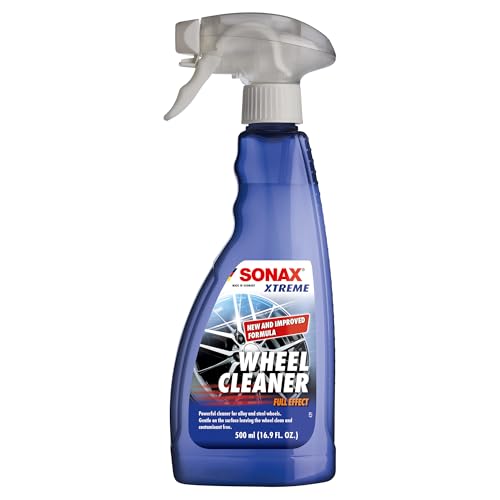
Best for the cleaner your brushes agitate on any finish
- pH-balanced, acid-free formula
- Iron-remover color-change action
- Safe on nearly all finishes
- Clinging gel that stays put
Why buy it: an acid-free iron remover that clings and changes color as it works — let it do the lifting so the brush just agitates instead of scrubbing hard.
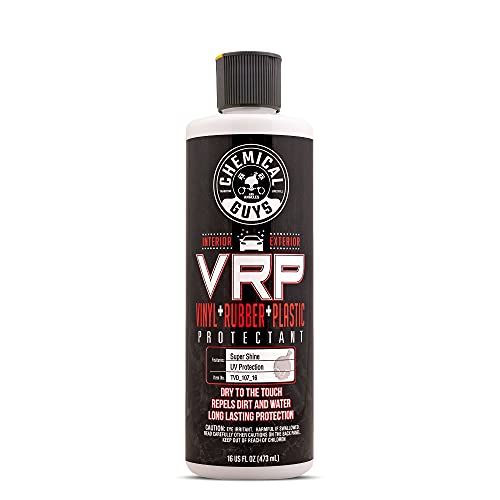
Best for dressing the tire once the stiff brush has stripped it
- Water-based — gentle on rubber and easy cleanup
- Dries to the touch, which keeps it from slinging
- Dial the gloss: buff for satin, layer for a wetter look
- Doubles on wheel-arch plastic and bumper trim
Why buy it: the most-reviewed dressing here — a controllable satin-to-gloss finish that bonds to the clean rubber your stiff tire brush just prepped.

Best for weekly maintenance on a normal daily driver
- Acid-free, all-finish safe
- Thick foaming action
- Great price per ounce
Why buy it: a fuss-free acid-free foam that grips the wheel and lifts everyday brake dust — the cheapest bottle we trust for regular brush-and-rinse cleaning on any finish.

Best for neglected barrels with embedded iron fallout
- Dedicated iron-fallout remover
- Dramatic purple bleeding action
- pH-neutral and coating-safe
Why buy it: a pure iron remover that dissolves embedded brake-dust particles most cleaners skate over — the first step before the barrel brush on heavily contaminated wheels.
Prices are pulled from Amazon and were accurate as of Aug 22, 2026, 6:54 PM EDT. Product prices and availability are subject to change — the live price is shown on Amazon.