
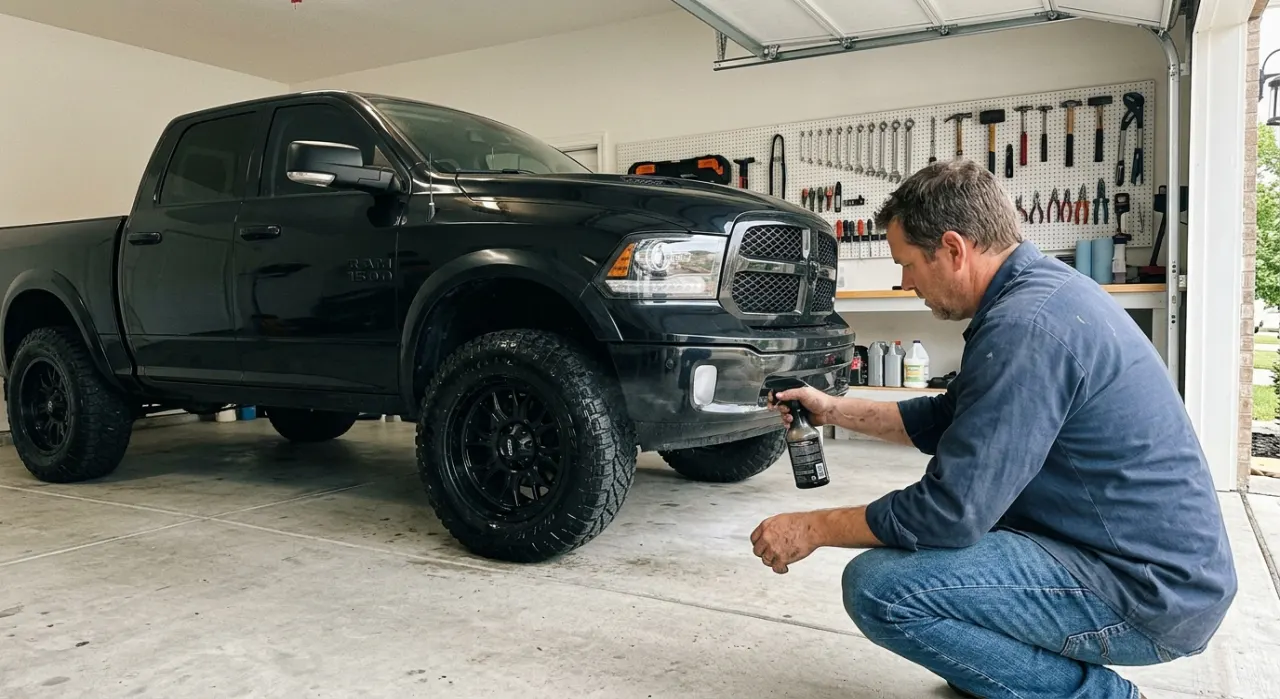
Affiliate Disclosure
Some links on this page are affiliate links. As an Amazon Associate, we earn from qualifying purchases — at no extra cost to you. We do not buy, test, or physically handle the products we cover; our rankings come from aggregated owner reviews, ratings and expert consensus. Commissions never change our verdicts. How we rank & full disclosure.
Short version: iron remover dissolves the bonded metal particles from your brake pads that a normal wheel cleaner cannot touch. The dramatic purple bleeding is just the chemical reaction doing its job. You do not need it every wash — reach for it on deep cleans, neglected wheels, or before applying protection. Most quality iron removers are pH-neutral and safe on nearly every finish, which is why they have largely replaced harsh acid cleaners.
The first time you spray iron remover on a dirty wheel and watch it bleed bright purple, it looks slightly alarming — like the wheel is melting. It is not. That color change is one of the more satisfying things in detailing, because you are literally watching contamination lift out of the finish in real time. Let me explain what is actually happening and when this stuff is worth using.
What Iron Remover Actually Does
Your brake pads shed tiny metal particles every time you slow down. These bits of hot iron land on your wheels and, over time, fuse into the finish. This is what makes brake dust so stubborn — it is not just sitting on the surface like mud, it is bonded to it. A standard wheel cleaner is designed to lift loose grime and light dust, and it does that well, but it cannot break the bond that embedded iron particles form with the finish.
An iron remover uses a chemical that specifically reacts with iron, dissolving those particles so they can be rinsed away. The purple-red color you see is that reaction happening — the more contamination, the more dramatic the bleed. On a genuinely neglected wheel it can look like the whole thing is weeping. On a well-maintained wheel you might see barely any color, which tells you the wheel was already clean.
When You Actually Need One
You do not need to reach for iron remover every wash — that would be overkill and a waste of product. Here is when it earns its place:
- Deep or periodic cleans. Once a month, or whenever your wheels feel gritty after a normal wash. That gritty feel is embedded iron you can feel with your fingertips.
- Neglected wheels. If wheels have gone a long time without proper cleaning, the bonded dust is baked in and only an iron remover will lift it.
- Before applying protection. If you are about to seal or ceramic coat your wheels, they need to be perfectly decontaminated first, or the protection bonds over the grime instead of the finish.
- On stubborn dark specks. Those little dark spots that will not brush off during a normal wheel cleaning are almost always bonded iron.
For everyday maintenance, a good acid-free wheel cleaner handles the job. The iron remover is your specialist tool for the deep work.
How to Use It Properly
Using iron remover well is simple, but a few details make the difference between a great result and wasted product:
- Start clean. Rinse and give the wheel a normal wash first. Iron remover is expensive per ounce, so you do not want it working on surface mud — you want it working on the bonded iron underneath.
- Spray an even coat. Cover the face, spokes, and into the barrel. Work one wheel at a time so it does not dry.
- Let it dwell and bleed. Give it a few minutes. You will see the purple develop. Do not let it dry on the surface — work in shade.
- Agitate. A light pass with a soft wheel brush helps it reach into texture and around lug areas.
- Rinse thoroughly. Flush every trace off the wheel and out of the barrel.
That is the whole process. The reaction does the heavy lifting — your job is mostly to apply it evenly and rinse it fully.
Is It Safe on My Wheels?
This is the best part. Most quality iron removers are pH-neutral, which means they are safe on painted, clear-coated, chrome, polished, and even ceramic-coated wheels. That is a huge advantage over old-school acid wheel cleaners, which are aggressive and can etch or discolor delicate finishes. The pH-neutral formula is precisely why iron removers have become the go-to for decontamination — you get serious cleaning power without the risk. Still, always check the label for your specific product, avoid letting it dry, and rinse fully. If you want to understand what is safe on your particular wheels, our wheel cleaner by finish guide breaks it down finish by finish.
The Same Bottle Works on Paint
Here is a bonus that a lot of people miss: the exact same iron remover works on your paint, and it is a core step in a proper decontamination before waxing or coating. Your paint picks up the same iron fallout your wheels do — from rail dust, industrial fallout, and brake particles from the car in front of you. Washing does not remove it. Spray iron remover on a washed panel, let it bleed, rinse, and you have pulled contamination that would otherwise sit under your fresh wax. Many people do wheels and paint in one session with a single bottle.
Stopping It Coming Back So Fast
Iron remover fixes the problem, but the smarter play is slowing down how fast it returns. Bonded brake dust builds up much faster on bare wheels than on protected ones. A ceramic coating on the wheel gives the iron particles far less to grab onto, so they rinse off during a normal wash before they can bond. It genuinely reduces how often you need to break out the iron remover. I cover the how and why in protecting wheels with ceramic, and there is a whole strategy piece on managing the problem in killing brake dust.
Iron remover is not a gimmick and it is not just for showing off purple photos — it is the tool that pulls out the contamination a normal cleaner physically cannot. Use it periodically, on neglected wheels, and before protecting, and your wheels will look and feel genuinely clean rather than just surface-clean.
Recommended Products
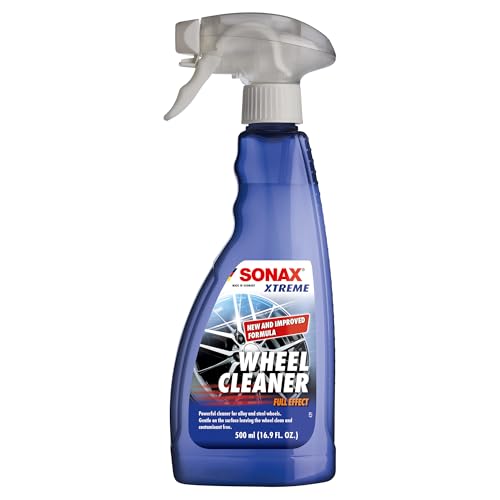
Best for one bottle that handles almost every wheel safely
- pH-balanced, acid-free formula
- Iron-remover color-change action
- Safe on nearly all finishes
- Clinging gel that stays put
Why buy it: an acid-free iron remover that clings, bleeds purple as it works, and rinses filthy wheels clean without scrubbing — the safest all-rounder that still punches above its price.

Best for neglected wheels with baked-in iron fallout
- Dedicated iron-fallout remover
- Dramatic purple bleeding action
- pH-neutral and coating-safe
Why buy it: a pure iron remover that dissolves embedded brake-dust particles most cleaners just skate over — nothing decontaminates heavily contaminated wheels this thoroughly.
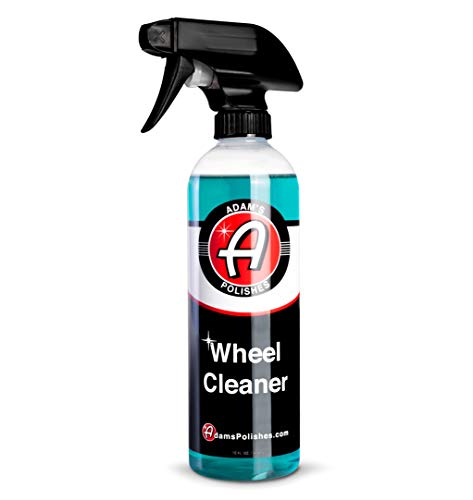
Best for the color-change theater and a polished result
- pH-balanced iron remover
- Vivid color-change reaction
- Gentle on coatings and finishes
Why buy it: a slick, coating-safe iron remover that turns purple as it grabs fallout and leaves wheels genuinely bright — the enthusiast pick when you want performance and a satisfying show.
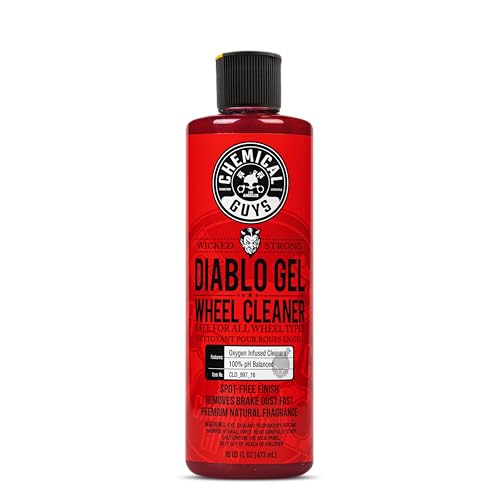
Best for a clinging gel that stretches a long way
- Concentrated, dilutable gel
- Acid-free, all-wheel safe
- Clings to vertical surfaces
Why buy it: a dilutable acid-free gel that clings to spokes and stretches one bottle across dozens of washes — the concentrate makes it the cheapest gel per wash you can trust.
Prices are pulled from Amazon and were accurate as of Aug 22, 2026, 6:54 PM EDT. Product prices and availability are subject to change — the live price is shown on Amazon.