
Affiliate Disclosure
Some links on this page are affiliate links. As an Amazon Associate, we earn from qualifying purchases — at no extra cost to you. We do not buy, test, or physically handle the products we cover; our rankings come from aggregated owner reviews, ratings and expert consensus. Commissions never change our verdicts. How we rank & full disclosure.
Short version: Most "spray polishes" aren't really polishes — they're spray sealants and gloss enhancers with fillers that mask light swirls and add shine, not abrasives that remove defects. That makes them fantastic for fast maintenance shine and light protection between proper details, and disappointing if you bought one expecting it to correct swirls. Know what it actually is and it's a genuinely useful bottle. Expect miracles and you'll be let down.
The name is the problem
Let's clear up the confusion that causes most of the disappointment: the word "polish" on a spray bottle usually doesn't mean what you think. A true polish contains abrasives that physically remove clear coat to erase swirls and scratches. The overwhelming majority of spray products labeled "polish" contain little or no abrasive. Instead they're loaded with gloss-boosting oils, fillers and often light sealant polymers. They make paint look better instantly by filling and enhancing — but they correct almost nothing.
So when someone sprays one on their swirled hood, wipes it off, and the swirls are still there in sunlight, they feel cheated. The product did exactly what it was designed to do — it just wasn't designed to do what the name implied. Understanding that upfront changes everything about whether it's "worth it."
What spray polishes actually do
Judged for what they really are — enhancement and maintenance sprays — they do several things genuinely well:
- Boost gloss fast. The oils flow into the surface and add a wet, glossy pop in seconds.
- Mask fine swirls temporarily. Fillers flow into shallow marring so it's less visible — until the next wash.
- Add slickness and water beading. Many include sealant polymers that make paint feel slick and shed water.
- Top up existing protection. A quick coat refreshes the slickness and beading of your wax or sealant between full applications.
All of that with no machine, no pads, no cleanup — just spray a panel, spread with one microfiber, buff with another. For maintenance, that convenience is the whole appeal.
Where spray polish shines
There's a real, useful place for these in a detailing routine:
- Post-wash wipe-down. Mist the car after drying to add gloss and slickness in a couple of minutes.
- Between full details. Keep the paint looking sharp without doing a full polish or wax every time.
- Quick refresh before an event. Fast gloss boost when you don't have time for correction.
- Newer or well-maintained paint. If your paint is already in good shape, an enhancement spray keeps it looking its best with minimal effort.
For a daily driver you want looking clean and glossy with low effort, a good spray polish or spray sealant earns its place on the shelf.
Where they disappoint
They fall flat the moment you expect actual correction:
- They won't remove swirls or scratches. They hide light marring temporarily; the defects return after washing.
- They won't fix oxidation or dullness in any lasting way — those need real abrasive polishing.
- The masking is short-lived. Filled swirls reappear once the fillers wash off, often within a wash or two.
- Protection is typically shorter than a dedicated wax or sealant.
If your paint genuinely needs correcting — visible swirls under sunlight, hazy dead finish — no spray will fix it. That's a job for a proper polish on a pad, by hand or machine. Our how to polish a car guide covers doing it right, and removing swirl marks tackles the exact problem people wrongly hope spray polish will solve.
How they compare to real polish and glaze
It helps to slot spray polish into the wider lineup. A true polish removes defects permanently. A glaze fills and masks defects with oils but stays on the paint (until washed) for a show shine. A spray polish is essentially a thinner, sprayable cousin of a glaze or a quick detailer, often with light sealant thrown in — quick, convenient, cosmetic. None of the filling products correct anything. If you want the full breakdown of what actually cuts versus what just hides, see our compound vs polish vs glaze guide — it makes the distinction crystal clear.
Getting the most from one
If you do buy one, use it for what it's good at:
- Work on clean, dry paint in the shade — spraying over grit just drags dirt around.
- Do one panel at a time. Mist lightly, spread with a clean microfiber, then buff to a gloss with a second dry one.
- Use it as a top-up, not a replacement for periodic proper polishing and protection.
- Don't oversaturate — a light misting is plenty. Too much just smears and streaks.
The honest verdict
Is spray polish worth it? Yes — as long as you buy it for the right reason. As a fast, no-machine way to boost gloss, add slickness and keep well-maintained paint looking sharp between details, it's a genuinely handy product. As a swirl remover or paint corrector, it's a shortcut that will disappoint you every time, because that was never what it does. Match your expectations to reality: use spray polish for maintenance and enhancement, and reach for a real polish when the paint actually needs fixing. If that's where you're at, our top car polish picks point you to products that genuinely correct.
Recommended Products

Best for gloss and light-swirl removal when a spray won’t cut it
- Glaze-rich finishing polish
- Removes light swirls
- Deep, wet-look gloss
- Works by hand or machine
Why buy it: stunning gloss and genuine light-swirl removal by hand or DA for about $13 — the real polish a spray only pretends to be.

Best for heavier swirls and scratches
- Strong cut
- Still finishes well
- Cheap and widely available
- Great paired with Ultimate Polish
Why buy it: the cutting partner for the deeper swirls and scratches no spray or glaze will ever touch.

Best for one-step correction
- Cuts and finishes in one step
- Good on light-medium defects
- Low dust
- Speed over perfection
Why buy it: one-and-done correction when you want to actually remove defects fast rather than just hide them.
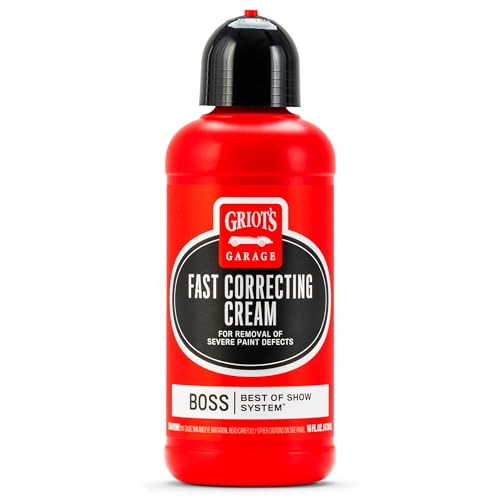
Best for machine polishing on a dual-action
- Excellent on a dual-action
- Consistent cut
- Good gloss
- Low dust
Why buy it: superb, consistent results on a DA polisher — the step up when you’re ready to correct paint properly, not just enhance it.
Prices are pulled from Amazon and were accurate as of Aug 22, 2026, 6:54 PM EDT. Product prices and availability are subject to change — the live price is shown on Amazon.