
Affiliate Disclosure
Some links on this page are affiliate links. As an Amazon Associate, we earn from qualifying purchases — at no extra cost to you. We do not buy, test, or physically handle the products we cover; our rankings come from aggregated owner reviews, ratings and expert consensus. Commissions never change our verdicts. How we rank & full disclosure.
The short version: wet capability is the one thing no handheld car vacuum can fake. A spilled drink, a leaking window seal, salt-laden snowmelt or a wet dog turns a dry-only vacuum into a paperweight — or a broken one. Ranked across tens of thousands of owner reviews, our #1 is the Vacmaster VQ607SFD, a stainless six-gallon machine built for liquid rather than tolerating it. The CRAFTSMAN 2.5-gallon is the value pick, and the BISSELL Little Green is the answer when the liquid has already soaked in.
This page is about liquid. For the dry-power ranking of the same broad category see best shop vac for car detailing; for purpose-built corded machines see best car detailing vacuum; and the general all-purpose ranking lives at best car vacuum.
Top Picks at a Glance
Why the Vacmaster VQ607SFD Is Our #1 for Wet Work
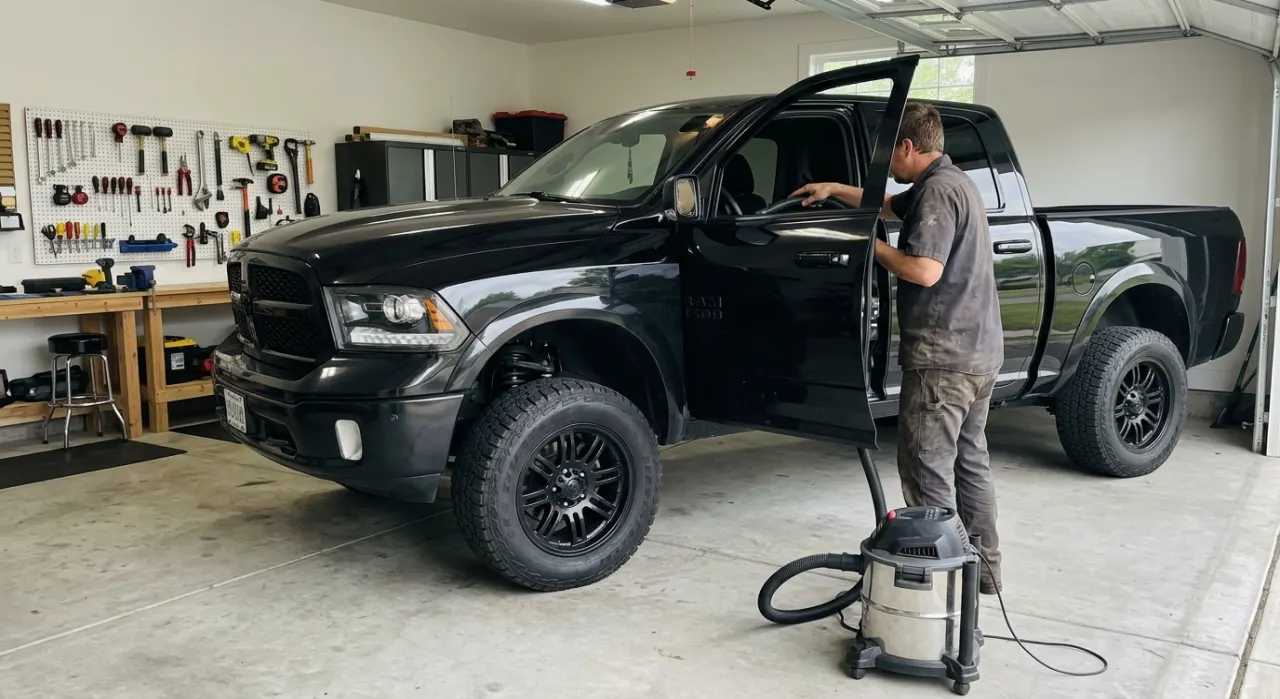
Plenty of shop vacuums are technically wet-capable. Far fewer are pleasant to actually use that way twice a month, and the difference comes down to three unglamorous details: what the drum is made of, how the filter comes out, and how you get the water back out again.
The VQ607SFD gets all three right. The stainless tank is the headline — a plastic drum survives water fine, but a painted steel one rusts around the seam within a season if you leave standing liquid in it, and owners report exactly that on cheaper machines. Stainless means the inevitable day you forget to empty it costs you a smell rather than a hole. The cartridge filter lifts straight out, which sounds trivial until you consider that the single most common way people destroy a wet/dry vac is running it wet with the dry filter still fitted. Low friction on that swap means it actually happens. And the tip-and-pour design means emptying six gallons does not require finding a floor drain.
Owners consistently praise the raw pull as well — three peak horsepower moves enough air that it picks liquid up rather than pushing it around, and it is equally happy doing dry work with the cartridge back in. The honest limits: it is a full-size shop vacuum, so it is bulky in a small garage, it is loud in the way all of these are, and the stock hose and nozzles are sized for a workshop rather than a footwell. Budget twenty dollars for a small car-detailing nozzle set — the options are ranked in best car vacuum attachments — and it becomes a genuinely excellent car machine.
The Best Wet/Dry Vacs for Cars, Ranked

Best for liquid pickup you can do weekly without wrecking the machine
- Stainless tank will not rust from standing water
- 3 peak HP motor, 6-gallon capacity
- Drain-free tip-and-pour emptying
- Cartridge filter lifts out for wet work
Why buy it: wet vacuuming punishes cheap machines — a stainless drum and a filter designed to come out mean you can suck up a spilled drink today and not find rust and mildew next month.

Best for occasional spills without giving up a garage corner
- 2.5 peak HP in a 2.5-gallon body
- Wet nozzle and hose supplied
- Blower port for drying crevices
- Light enough to carry one-handed
Why buy it: small tanks fill fast on liquid, but for the two or three genuine wet incidents a year most drivers have, this is all the machine you need and it stores on a shelf.

Best for wet and fine-dust work from the same machine
- 5.0 peak HP, best-in-class airflow
- Qwik Lock filter swaps in seconds
- Rear blower port and integrated hose storage
- Built to take a professional workload
Why buy it: the fast filter change is what makes it good at both jobs — pull the pleated cartridge for wet work and drop it back for dust in under ten seconds, which is the friction that stops most people doing it properly.
Best for soaked-in stains a vacuum can only skim
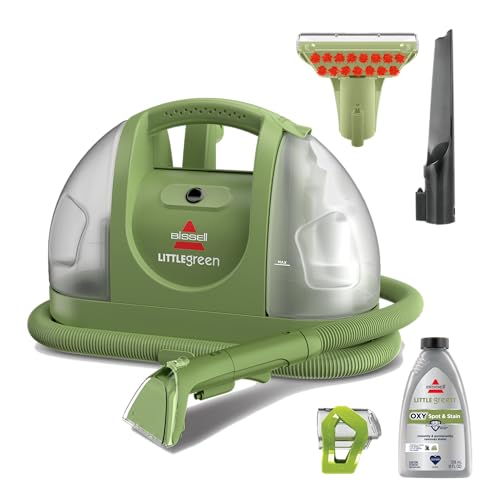
- Sprays, scrubs and extracts in one pass
- 48 oz clean tank, separate dirty tank
- Powered stain tool sized for seats
- Handles upholstery, carpet and floor mats
Why buy it: a wet/dry vac removes standing liquid; an extractor removes what soaked in. For coffee, milk, salt stains and pet accidents, this is the machine that actually finishes the job.

Best for the cheapest honest wet capability in a car-sized body
- 2 peak HP with a 2.5-gallon drum
- Car-oriented nozzle set included
- Blower function for drying vents
- 10 ft cord plus 6 ft hose
Why buy it: it is built and priced for car owners rather than contractors, and for a spilled soda or a wet footwell after a rainstorm that is exactly the right amount of machine.

Best for snowmelt, flooded footwells and genuine volume
- 6-gallon stainless drum, 4 peak HP
- Drain port instead of tipping a full tank
- Blower port and on-board tool storage
- Handles standing water without a bag
Why buy it: when the problem is volume — melted snow in the footwells, a leaking sunroof, a cooler that tipped over — a six-gallon drum with a drain is worth more than any suction figure.
Prices are pulled from Amazon and were accurate as of Aug 22, 2026, 6:44 PM EDT. Product prices and availability are subject to change — the live price is shown on Amazon.
How to Choose a Wet/Dry Vac for a Car
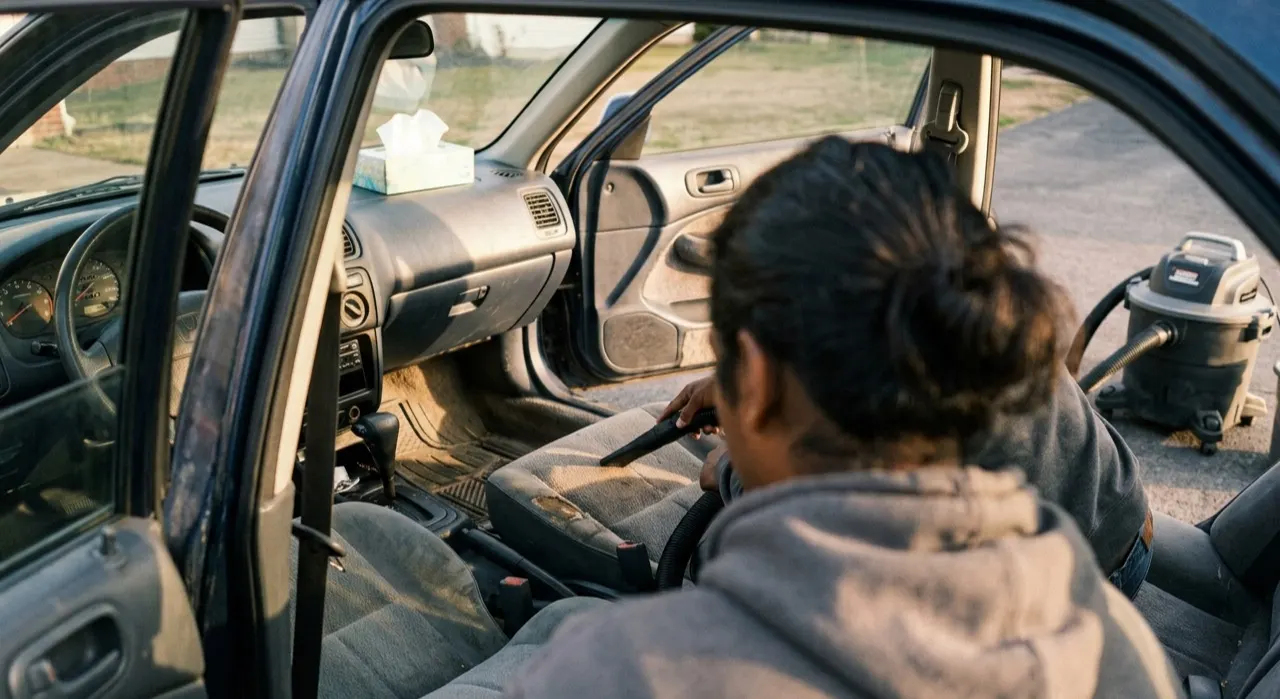
Decide first what kind of wet you actually have. Standing liquid — a knocked-over drink, meltwater in a footwell mat, water that came in through a bad seal — is a suction problem, and any competent wet/dry vac handles it. Soaked-in liquid, where the moisture is gone but the stain and the smell remain, is a chemistry and extraction problem, and only a machine that sprays and re-collects solution will finish it. Buying the wrong one of those two is the most common mistake on this page.
Then size the tank honestly. Liquid is heavy and fills volume fast: two and a half gallons is roughly a large spilled soda plus the rinse water, and it is at the limit of what one person wants to carry when full. Six gallons handles a genuinely flooded footwell or a winter's worth of snowmelt, but it needs a drain port unless you enjoy wrestling fifty pounds of water. If your tank has no drain, size down.
Look at the filter changeover next. Machines differ enormously in how much of a chore this is — some pop a cartridge off a bayonet in five seconds, others need you to unscrew a retaining plate and fight a foam sleeve on. That friction determines whether you do it, and doing it determines whether the machine survives.
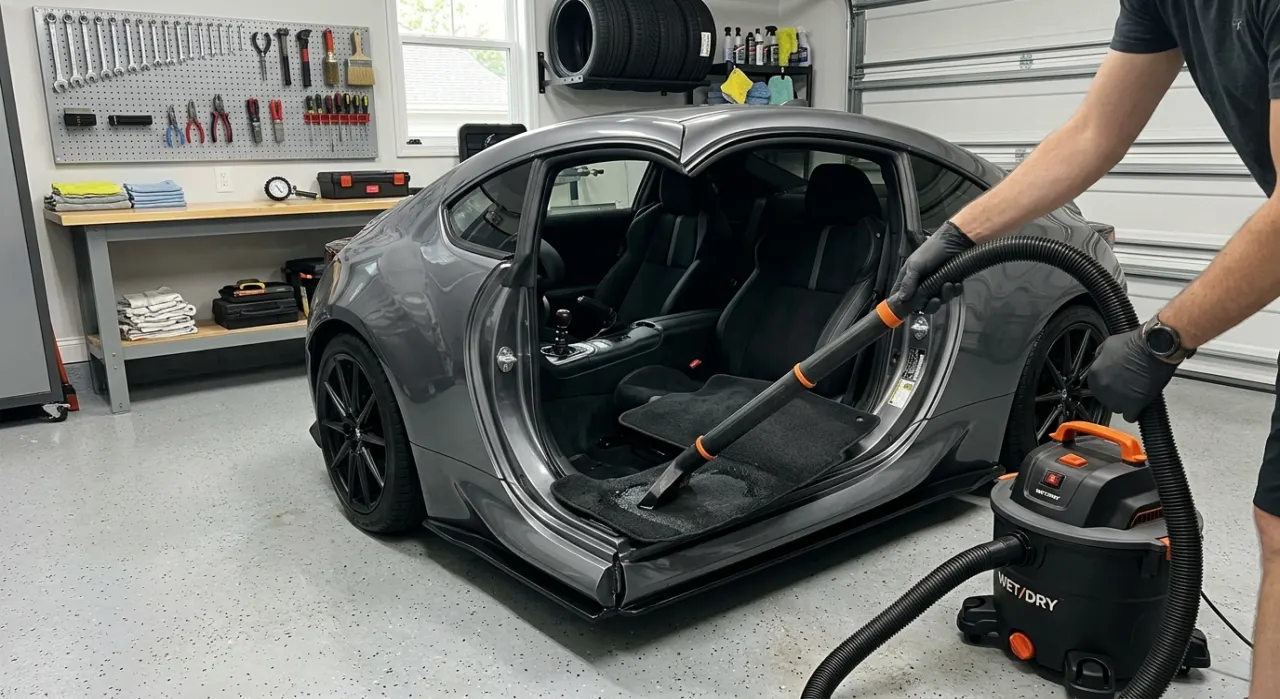
Finally, check the nozzles. Nearly every shop vacuum ships with a wide floor tool and a big crevice nozzle, both of which are useless between a seat and a console. A small wet nozzle with a squeegee lip is what you want for upholstery, and a slim crevice tool for the seat rails. Assume you will buy those separately.
Wet/Dry Specs Decoded
Peak HP is a marketing figure measured at motor stall, not a continuous rating. It is only useful for comparing machines within the same brand's lineup. Airflow in CFM and sealed suction in inches of water lift are the honest numbers, and few brands publish both.
Water lift — quoted in inches — is the most relevant single spec for wet pickup, because it describes how high the machine can raise a column of water. Anything above about 50 inches will pull liquid out of upholstery foam with slow passes.
Tank material. Stainless resists rust and cleans easily; polypropylene will not rust at all but scratches, stains and eventually goes brittle; painted steel is the one to avoid for regular wet use.
Drain port vs. tip-and-pour. A threaded drain lets you empty into a floor drain or a bucket with the machine on the ground. Tip-and-pour is fine at two and a half gallons and unpleasant at six.
Blower port. Almost universal on these machines and genuinely useful after wet work — reversing the airflow blows standing water out of seat seams and dries crevices far faster than a towel. That secondary use is ranked in detail in best car vacuum and blower.
Common Mistakes with Wet Pickup
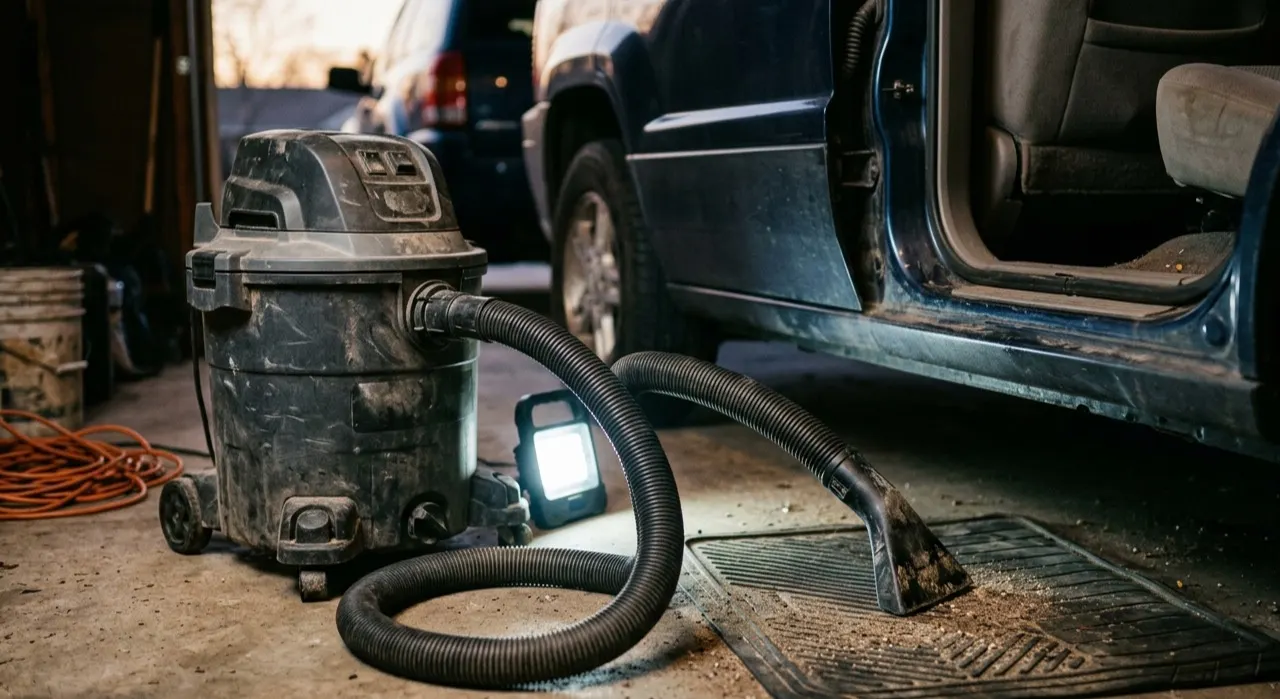
Running wet with the dry filter fitted. The single fastest way to destroy a shop vacuum. Pull the pleated cartridge, fit the foam sleeve, then start.
Leaving water in the drum. Empty and dry the same day. A sealed tank of dirty water becomes genuinely offensive within two days, and the hose holds water too.
Soaking the carpet to clean it. Car carpet sits on a jute or foam backing over sheet metal. Over-wet it and the water goes under the pad where no vacuum reaches, and you get mold and a smell that outlasts the stain. Use the minimum solution, extract twice, then dry with airflow.
Skipping the blot. Blot the bulk of a fresh spill with a towel before you reach for a machine. Every ounce you take out with cotton is an ounce you do not have to extract.
Not drying afterwards. Leave doors open, run the fan, or use the blower port. Damp upholstery in a closed car is how a small spill becomes a permanent odor problem — the chemistry side of that is covered in the interior detailing hub.
How We Rank
We do not have a lab or a test vehicle, and we have not deliberately flooded a footwell to time these machines. This ranking aggregates owner ratings and review volume across tens of thousands of buyers, weighted toward reviews written months or years into ownership, because wet-vacuum failure modes are slow ones — rust, smell, a filter destroyed once and never replaced. Four criteria carry the most weight. Tank material and how it ages with regular liquid. Filter changeover friction, since a difficult swap means people skip it and wreck the machine. Emptying and draining, which decides whether water gets dealt with or left. And car-appropriate reach — whether the supplied nozzles are usable in an interior or purely a workshop proposition. We cross-check against published specs and the consensus among detailers who do wet extraction commercially. Prices were current at the time of writing.
The Verdict
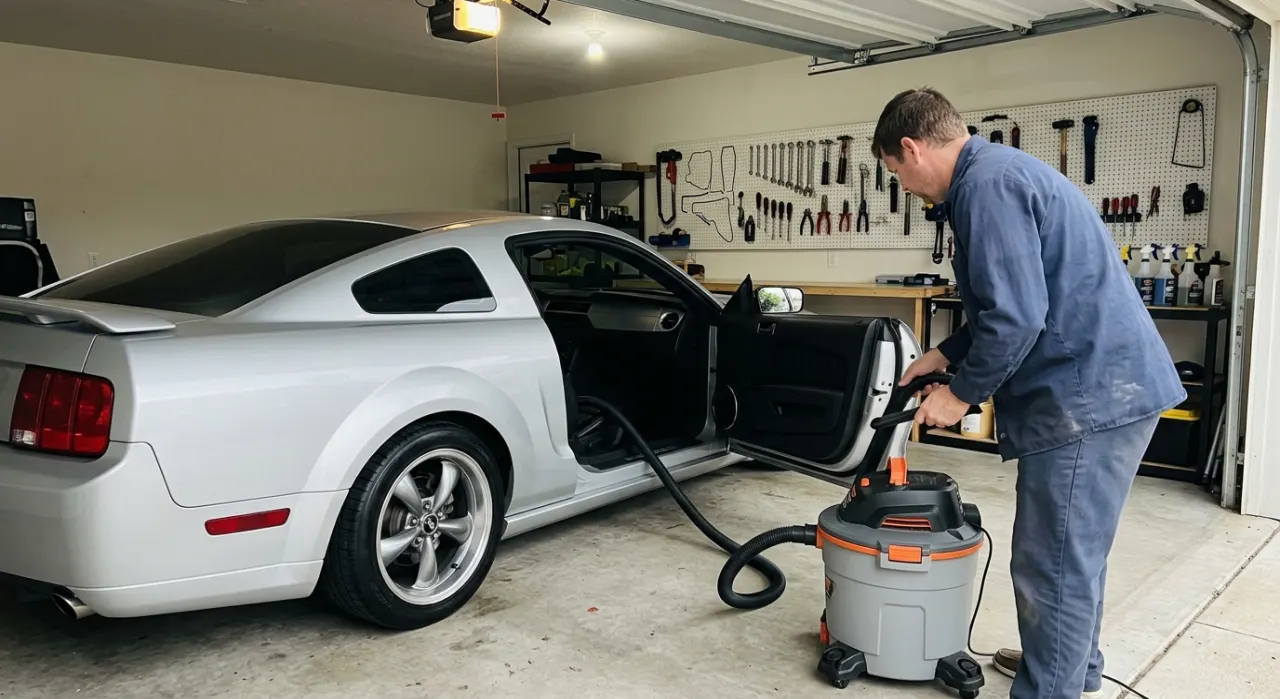
Buy the Vacmaster VQ607SFD if wet pickup is a regular part of your life — dogs, kids, snow country, a leaking sunroof — because it is built to be used that way rather than merely rated for it. Buy the CRAFTSMAN 2.5-gallon if you have two or three incidents a year and want the machine to disappear onto a shelf in between. Buy the STANLEY SL18116P if your problem is volume and you want a drain port. And if the liquid has already dried and left a mark, no shop vacuum will fix it — you want the BISSELL Little Green instead. Whatever you choose, the everyday dry work is still better handled by something lighter: see best handheld car vacuum, and stop the wet reaching the carpet at all with proper winter floor mats.
Quick Comparison
Vacmaster VQ607SFD 6-Gallon Stainless Wet/Dry Vacuum
Best for liquid pickup you can do weekly without wrecking the machine
Best Value
CRAFTSMAN CMXEVBE17250 2.5-Gallon Wet/Dry Shop Vacuum
$49.99 · Check Price on Amazon
Best Premium
RIDGID WD4070 4-Gallon NXT Wet/Dry Vac (5.0 Peak HP)
Check Price on Amazon
Best for Carpet Extraction
BISSELL Little Green Multi-Purpose Portable Carpet Cleaner (1400B)
$109.99 · Check Price on Amazon
Best for Small Spills
Armor All AA255 2.5-Gallon Wet/Dry Utility Vacuum
$72.40 · Check Price on Amazon
Best Tank Capacity
STANLEY SL18116P 6-Gallon Wet/Dry Vacuum (4 Peak HP)
$49.99 · Check Price on Amazon
Prices are pulled from Amazon and were accurate as of Aug 22, 2026, 6:44 PM EDT. Product prices and availability are subject to change — the live price is shown on Amazon.