
Affiliate Disclosure
Some links on this page are affiliate links. As an Amazon Associate, we earn from qualifying purchases — at no extra cost to you. We do not buy, test, or physically handle the products we cover; our rankings come from aggregated owner reviews, ratings and expert consensus. Commissions never change our verdicts. How we rank & full disclosure.
Short version: An engine bay detailing kit is a convenience purchase. If you are starting from zero it saves you time, matches the tools to the job, and gets you everything in one box. If you already own detailing brushes, microfiber, and a general degreaser, you are mostly paying for a dressing and a couple of brushes you could buy cheaper on their own. Below I break down what a good kit actually contains, when the bundle wins, and when you should just build it yourself.
What a real kit contains
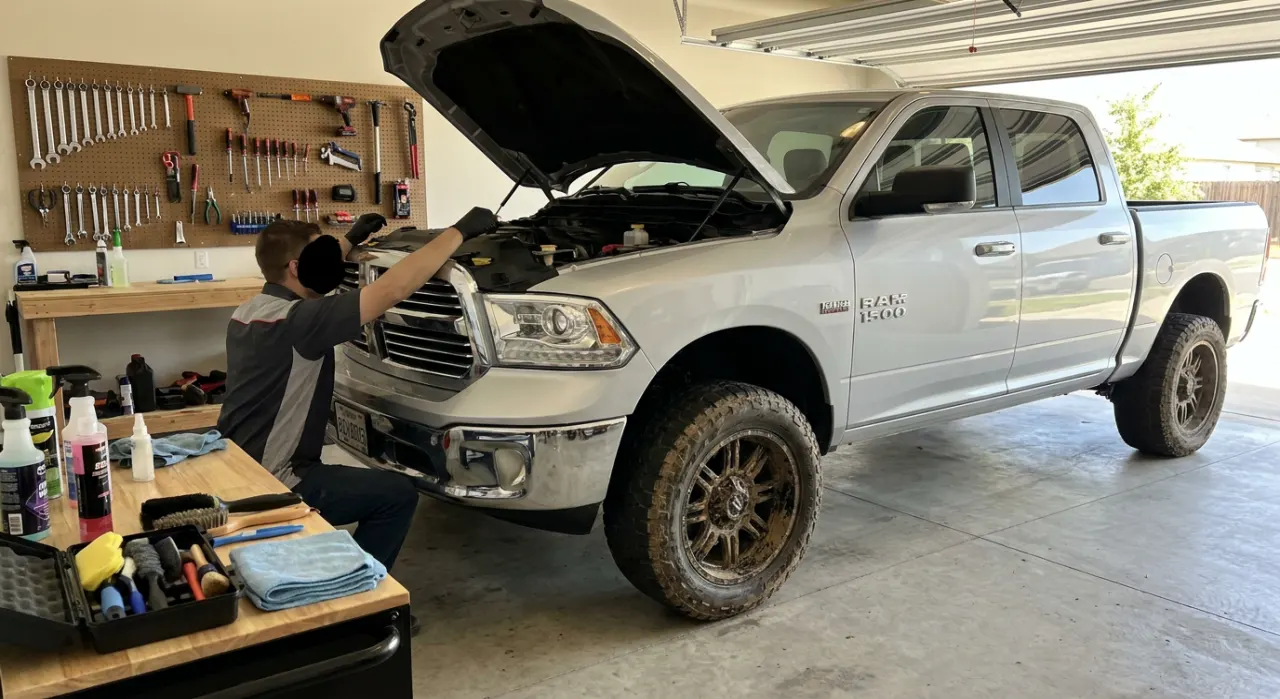
Engine bays are their own little environment. The grime is greasier, the surfaces are more delicate, and the spaces are tighter than anywhere on your paint. A kit built for this job should include:
- A degreaser. The workhorse. It breaks down the oily film that builds up on the block, covers, and hoses. This is the single most important item, and the difference between a good and bad one is night and day.
- Detailing brushes in a couple of sizes. A stiffer brush for baked-on grime and softer, longer brushes for delicate plastics and deep, awkward gaps around connectors.
- A dressing. The finishing product that brings the plastics and hoses back to a clean satin instead of a chalky gray.
- Microfiber towels. For drying and for buffing off the dressing.
- Sometimes an applicator or foam pad for laying dressing down evenly in tight spots.
If a bundle is missing the degreaser or the dressing, it is not really an engine bay kit, it is a brush set with good marketing.
When buying a kit makes sense
I recommend a pre-built kit in three situations.
You are starting from nothing. If you do not already own detailing brushes or a proper degreaser, a kit is genuinely the easiest and often cheapest route. Everything is sized and matched for the job, you make one purchase, and you are not standing in an aisle guessing which brush stiffness you need.
You want it to just work. A good kit pairs a degreaser and a dressing that are designed to work together. That takes the guesswork out of chemistry. You degrease, you rinse, you dress, and the finish looks right because someone already figured out the combination.
It is a gift or a starter setup. Kits make a genuinely good gift for someone getting into detailing, because they get a complete, working setup without having to research every single item.
When to build your own instead
If you already detail your car, you probably own most of a kit without realizing it. Here is the honest math: microfiber towels, you have them. A general-purpose degreaser or all-purpose cleaner, you likely have that too. Detailing brushes, maybe. In that case, buying a full kit means paying again for things sitting in your garage.
Building your own also lets you pick a better dressing. Kit dressings are usually fine but rarely the best available, and the dressing is what people actually see. My typical build-your-own list for someone who already details:
- A dedicated engine or trim degreaser if your all-purpose cleaner is not cutting the grease.
- One or two long detailing brushes you keep only for the engine bay.
- A quality water-based dressing, which we cover in depth in our engine bay dressing guide.
- Microfiber you already own, kept separate from your paint towels.
That build usually costs less than a mid-tier kit and gives you better results, because you chose each piece on merit.
One rule that matters more than the kit
Whichever route you go, dedicate your engine brushes to the engine. Grease works its way deep into bristles and never fully washes out. If you then take that same brush to your paint or wheels, you are dragging oily residue across surfaces you just cleaned. Mark your engine brushes, store them separately, and never let them touch bodywork. This single habit prevents more damage than any product choice.
The degreaser carries the kit
If you take one thing from this, let it be this: the degreaser is the part of the kit that determines whether the whole job is easy or miserable. A weak degreaser means scrubbing twice as hard and still leaving film. A strong, engine-safe one lets you spray, agitate lightly, and rinse. Whether you buy a kit or build one, do not cheap out here. We rank the current front-runners across thousands of owner reviews in our engine degreaser picks, and that is the first place I would spend money.
Putting the kit to work
A kit is only as good as the technique behind it. The tools do not know that your intake and battery need protecting, so before you spray anything, read what to cover in the engine bay. Then follow the full sequence in how to clean an engine bay, which walks through cover, degrease, agitate, rinse, dry, and dress in the right order. The kit gives you the ingredients. The routine is the recipe.
The bottom line
Buy the kit if you are starting fresh, want a matched degreaser-and-dressing combo, or need a clean gift for a car person. Build your own if you already detail and just need to fill a gap or two, because you will spend less and get a better dressing. Either way, put your money into the degreaser first, keep your engine brushes separate from your paint tools, and follow a proper routine. The tools matter less than knowing how to use them.
Recommended Products
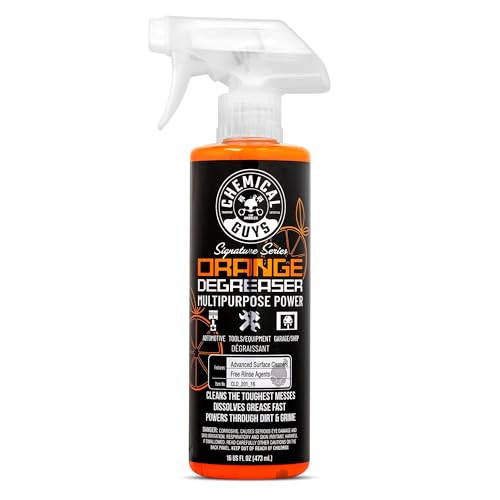
Best for most engine bays and general degreasing
- Citrus-based, cuts grease without harsh fumes
- Dilutable — one bottle stretches a long way
- Safe on painted metal, plastic and rubber
- Rinses clean without greasy residue
Why buy it: the degreaser that carries any kit — strong enough for a filthy bay, gentle enough that your plastics are safe.
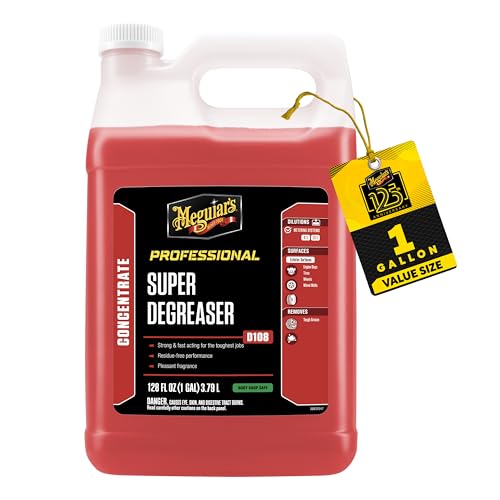
Best for dilutable pro-grade cleaning
- Highly concentrated — dilutes to taste
- Professional-strength on baked-on grime
- Versatile across the whole car
- Excellent cost-per-use once diluted
Why buy it: dilute it strong for a nasty bay or weak for general use — one bottle does the work of several.

Best for one cleaner for everything
- Non-toxic, biodegradable formula
- Dilutable for engine bays or household use
- Very widely available and inexpensive
- Low-fume and gentle on hands
Why buy it: the jack-of-all-trades — dilute it right and it degreases a bay perfectly, then cleans the rest of the garage.

Best for neglected, filthy, decades-of-grime bays
- Aggressive solvent-based cut
- Clings to vertical surfaces while it works
- The old-school standard for filthy engines
- Aerosol reaches tight spots
Why buy it: the heavy artillery for a first deep clean — nothing here shifts years of baked-on grease faster.
Prices are pulled from Amazon and were accurate as of Aug 22, 2026, 6:54 PM EDT. Product prices and availability are subject to change — the live price is shown on Amazon.