
Affiliate Disclosure
Some links on this page are affiliate links. As an Amazon Associate, we earn from qualifying purchases — at no extra cost to you. We do not buy, test, or physically handle the products we cover; our rankings come from aggregated owner reviews, ratings and expert consensus. Commissions never change our verdicts. How we rank & full disclosure.
The short version: the MAF sensor measures intake air so the ECU can meter fuel — and because everything depends on its accuracy, two rules matter. First, try cleaning it before you replace it: a dirty sensor (read low, lean codes, rough running) is far more common than a truly failed one, and a dedicated MAF cleaner often fixes it for free. Second, if you do replace it, buy OE-grade — cheap no-name MAFs are notorious for reading inaccurately and causing the very problems you are trying to cure. Our overall pick is the Denso, an OE supplier; as always, confirm the exact part number for your engine.
Top Picks at a Glance
Our #1 Pick: Denso MAF Sensor
The Denso MAF sensor takes the top spot because it is OE-grade where it counts: Denso is a factory sensor supplier, and its MAF sensors are calibrated to read accurately, which is the entire job. An accurate sensor restores correct fueling and clears the rough idle, hesitation and lean codes a bad MAF causes; an inaccurate one creates them. It earns the pick on that accuracy and reputation, with the standard caveat: MAF sensors are engine-specific, so confirm the exact Denso number for your car. But before you buy anything — see the cleaning section below, because your sensor may just be dirty.
Best Mass Air Flow Sensors 2026: The Ranked Field

Best for OE-grade accuracy that restores proper fueling
- OE-supplier sensing element
- Accurate airflow measurement
- Direct-fit for its applications
- Trusted long-term reliability
Why buy it: the MAF sensor owners trust to actually fix the problem — OE-grade accuracy from a factory supplier, so long as you confirm the number fits your engine.

Best for General Motors vehicles wanting OE fit
- GM Original Equipment
- Calibrated for GM applications
- Precise, reliable readings
- Direct OE replacement
Why buy it: the GM Original Equipment sensor owners of Chevy/GMC choose for exact calibration — the factory part in the specific number for your engine.

Best for many imports where Hitachi is the OE sensor
- OE-supplier for many imports
- Accurate hot-wire sensing
- Precise fit and calibration
- High build quality
Why buy it: the OE-grade sensor import owners rely on — Hitachi supplies many factory MAFs, so it restores accurate fueling, in the number your engine specifies.
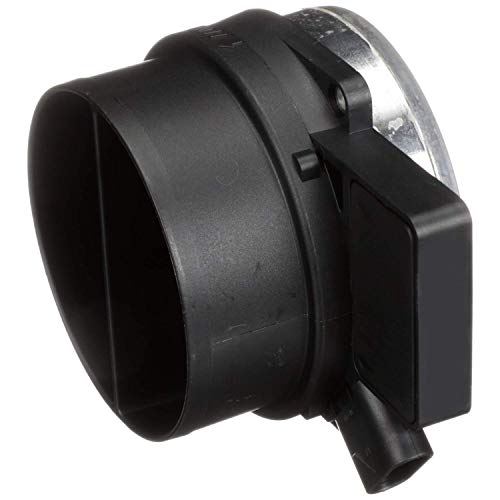
Best for quality sensing at a lower price
- OE-supplier engineering
- Quality sensing element
- Good temperature performance
- Strong value
Why buy it: the value sensor owners buy from a genuine OE supplier — accurate airflow measurement for less, in the correct fitment for your car.

Best for another OE-grade Hitachi application
- OE-supplier hot-wire sensor
- Accurate, stable readings
- Precise fit
- Reliable long-term
Why buy it: another OE-grade Hitachi sensor for a different range of imports — the same accurate sensing, in the specific number matched to your engine.
Best for common Nissan/Infiniti-family applications
- OE-grade sensing element
- Direct fit for its applications
- Accurate airflow reading
- Trusted import OE brand
Why buy it: the OE-grade Hitachi sensor for common Nissan-family engines — restores factory-accurate fueling, in the exact number for your vehicle.
Clean It First (It’s Often Just Dirty)
This is the advice that saves the most money. The MAF’s delicate hot-wire or hot-film element collects dust and oil film over time — especially if an over-oiled aftermarket air filter is used — and a fouled element reads low, causing lean codes (P0171/P0174) and rough running that look exactly like a failed sensor. Before replacing anything, clean it with a dedicated MAF sensor cleaner (never brake or carb cleaner, which can damage the element): spray the wire/film gently without touching it, let it dry completely, and reinstall. Many "bad MAF" symptoms vanish after a proper cleaning. Only replace the sensor if cleaning does not fix it and testing confirms a genuine fault.
Why OE-Grade Matters Here
The MAF is a precision measuring device, and this is a category where cheap parts genuinely backfire. A bargain no-name sensor that reads even slightly inaccurately feeds the ECU wrong data and causes the exact driveability problems — rough idle, hesitation, lean/rich codes — you were trying to fix, sometimes worse than the original. Mechanics widely warn that cheap aftermarket MAFs frequently read inaccurately or fail early. That is why the picks here are OE and OE-supplier brands (Denso, Hitachi, Bosch, ACDelco, Delphi), which are calibrated to spec. Spending a little more avoids chasing new problems and doing the job twice.
Confirm It’s Actually the MAF
Read the code and check live data before condemning the sensor. A P0171 lean code can come from a dirty or failing MAF — but also from a vacuum leak, low fuel pressure, or an exhaust leak, so a MAF-related code does not automatically mean a bad MAF. Use a scanner to view the MAF’s live airflow reading (grams per second) and compare it to the expected value at idle and under load; clearly low or erratic readings point to the sensor. Clean the MAF, check for intake/vacuum leaks (a smoke machine helps), and verify fuel pressure first. Confirm the fault, then fix it.
Related Air & Fuel Maintenance
A clean intake keeps the MAF happy — see the best engine air filter guide (and mind over-oiling reusable filters, which fouls MAFs). If a lean condition persists, check spark plugs and ignition coils for misfire causes, and read the code first with a scanner from our OBD2 hub. The wider service picture is in the oil change hub.
Choosing a MAF Sensor Cleaner
Since cleaning fixes most "bad MAF" symptoms, the cleaner you use matters. Buy a product labeled specifically as a MAF sensor cleaner — CRC makes the most widely recommended one — and never substitute brake or carb cleaner, which leave residue or attack the delicate element. The dedicated sprays flash off fast and dry residue-free, so they ensure the hot-wire is clean and reads airflow accurately again without a wipe. A can costs a few dollars and cleans the sensor many times, making it the cheapest first step before any replacement.
OE Sensor Brands: Denso, Bosch, Hitachi and More
When a sensor genuinely needs replacing, stick to the OE-supplier brands. Denso, Bosch, Hitachi, ACDelco and Delphi supply factory MAFs and are calibrated to spec, so they read accurately where a no-name brand does not. Which one is right depends on your engine — Bosch and Denso cover many European and Japanese cars, Hitachi supplies much of the Nissan and import range, ACDelco is the GM Original Equipment brand. Owners often discover the factory sensor is a Bosch or Hitachi under a different box, so the premium over a bargain part is small and worth it. Match the brand to whoever supplied your factory sensor.
Buying a Replacement: Cost and Where to Shop
A replacement MAF sensor runs roughly $60–$130 for an OE-grade unit, below the premium a dealer charges for a Toyota- or GM-branded box. You can source the exact part from Amazon sellers, AutoZone, O’Reilly or a dealer — the key is matching the part number to your specific engine and trim, since a Chevy Cruze and a Camry use different sensors even within one brand’s lineup. Best-selling listings are a good sign, but confirm the fitment before you replace anything. Whichever seller you use, the number on the box — not the price — decides whether it works.
How We Rank
MAF sensors are a fitment-and-accuracy category, so we rank on aggregated owner ratings, review volume and the qualities owners report — fit first, accuracy close behind. We weigh four things. Measurement accuracy — OE-grade calibration that restores correct fueling per owner reports. Fitment — a true application match for your engine. Reliability — a sensor that lasts rather than failing early like cheap units. And value for the quality. We do not run a flow-bench test; we read owner consensus and OE reputation. Prices were current at the time of writing — confirm every part number against your own vehicle and engine.
Quick Comparison
Denso Mass Air Flow Sensor (197-6160 shown)
Best for OE-grade accuracy that restores proper fueling
Best for GM
ACDelco Mass Air Flow Sensor (19355501 shown)
Check Price on Amazon
Best Premium (Import OE)
Hitachi Mass Air Flow Sensor (MAF0012 shown)
Check Price on Amazon
Best Value
Delphi Mass Air Flow Sensor (AF10043 shown)
Check Price on Amazon
Best Alternative
Hitachi Mass Air Flow Sensor (MAF0013 shown)
Check Price on Amazon
Best for Nissan-Style
Hitachi Mass Air Flow Sensor (MAF0031 shown)
Check Price on Amazon
The Verdict
Clean the MAF before you replace it — it is usually just dirty. If it truly needs replacing, buy OE-grade in the correct fit: the Denso is our overall pick, with ACDelco for GM and Hitachi for many imports. Skip the cheap no-name sensors that read inaccurately, and confirm the fault with a scanner before spending. Check Price on Amazon →