
Affiliate Disclosure
Some links on this page are affiliate links. As an Amazon Associate, we earn from qualifying purchases — at no extra cost to you. We do not buy, test, or physically handle the products we cover; our rankings come from aggregated owner reviews, ratings and expert consensus. Commissions never change our verdicts. How we rank & full disclosure.
Short version: Keeping trim black long-term is easy once it is restored, because gray trim is a UV problem and the fix is simply keeping UV protection on it. Wash gently, keep harsh chemicals off the trim, park in shade when you can, and top up protection on a simple schedule. Get that rhythm going and you basically never see gray again. The mistake is treating restoration as one-and-done and then wondering why it faded.
So you did the work. You degreased, applied a proper restorer, and your bumpers, mirror caps and cowl are deep satin black again. It looks fantastic. Now the question everyone asks is: how do I keep it this way instead of watching it slowly gray out again over the next year? The answer is genuinely simple, and it takes far less effort than the original restoration did.
Remember why it faded in the first place
The reason this is easy is that you already know the enemy. Trim greys because UV light and heat break down the surface of the plastic and drive out its protective oils. We covered the full story in why black trim goes gray, but the short version is that it is sun damage, not dirt. That means protection is entirely about keeping a UV barrier on the trim. Keep the barrier intact and the sun never gets to the plastic. Let the barrier wear away and the countdown to gray starts again.
So long-term protection is not some mysterious ongoing battle. It is just making sure the protective layer stays topped up before it wears through. That is the whole philosophy.
Wash in a way that does not strip protection
Your normal wash routine matters more than people think. A gentle, pH-neutral car shampoo cleans the trim without attacking the protection you laid down. What wears trim protection prematurely is harsh chemistry: strong degreasers, aggressive acidic or alkaline wheel cleaners that overspray onto the lower trim, and solvent-heavy cleaners.
The practical habit is simple. When you use aggressive wheel cleaner, rinse it off the surrounding trim quickly and do not let it dwell there. Keep degreasers for the engine bay and tires, not the painted-adjacent trim. Treat the trim gently in every wash and the protection lasts as long as it is designed to.
A simple top-up schedule
Here is a rhythm that works for most people. Adjust it based on how harsh your parking situation is.
- Foundation, once or twice a year: a full durable restorer application, done properly with the prep, following how to restore trim. This is your main defense.
- Maintenance, every month or two: a quick wipe of trim dressing to refresh the black and add a top-up of UV protection between full applications. This is optional but keeps things looking fresh.
- Rubber seals, a few times a year: condition the door and window seals so they stay soft and watertight. Details in restore rubber seals.
The key is to top up before the trim visibly dulls, not after. Once it starts going gray again the oxidation has already begun, and you are back to needing a full restoration. Staying ahead of it with light maintenance is a fraction of the effort.
Match the product to the job
For maintenance top-ups, a dressing is perfect because it is fast and easy and you are only refreshing, not restoring. For the foundation layer, you want a durable bonding restorer that actually holds up. This is exactly the restorer-versus-dressing distinction we cover in trim restorer vs dressing, and using each for what it is good at is the secret to low-effort, long-lasting trim. Restorer for durability, dressing for quick refreshes.
When it is time to buy your foundation restorer, durability is the whole point, and it varies a lot between products. We ranked a range of them on real-world longevity so you can pick one that genuinely lasts, on the best trim restorer. A durable restorer means longer between full applications, which means less work for you.
Park smart when you can
You cannot always control where you park, but when you can, shade is free UV protection. A garage, a carport, or even parking on the shaded side of the street on a hot day all reduce the UV dose your trim takes. Every hour out of direct sun is an hour the oxidation clock is not ticking. Combined with a protective coating, smart parking dramatically slows how fast your trim protection wears.
If you park outdoors full-time in a harsh, sunny climate, lean toward the more durable end of protection, top up more often, and consider a dedicated trim ceramic coating for the longest-lasting barrier. If you garage the car, you can get away with far less frequent maintenance because the sun barely touches it.
The payoff
Here is the honest truth about trim: the first restoration is the hard part, and everything after is easy. Once you have good protection down and a light maintenance habit, keeping trim black becomes a two-minute afterthought during a normal wash. The people driving around with gray bumpers are not lazy, they just never got the foundation down and never learned that maintenance is the easy half.
Do the restoration once, properly. Then protect it with a simple rhythm, keep harsh chemicals off it, and park smart when you can. Do that and your trim stays deep, satin black indefinitely, and you get to be the person whose car looks cared-for years down the line while everyone else's fades. That is the whole game, and now you know how to win it.
Recommended Trim Products
We aggregate owner ratings rather than testing in a lab. The plan is a durable foundation refreshed with light maintenance — these are the well-reviewed coatings and restorers for the foundation, plus a dressing for the quick top-ups.

Best for the most durable barrier for people who hate re-doing trim
- Bonds a hard, UV-resistant layer that lasts a year plus
- The longest-lasting route this guide describes
- Needs careful prep, but rewards it
Why buy it: the low-effort endgame — a ceramic-style trim coating that keeps black looking black far longer than any dressing.

Best for a foundation restorer prized for how long it lasts
- Deep, lasting black from a small amount
- A detailer favourite for real-world longevity
- Ideal as the once-or-twice-a-year foundation layer
Why buy it: the durable restorer to build your routine on — lay it down properly and full re-applications get rare.
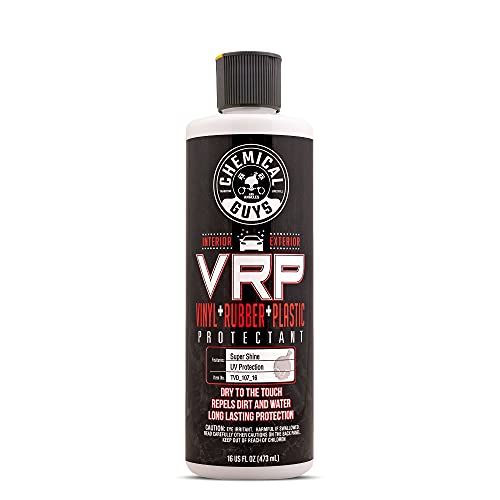
Best for quick monthly top-ups between full restorations
- Fast wipe-on refresh of the black
- Adds a little UV protection between coats
- Works on trim, tires and rubber
Why buy it: the maintenance half of the plan — a cheap, fast dressing to refresh the look on top of a durable foundation.

Best for an easy grab-and-go black restorer
- Simple application, instant darkening
- Great for a fast pre-wash-day refresh
- Widely owned and forgiving
Why buy it: the effortless option for a quick pop of black, best used to top up over a more durable base coat.
Prices are pulled from Amazon and were accurate as of Aug 22, 2026, 6:54 PM EDT. Product prices and availability are subject to change — the live price is shown on Amazon.